




How a 21% Nickel Price Rally Is Reshaping Kabanga's Margin Case


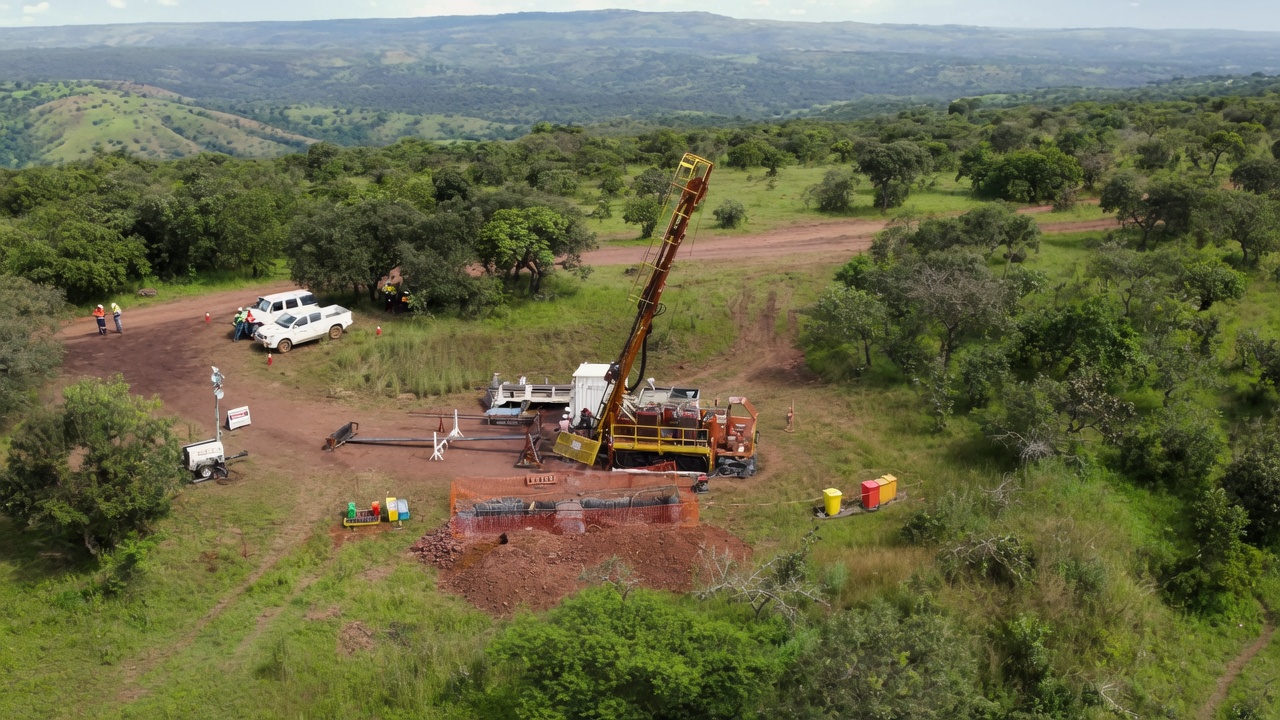
A 21% nickel rally is improving Kabanga's margin outlook as Indonesian supply cuts, sulfuric acid constraints, and sulfide grades support pricing.
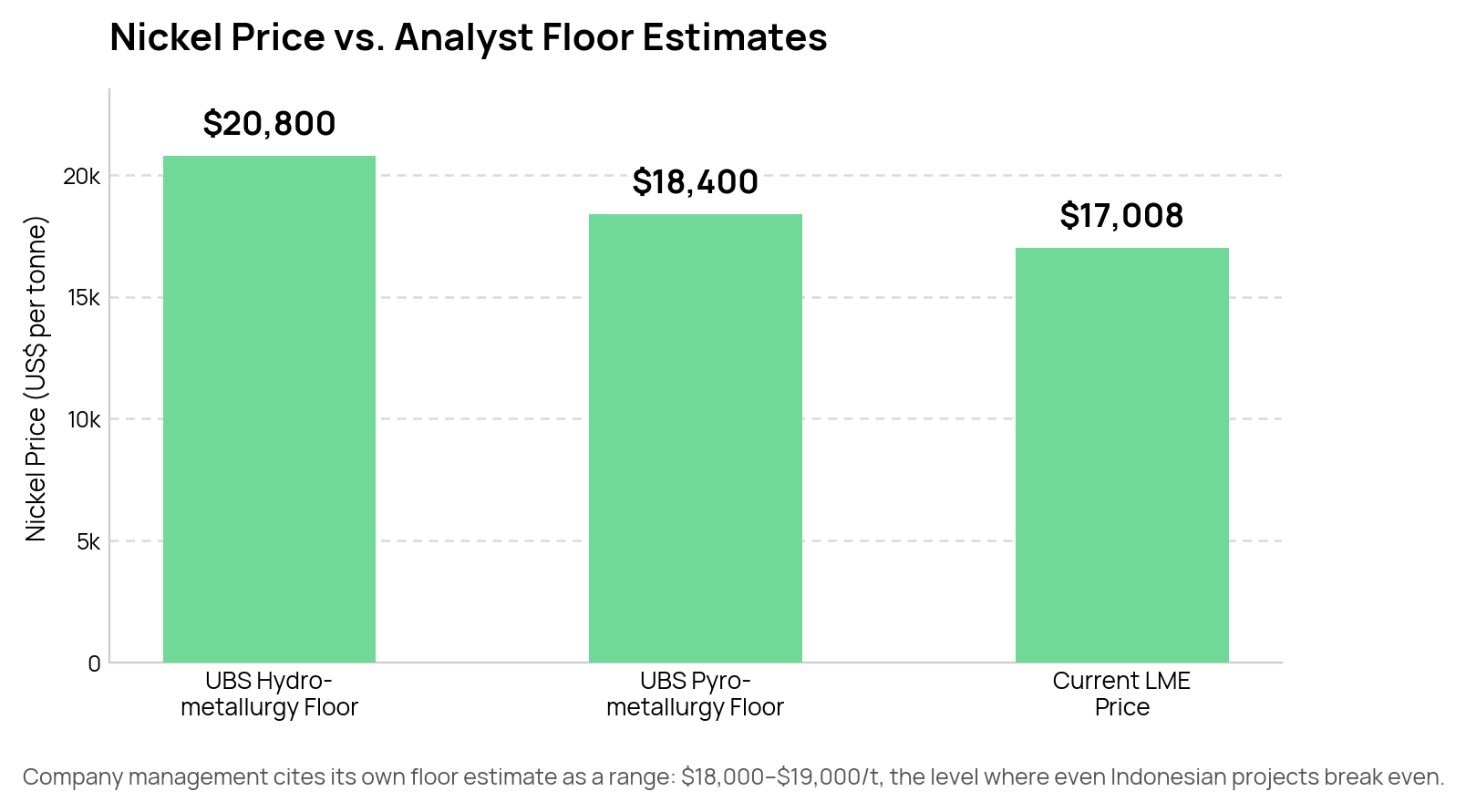
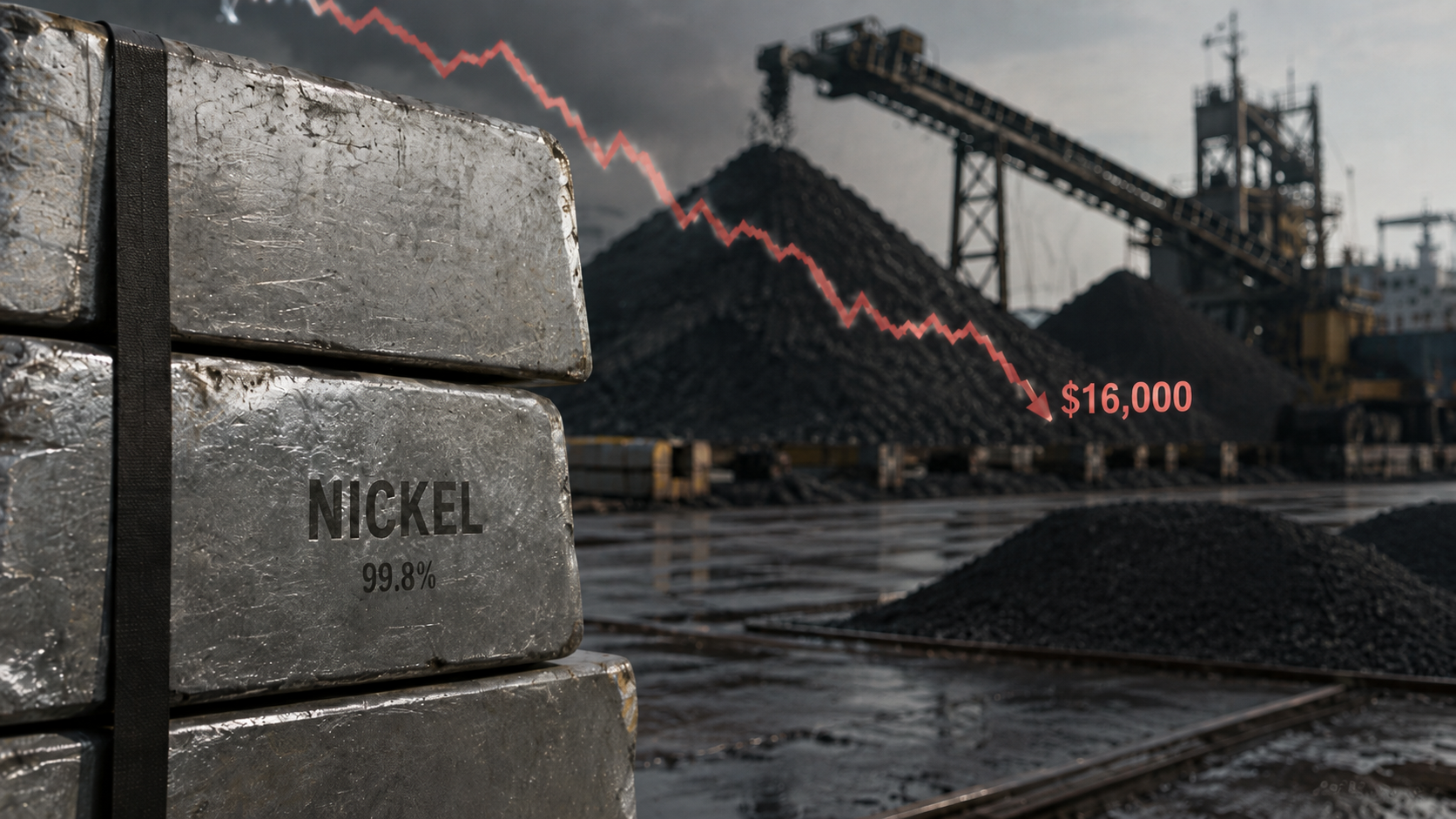
- The London Metal Exchange (LME) nickel price has risen 21% from its late-2025 low to $17,008 per tonne, driven by Indonesian mining quota cuts, a shortened 1-year quota validity period, and a revised benchmark pricing mechanism (HPM).
- Lifezone Metals Limited reported a cash balance of $37.3 million as of June 30, 2026, with a Final Investment Decision (FID) for the Kabanga Nickel Project targeting the first quarter of 2027, pending an amendment to Tanzania's Framework Agreement.
- Lifezone frames the price move as having shifted Kabanga's economics from bankable to materially higher margin within a year, without any change to the underlying feasibility study.
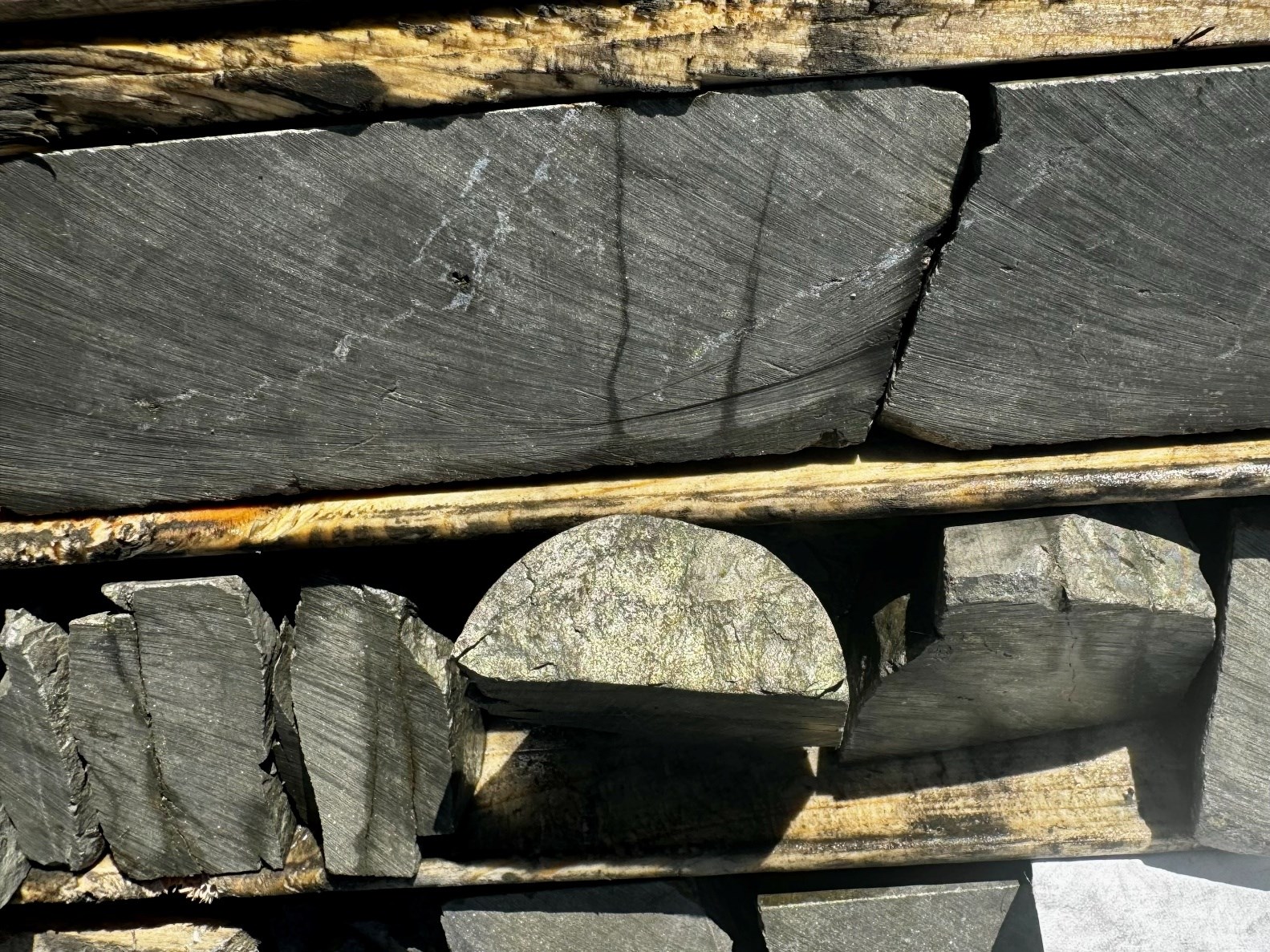
- Kabanga's sulfide mineralization, averaging above 2% nickel with copper, cobalt, and payable silver byproduct credits, positions it differently on the cost curve than the laterite-based supply that dominates Indonesian output.
- A sulfuric acid supply constraint tied to Indonesia's mixed hydroxide precipitate (MHP) production, down roughly 37% from its September 2025 peak, points to further price upside beyond current forward curves.
Kabanga's margin case has already changed. Its feasibility study has not, and neither has its stock. Lifezone Metals Limited (NYSE: LZM) reported first-half 2026 interim financial results on July 29, 2026, with LME nickel trading at $17,008 per tonne, up 21% from its late-2025 low. Management is treating that move as a genuine repricing, not a bounce, and the gap it has opened between what Kabanga is now worth and what the market has priced in is the story.
Indonesian Policy Is Doing the Work, Not Demand
The rally has a specific author: Indonesian policy, not broader demand. An annual nickel ore mining quota cut of approximately 100 wet metric tonnes (wmt) for 2026, quota validity shortened from 3 years to 1, and a revised benchmark pricing mechanism (HPM) that lifts base prices across ore grades and now folds in byproducts such as cobalt. Falling Indonesian ore grades, now below 1.5% in most areas, and tighter environmental enforcement are compounding it. UBS Global Research put a number on where this settles: a price floor of $20,800 per tonne via the hydrometallurgy route and $18,400 per tonne via pyrometallurgy to produce pure nickel metal at the new HPM prices. The company frames the same floor slightly differently, at $18,000 to $19,000, the level where even Indonesian projects break even.
From Bankable to High-Margin, Without Touching the Study
Nothing in Kabanga's reserves or capital costs moved. The margin did. Chief Financial Officer of Lifezone Metals, Ingo Hofmaier, put it bluntly:
“If the nickel price goes up 20%, the margin goes up. So, it was a bankable project last year. It's now a much higher margin project this year.”
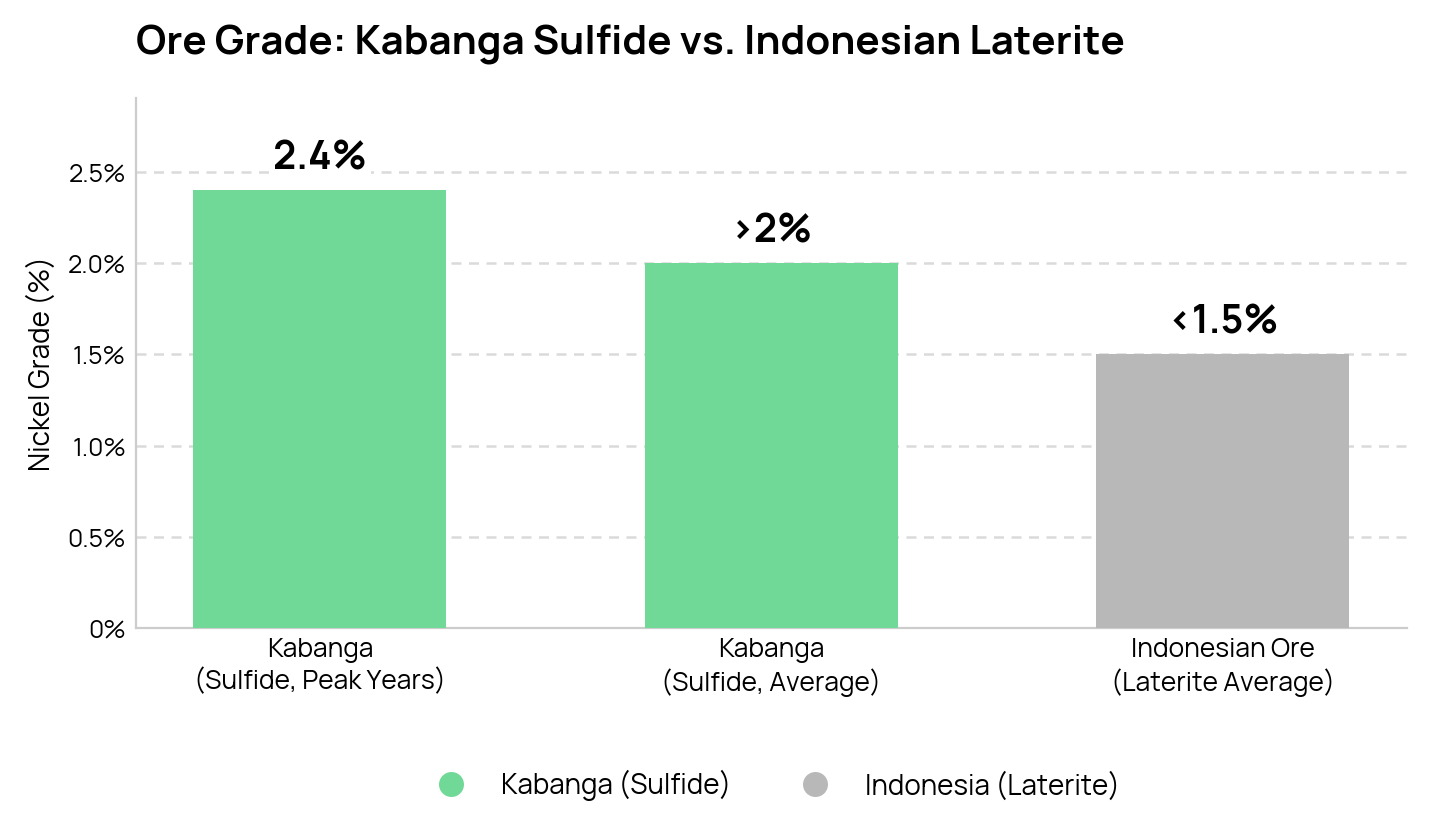
The mineralogy is what lets that margin hold. Most Indonesian supply runs on laterite ore; Kabanga is sulfide, averaging above 2% nickel, with certain years in its 18-year feasibility study reaching 2.4%, plus copper, cobalt, and payable silver byproduct credits. The distinction is not just grade.
Sulfide flows through a flotation process with a long, proven record of reaching production, the same broad path as conventional copper mining. Laterite, the ore behind most of Indonesia's growth and much of the industry's past failures, leaches, and leaching is where nickel laterite projects have historically stalled or collapsed outright.
A Supply Constraint the Market Has Not Priced In
There's a mechanical wrinkle in Indonesian output that has drawn far less attention than the quota headlines. Hofmaier zeroed in on it, explaining that mixed hydroxide precipitate (MHP) production runs on sulfuric acid, and Indonesia doesn't import the acid itself; it imports sulfur and burns it domestically:
“MHP needs a lot of sulfuric acid. Indonesia doesn't import sulfuric acid; they import sulfur, and they have sulfur-burning plants. If you look at the numbers, September was the MHP peak in 2025, and production has come down around 37% from that peak.”
Of Indonesia's top 5 sulfur suppliers, 4 sit on the wrong side of Strait of Hormuz shipping disruptions. That is upside risk to nickel prices that forward curves have not caught up to. On the demand side, stainless steel, growing 4.6% to 4.8% annually, is the half of the story the market keeps skipping once Indonesian supply discipline is priced in.
What the Rally Has Not Yet Done for the Stock
The equity hasn't moved with the metal. Lifezone's share price fell from $4.27 on December 31, 2025, to $3.88 on June 30, 2026, a decline that ironically flattered the balance sheet: it cut the fair value of the company's share-linked liabilities, the convertible debenture derivative, the 2025 offering warrants, and the deferred consideration owed to BHP, feeding $7.9 million in non-cash fair value gains for the period. Market capitalization stood at $297.6 million as of July 27, 2026.
Financing hasn't kept pace with the metal either. Final Investment Decision (FID) is now targeting the first quarter of 2027, pushed back by slower-than-expected progress on the Framework Agreement amendment with the Government of Tanzania, even as roughly $854 million of the project's approximately $930 million capital expenditure has already been released to market through procurement. Lifezone held $37.3 million in cash as of June 30, 2026, with $18.3 million still available under its Taurus bridge facility through November 29, 2026, funding pre-FID work while the Standard Chartered-led strategic equity process and the Societe Generale-led project financing process run in parallel. Hold the current price environment through FID, and Kabanga reaches a construction decision on a margin its feasibility study was never built for. The equity has not caught up to that yet.
FAQs (AI-Generated)
Analyst's Notes





Subscribe to Our Channel




Stay Informed


