




How Florida Canyon Became Integra's Self-Funding Growth Engine


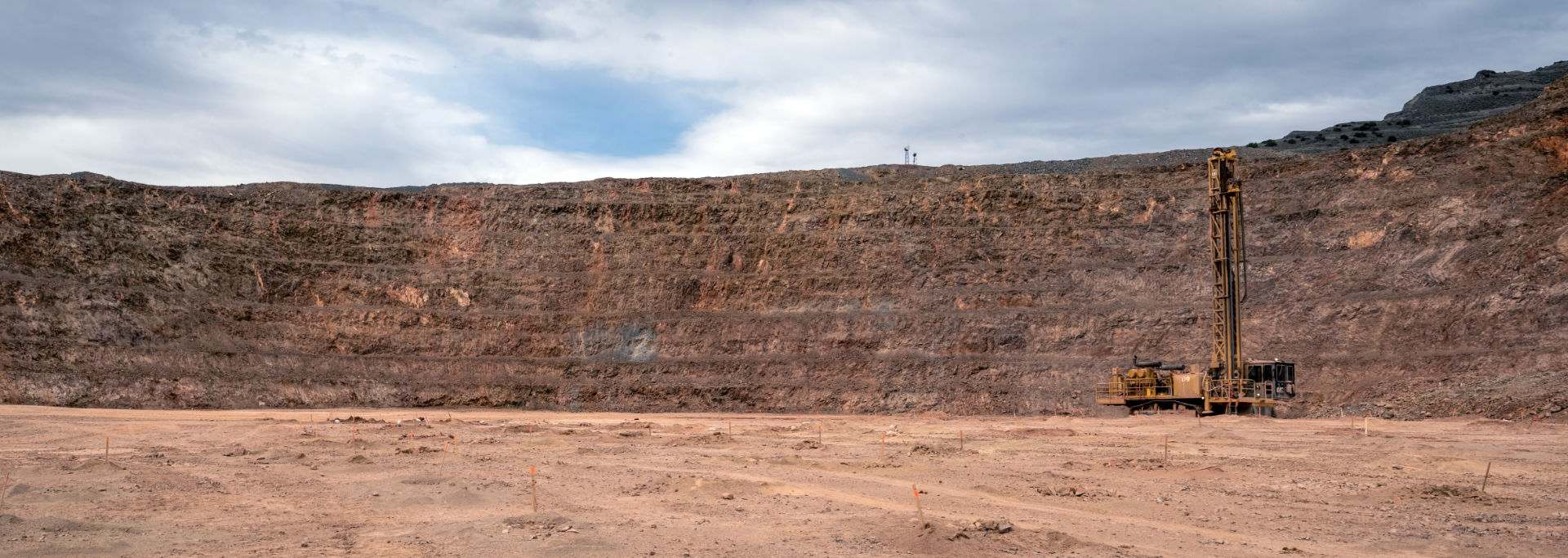
Integra's updated Florida Canyon study targets $0.8 billion in life-of-mine free cash flow with no upfront capital, funding DeLamar and Nevada North.
- Florida Canyon's updated Feasibility Study (FS) targets roughly $800 million in life-of-mine after-tax free cash flow, generated with no upfront capital.
- Proven and probable reserves rose 74% to 1.19 million ounces of gold, extending active mining to 2033.
- Average annual production increases 17% to 82,000 ounces over an 8-year operating mine life.
- Life-of-mine all-in sustaining cost (AISC) is targeted near $2,331 per ounce, though 2026 guidance rose to $3,300 to $3,500 per ounce.
- Florida Canyon's cash flow is intended to fund the DeLamar and Nevada North projects as it moves toward becoming a multi-asset US mid-tier producer.
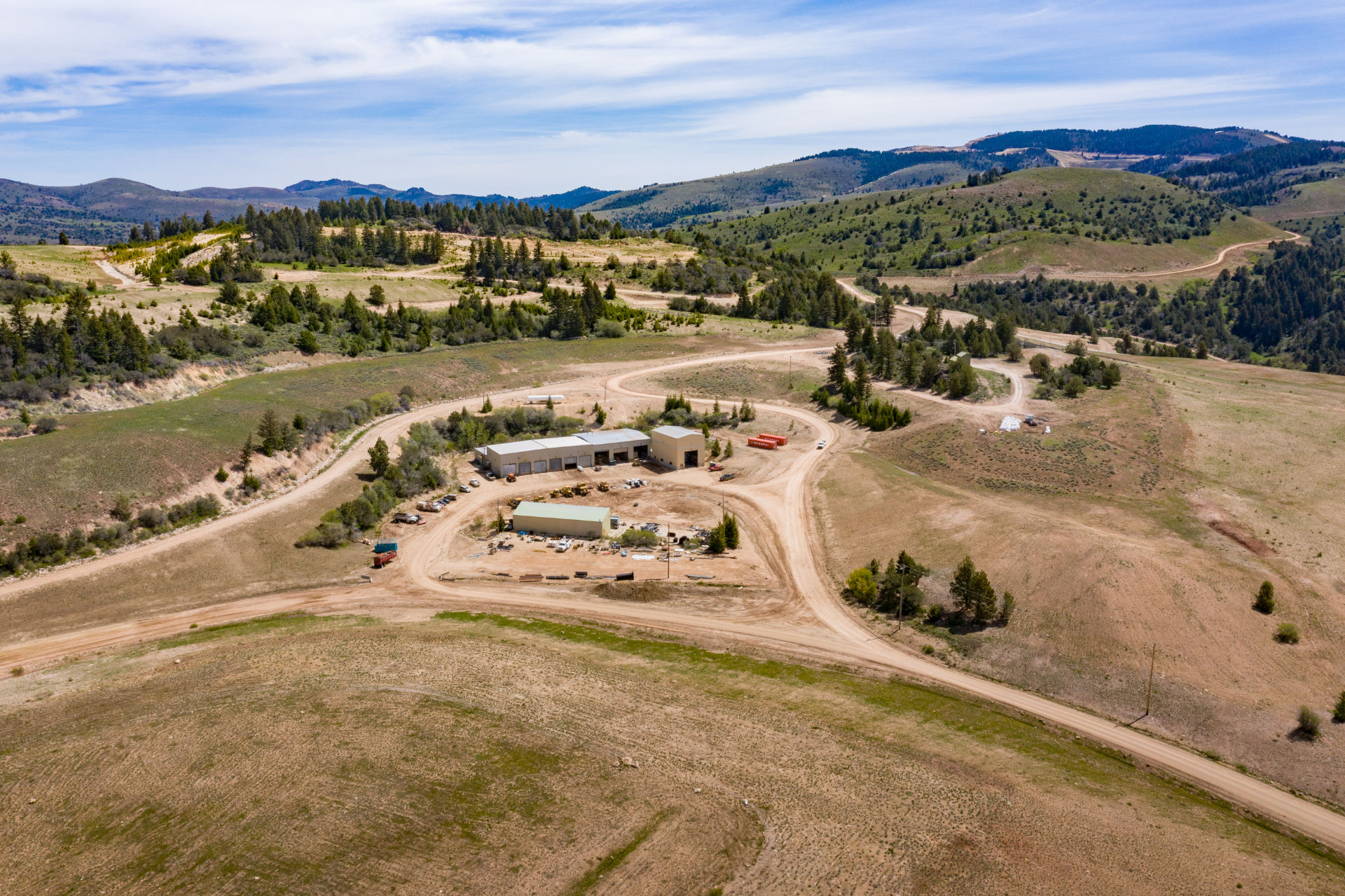
Integra Resources (TSXV: ITR | NYSE American: ITRG) has reframed its producing Florida Canyon mine in Nevada around a single idea. The updated Feasibility Study (FS) released on June 25, 2026, targets roughly $800 million in life-of-mine after-tax free cash flow, generated with no upfront capital. Less than 2 years after acquiring the operation for $68 million, the company is positioning Florida Canyon less as a standalone gold mine and more as the internal funding source for a wider growth pipeline.
Free Cash Flow at the Centre of the Study
The defining result of the technical report is cash, not scale. Based on the base-case assumptions, the study shows an after-tax net present value at a 5% discount rate (NPV5%) of $601 million, discounted to January 2026, rising to about $723 million at spot prices. Over the 8-year mine life, the plan targets a total net free cash flow of $769.5 million, averaging $90 million per year, with no upfront capital required.
President and Chief Executive Officer of Integra Resources, George Salamis, is direct about where the value sits:
"The real story here is the cash flow this generates over the entire 8 years, close to $800 million of after-tax free cash flow. Florida Canyon becomes the cash flow engine that funds everything else, and this entire model is self-sustaining, meaning we don't have to raise a big whack of money to do it."
That free cash flow is what pays for everything the company wants to build next.
A Larger Reserve & a Longer Mine Life
The cash profile rests on a materially larger orebody. Proven and probable reserves rose 74%, from 685,000 ounces of gold in the 2024 estimate to 1.19 million ounces in 2026, a 506,000-ounce increase. Oxide measured and indicated resources grew 128%, and oxide inferred resources grew 57%, helped by a resource estimate on the Standard Mine south of the operation. Average annual production increases 17%, from 70,000 ounces to 82,000 ounces, and active mining now extends to 2033 rather than 2030, followed by 2 years of residual leaching.
The gain came less from the gold price than from 2 years of operating the asset. Steeper pit slope angles, resequenced mining, and a shift toward crushing more ore, where recoveries run in the low to mid 60% range against high 40s to low 50s for run-of-mine material, all fed the model. Two years of drilling, beginning with 16,000 metres in the first year focused within the mine gate, added much of the rest, and that programme continues.
Funding Growth Without Dilution
The free cash flow is earmarked for 2 other Nevada assets. Florida Canyon is intended to build a treasury to fund construction at the DeLamar project, where the Final Environmental Impact Statement and Record of Decision are targeted for the second half of 2027, with a debt component alongside internal cash. The Nevada North project, 25 miles to the west, is next in line, with the 2 operations targeted to run in parallel over time. Funding that pipeline from internal cash flow rather than repeated equity raises reduces dilution and is the route Integra sets out to become a multi-asset, mid-tier precious metals producer in the United States.
Salamis frames the capital logic plainly:
"It generates a lot of free cash flow to apply to assets like DeLamar, which 2 years from now we hope to be in construction mode, with a significant amount of cash built up from Florida Canyon in our treasury to get DeLamar built. Obviously, there'll be a component of debt that comes in with that, but this is the self-sustaining, self-funding mechanism that was the original reason we bought Florida Canyon."
The sequence depends on Florida Canyon delivering the cash on schedule, which brings the near-term cost picture into focus.
Higher 2026 Costs, Lower Life-of-Mine Costs
The near-term cost picture moved the wrong way even as the long-run figure improved. Life-of-mine all-in sustaining cost (AISC) is targeted at about $2,331 per ounce net of silver by-product, but 2026 site-level AISC guidance rose to $3,300 to $3,500 per ounce, up from $2,750 to $2,950. Production guidance for 2026 held at 70,000 to 75,000 ounces. The increase reflects higher tonnes mined and processed, inflation on diesel fuel and explosives, lower gold ounces sold early in 2026, and higher royalties and excise taxes, alongside a heavy waste-stripping campaign to reach better grades.
The plan front-loads spending over the next 2 quarters to reduce the cost base over the following 8 years. Management is clear that Florida Canyon will not become a sub-$2,000-per-ounce operation given its grade profile, but sustained high gold prices would leave margin to continue building treasury and cash flow.
Proving the Plan From 2027 to 2029
What remains is the execution the company has yet to demonstrate. Salamis acknowledges a market that has been slow to re-rate an asset held by 3 prior owners over the past decade, and points to 2027 through 2029 as the window to prove falling costs and rising output. A 42,500 metre drill programme is underway at Florida Canyon, targeting near-mine oxide extensions, the ridges and saddles between existing pits, and the Standard Mine, which has not been drilled in 15 years.
Salamis puts the burden of proof on the next 3 years:
"There's a show me aspect to Florida Canyon in the minds of the investing public, an asset that's been unloved and under-capitalised for so long. Show us we can deliver production in the 80 to 85,000 ounce range and drop the costs, and that's 2027, 2028, and 2029 for us."
For now, the FS sets the target, and the drill programme frames the upside, leaving the market to judge Integra on delivery over the next 3 years.
FAQs (AI-Generated)
Analyst's Notes





Subscribe to Our Channel



Stay Informed






















