Hycroft Assigns 7,200 Metres to Brimstone, 3,000 to Vortex: 8 Key Catalysts to Watch


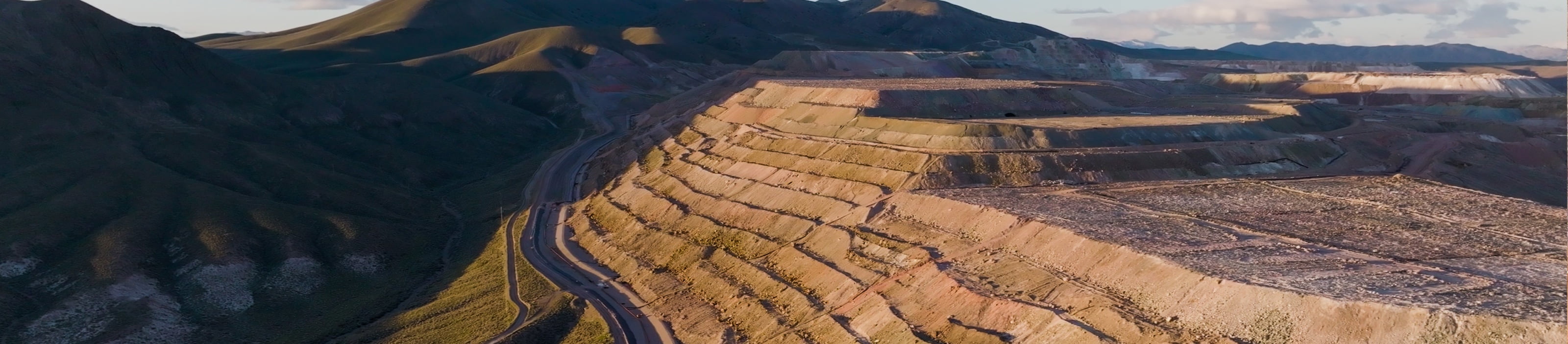
Hycroft has set a core metreage target for each high-grade silver system for the rest of its 2025-2026 drill program. Here is what each is chasing.
Project Overview
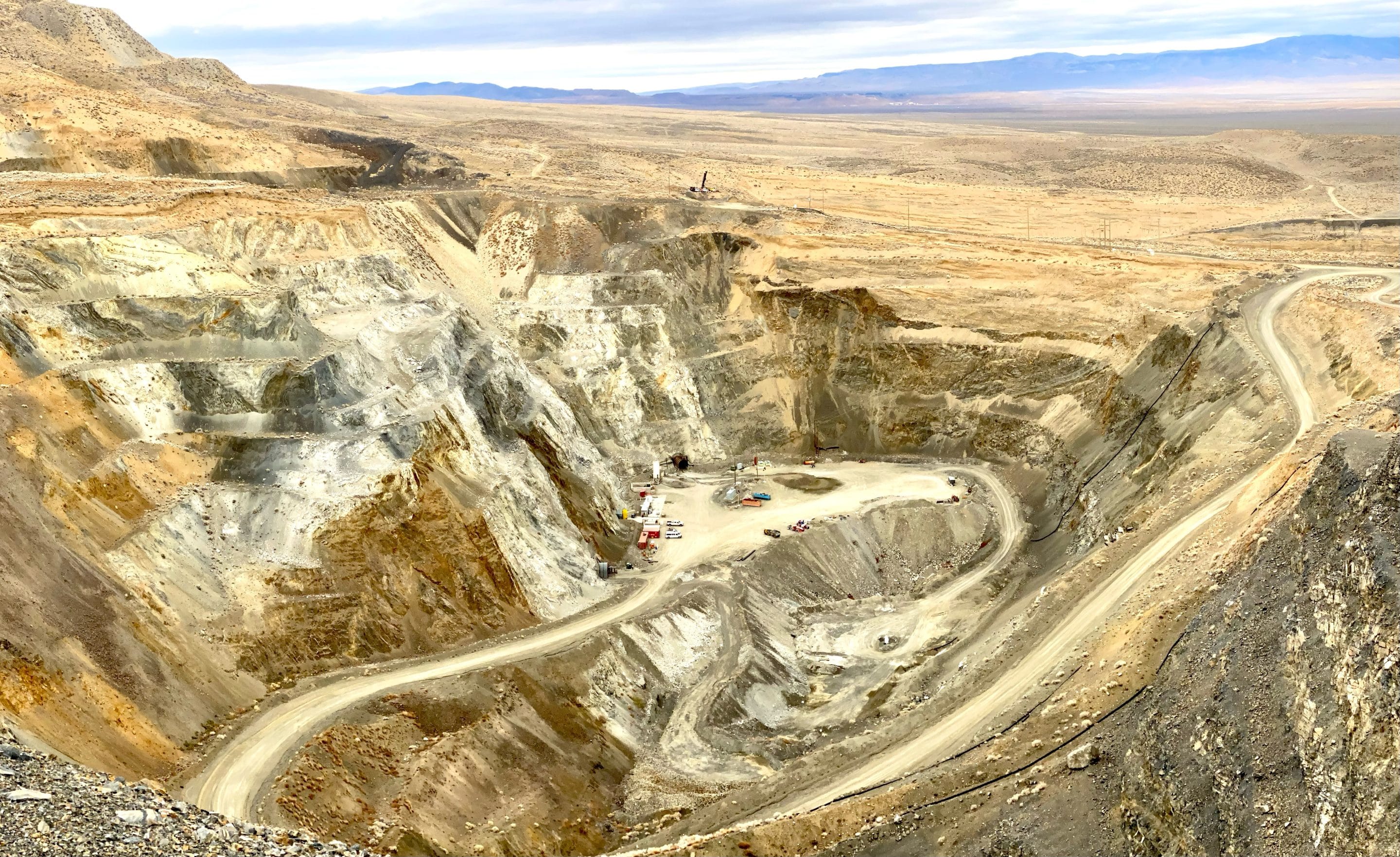
Hycroft Mining Holding Corporation (Nasdaq: HYMC) explores and develops the Hycroft Mine in northern Nevada, a Tier-1 mining jurisdiction. The property has a long history of heap leach operations, and the company is advancing to the next phase of operations for processing sulfide mineralization, rock in which the metals are locked up in sulfur-bearing minerals. Two high-grade silver systems, Brimstone and Vortex, lie within a much larger low-grade deposit, and the current drill program aims to expand them.
A resource estimate effective January 21, 2026, priced at $3,100 per ounce for gold and $36 per ounce for silver, holds 16.41 million ounces of gold and 562.58 million ounces of silver in the measured and indicated categories, grading 0.333 grams per tonne (g/t) gold and 11.42 g/t silver. Those resources are not reserves, and detailed economic considerations have not been applied to them.
The land position covers more than 64,000 acres, of which the current resource comprises less than 15%, and the system is open in all directions and at depth.
1. Two Metreage Commitments for the Rest of the Program
Hycroft has put a separate core metreage against each high-grade silver system for the balance of the 2025-2026 drill program.
For the remainder of the program, approximately 7,200 metres (m) of core will be drilled at Brimstone. At Vortex, approximately 3,000 m of core is planned to cover the northern, southern, and eastern extensions, as well as the western zone. Since the program commenced in August 2025, approximately 15,585 m of core drilling has been completed, out of an approximately 26,000-metre core drilling program.
Two per-system figures let investors track each system's incoming assays as the program closes out, which a single deposit-wide total does not.
2. Brimstone Drilling Moves Up-Dip Toward Surface
Five holes carried the Brimstone high-grade system up-dip toward the surface, and one of them confirmed continuity through the system's widest section.
That hole returned 82.7 m at 87.52 g/t silver and 0.77 g/t gold from 122.2 m depth, including 19.4 m at 108.19 g/t silver and 2.10 g/t gold from 181.7 m depth, plus a 0.7 m interval grading 14.35 g/t gold. Two of the five returned intervals beginning at surface, 153.0 m at 9.87 g/t silver and 0.44 g/t gold, and 142.2 m at 17.66 g/t silver and 0.37 g/t gold. Grades of this nature can potentially be supportive of both an open-pit and an underground context, which would provide attractive optionality for mining operations.
Vice President, Exploration of Hycroft Mining Holding Corporation, Alex Davidson, describes what the drilling is chasing:
"Brimstone is extraordinarily high grade. There's a lot of great things to come from that."
The 7,200-metre commitment follows that assessment into the ground, and the drilling has not yet reached it.
3. The Deep Target Below Brimstone
Two holes stepped roughly 90 m farther down-dip beneath the known Brimstone mineralization and returned alteration and geochemistry consistent with the Brimstone fluid pathway, without the grade that would settle it.
The program is also drilling a geophysical anomaly identified in 2025, a measured variation in the rock's physical properties that indicates a potential feeder system below the known mineralization. One of the two holes intersected an 18-metre zone of stockwork veining, a dense network of small crosscutting veins, including 1.5 m at 120.00 g/t silver at 645.9 m depth. The same hole also returned 2.7 m at 44.63 g/t silver and 0.10 g/t gold at 664.8 m depth.
Drilling remains high in the system and will continue to advance toward the target. The practical distinction for an investor is between supporting evidence and confirmation, and the deep target has produced the former without the latter.
4. Vortex Drilling Spreads Across Four Directions
The Vortex commitment covers four directions at once, including the western zone that produced the most recent result.
One hole extended high-grade silver mineralization approximately 150 m to the west, returning 12.5 m at 375.41 g/t silver from 387.2 m depth, including 4.2 m at 748.02 g/t silver from 395.3 m depth. The same hole returned 91.4 m at 66.79 g/t silver and 0.32 g/t gold from 313.9 m depth, and 63.4 m at 4.73 g/t silver and 0.29 g/t gold from surface. It was an offset to an earlier hole, consistent with the company's structural targeting strategy at Vortex.
Recent drilling is returning higher grades to the west, southwest, and north. The remaining Vortex work is spread across the breadth of the deposit instead of concentrated on a single trend.
5. Restated Dimensions at Brimstone & Vortex
Brimstone now measures approximately 300 m wide north to south and approximately 500 m long east to west down-dip.
The company still describes Brimstone as approximately 250 m north to south and approximately 380 m down-dip. The August 18, 2026, figures are larger on both axes, and the revision was made while the program was still running.
At Vortex, the strike length is currently over a kilometre (km), and the system is more than 500 m wide at its widest point. Both systems remain open in all directions and at depth. The metal mix differs between them, with a silver-to-gold ratio of 3,000:1 at Brimstone and 600:1 at Vortex.
6. The Structural Model Behind the Hole Locations
Where each hole is collared comes from a fault-and-mineral-trend model, not a drill grid.
Management says the team inherited a functioning model and rebuilt it, identifying the controlling faults and the mineral trends and incorporating both into a representation of the deposit. Hycroft says the mine was historically developed as a leach project using reverse-circulation drilling, a faster method that returns rock chips instead of solid core, which left a large volume of shallow holes, and the current work looks below what those holes defined. Each new hole, management says, is assessed for the correct kind of alteration, for vein density, and for evidence that something has broken up the rock. An east-west structure controls mineralization at depth in the Brimstone area, and drilling is oriented to cross it because fluid movement is influenced by it.
Exploration Manager of Hycroft Mining Holding Corporation, Justin Davenport, traces the current targeting back to what the team was handed:
"We inherited a functioning model and an idea, and we've done a lot to really make a model that reflects what the mineralization is as we see."
7. Rig Count & the Rate of Conversion
The sequential drill-and-validate method, not the metreage on the books, governs how quickly either commitment turns into defined mineralization.
Davenport puts a number on how many holes one structure can absorb before anything is settled:
"We could drill four or five holes to just continue to define that. But to make sure those holes are right, we need to geo-validate where that structure is."
Management describes drilling one hole at a time, interpreting it, then offsetting it where the result looks promising, and moving to a different target where it does not, returning later once the hole is understood within the model. The controlling structure must be validated in the logged hole before the next collar is positioned. The program began with two core rigs and one reverse-circulation rig, with two further core rigs targeting the second half of 2026, for a total of 5 rigs. Drilling is carried out year-round and around the clock.
Ground conditions set the pace for the rest. The alteration at Hycroft is an epithermal system, a deposit formed by hot fluids rising through fractures near the surface, and it holds heavy clay in its upper part, so the top of a hole can be a struggle, and rock competence improves below roughly 200 to 300 m. On that basis, the two commitments describe the work ahead more precisely than they describe its timing.
8. Development Path Still Open
Both commitments feed a mining method choice Hycroft has not made.
The options are a large open pit, a high-grade underground operation, or a hybrid in which high-grade underground material complements the pit. Engineering analysis for a decline is well underway, and engineering on a decline for the high-grade is targeting the second half of 2026. The August 18, 2026, results support the company's strategy of expanding both high-grade silver systems to define the best path for development, including the potential for a high-grade underground silver mine.
The high-grade domains inside the resource are reported at a cutoff of 68.57 g/t silver, grading 269.54 g/t silver and 0.368 g/t gold at Brimstone and 130.14 g/t silver and 0.543 g/t gold at Vortex, both measured and indicated. Neither figure is a reserve. Those grades describe the material that the decline engineering is aimed at, and neither system's boundary has been closed. The two metreage commitments are the inputs to the mining method choice, and that choice waits on the drilling they describe.
Key Takeaway for Investors
- Two named allocations now govern the remainder of the 2025-2026 drill program, with approximately 7,200 metres of core at Brimstone and approximately 3,000 metres at Vortex.
- Brimstone grade moved nearer the surface across five holes drilled up-dip, two of which returned intervals beginning at the surface.
- The deep target below Brimstone produced alteration, chemistry, and an 18-metre zone of stockwork veining consistent with the feeder interpretation, while the drilling remains high in the system.
- Vortex work extends in four directions, covering the northern, southern, and eastern extensions, as well as the western zone that returned the newest high-grade intercept.
- Drilling proceeds one hole at a time, with the controlling structure validated from each logged hole before the next collar is positioned.
- Putting a metreage against each system makes the remaining exploration workload measurable, which gives an investor something concrete to track between assay releases. What it does not do is determine which system a mine would start in, or whether the deposit is worked from the surface or underground.
Bottom Line
Hycroft has told the market how much core each high-grade silver system will receive before the 2025-2026 program closes: approximately 7,200 m at Brimstone and approximately 3,000 m at Vortex, out of an approximately 26,000-metre program of which approximately 15,585 m had been drilled by August 18, 2026. The Brimstone figure follows drilling that carried grade up-dip toward the surface, along with a pair of deep holes that returned supporting signatures but no confirming intercept. The Vortex figure covers four directions at once. None of it settles the mining method, and engineering on a decline for the high-grade material is underway, targeting the second half of 2026.
Analyst's Notes





Subscribe to Our Channel




Stay Informed