




Hycroft Mining: Nevada Permitting Advantage Meets District-Scale Resource Growth


Hycroft Mining leverages Tier-1 Nevada permitting, 16.4 Moz gold and 562 Moz silver resources, and 2026 POX/PEA catalysts to drive US precious metals upside.
- Nevada is a Tier-1 mining jurisdiction with stable political and regulatory frameworks, providing predictable permitting and a valuation premium versus frontier jurisdictions.
- Domestic gold and silver supply is increasingly strategic, with US-permitted assets and existing infrastructure offering resilience amid trade fragmentation.
- Permitting pathways, metallurgical options (heap leach versus pressure oxidation milling), and prior operating history materially influence project economics, including net present value (NPV) and internal rate of return (IRR).
- Hycroft Mining illustrates a past-producing, permitted site transitioning from oxide heap leach to sulphide milling with lower regulatory and capital risk than greenfield peers.
- Final pressure oxidation (POX) metallurgical results are expected in the first quarter of 2026, with the Preliminary Economic Assessment ongoing and targeted for completion in the first half of 2026.
Nevada's Role in US Precious Metals Development
Nevada is a Tier-1 mining jurisdiction and a leading gold-producing state in the United States, offering stable political and regulatory frameworks that reduce risk premiums, lower weighted average cost of capital, and support higher enterprise value per ounce (EV/oz). Its predictable permitting, legal transparency, and financing accessibility make it a preferred destination for institutional investors and give permitted projects a valuation premium over frontier jurisdictions. Established infrastructure, including operating mines, processing facilities, and a skilled workforce experienced in heap leach and large-scale milling, reduces execution risk and capital intensity compared with greenfield projects.
President and Chief Executive Officer of Hycroft Mining, Diane Garrett, underscores the strategic advantage:
"We're in the US, so that's a great value driver for investors because when you're looking at it, most silver production is in Mexico or Brazil or Bolivia. There are only a handful of silver opportunities to invest in the US. So we still think there's a lot of upside to go."
This combination of jurisdictional stability and developed ecosystem directly enhances project economics, improves net present value (NPV) sensitivity, and supports accelerated development timelines for developers in Nevada.
Hycroft’s Position in a Fragmenting Trade Environment
The strategic context for US-based precious metals developers has shifted materially as trade policy fragmentation and critical minerals designations have elevated the value of domestically permitted assets. Hycroft's Nevada location and resource profile situate it within this evolving supply and policy landscape.
Gold & Silver in the Context of Domestic Supply
Gold serves as a reserve asset and inflation hedge, while silver’s industrial demand for solar, electronics, and electrical systems positions it as a critical input for energy transition infrastructure. The United States has designated silver as a critical mineral, highlighting domestic supply security as a national priority. By-product optionality at Hycroft includes the potential for sulfuric acid production under the roasting process alternative currently being evaluated as part of a pressure oxidation (POX) versus roasting trade-off study.
Resource Scale, Land Position, & District Potential
Hycroft’s updated resource, the first since 2023, increased measured and indicated gold from 10.5 million ounces to over 16.4 million ounces and silver from 362 million ounces to approximately 562.6 million ounces, averaging approximately 55% growth in measured and indicated gold and silver resources.
"We are advancing one of the world's largest precious metals deposits in the United States, Nevada. Measured and indicated, we had about 10.5 million ounces of gold, and now we're over 16 million ounces. On the silver, we were at 362 million ounces, and now we're just shy of 600 million."
The property spans 64,000 acres with less than 10% explored, and recent high-grade discoveries at Vortex and Brimstone support significant district-scale upside. At current market pricing, Hycroft’s enterprise value per silver equivalent ounce is approximately two dollars, highlighting its discount relative to peers.
The Permitting Framework in Nevada
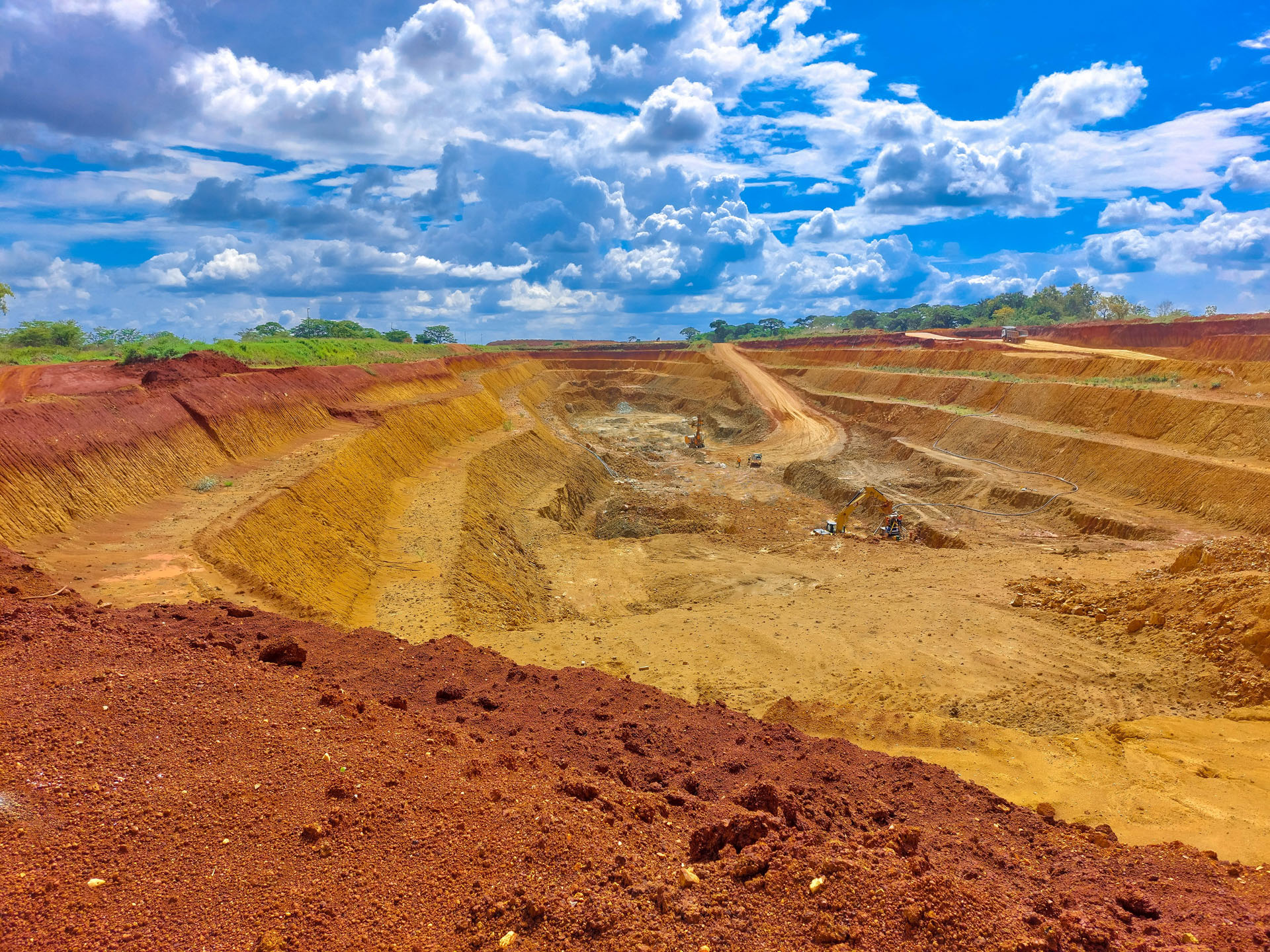
Nevada’s precious metals projects operate under layered federal and state regulation. Federal approvals require either an Environmental Assessment or a full Environmental Impact Statement, depending on project scope. State-level permits from the Nevada Division of Environmental Protection cover water quality, air emissions, and reclamation bonding. Operational permits include heap leach pad authorisations, milling approvals, and water management plans. Transitioning from oxide heap leaching to sulphide milling, as Hycroft is evaluating, requires modifications to existing permits rather than a full greenfield application, reducing both timeline and cost compared with new developments.
Greenfield permitting from exploration to construction can take five to ten years, adding schedule risk and incremental capital outlays for studies, stakeholder consultation, and regulatory engagement. Projects with existing permits, like Hycroft, bypass much of this expenditure, allowing capital to focus on technical studies and value-generative activities. Hycroft’s past-producing status provides on-site infrastructure, including a lab, crusher, conveyors, Merrill-Crowe circuit, and leach pad. The company is evaluating a flotation and POX flowsheet for sulphide ore, with gold recovery of 83% and silver recovery of 78%, while milling approval already exists, limiting regulatory exposure during process transition.
Risk Factors & Investor Considerations
Hycroft faces technical, operational, permitting, and market risks. The POX milling pathway requires feasibility-level studies to confirm economic viability, and scaling from pilot to commercial processing introduces engineering execution risk beyond recovery rates. Mining is currently paused as the company works to transition to a milling operation, with no operating cash flow, and inferred resources must convert to measured and indicated before inclusion in mine planning, requiring additional drilling and modeling. Existing permits provide an advantage but are not full construction-ready approvals; transitioning from heap leach to sulphide milling requires regulatory modifications that affect timelines and costs. Project economics will remain sensitive to gold and silver prices, with lower prices potentially compressing internal rates of return (IRR) and challenging financing thresholds.
Near-Term Catalysts & Timeline Visibility
Hycroft's near-term catalysts include final POX metallurgical results expected in the first quarter of 2026 and a Preliminary Economic Assessment ongoing and targeted for completion in the first half of 2026, together providing the first formal economic framework for the sulphide milling pathway and potential equity re-rating. The drill programme is expanding from three to five rigs, with two additional core rigs expected to be added in the second half of 2026, with results from the high-grade Brimstone and Vortex systems being applied to other targets across the property. A potential heap-leach restart in the first half of 2026 could provide early cash flow visibility ahead of a full capital decision on the POX milling programme.
Garrett confirms the timing and news flow:
"We're going to have the economics out on the project by the end of the first quarter. A lot of news on drilling results is coming over the next few months and even throughout the year. We've taken what we've learned about the Brimstone and Vortex high-grade systems, and we're applying it to other target areas on the property. We're really excited about some of the things we're seeing there. We'll be rolling that out to the market in due course."
These milestones provide investors with structured visibility into study completions, technical de-risking, and exploration optionality, supporting a phased development strategy and early cash flow potential.
The Investment Thesis for Hycroft Mining
- Tier-1 Nevada jurisdiction lowers discount rates and financing risk, providing a structural valuation premium relative to peer projects in less predictable regulatory environments.
- Existing permits and brownfield infrastructure reduce capital expenditure requirements and shorten the development timeline compared with greenfield builds of comparable resource scale.
- The measured and indicated resource base of over 16.4 million ounces of gold and 562.6 million ounces of silver supports long-life production potential and positions Hycroft among the largest undeveloped precious metals deposits in the United States.
- Metallurgical test work demonstrating gold recovery of 83% and silver recovery of 78% from the flotation and pressure oxidation flowsheet supports the technical viability of the sulphide milling transition.
- Near-term catalysts, including final pressure oxidation metallurgical results, a Preliminary Economic Assessment, a potential heap-leach restart assessment, and an expanding five-rig drill programme, provide structured de-risking milestones and re-rating potential.
Hycroft combines jurisdictional certainty, district-scale resource optionality, and phased technical de-risking. This offers investors a differentiated, US-domiciled precious metals exposure with near-term visibility into economics, permitting, and operational catalysts.
TL;DR
Hycroft Mining is positioned as a differentiated US precious metals developer due to its large, recently expanded gold and silver resource base in Tier-1 Nevada, where predictable permitting and existing infrastructure lower regulatory and capital risk versus greenfield peers. As a past-producing, already permitted site transitioning from heap leach to sulphide milling, Hycroft benefits from shorter timelines and reduced permitting uncertainty. Upcoming catalysts, including a Preliminary Economic Assessment, final POX metallurgical results, expanded drilling, and a potential heap-leach restart, provide clear near-term milestones that could drive valuation re-rating.
FAQs (AI-Generated)
Nevada offers predictable permitting, legal stability, and established infrastructure, lowering risk premiums and supporting higher enterprise value per ounce (EV/oz).
Hycroft Mining owns over 16.4 million ounces of gold and 562.6 million ounces of silver in measured and indicated resources in a Tier-1 US jurisdiction, with existing permits and infrastructure.
Moving to pressure oxidation (POX) milling targets higher sulphide recoveries, with test work showing 83% gold and 78% silver recovery, potentially improving project economics.
Domestic supply security is increasingly important amid trade fragmentation, and silver is designated a critical mineral in the United States.
Final POX results in the first quarter of 2026, a Preliminary Economic Assessment in the first half of 2026, drill expansion to five rigs, and a potential heap-leach restart assessment.
Analyst's Notes





Subscribe to Our Channel





Stay Informed






















