




Integra Secures Federal Permitting Certainty & Accelerates Toward US Gold Production


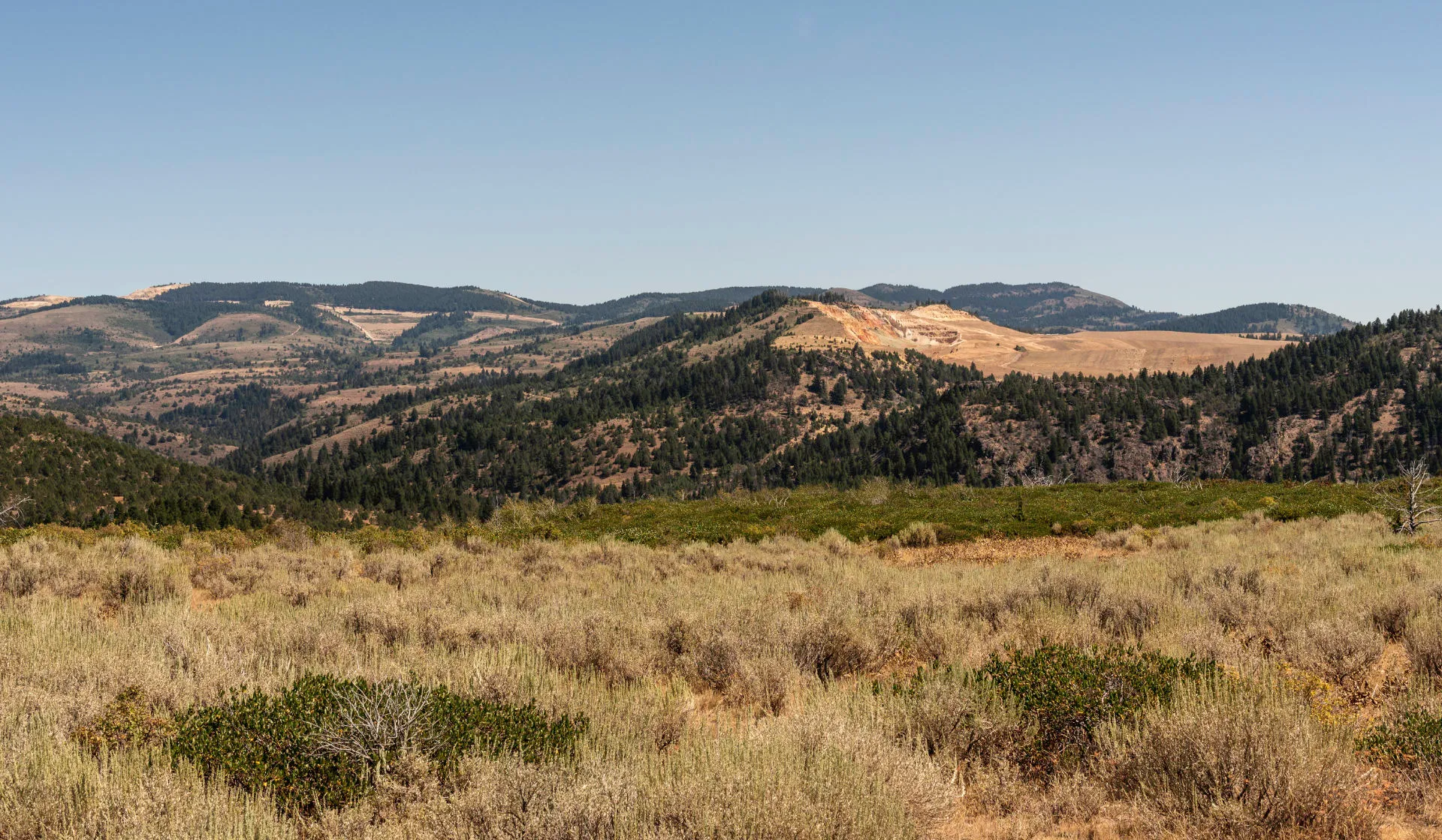
Integra Resources secures federal permitting schedule for DeLamar gold-silver project, targeting 2027 Record of Decision with $774M NPV and 46% IRR.
- Federal permitting certainty is emerging as a primary valuation driver for US mining equities, with defined NEPA timelines increasingly separating investable developers from stranded assets.
- Integra Resources has crossed a significant milestone, securing a formal federal permitting schedule for its DeLamar Heap Leach Project on January 12, 2026, targeting a Record of Decision in 2027.
- The permitting clarity materially compresses development risk, accelerating time-to-value and improving financing optionality relative to peers still navigating open-ended regulatory pathways.
- Backed by robust feasibility economics including an after-tax NPV of $774 million, 46% IRR, and internal cash flow from Florida Canyon, Integra avoids the dilution trap typical of late-stage developers.
- In a market defined by asset scarcity in established jurisdictions, DeLamar's scale, metallurgy, and regulatory visibility elevate Integra's relevance for both thematic investors and strategic acquirers.
Permitting Certainty Has Become the New Scarcity Premium in US Mining
The valuation framework for US mining equities has shifted fundamentally over the past decade. Where investors once prioritized headline resource ounces and exploration upside, capital allocation decisions now hinge on execution certainty and regulatory visibility. For projects navigating the National Environmental Policy Act process, this shift has profound implications for how developers are valued, financed, and ultimately built.
Capital Markets Are Re-Pricing Regulatory Risk
Undefined NEPA processes inflate the cost of capital through multiple channels. Equity investors demand higher returns to compensate for timeline uncertainty, while debt providers either avoid pre-permitted projects entirely or impose punitive terms. The result is a bifurcated market where permitted assets command scarcity premiums and unpermitted projects trade at persistent discounts regardless of underlying resource quality.
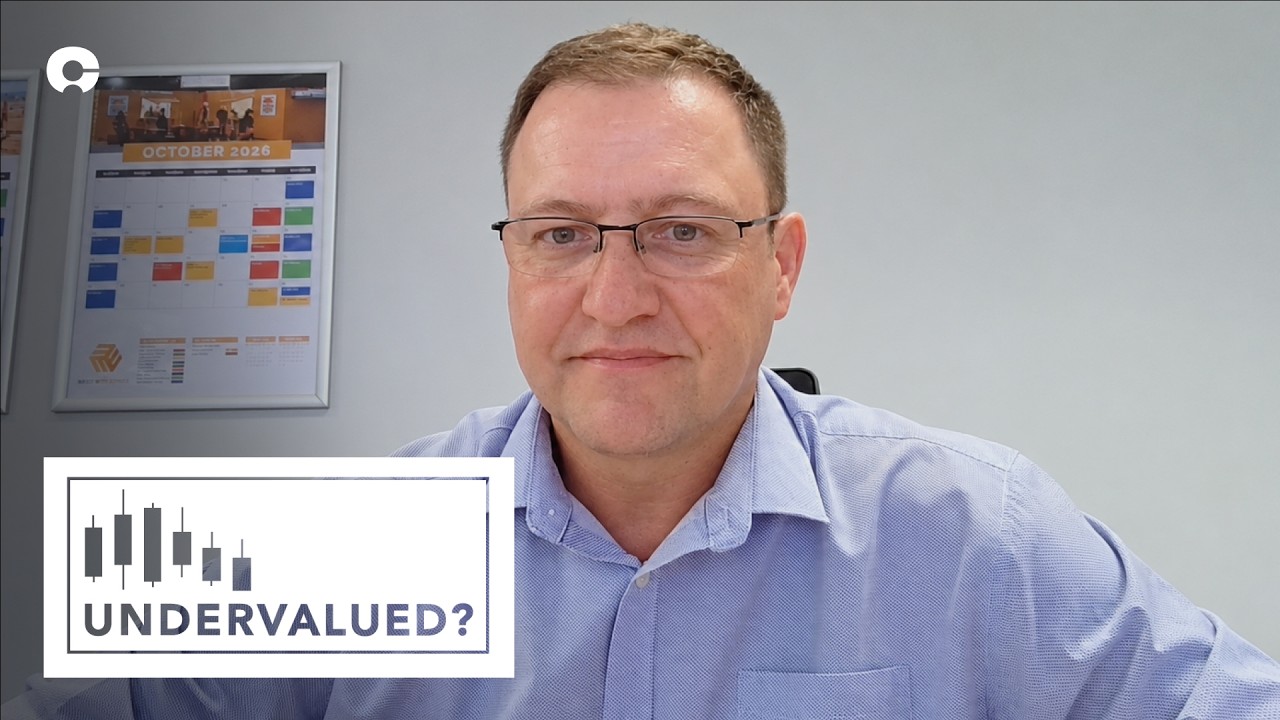
George Salamis, President and Chief Executive Officer of Integra Resourcese notes:
"For the first time in DeLamar's history as our project, the US federal government has put our project on a clock and it's a fast clock, far faster than certainly anybody expected."
Integra's Federal Permitting Schedule Represents a De-Risking Scenario
The formal publication of a Bureau of Land Management permitting schedule for DeLamar on January 12, 2026, represents a qualitative change in the project's risk profile. Where previous development scenarios relied on assumption-based timelines, Integra now operates within a government-endorsed framework with defined milestones and public accountability mechanisms.
What the BLM Schedule Changes for Investors
The formal Notice of Intent is targeted for the second quarter of 2026, initiating an anticipated 15-month NEPA review process that leads to an Environmental Impact Statement and Record of Decision in the third quarter of 2027. This contrasts sharply with the scenario-based permitting assumptions that characterized prior valuations, where investors were forced to model ranges of outcomes without regulatory confirmation.
The schedule's publication under the FAST-41 initiative introduces structural accountability that extends beyond typical federal processes. Quarterly reporting requirements mandate direct updates to Congress on project progress, creating transparency mechanisms that benefit shareholders seeking visibility into regulatory advancement.
George Salamis emphasizes the accountability framework governing the project:
"Now with this FAST-41 initiative we've got public accountability built into the project… and a government-endorsed timeline, and that should be great news for our shareholders."
From Permitting Optionality to a Defined Development Clock
The transition from permitting optionality to a defined development clock positions DeLamar among projects with defined development paths. Timeline certainty reduces legal ambiguity and enables more precise financial modeling, improving the accuracy of net present value calculations and supporting more efficient capital allocation decisions.
George Salamis underscores the capital planning implications:
"These clear timelines for us equate to better capital planning, and the reduced risk for us means lower cost of capital ultimately to finance and build this project."
DeLamar's Economics Strengthen the Permitting-Driven Re-Rating Case
Where permitting clarity reduces timeline risk, feasibility-level economics published in December 2025 provide downside protection and margin resilience across commodity price cycles.
Feasibility-Level Economics Provide Downside Protection
The DeLamar feasibility study establishes economic parameters that support development across a range of commodity price assumptions. At base case assumptions of $3,000 per ounce gold, the project generates an after-tax net present value of $774 million at a 5% discount rate and an internal rate of return of 46%. These metrics demonstrate project viability with substantial margin for commodity price variability.
All-in sustaining costs of $1,480 per ounce gold equivalent position DeLamar competitively within the cost curve, providing margin protection during periods of commodity price weakness. This cost discipline reflects the project's large-scale, conventional open pit oxide heap leach configuration, which offers operational simplicity and lower capital intensity relative to conventional milling operations.
Operating Leverage in a Higher-Price Gold & Silver Environment
While feasibility economics demonstrate viability at conservative assumptions, DeLamar's sensitivity to commodity price upside creates meaningful optionality for investors. At elevated gold and silver prices, the project generates substantial free cash flow, creating valuation torque that rewards equity holders as macro conditions improve.
Execution Capability: Permitting Advances in Parallel, Not Isolation
Permitting certainty alone does not guarantee successful project execution. The manner in which regulatory workstreams are managed determines whether published timelines translate into actual construction starts or become subject to delays from sequencing failures.
Concurrent Permitting Strategy Reduces Schedule Slippage Risk
Integra's approach advances state and federal permits alongside the NEPA process rather than sequentially. This concurrent strategy reduces the risk of schedule slippage that has plagued prior US mine builds where permitting sequencing created unanticipated delays.
Social License as a Permitting Force Multiplier
The Relationship Agreement with the Shoshone-Paiute Tribal Nation, more than five years in development, represents a proactive approach to stakeholder engagement that reduces litigation risk and supports permitting timelines. Future mitigation is expected to include development of a Programmatic Agreement with Tribal Nations to manage culturally sensitive areas.
George Salamis describes the philosophy underlying stakeholder engagement:
"If there's one lesson we learned, it's to engage early with your stakeholders and bring them to your side of the table and be as transparent as possible to your plan from a development and operating and remediation perspective."
Balance Sheet Strength & Internal Cash Flow Change the Developer Equation
The typical development-stage mining company faces a structural challenge: value creation occurs during the permitting and construction phases, but financing these phases requires equity issuance that dilutes shareholders before value can be realized. Integra's position differs meaningfully from this standard pattern.
Florida Canyon as a Strategic Self-Funding Engine
The Florida Canyon mine operates as a producing heap leach gold operation with 2025 production guidance of 70,000 to 75,000 ounces. This producing asset generates cash flow to support the advancement of DeLamar and Nevada North, reducing reliance on equity markets during the value-creation phase.
With a cash position of approximately $81 million, Integra maintains financial flexibility to advance permitting through critical milestones using internally generated resources. The contrast with peer developers dependent on continuous dilution is substantial.
Capital Structure & Strategic Shareholder Alignment
The shareholder base includes strategic investors Wheaton Precious Metals, Alamos Gold, and Beedie Capital, with approximately 40% held by institutions and high net worth investors. This alignment supports patient capital deployment during permitting while maintaining flexibility for construction financing as development decisions approach.
Scarcity Value: Why DeLamar Stands Out in the US Development Pipeline
Investable US gold-silver development projects have contracted meaningfully over the past decade. Permitting challenges, cost inflation, and resource depletion have reduced the number of assets that combine scale, metallurgical simplicity, and regulatory visibility.
Few Comparable Assets Exist in Established Jurisdictions
The limited number of US gold-silver projects with recent feasibility studies creates scarcity. Large-scale heap-leach oxide deposits are particularly rare, as most remaining development opportunities involve more complex sulphide metallurgy requiring conventional milling.
Optionality: Development or Consolidation
Permitting enhances visibility for potential transactions as acquirers prefer de-risked assets with defined timelines because they can model integration with greater confidence and reduce exposure to regulatory uncertainty.
The Investment Thesis for Integra Resources
- Permitting certainty has become a key valuation catalyst rather than a background process, with defined NEPA timelines separating investable assets from speculative development plays.
- Integra's published federal schedule materially compresses development risk and accelerates the re-rating window relative to peers navigating open-ended regulatory pathways.
- Feasibility economics including $774 million after-tax NPV, 46% IRR, and $1,480 per ounce AISC provide margin resilience that supports financing confidence across commodity price cycles.
- Internal cash flow from Florida Canyon and an $81 million cash position reduce dilution risk during the value-creation phase, preserving shareholder participation in development upside.
- Strategic shareholders including Wheaton Precious Metals, Alamos Gold, and Beedie Capital provide balance sheet stability and development optionality.
- Concurrent permitting strategies and proactive stakeholder engagement, including a longstanding Tribal relationship agreement, reduce execution risk and support timeline integrity.
Integra's federal permitting schedule for DeLamar represents more than procedural progress. It marks a meaningful change in the project's investment profile at a time when regulatory certainty commands premium valuations. In a sector where undefined timelines have suppressed valuations and delayed capital formation, the combination of a published NEPA schedule, strong feasibility economics, internal cash flow generation, and strategic shareholder alignment positions Integra at the intersection of de-risking and scarcity. For investors navigating an increasingly selective capital environment, that combination represents the foundation for re-evaluation as development milestones advance toward construction readiness.
TL;DR
Integra Resources has achieved a significant de-risking milestone by securing a formal federal permitting schedule for its DeLamar Heap Leach Project in Idaho. The Bureau of Land Management published the timeline on January 12, 2026, targeting a Record of Decision by Q3 2027 through the FAST-41 initiative.
The project's December 2025 feasibility study demonstrates robust economics: $774 million after-tax NPV, 46% IRR, and $1,480/oz AISC. Unlike typical developers facing dilution pressure, Integra benefits from internal cash flow generated by its producing Florida Canyon mine (70,000-75,000 oz annual guidance) and an $81 million cash position. Strategic backing from Wheaton Precious Metals, Alamos Gold, and Beedie Capital provides additional balance sheet stability.
FAQs (AI-Generated)
FAST-41 is a federal program that creates structured accountability for major infrastructure projects, including quarterly reporting requirements to Congress. For DeLamar, this provides a government-endorsed timeline with public transparency mechanisms, reducing regulatory uncertainty for investors.
The Bureau of Land Management's published schedule targets a Record of Decision in Q3 2027, following a Notice of Intent in Q2 2026 and an anticipated 15-month NEPA review process.
Florida Canyon is a producing heap leach gold mine generating cash flow (70,000-75,000 oz annual production) that funds DeLamar's advancement internally, reducing reliance on dilutive equity raises typical of development-stage companies.
The December 2025 feasibility study established an after-tax NPV of $774 million (5% discount rate), 46% IRR, and all-in sustaining costs of $1,480 per gold-equivalent ounce at $3,000/oz gold.
Wheaton Precious Metals, Alamos Gold, and Beedie Capital hold strategic positions, with approximately 40% of shares held by institutions and high-net-worth investors, providing patient capital during the permitting phase.
Analyst's Notes





Subscribe to Our Channel



Stay Informed






















