
Growing Uranium Demand Put 33% Additional 2030 Mine Capacity Within Reach


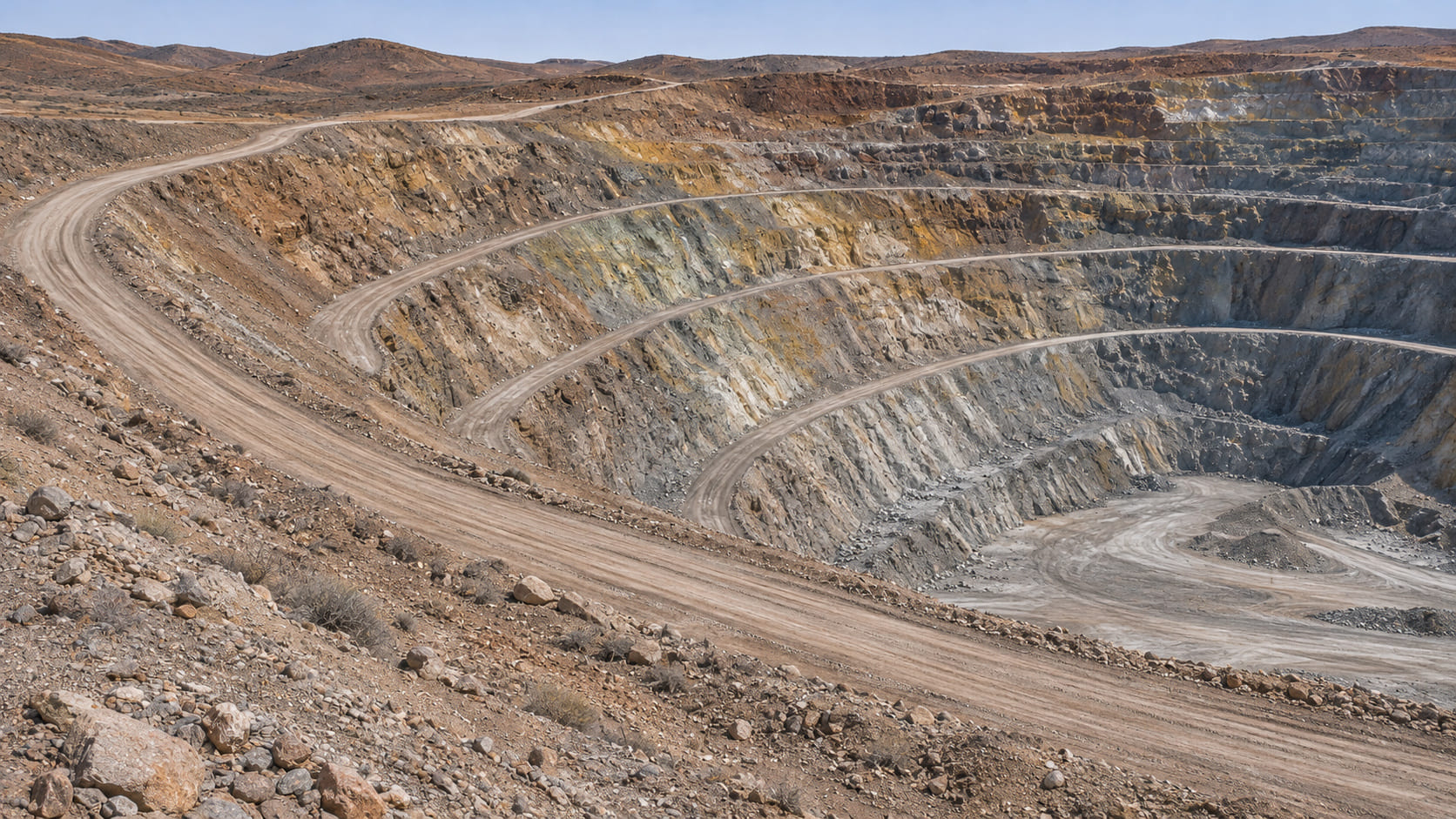
Declining capacity at existing mines puts permitting, processing infrastructure, and reliable production at the center of uranium's long-term outlook.
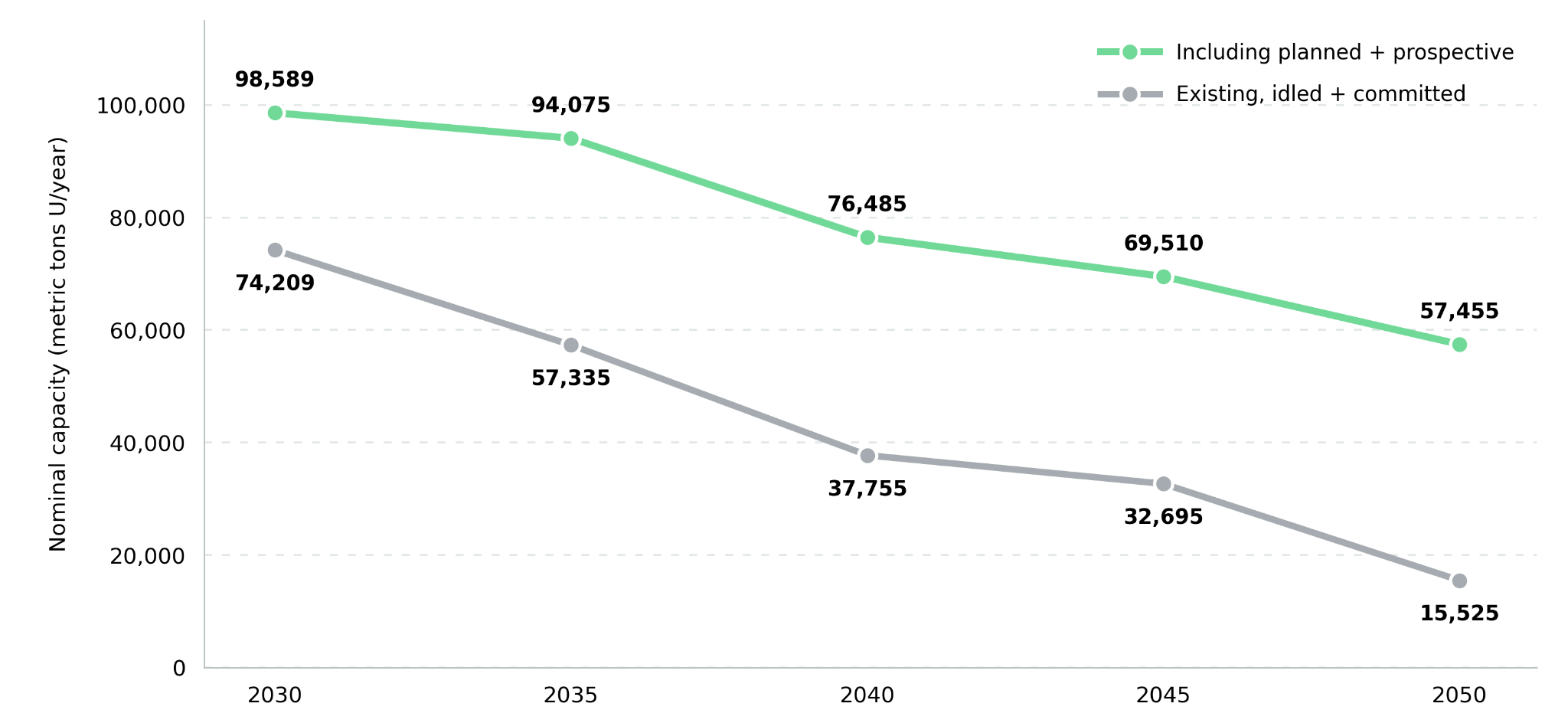
- The Nuclear Energy Agency (NEA) and International Atomic Energy Agency (IAEA), in their September 2026 Red Book, estimate nominal annual uranium mine capacity of 74,209 metric tons in 2030 from existing, idled, and committed production centers.
- Including planned and prospective mines raises modeled 2030 uranium mine capacity to 98,589 metric tons annually, 33% above the baseline scenario.
- Global reactor-related uranium requirements are projected to range from 84,800 to 143,900 metric tons annually by 2050, supporting investment in additional mine capacity.
- US uranium oxide concentrate production increased from 657,000 pounds in 2024 to 2.1 million pounds in 2025, reaching its highest annual level since 2017.
- By 2035, modeled capacity from existing, idled, and committed uranium mines falls to 57,335 metric tons annually, increasing reliance on planned and prospective projects.
Nuclear Fleet Expansion Raises Long-Term Uranium Requirements
The Red Book recorded reactor-related uranium requirements of approximately 64,500 metric tons in 2024. By 2050, annual requirements are projected to reach 84,800 metric tons under the low-growth scenario and 143,900 metric tons under the high-growth scenario, reinforcing the need for additional uranium mine capacity.
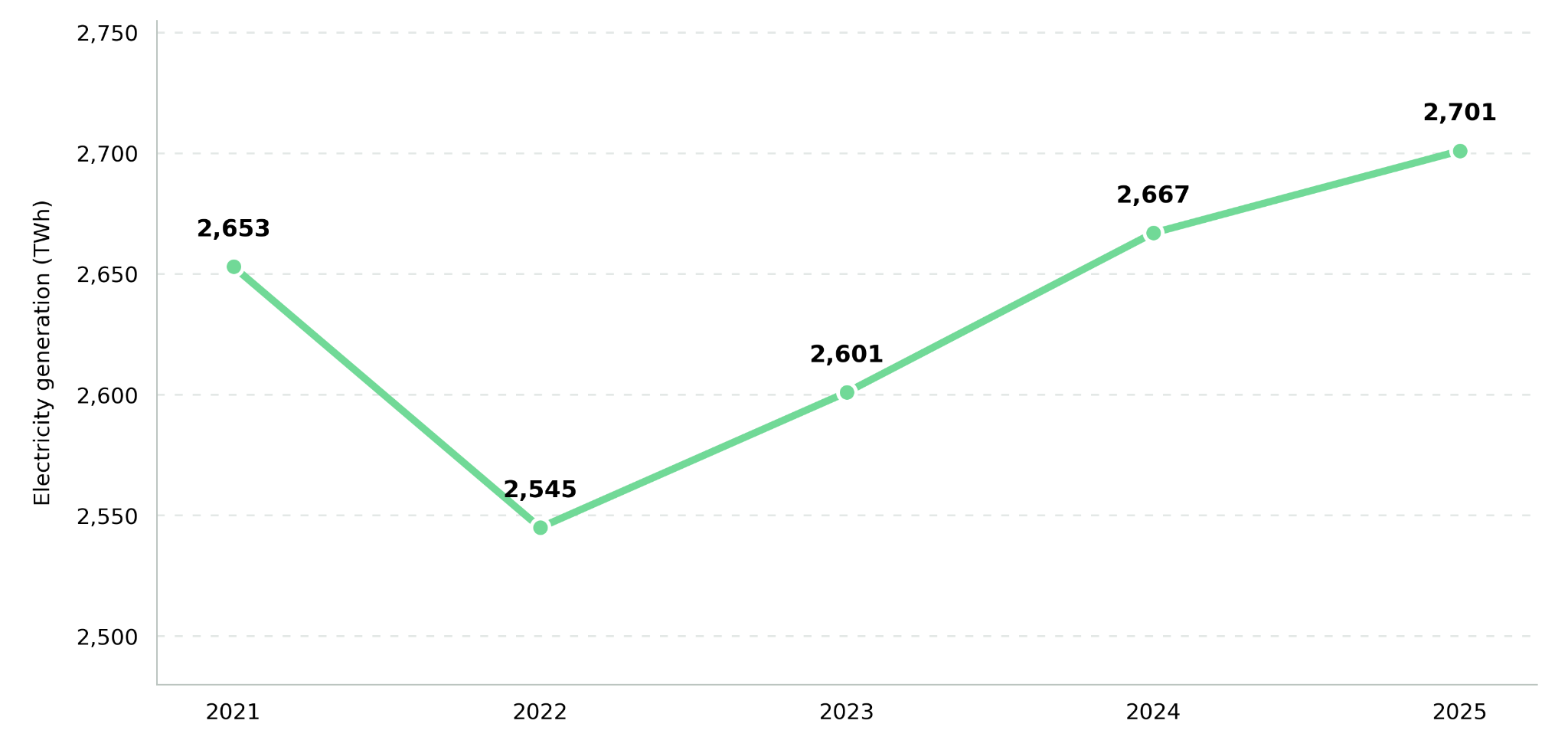
The World Nuclear Association (WNA) reported record nuclear electricity generation of 2,701 terawatt-hours in 2025, up 35 terawatt-hours from 2024. Its October 2026 outlook also recorded an increase in nuclear generating capacity under construction from 76 to 88 gigawatts of electricity since the previous edition, indicating that new reactors could increase future uranium requirements.
Planned Mines Add 33% to Modeled 2030 Uranium Capacity
The Red Book estimates 74,209 metric tons of nominal annual uranium mine capacity in 2030 from existing, idled, and committed production centers. Including planned and prospective centers raises modeled capacity to 98,589 metric tons annually, an additional 24,380 metric tons, or approximately 33%, above the baseline.
The report also identifies 72,695 metric tons of nominal annual capacity across planned and prospective uranium projects in 17 countries, highlighting the geographic reach of the industry's future mine development pipeline.
Rising Exploration Investment Expands Long-Term Uranium Supply Options
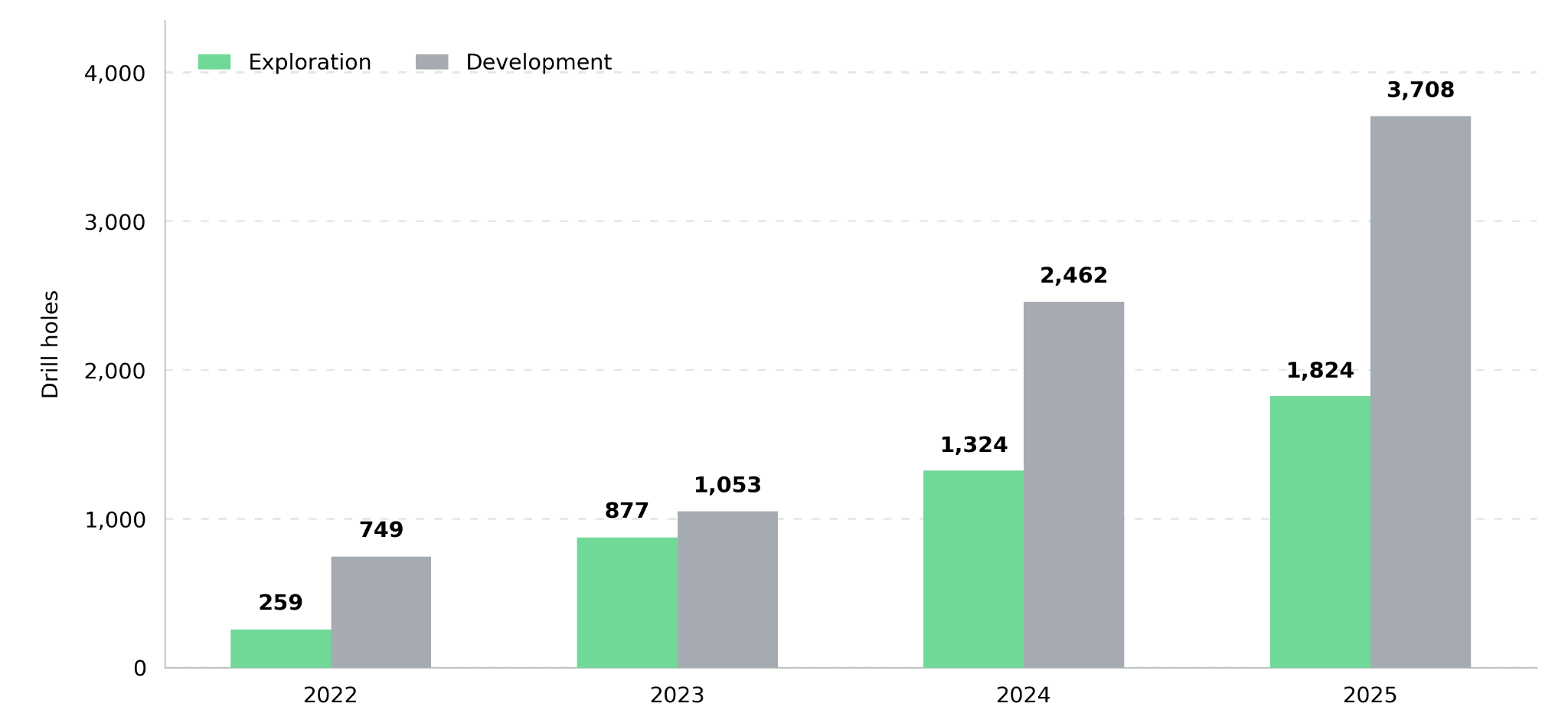
The US Energy Information Administration (EIA) recorded 1,824 uranium exploration drill holes in 2025, up from 1,324 in 2024. In Canada, preliminary uranium exploration and mine-development spending increased to approximately US$411 million from US$371 million. This increased activity highlights the importance of drilling programs that establish mineralization continuity and advance uranium discoveries toward resource definition.
ATHA Energy reported uranium mineralization along a 3.4-kilometer corridor connecting the RIB North and RIB East areas at its Angilak project in Nunavut. With drilling spaced 150 to 300 meters apart, the results provide greater confidence in mineralization continuity and support further resource delineation, strengthening the project's potential contribution to longer-term uranium supply.
Troy Boisjoli, Chief Executive Officer of ATHA Energy, explains why scalable uranium assets matter for supply:
"I think it's clear to me what the market is looking for, and this is what the industry needs. It is large, scalable assets that can become a meaningful component to help solve what is nearly an existential supply deficit going into the 2030 decade."
Resource Testing Supports New Uranium Mine Investment Decisions
Uranium development drilling in the US increased to 3,708 holes in 2025 from 2,462 in 2024, according to the EIA. The Red Book identifies 35,545 metric tons of nominal annual capacity in planned projects and another 37,150 metric tons in prospective projects. Advancing these projects toward production requires reliable resource estimates and metallurgical recovery results to establish their technical and economic feasibility.
Atomic Eagle reported uranium recoveries of 81% to 86% in metallurgical tests at Muntanga East in Zambia, supporting heap-leach processing at its broader Muntanga project, which contains a 58.8-million-pound uranium oxide mineral resource. In Niger, the company is advancing the Madaouela project, which holds a separately reported 116.5-million-pound foreign resource estimate, with resource conversion and a scoping study targeted for the first quarter of 2027. These developments strengthen the technical basis for evaluating both projects' potential contribution to future uranium mine supply.
Planned Canadian Projects Lift Modeled 2030 Mine Capacity
Canada's modeled annual uranium mine capacity for 2030 increases from 14,190 metric tons from existing, idled, and committed production centers to 28,920 metric tons when planned and prospective mines are included. This expansion highlights the importance of high-grade resource definition and technical studies in supporting additional uranium production capacity.
IsoEnergy reported high-grade uranium drilling results from its Larocque East project in Saskatchewan, identifying mineralization approximately 500 meters east of the Hurricane deposit. Hurricane contains an indicated resource of 48.6 million pounds of uranium oxide at 34.5%, while the latest drilling returned 4.17% over 2.0 meters, including 15.4% over 0.5 meters. The eastern discovery adds another high-grade area for technical evaluation, broadening the scope of future mine development studies.
Mine Restarts Lift Uranium Output Through Existing Infrastructure
Global uranium mine production increased from 61,924 metric tons in 2024 to an estimated 66,000 metric tons in 2025. Previously idled mines that restarted or entered committed restart programs accounted for approximately 9,400 metric tons of nominal annual capacity. In the US, uranium oxide concentrate production climbed to 2.1 million pounds in 2025 from 657,000 pounds in 2024, its highest level since 2017.
enCore Energy is advancing three South Texas uranium production areas toward final approvals, positioning its operations for renewed extraction growth into 2027. At Upper Spring Creek, the satellite ion exchange plant and first wellfield are complete, with final production-area authorization targeted by November 13, 2026, and disposal-well approval also pending. Two additional production areas at Alta Mesa remain on schedule for permitting by late 2026 and early 2027, respectively.
William Sheriff, Executive Chairman of enCore Energy, highlights the limits on near-term US uranium expansion:
"The real key here is there aren't very many producers in the US. There's unlikely to be very many new ones in the next two or three years, and in terms of significant ramp-ups we're certainly limited."
In-situ leaching accounted for 57.7% of global uranium mine production in 2025, up from 55.2% in 2024. Its growing share highlights the role of wellfield expansion and existing processing infrastructure in increasing uranium output without relying solely on new mining facilities.
Declining Mine Capacity Raises Need for Reliable Uranium Supply
Global uranium production has historically ranged from 75% to 90% of nominal mine capacity, with the Red Book using an 85% utilization rate in its supply-demand modeling. In 2024, mine production was equivalent to approximately 96% of global reactor requirements, with inventories and other secondary sources accounting for the remaining 4%.
By 2035, nominal annual uranium mine capacity from existing, idled, and committed production centers declines to 57,335 metric tons, compared with 94,075 metric tons when planned and prospective mines are included. This difference highlights the growing importance of additional projects in replacing declining capacity at established operations, particularly as longer reactor operating lives could maintain uranium demand.
The Red Book identifies approximately 8.1 million metric tons of recoverable uranium resources as of January 2025, sufficient under its scenarios to support projected nuclear requirements through 2050. Converting these resources into dependable uranium supply requires sustained investment in mine development, permitting, and processing infrastructure, placing production readiness at the center of the industry's long-term investment case.
The Investment Thesis for Uranium
- Producers with established processing facilities can expand uranium output through additional extraction areas, using existing infrastructure to reduce new construction requirements.
- Developers with defined uranium resources, favorable metallurgical recoveries, and credible financing plans are better positioned to advance projects toward commercial production.
- Explorers can strengthen the longer-term uranium resource pipeline by demonstrating mineralization continuity and advancing discoveries toward reliable resource estimates.
- Jurisdictional quality influences uranium project costs and development schedules through permitting requirements, regulatory stability, and access to processing infrastructure.
- Capital discipline supports long-term financial resilience by prioritizing technically viable projects, manageable development spending, and sustainable production across uranium price cycles.
Growing nuclear fuel requirements are strengthening the long-term investment case for uranium mine expansion. The industry's substantial resource base, advancing projects, and established production infrastructure provide multiple opportunities to increase supply as nuclear generation expands. The strongest long-term value lies in converting these resources and investments into reliable production capacity, positioning the uranium sector to support sustained growth in nuclear energy.
TL;DR
Rising nuclear generation is increasing long-term uranium requirements, with the Red Book projecting annual reactor demand of 84,800 to 143,900 metric tons by 2050. Including planned and prospective projects, modeled 2030 uranium mine capacity from 74,209 to 98,589 metric tons annually, although actual production depends on operating performance and project execution. By 2035, capacity from existing, idled, and committed mines is projected to decline, increasing the importance of additional projects. Higher drilling activity, metallurgical testing, mine restarts, and processing infrastructure investment offer opportunities to expand supply, while permitting, financing, and reliable production remain central to the long-term investment case.
FAQs (AI-Generated)
Analyst's Notes





Subscribe to Our Channel









Stay Informed