




Koryx Copper's Large-Scale Project in Namibia Advancing Toward Investment Decision, PFS by Year-End 2026


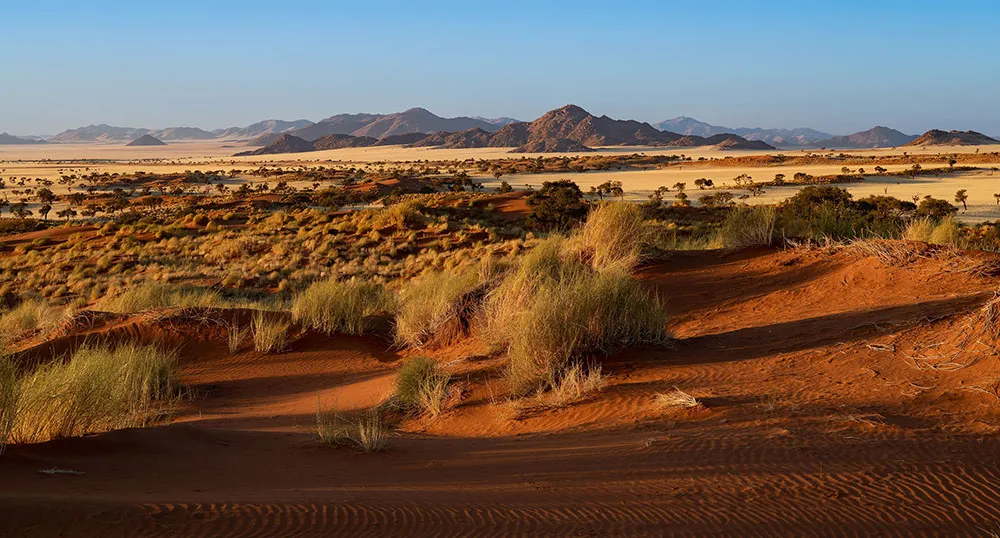
Koryx Copper is advancing a large Namibian copper project toward a PFS, backed by $100M+ raised and institutional interest, targeting 100,000t/year copper production.
- Koryx Copper is advancing the Haib copper project in Namibia under management with major experience taking Namibian exploration-stage companies through active construction and to successful exis.
- The company inherited a technically mismanaged asset and discarded the prior PEA based on heap bioleaching, instead reverting to conventional milling and flotation, and published a 2025 PEA modelling just under 100,000 tonnes of copper production per year at a conservative $4.30 per pound copper price and approximately $1.5 billion in capital costs.
- Koryx has raised over $100 million since assuming management control, including a $51 million placement attracting institutional investors and strategic capital from Middle Eastern and Chinese financial groups, progressing from a $10 million market capitalisation in under two years.
- A Pre-Feasibility Study is targeted for completion by end of 2026, which management expects will maintain or improve the project's scope and economics given executive track record-backed claim from prior transactions held up through to construction.
- Management's long-term strategy is to advance the Haib project to an investment decision as a standalone operator, at which point a joint venture or strategic partnership with a major mining company or financial institution is viewed as the most likely and logical path to construction given the project's up to $2 billion capital requirement.
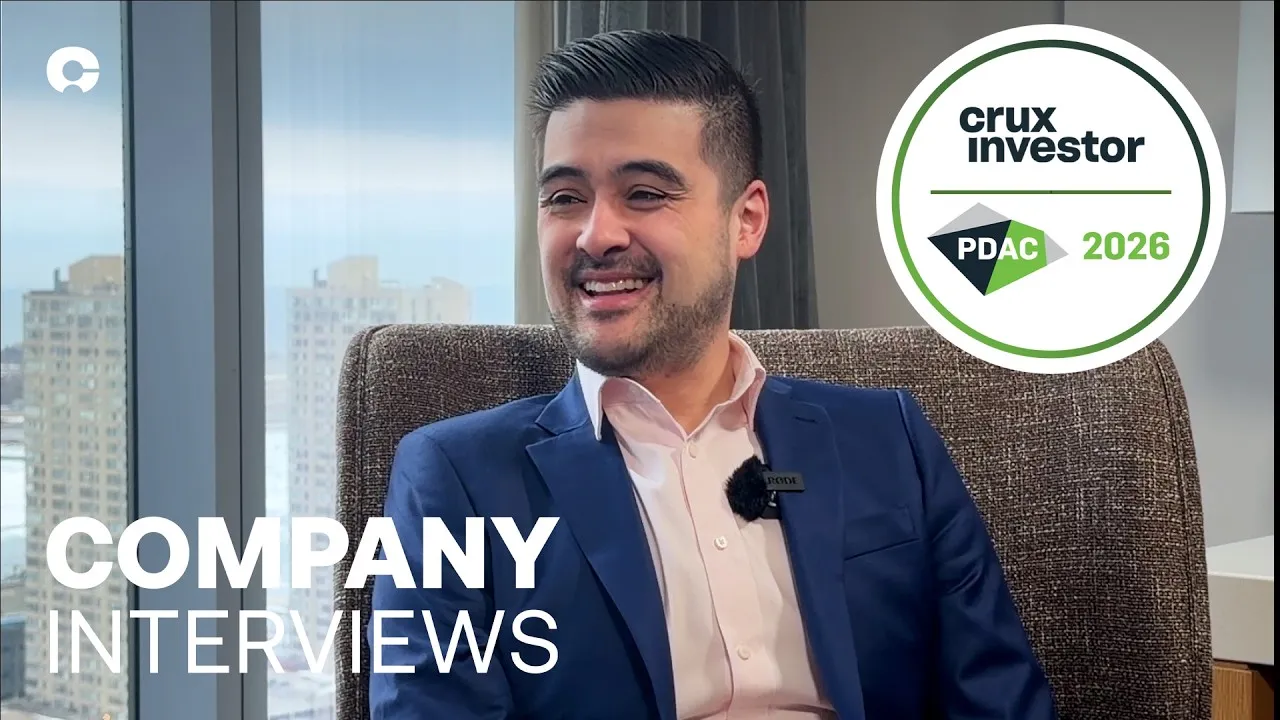
Koryx Copper Inc. is a junior mining company focused on advancing the Haib copper project in Namibia, one of southern Africa's politically stable and mining-friendly jurisdictions. The company is led by Heye Daun, a Namibian mining engineer and dealmaker who has twice built exploration-stage companies in Namibia through to successful exits. Speaking in Toronto for PDAC 2026, Daun provided a substantive update on where Koryx stands, what the company is working to deliver, and how management is thinking about the path to project construction.
A Project Rescued
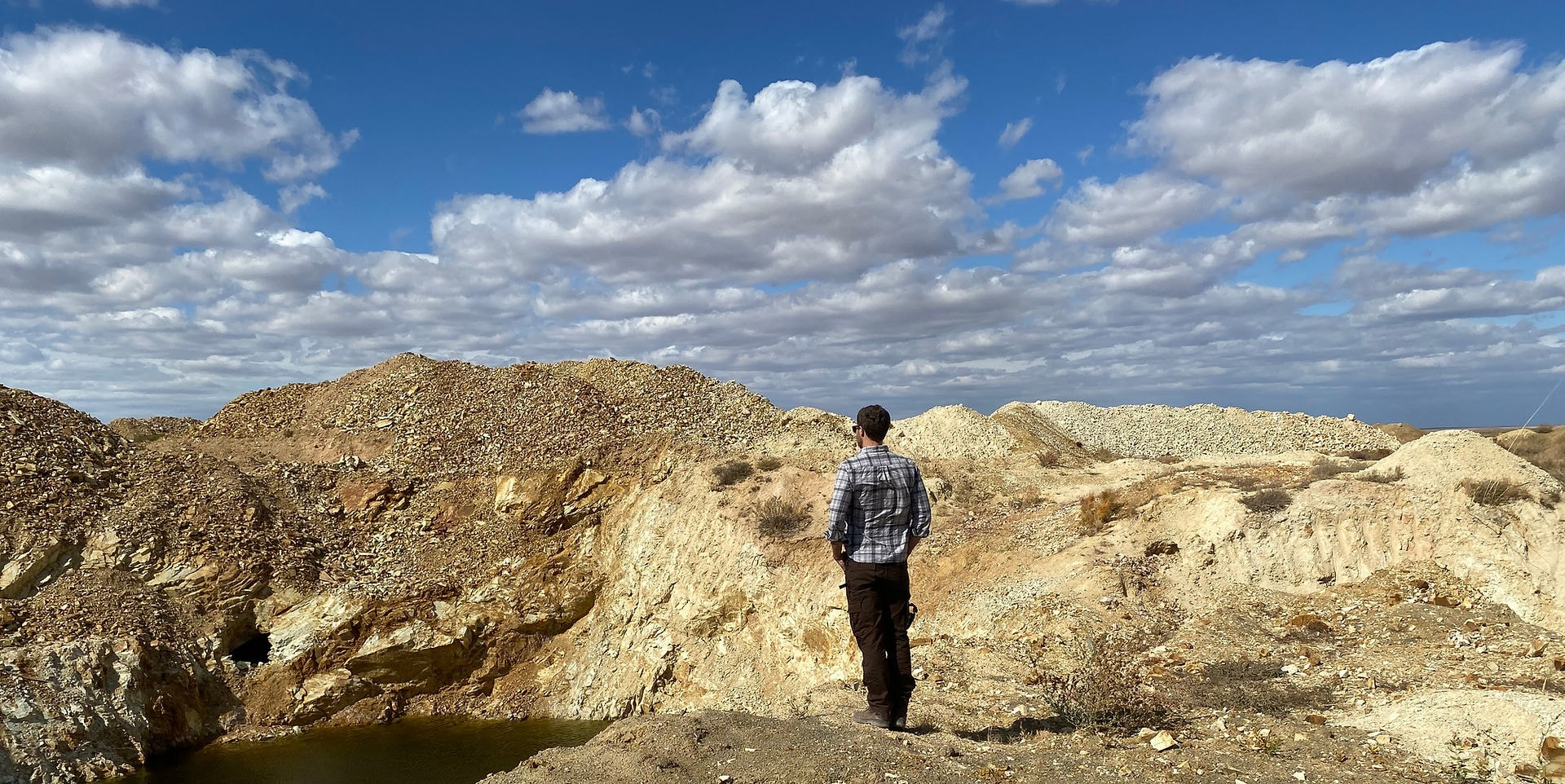
The Haib project has a long exploration history: Rio Tinto drilled it in the 1970s but passed, copper prices at the time being too low to justify development of a sulfide-only, low-grade deposit, the project changed hands multiple times before landing with Deep South Resources which proposed heap-leach bio-oxidation, a method that works in laboratory and leach-tank settings but has not been proven at commercial heap-leach scale for sulfide material. This decision, combined with the licensing problems, eroded the company's credibility with the market.
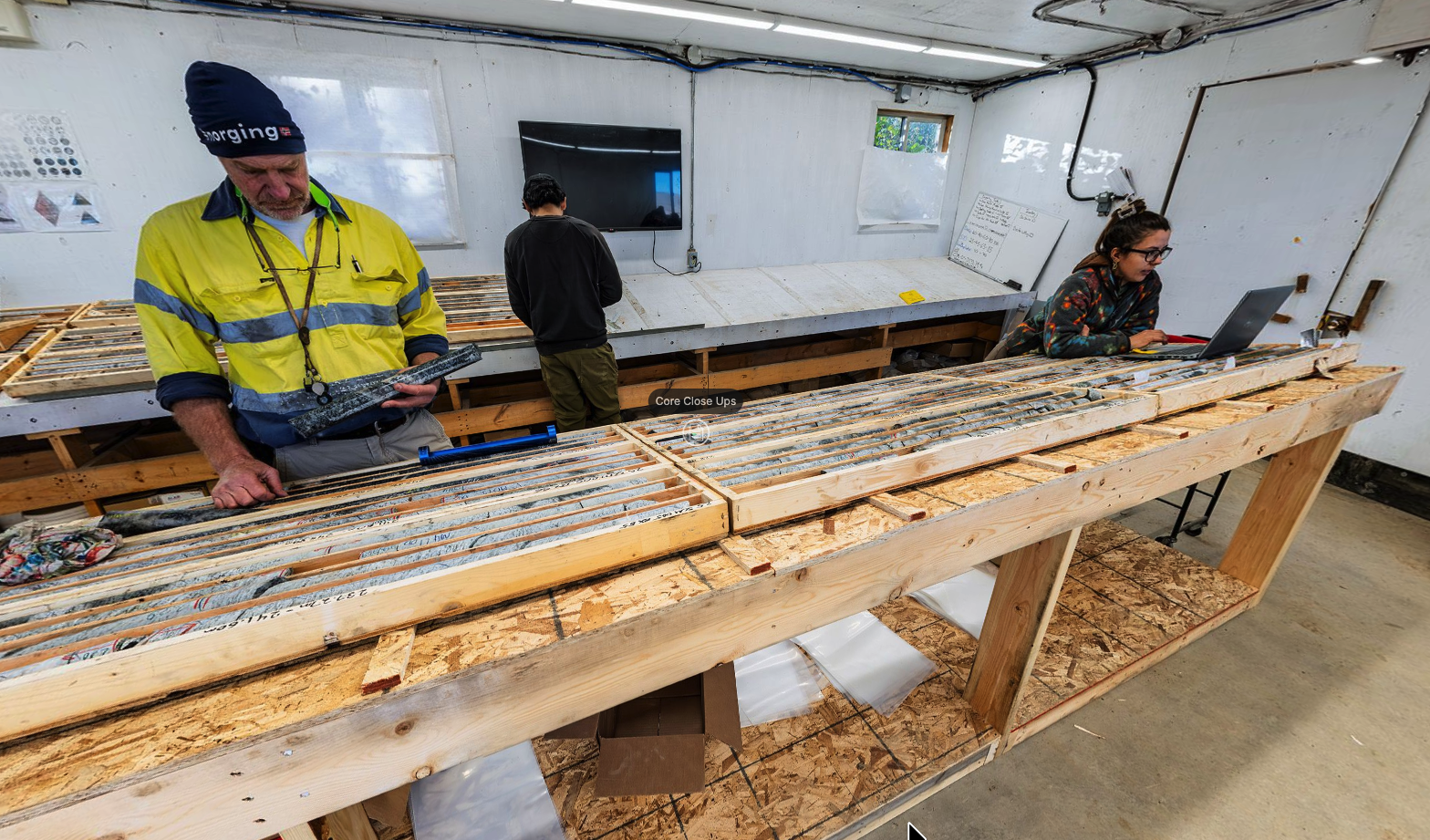
When Daun and his team assumed management control, they reverted to conventional milling and flotation as the established processing route for sulfide copper deposits. The switch was not merely a technical correction. It also repositioned the economics of the project in a credible way, allowing the company to publish a PEA with a capital estimate and production profile large enough to attract institutional attention.
Haib 2025 PEA: A Credibility Benchmark
The Preliminary Economic Assessment (PEA) modelled the project at a copper price of $4.30 per pound and projected a capital cost of approximately $1.5 billion and production of just under 100,000 tonnes of copper per year, with Daun describing the cost profile as sitting in the middle of the global cost curve. Management emphasised that the assumptions underpinning the study were deliberately conservative and realistic, which they view as important given that PEAs in the junior mining sector are frequently criticised for overstatement.
"Our PEAs are credible documents," Daun said. "What backs that up is that in all the projects I've been involved in, the step from PEA to PFS, the scope of the project generally stays the same or gets a little bit better."
Pre-Feasibility Study by Year-End 2026
The PFS is the next major technical milestone for Koryx as Daun indicated it is expected to be completed by the end of 2026. The study will tighten estimates, provide more detailed engineering inputs, and produce a more bankable document for potential financing and strategic partners. Management believes the project scope will remain stable or improve, consistent with the pattern from prior work.
Alongside the PFS process, Koryx is also working to expand its mineral resource. Daun noted a new, larger resource estimate is expected to be published in the near term, and the company is adding exploration ground around the Haib project to test brownfield targets. The production target of 100,000 tonnes per year is a threshold Daun specifically referenced as strategically important for attracting major mining company attention.
Interview with Heye Daun, President & CEO of Koryx Copper Inc.
Namibia, a Stable Operating Environment
Koryx operates entirely within Namibia, and Daun was direct in addressing common investor concerns about African jurisdiction risk. Namibia has hosted operations from Rio Tinto, AngloGold Ashanti, and several large Chinese mining groups. The country's currency weakness relative to major currencies provides a structural cost advantage: Daun noted that drilling costs in Namibia are approximately half those in West Africa.
Daun acknowledged the competition for skilled labour and administrative bandwidth but this is framed as manageable and ultimately positive for national infrastructure development: ports, power, and water projects associated with oil development will benefit the broader mining sector over time. Namibia is also constructing desalination capacity to address chronic water scarcity, relevant for a project that will require significant water in its processing circuit.
Financing: Institutional Capital and Strategic Interest
Koryx has raised over $100 million since Daun's team assumed control, progressing from a $10 million market capitalisation two years ago. Early rounds were supported in part by the reputation carried over from the Osino transaction. Daun looks back on the company's growth:
"When we started off two years ago, we were a nothing company, $10 million market cap, and we raised small rounds of $5-10 million. That was very helpful. But since then, we're becoming more institutionalized. So, we've just done a $50 million raise and that was big institutional money. We had some real strategic money that came in."
The company attracted institutional investors alongside strategic participants, including a large Middle Eastern and Chinese financial group. The company's stated position is that it has sufficient capital to advance to an investment decision without requiring additional strategic partners in the near term. Beyond that point, however, Daun was candid that a project of this scale - with a likely $1.5 to $2 billion capital requirement - is too large for a junior to build independently.
Path to Construction: JV or Strategic Partnership
Koryx's role is to advance the project to the point where a major mining company or financial partner can step in to fund and construct it. A joint venture, acquisition, or another structure are all possibilities, and Daun states it is dependent in part on where the company's share price trades at the time an investment decision is reached.
Daun was measured on the question of Chinese involvement, neither ruling it out nor treating it as the only option. He noted that major offtakers including Chinese groups are already in dialogue about the Haib project's clean concentrate output. A clean copper concentrate is commercially attractive because it avoids the smelting penalties associated with contaminated material.
The Investment Thesis for Koryx Copper
- Experienced management with a track record: Heye Daun has completed two prior transactions in Namibia through to sale or construction, both delivering material returns. The team is repeating the same strategy at larger scale.
- Large-scale project with confirmed economics: The Haib project is modelled at just under 100,000 tonnes of copper per year at $1.5 billion capex. The PEA was conducted at a copper price well below current spot, providing a buffer on the economic assumptions.
- Conservative study assumptions reduce re-rating risk: The company explicitly positions its studies as reliable rather than promotional, reducing the risk of downward revisions at the PFS stage which is a common value destructor in junior mining.
- PFS expected end-2026: Successful delivery of a credible PFS would be a material de-risking event and a likely catalyst for further institutional interest and re-rating.
- Namibia jurisdiction advantage: Low operating costs, a stable regulatory environment, and an established mining industry reduce execution risk relative to many peer African jurisdictions.
- Strategic copper demand: The scale of the project and the quality of the concentrate position it directly in the sights of major mining companies and offtakers looking to secure long-term copper supply. Copper's role in electrification and energy transition infrastructure creates structural demand tailwinds.
- Actionable consideration: Investors should monitor the mineral resource update and PFS delivery timeline. A growing resource alongside a credible PFS would represent the strongest near-term basis for position-building. Given the stated strategy of advancing to an investment decision for a potential major partner transaction, the key risk is execution on the technical programme and timeline.
The Copper Supply Deficit and The Case for Large-Scale Development
From EV batteries and charging infrastructure to grid upgrades, wind turbines, and solar installations, The International Energy Agency and major mining houses have repeatedly flagged that current mine development pipelines are insufficient to meet projected demand growth over the next two decades. The copper supply gap is not a speculative concern; it is a mathematical consequence of years of underinvestment in new mine development during a period of low prices, combined with accelerating demand from the energy transition.
At the same time, the average grade of producing copper mines is declining globally. New discoveries are increasingly lower-grade, deeper, and more technically complex than the deposits that defined the industry in the twentieth century. This structural shift means that large-scale, lower-grade projects which are historically passed over in favour of higher-grade alternatives are now entering the economic frontier, particularly when situated in low-cost operating environments.
Namibia fits this context precisely. Its cost structure, infrastructure, and political stability make it one of the more credible jurisdictions for developing a capital-intensive project that would require patient, long-cycle investment. The Haib project's scale approaching 100,000 tonnes per year of copper places it in a category that is of direct interest to the world's largest mining companies and sovereign-backed investors looking for meaningful exposure to long-duration copper supply.
As Daun summarised the broader opportunity:
"This project will be a GDP needle mover in Namibia, it's very strategic for the country, and introducing the right capital and technical skills to make sure it gets built is key."
The strategic interest from Chinese financial and industrial groups in Koryx is not incidental. China processes the majority of the world's copper and is highly motivated to secure offtake from projects outside its own national borders. Western governments are similarly focused on supply chain security for critical minerals, which creates a potential second tier of strategic interest from non-Chinese capital.
TL;DR
Koryx Copper is developing the Haib copper project in Namibia which is a large, low-grade sulfide deposit that was previously mismanaged and has been comprehensively repositioned under CEO Heye Daun's leadership. The company has raised over $100 million, published a conservative PEA modelling just under 100,000 tonnes of annual copper production at $1.5 billion capex, and is targeting a Pre-Feasibility Study by end of 2025. Management's strategy is to advance the project to an investment decision and bring in a major strategic or financial partner to fund construction. Daun has done this twice before in Namibia both transactions resulted in mines being built. The macro backdrop, characterised by a structural copper supply deficit and accelerating electrification demand, provides strong external support for the investment case. The key near-term catalysts are a new, expanded mineral resource estimate and delivery of the PFS.
Frequently Asked Questions (FAQs) AI-Generated
The Haib project is a large, low-grade copper sulfide deposit located in Namibia. Rio Tinto drilled it in the 1970s but did not develop it due to low copper prices at the time. The project is now being advanced by Koryx Copper under a conventional milling and flotation process, which management considers the only credible and bankable processing route for this style of mineralisation. Its significance lies in its scale: the current PEA models just under 100,000 tonnes of copper production per year, placing it in a category of project that attracts attention from major global mining companies and offtakers.
Deep South Resources, the prior operator, proposed bio-heap-leach processing for the Haib deposit — a method that, while theoretically applicable to sulfide material, has not been demonstrated to work reliably at commercial heap-leach scale. The company also experienced licensing problems that further damaged its credibility. Koryx assumed management control, reinstated conventional processing, resolved the licensing issues, brought in a technical team, conducted extensive drilling, and published a PEA built on conservative and professionally reviewed assumptions.
A PFS is a significantly more detailed and engineering-rigorous document than a PEA. It tightens cost estimates, validates processing assumptions with more comprehensive metallurgical test work, and produces the kind of bankable study that major mining companies and project finance lenders require before engaging seriously on a transaction. For junior developers, the step from PEA to PFS is also where less credible studies tend to deteriorate — resources shrink, costs rise, and economics weaken. The fact that management explicitly expects the Haib PFS to hold or improve on the PEA is a substantive claim that investors can assess when the study is released.
Management has been direct: a project of this capital scale is not appropriate for a junior mining company to build independently. The stated strategy is to advance Haib to an investment decision using the company's own resources and existing capital, at which point a joint venture, acquisition, or strategic partnership with a major mining company or financial institution is the anticipated path. The form that takes — and the valuation at which it occurs — will depend on market conditions and the company's share price at that time. Strategic interest from Chinese industrial and financial groups, as well as major copper offtakers, is already active.
The primary risk is execution: the PFS must be delivered on time and must hold up to scrutiny. A material deterioration in the economics between the PEA and PFS would be a significant negative signal. Secondary risks include copper price volatility — though the PEA's conservative price assumption provides meaningful downside buffer — and the challenges associated with developing a capital-intensive project in an emerging market context, even one as stable as Namibia. Labour and contractor availability, while currently manageable, is tightening modestly due to activity in Namibia's uranium and oil sectors. Investors should also be aware that the timeline to construction is long, and the return profile is weighted toward the back end of the development cycle.
Analyst's Notes





Subscribe to Our Channel


%20(1).png)





Stay Informed


