




Lifezone Metals' Kabanga Infrastructure Readiness Before FID: 8 Things You Need to Know


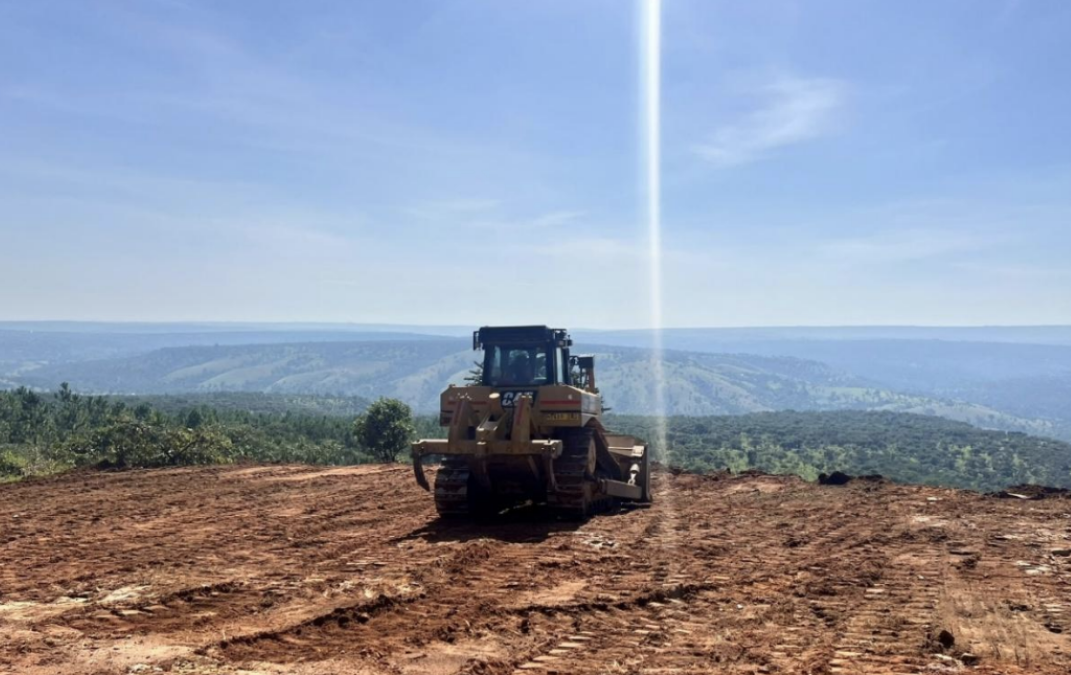
Kabanga Nickel's readiness before FID: power, roads, water, geotechnical, permit, and resettlement status at Lifezone Metals' Tanzania nickel project.
Where Kabanga's Enabling Works Stood at June 30, 2026
Lifezone Metals (NYSE: LZM) is working toward a final investment decision (FID) on the Kabanga Nickel Project in Tanzania, which the company describes as one of the world's largest, highest-grade, development-ready nickel sulfide deposits. Before construction can start, the project needs grid power, road access, a groundwater supply, characterized ground, permits, and settled resettlement arrangements. Each status below is as reported in Lifezone's first-half 2026 results, published on July 29, 2026, and covers the period to June 30, 2026.
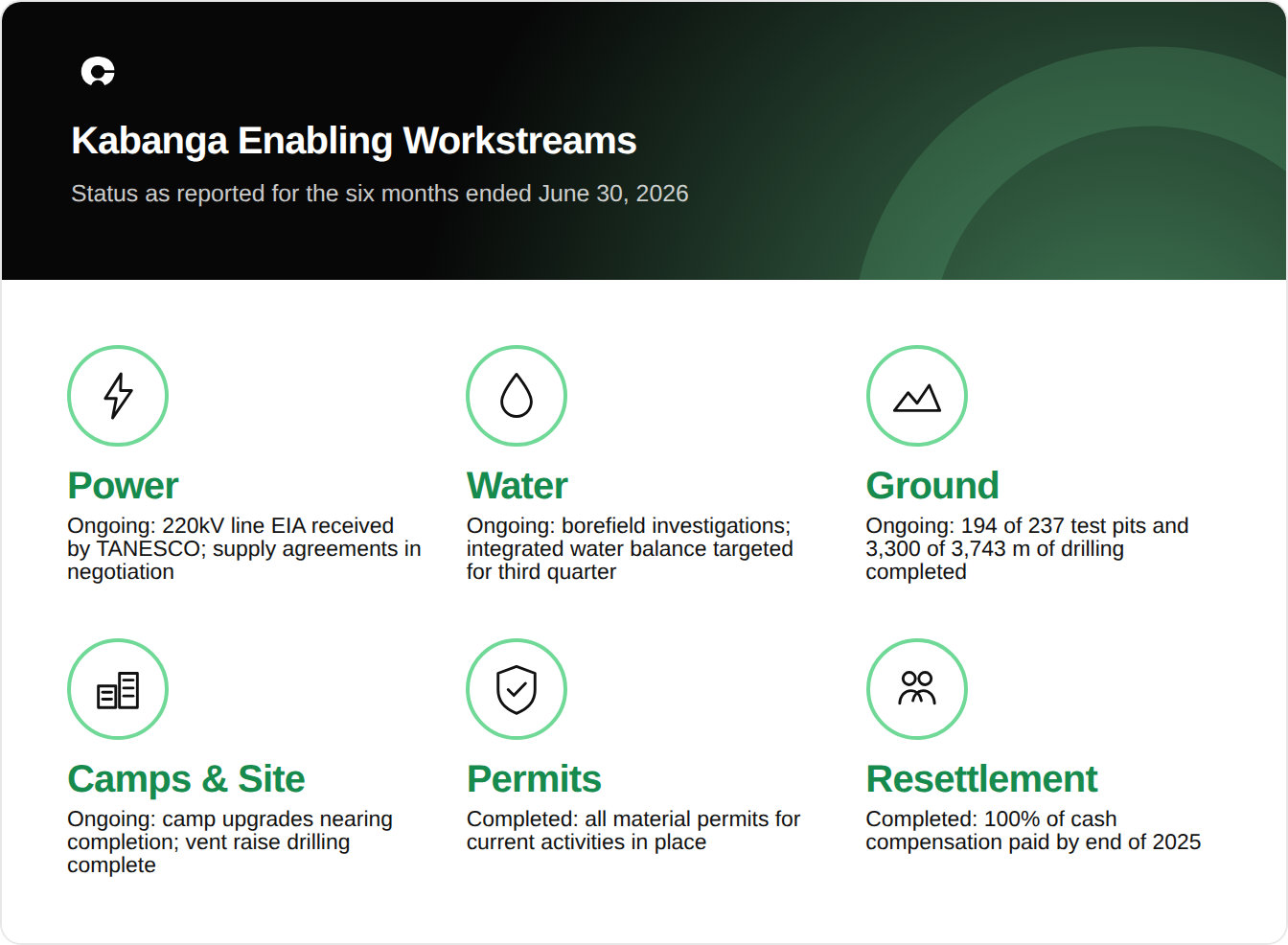
At that date, material permits for current activities and resettlement cash compensation were complete. Power, water, ground preparation, and camp upgrades were still in progress, and amending the Framework Agreement with the Tanzanian government remained the step governing the FID timeline.
1. Kabanga's Power Route Is Permitted, but Supply Terms Were Still Under Negotiation
LiDAR and topographical surveys for the power line route are complete, and the utility TANESCO has received the environmental impact assessment (EIA) for construction of the 220kV transmission line. Lifezone is also upgrading the line's environmental and social impact assessment to international standards.
The commercial side was opened on June 30, 2026. Engagement with TANESCO continued on the transmission line, substations, and execution approach, and negotiations on the Implementation Agreement and Power Supply Agreements were ongoing. The route and its environmental approval are in place; the terms under which Kabanga receives grid power had not yet been agreed at the cutoff date.
2. Southern Access Road Hydrology & Design Updates Are Complete
Hydrology assessments and design updates for the Southern Access Road are complete. Engagement with TANROADS and local authorities on road access and supporting infrastructure was continuing as of June 30, 2026.
3. Kabanga's Groundwater Supply Is Still Being Defined
Borefield investigations continued in the first half of 2026 to identify alternative groundwater sources. Water balance alignment workshops have been completed, and the final integrated water balance was targeted for late 2026.
Tailings storage facility investigations also advanced through field testing and geotechnical site investigations. As of June 30, 2026, Kabanga's water supply position remained at the investigation stage.
4. The Geotechnical Program Is Close to Completion
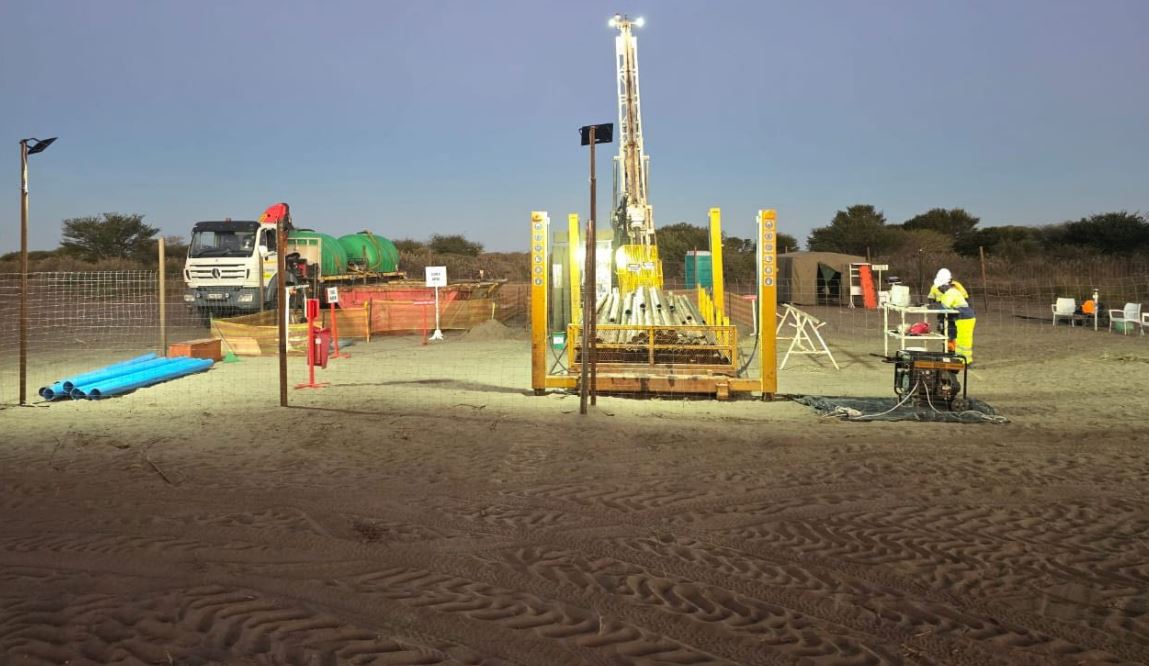
Geotechnical works reached 194 of 237 test pits and 3,300 of 3,743 meters of drilling, and vent raise drilling is complete across the project footprint. LiDAR and topographical surveys to support detailed design and early works planning are also complete.
Lifezone adopted interim geotechnical reporting so that North Boxcut and waste rock dump design could advance ahead of final reporting. That approach lets mine design proceed while the remaining test pits and drilling are finished.
Upgrades to the existing camps were nearing completion to support workforce ramp-up for resettlement, host site construction, and broader construction readiness. The project had 209 employees and contractors directly engaged at the end of June 2026 and reported more than 2.9 million hours worked without a lost-time injury.
5. Permits for Current Activities Are in Place, With the Biodiversity Action Plan Pending
Beyond the Special Mining License, all material permits needed for current activities are in place. Permits obtained across the first half of 2026 include the Chemical Registration Certificate, the Landfill Permit, NEMC approval of the Kabanga environmental and social management plan update, the Sewage Treatment Plan Permit and the EIA for the 220kV transmission line.
Lifezone reported progress on all permits required for early works and ahead of construction, with the Biodiversity Action Plan well advanced and additional biodiversity studies nearing completion. Those approvals define the regulatory path into construction.
6. Resettlement Cash Compensation Has Been Paid in Full
Lifezone made 100% of cash compensation payments under the Resettlement Action Plan by the end of 2025. Of project-affected households, 97% have signed their compensation agreements and received the funds, and the remainder was deposited into an escrow account for the remaining households.
Work in the first half of 2026 shifted to engagement and planning. 2 model houses were converted into Community Liaison Offices, a project-wide community awareness program commenced, and the updated stakeholder engagement plan, vulnerable peoples plan, and external grievance redress mechanism procedure were finalized, alongside resettlement site land planning enhancements.
7. The Framework Agreement Amendment Sets Kabanga's FID Timeline
Negotiations to amend the Framework Agreement continued with senior members of the Tanzanian government, including a meeting with President Samia Suluhu Hassan on June 9, 2026, attended by Lifezone Chairman Keith Liddell, TNCL Chief Executive Officer Benedict Busunzu, Minister of Minerals Anthony Peter Mavunde, and Tanzanian Treasury Registrar Nehemiah Mchechu. Lifezone reported that the negotiations progressed more slowly than expected, and that the delays affected the FID timeline and will have knock-on effects on pre-FID activities and execution timelines.
Lifezone targeted FID during the first quarter of 2027. The company said the date could move earlier with concerted efforts, or later depending on the lender's assessment of the amended agreement. Lender due diligence materials are well advanced, and the final structuring phase with project finance pathfinders is set to launch after the amendment discussions conclude.
8. Downstream Beneficiation Follows the Mine
In-country beneficiation of Kabanga's flotation concentrate is at study stage. The product marketing study is complete, and scoping for a techno-economic trade-off study has begun.
Chief Executive Officer of Lifezone Metals, Chris Showalter, described the downstream path as a sequence that starts with the mine:
"When I talk about the sequence of mine, concentrator and then further downstream, we've got to demonstrate a partnership model on step number one and then build on that over time."
Catalysts to Watch
On infrastructure, the next markers are signing the Implementation Agreement and Power Supply Agreements with TANESCO for the 220kV transmission line, and finalizing the integrated water balance, targeted for late 2026. On site, Lifezone still needs to complete the remaining geotechnical test pits and drilling, followed by final geotechnical reporting, while the Biodiversity Action Plan and the permits required for early works and construction remain to be completed.
The financing path depends on the conclusion of the Framework Agreement amendment, after which the lenders' final structuring phase will begin. Lifezone targeted a FID for the first quarter of 2027.
Bottom Line
Kabanga's enabling layer was partly complete. Permits for current activities and resettlement cash compensation were completed, along with the updates to the Southern Access Road hydrology and design. Power supply terms, the groundwater source, and the final geotechnical work were still open, and the Framework Agreement amendment governed when lenders could move to final structuring and FID.
Analyst's Notes





Subscribe to Our Channel







Stay Informed


