Made In America | Three Projects. Three US States. One Federal Policy Tailwind. Myriad Uranium's Moment Has Arrived


Myriad Uranium holds a 655M lb potential US uranium project in Wyoming, with drilling imminent, grades exceeding historical estimates, and strong domestic policy tailwinds.
- Myriad Uranium Corp holds the Copper Mountain project in central Wyoming, a large-scale conventional uranium asset backed by approximately $125 million in historical exploration investment.
- Phase One drilling at the Canning Deposit returned laboratory assay grades 50–60% higher than historical gamma probe estimates suggesting the project's true scale may be materially greater than the historical 27-million-pound resource figure indicates.
- December 2025 district-wide airborne magnetic and radiometric survey identified significant uranium signatures across a largely undrilled eastern zone, opening a new exploration frontier that lies entirely beyond the boundaries of Union Pacific's original drilling programme.
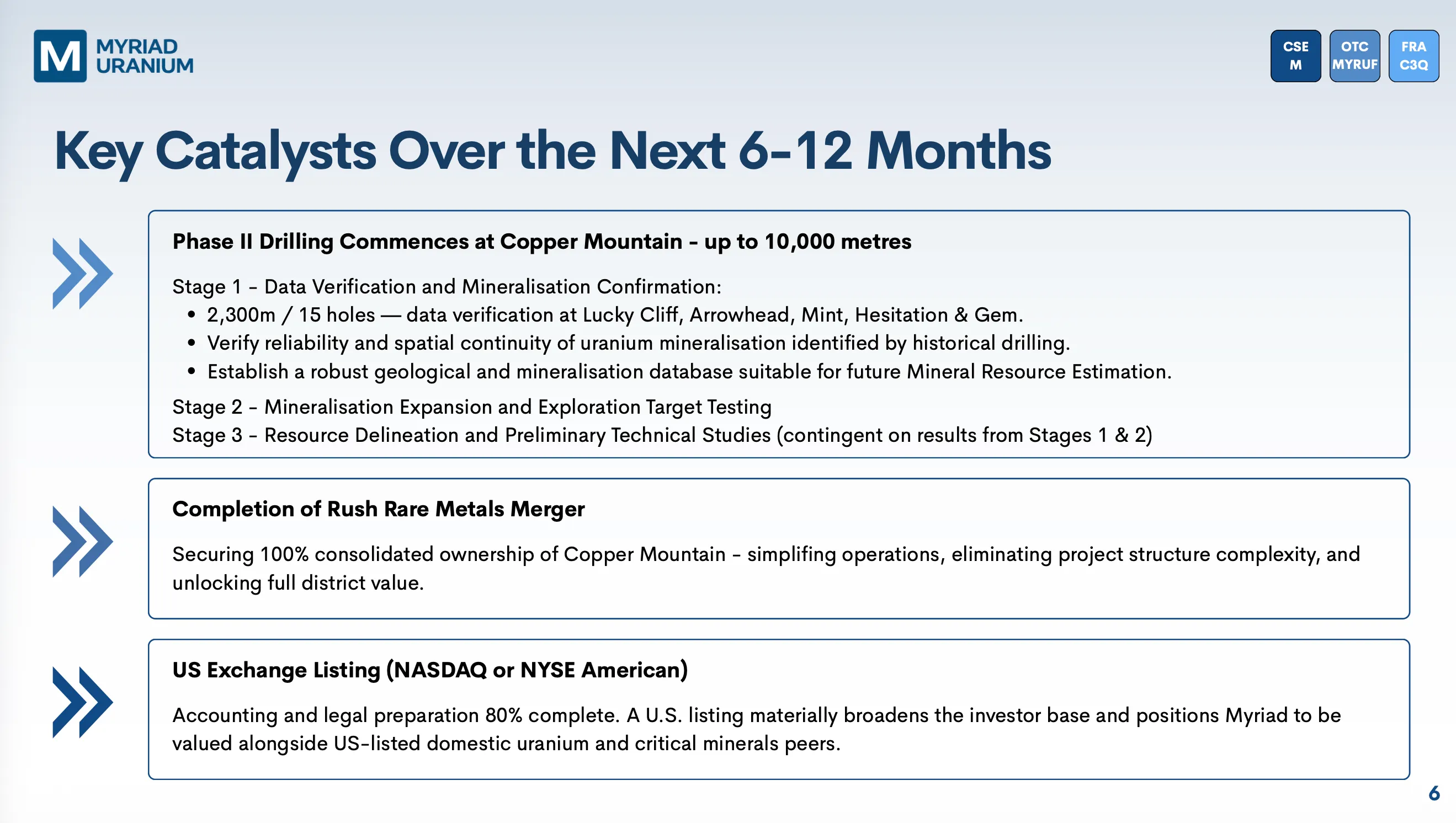
- Phase Two drilling is imminent across all seven historical deposits and new geophysical targets, with the company holding approximately $12–13 million in cash to fund the programme without near-term dilutive financing pressure.
- Myriad's three projects are located entirely within the United States (in Wyoming, New Mexico, and Arizona) positions the company directly within an accelerating federal policy framework that designates domestic mineral production as a national security priority and supports floor pricing mechanisms for domestically produced uranium.
The United States consumes approximately 50 million pounds of uranium per year and produces roughly one million. The gap, long papered over by imports from Kazakhstan, Russia, and Canada, has become a focal point of US energy security policy. With the federal government formally designating domestic mineral production as a national security priority, and with the executive branch actively supporting US-based energy projects through permitting reform and potential floor pricing mechanisms, the investment case for American uranium developers has strengthened materially.
Against this backdrop, Myriad Uranium Corp (CSE:M) presents a compelling proposition. The company holds three projects within the United States anchored by the Copper Mountain uranium project in central Wyoming, a large-scale conventional uranium asset that was within two years of commencing production before the Three Mile Island accident halted the US uranium sector in 1979. Decades later, with the geopolitical and policy environment having shifted decisively in favour of domestic supply, Myriad is advancing toward the drilling programme that management believes could transform a historically significant land position into one of the most strategically important uranium assets in the country.
Wyoming: The Right State at the Right Time
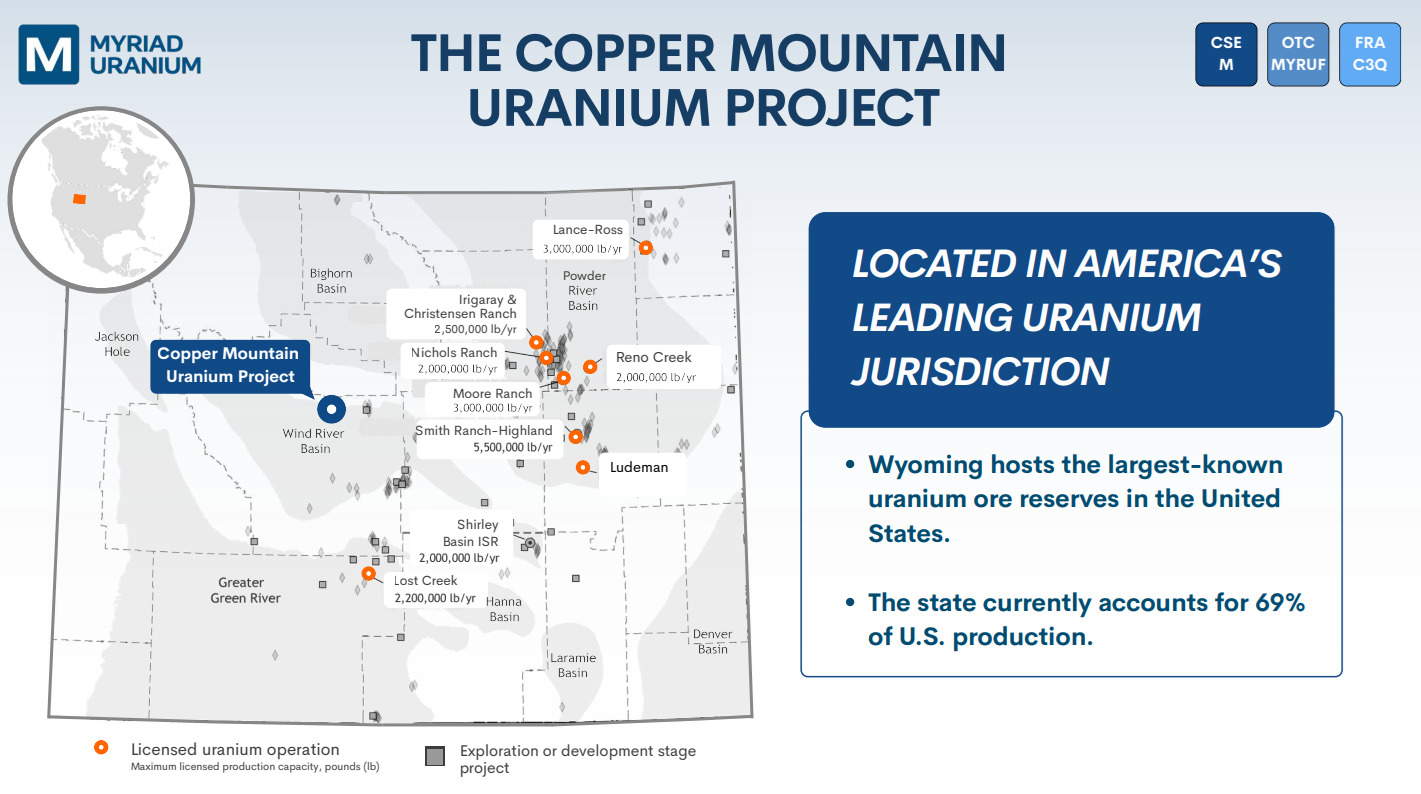
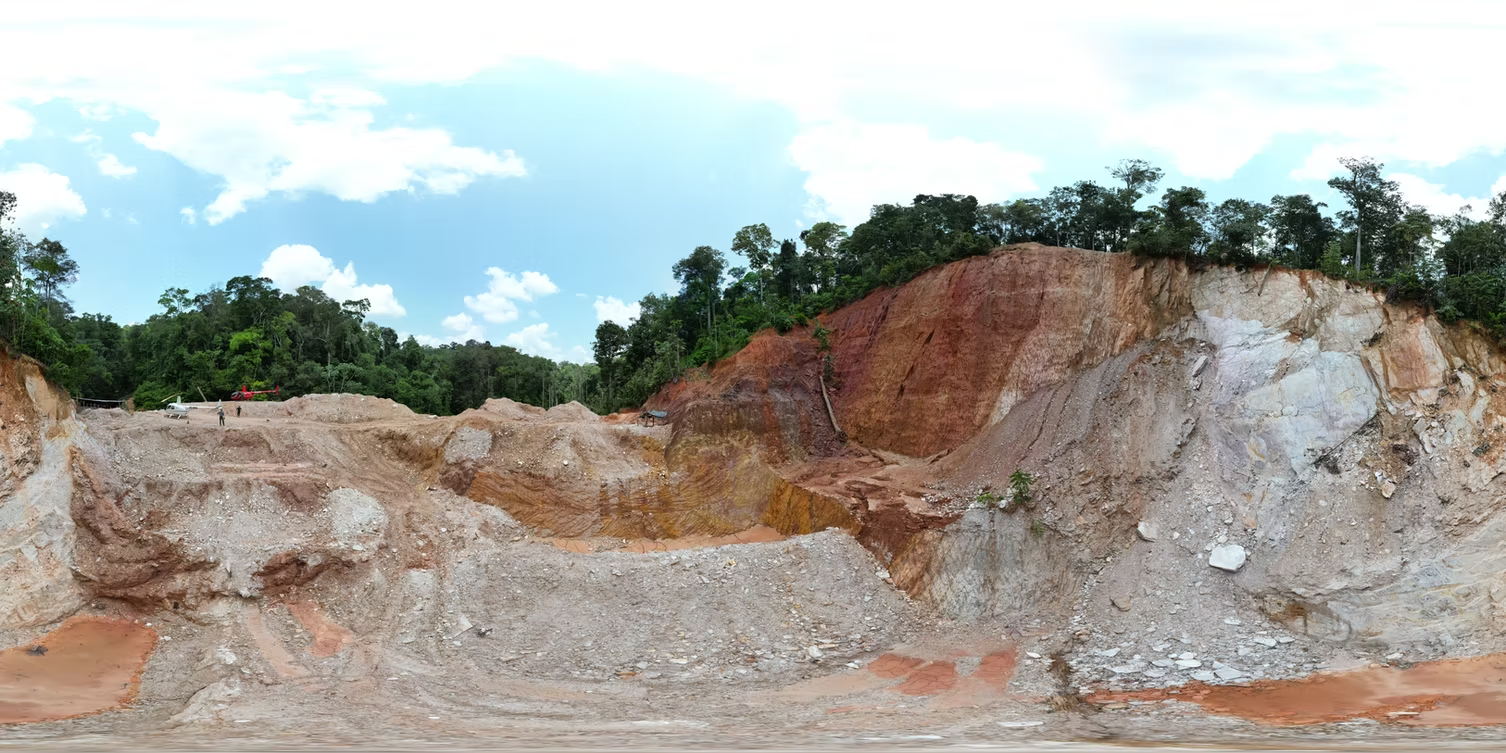
Wyoming is not merely a convenient address for Myriad. It is the dominant uranium-producing state in the US, accounting for approximately 69% of domestic output, and it maintains a regulatory framework that is explicitly supportive of uranium development. Myriad already holds a permitted and bonded 222-hole plan of operations at Copper Mountain, a non-trivial achievement that reflects both the quality of the project and the efficiency of working within Wyoming's established permitting culture.
Phase Two drilling is confirmed to begin in the near term, and the company has approximately $12-13 million in cash to fund it which is notably strong liquidity position for a junior at this stage of development.
New Mexico and Arizona, where Myriad holds its two secondary assets, are also established uranium jurisdictions, adding breadth to a portfolio that is entirely insulated from the geopolitical and logistical risks affecting offshore uranium development.
Copper Mountain: Scale, History, and Modern Validation
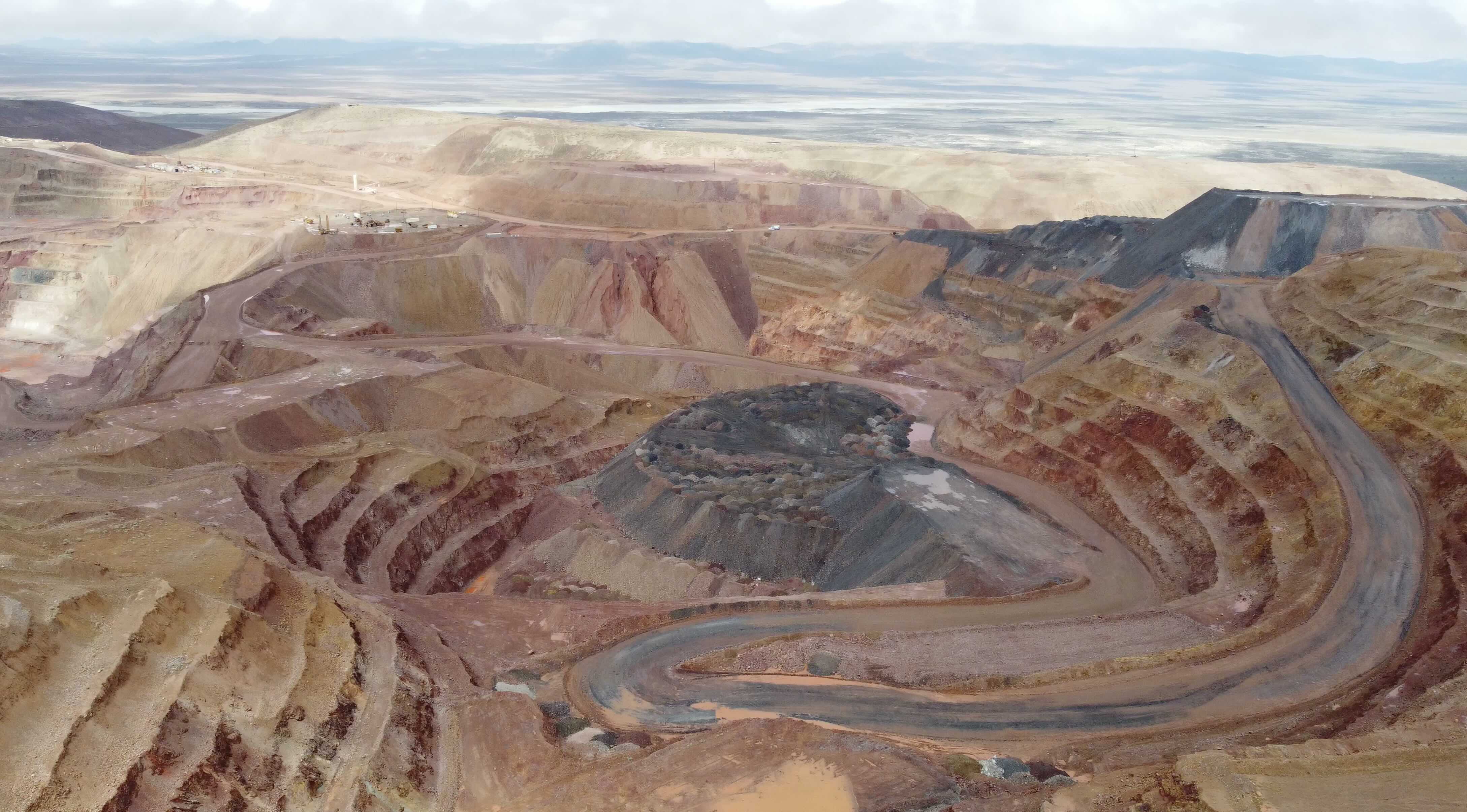
The Copper Mountain uranium project carries a depth of institutional backing that is unusual for a junior mining company. Union Pacific Railway, partnered with Southern California Edison, invested the equivalent of approximately $125 million in today's dollars in exploration across the property during the 1970s, drilling 2,000 holes, identifying seven deposits, and planning a large-scale conventional mine that was intended to feed a fleet of nuclear reactors in California. That programme defined a historical resource of 27 million pounds extending to 600 feet depth across six of the seven identified deposits.
In 1982, the US Department of Energy commissioned Bendix Engineering to assess the broader project area. Bendix, drawing on existing drill data, geochemistry, and geophysics, estimated that the project district contained a uranium endowment of up to 655 million pounds. While it is not a current NI 43-101 compliant resource estimate and is still characterised as an exploration target, but it is an independent government-commissioned study and provides the geological basis for understanding why Myriad's technical team regards the project as one of potentially significant national scale.
George Van Der Walt, Myriad's chief geologist, explained the significance of the Bendix work in clear terms:
"The first part was background work to establish the basis for an exploration target. They took a lot of the drilling already done by Union Pacific, did some of their own drilling, looked at geophysics, looked at geochemistry and that is how they came to the conclusion that within the control area there was around 245 million pounds potential, which they verified by comparing with existing known deposits that had already been drilled out. And then they expanded that to the larger area which which they estimated contain could contain the up to 655 million pounds"
The radiometric and magnetic survey conducted by Myriad in December 2025 has added a new dimension with identified strong uranium signature across an eastern zone of the project area that lies largely beyond the historical drilling programme. All seven known deposits, along with the fifteen or more identified prospects, sit to the west of a north-south structural corridor.
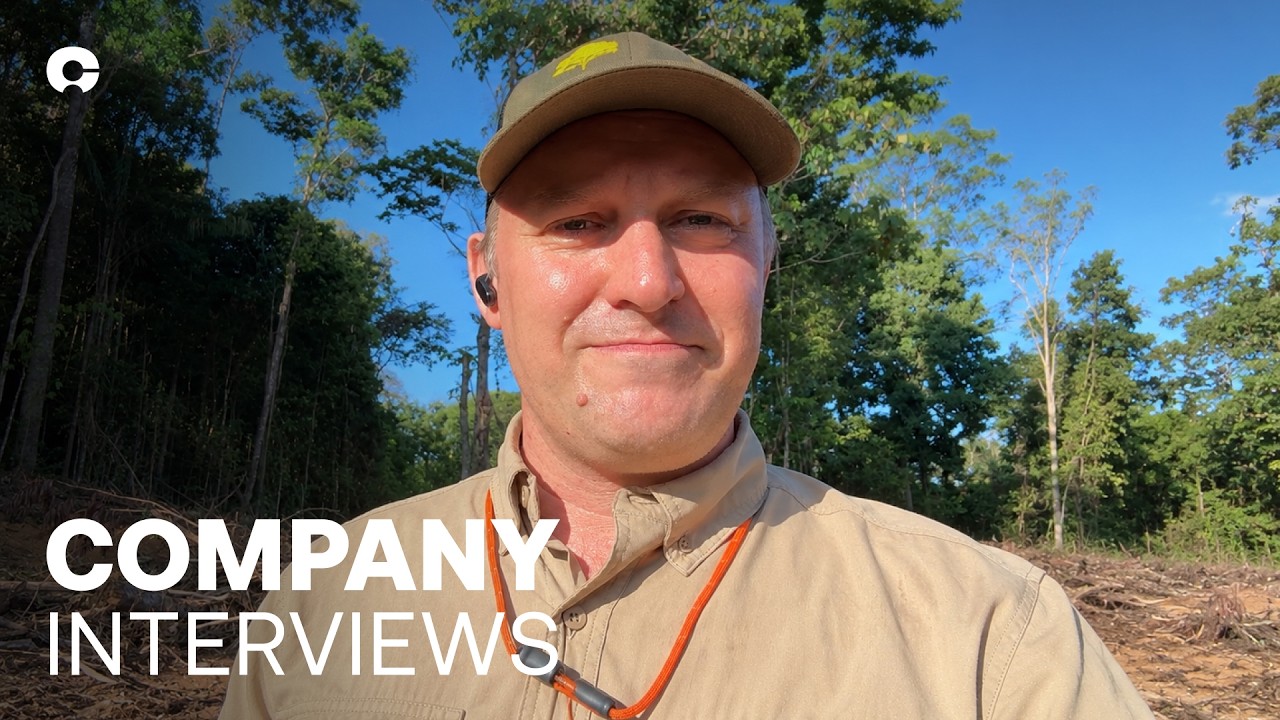
Interview with Thomas Lamb, CEO, and George Van Der Walt, Senior Geologist, of Myriad Uranium Corp.
Grades Results Higher Than Historical Estimates
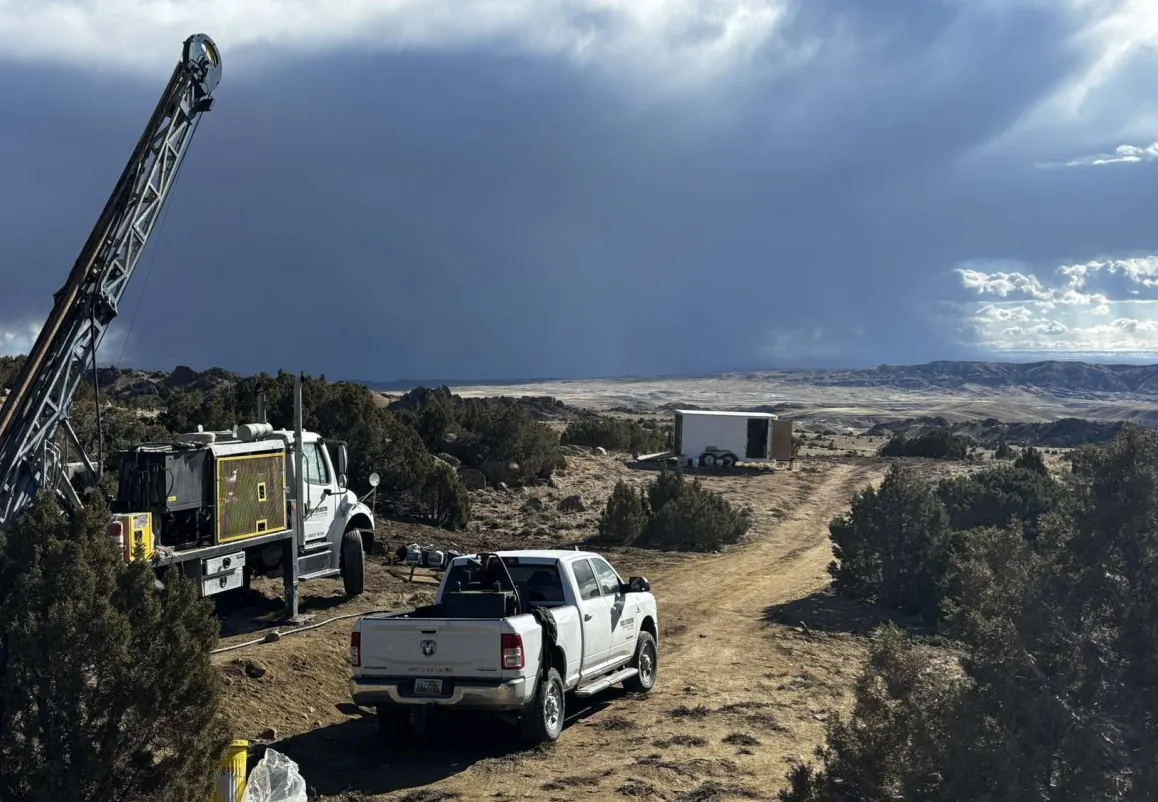
One of the more significant technical developments at Copper Mountain came from Myriad's Phase One drill programme, completed approximately fifteen months ago. Drilling focused on the Canning Deposit, the largest of the seven historical deposits and the one that comprises approximately 50% of the historical resource estimate.
Thomas Lamb, Myriad's CEO, was direct about the implication of the laboratory assay results when compared to historical gamma probe grades:
"The grades are much higher than the probe grades. Confirmed laboratory assay grades are 50-60% higher for anything at 500-1,000 ppm. This means we've detected a lot of previously undetected uranium and we extended intercepts and enhanced the grades."
Phase Two Drilling: The Catalyst That Matters
Myriad's Phase Two drill programme is structured in three stages. The first stage targets several of the remaining six historical deposits beyond Canning, using available historical drill data to guide hole placement efficiently. Van Der Walt noted that with the historical holes already drilled at Canning alone, Myriad would not need to replicate that volume to advance toward a resource estimate:
"We have enough information to guide us very effectively. Maybe a couple of hundred holes as opposed to 800, because we have all the maps and information that guides us to say this is where the mineralisation is and where it's not."
The second stage involves drilling new targets identified through the geophysical survey principally in the eastern zone. The third stage moves toward resource delineation and, ultimately, the publication of a formal NI 43-101 mineral resource estimate.
A parallel corporate development on the pending acquisition of Rush Rare Metals, which holds the remaining 25% of Copper Mountain, will bring Myriad to 100% ownership of the project. That transaction is expected to close within approximately six weeks of the interview date, removing a structural overhang and simplifying the asset.
Red Basin and Breccia Pipe Projects
While Copper Mountain is the flagship, Myriad's portfolio includes two additional assets that contribute value with limited capital burden on the company.
The Red Basin project in New Mexico was recently sold down to 10%, with Myriad retaining a free-carried interest. The acquirer, backed by Overmatch, an advanced weapons technology group, and 8VC, a Bay Area venture capital firm associated with the PayPal network, represents the kind of well-capitalised strategic buyer that validates the project's underlying potential without requiring further investment from Myriad.
The Breccia Pipe project in Arizona, recently acquired and simultaneously optioned to Wedgemont Resources, targets the same geological setting as Energy Fuels' Pinyon Pine mine which is currently considered among the highest-grade uranium operations in the United States. The weight pipe within the Breccia project carries a historical estimate of approximately one million pounds at a grade of around 0.79%. Wedgemont can earn up to 75% of the project, with costs fully covered, giving Myriad pure optionality exposure to what could prove to be a high-grade asset at no incremental cost.
The Investment Thesis for Myriad Uranium
- US jurisdiction premium: All three of Myriad's projects are located in Wyoming, New Mexico, and Arizona states with established uranium regulatory frameworks and strong political support for domestic resource development. This eliminates geopolitical risk and positions the company directly within a federal policy environment increasingly oriented toward domestic energy security.
- Historical validation with modern upside: The Copper Mountain asset is supported by $125 million in historical exploration investment, a US Department of Energy assessment, and Phase One drilling that confirmed grades 50–60% higher than historical estimates. Investors are acquiring exposure to a project whose technical basis is unusually well-documented for its stage.
- Imminent drilling catalysts: Phase Two drilling commences shortly across multiple deposits and new geophysical targets. Results from each deposit test represent discrete re-rating events as the market gains confidence in the breadth of the resource beyond the Canning Deposit alone.
- Strong cash position: With approximately $12-13 million in cash, Myriad is funded to advance drilling without near-term dilutive financing pressure which is an advantage for investors entering ahead of results.
- Corporate simplification underway: The pending Rush Rare Metals merger brings Myriad to 100% ownership of Copper Mountain, and a planned uplisting to TSX Venture Exchange and eventual US exchange listing will broaden the investor base and improve liquidity.
- Capital-light secondary assets: Both Red Basin and Breccia Pipe carry value without requiring capital allocation from Myriad, providing optionality exposure to additional upside across three US uranium states.
TL;DR
Myriad Uranium Corp holds three fully US-based uranium projects anchored by Copper Mountain in Wyoming, a large-scale conventional asset underpinned by $125 million in historical exploration, a government-commissioned endowment estimate of up to 655 million pounds, and Phase One drill results confirming grades 50–60% above historical figures. With Phase Two drilling imminent, $12–13 million in cash, and a pending merger delivering 100% project ownership, the company offers investors early-stage exposure to one of the most historically substantiated uranium land positions in the United States at a time when domestic uranium supply has become an explicit federal policy priority.
Macro Thematic Analysis: Uranium Demand
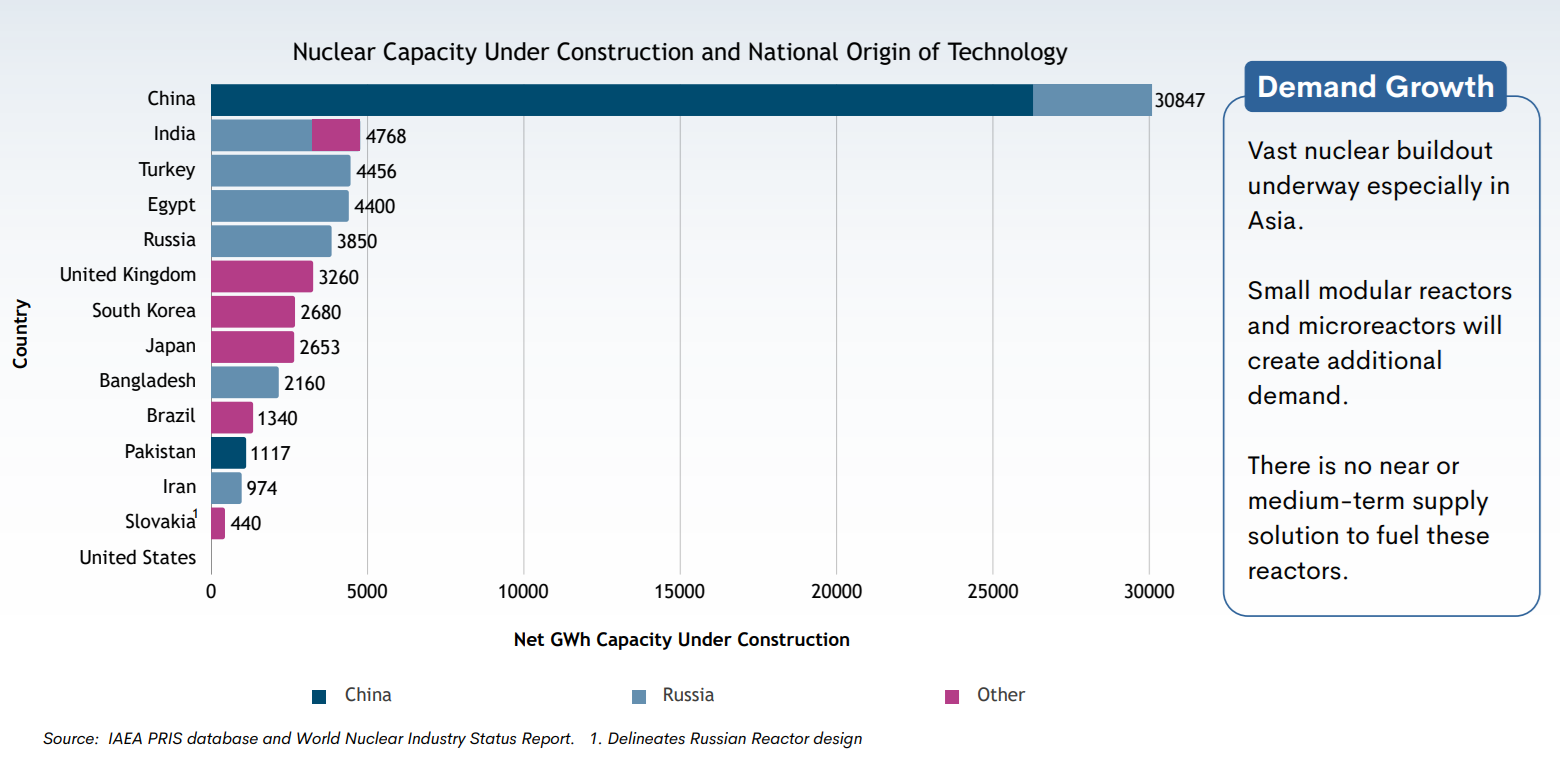
The United States is at an inflection point in domestic resource policy. For decades, the gap between domestic uranium consumption and production was managed through imports which functioned adequately when geopolitical relationships with supplier nations were stable. But the assumption has deteriorated materially when the Russian fuel manufacturing dependencies, the disruption of Central Asian supply chains, and an increasingly adversarial global environment for critical materials have forced a reckoning with the structural fragility of US uranium supply.
The policy response has been substantive as the Trump administration's executive framework explicitly positions energy and mineral security as national security priorities. Floor pricing mechanisms for domestically produced uranium are under active discussion. Federal agencies, including the Department of Energy, are engaged with conventional uranium projects of the kind that Myriad is advancing. The IRA and CHIPS Act demonstrated that US policy can redirect significant private capital toward domestic industrial priorities by changing the risk-return profile for investment, and the logic applies equally to uranium.
As Thomas Lamb observed, "The US is leaning in now on energy projects inside the United States, and that is only going to grow."
Wyoming alone accounts for 69% of current US domestic uranium production, and it is no coincidence that the most advanced conventional uranium project in the state, the Copper Mountain, sits in Myriad's portfolio.
For uranium, the demand side is hardening. US nuclear capacity is not shrinking; it is expanding, driven by data centre power requirements, AI infrastructure buildout, and a bipartisan consensus around nuclear energy's role in decarbonisation. The country consumes 50 million pounds of uranium per year and produces one million. That ratio cannot persist indefinitely within a domestic energy security framework, and the capital and regulatory conditions to close it are now more favourable than at any point since Three Mile Island.
Junior uranium developers with US-based assets, permitted drill programmes, and technical foundations capable of withstanding institutional scrutiny are well-positioned to benefit from this thematic. Myriad's combination of location, historical data depth, and imminent drilling activity places it among the most relevant companies within that category.
Analyst's Notes





Subscribe to Our Channel










Stay Informed