




Mining Alpha EP5 | Why $4,000 Gold Is a Floor, Not a Peak


.jpg)
Bastion's Michael Gentile on why $40T in US debt, rising bond yields and a 1-2% retail gold allocation point to $4,000 gold as a floor, not a ceiling.
- Michael Gentile, co-founder of Bastion Asset Management and a top-five shareholder in more than 20 junior miners, argues gold sentiment swung from a record -20% reading on the HUI in August to only "moderately positive" - even though he sees the underlying debt thesis as unchanged.
- US federal debt stands at roughly $40 trillion; with 10- and 30-year yields near 5%, Gentile estimates refinancing costs will run close to $2 trillion a year against roughly $5.2 trillion in fiscal-2025 government revenue - about 40% of revenue on interest alone.
- Recent gold M&A has repriced the sector: Agnico Eagle's acquisition of Rupert Resources and G Mining Ventures' acquisition of G2 Goldfields both closed in the $500-600 per ounce range, versus junior gold equities still trading at $50-150 per ounce in the ground.
- Central banks have taken gold from roughly 5-6% of FX reserves to about 25%, but Gentile puts retail and high-net-worth allocation to gold at only 1-2% of portfolios, which he sees as the larger unfilled leg of the trade.
- Gentile holds roughly 90% of his own net worth in gold and copper equities and says his biggest single loss driver in the sector isn't bad geology but dilution from poorly timed financings.
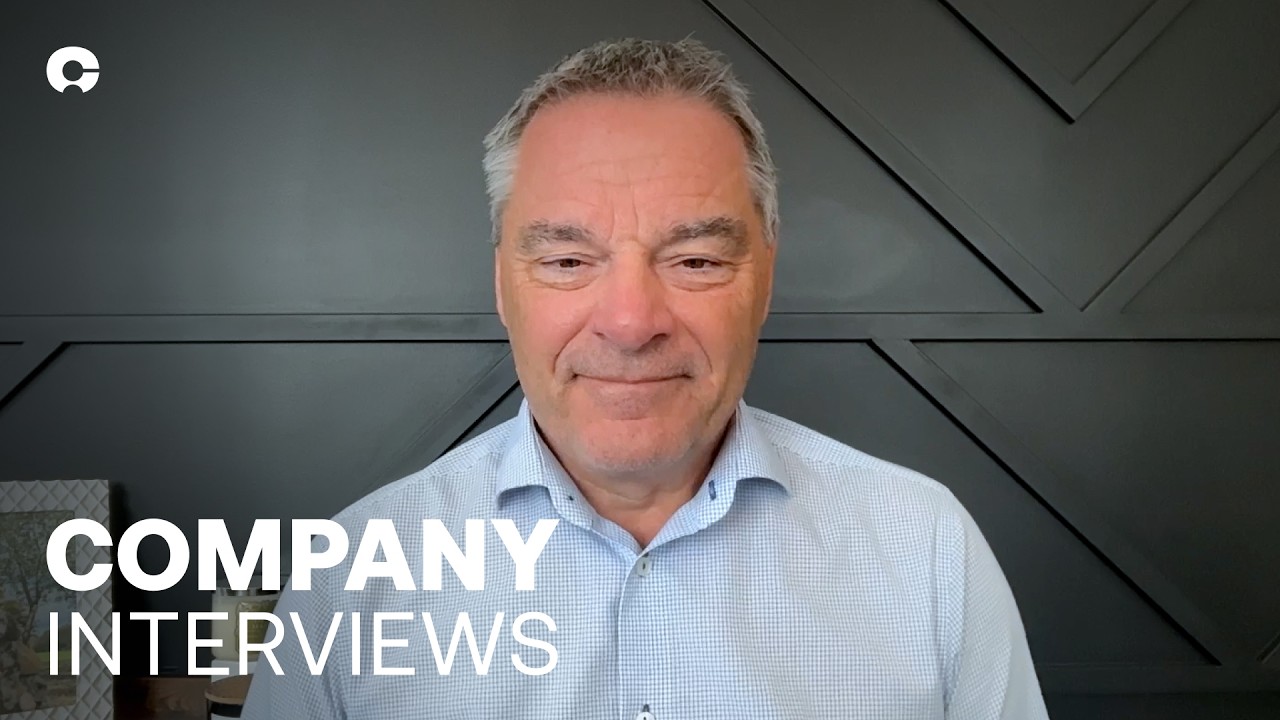
Michael Gentile doesn't manage other people's money quietly. As co-founder of Bastion Asset Management, he has built top-five ownership positions in more than 20 junior resource companies, investing the way a private equity fund would rather than trading names in and out. Speaking with Crux Investor, Gentile laid out why he thinks the market has the gold story only half right: sentiment has recovered from record lows, but nowhere close to where the underlying fiscal arithmetic says it should be.
Fiscal Arithmetic: Why Chairman Warsh Can't Stay Hawkish
Gentile's starting point is the maths of US government debt. Federal Reserve Chairman Kevin Warsh has talked tough on rates since taking office, but Gentile argues the numbers make sustained hawkishness "physically impossible."
"$40 trillion of debt. Live 10-year, 30-year bond yields are 5%, so you're going to have to refinance that debt in real time over the next several years. That's $2 trillion a year of interest expense... You're going to spend two times what the US spends on the military, healthcare and social security just on the interest on your debt. That is a completely untenable situation."
Interest expense, he said, rose from $860 billion in fiscal 2025 to a run-rate roughly $1.1 trillion higher as debt refinances at current yields - against total government revenue of about $5.2 trillion for the year to September 2025. Meanwhile, tax cuts are on the table rather than new revenue measures, and Gentile is sceptical that spending cuts or productivity gains can close a deficit of that scale. His view: the Fed's actions - buying yen to discourage Japanese treasury sales, increasing purchases of 10- and 30-year bonds - already look like "yield curve control in disguise," regardless of the rhetoric.
Bond Yields Are Signalling an Insolvency Problem, Not a Rate Cycle
Rising yields alongside a rising gold price is an unusual combination, and Gentile reads it as confirmation that bond investors are repricing sovereign risk across the G7, not just the US. As real and perceived credit risk both climb, he expects two possible paths: policymakers either let inflation run at 3-5% to erode the debt's real value, or they cap yields outright - at, say, 5% on the 30-year and 4.5% on the 10-year - and print money to defend that cap when the market pushes past it, as happened during the pandemic. Either path, in his framing, is bullish for gold because both involve expanding the money supply to fund the deficit rather than raising real returns to attract genuine buyers.
Interview with Michael Gentile, Bastion Asset Managament
De-Dollarisation Has Reached Central Banks, Not Retail
Central bank balance sheets have already made the shift Gentile is describing: official-sector gold holdings have moved from roughly 5-6% of FX reserves toward approximately 25%, with the US dollar's share falling correspondingly and foreign ownership of Treasuries declining as a proportion of total debt outstanding even as issuance rises.
More and more investors ... are seeing gold as the sturdiest boat in the dock, and storms are increasing.
What hasn't happened, Gentile argues, is the second wave: retail and institutional investors moving out of the classic 60/40 equity-bond split. He puts current gold ownership among high-net-worth investors at just 1-2% of portfolios. If rate caps force a material rethink of bond allocations, he expects that flow - not central bank buying - to be the next leg of the trade, and silver, which he has been adding to after years of preferring gold, to outperform on a percentage basis as generalist and retail participation broadens.
M&A Resets What an Ounce in the Ground Is Worth
Gentile points to two recent transactions as evidence the market is under-pricing junior equities: Agnico Eagle's acquisition of Rupert Resources and G Mining Ventures' acquisition of G2 Goldfields, both of which closed in the $500-600 per ounce range - multiples above the $50-150 per ounce at which much of the junior sector still trades.
With $2,500-plus cash margins now available to producers, he argues majors can still generate mid-teens to 20% IRRs while paying $300-600 per ounce for the right assets, and that valuation gap should compress as more deals get done. He draws a sharp distinction between gold, silver and copper - deep, broad markets where one new mine doesn't move the price - and smaller, less liquid metals where a single large discovery can swing supply-demand balances violently; that liquidity is central to why his book is concentrated in the former.
Cap Table Discipline Is the Difference Between a Mine and a Value Trap
The clearest illustration of Gentile's approach as an owner-investor is McFarlane Lake Mining. When he first invested, the company's Juby Gold Project in Ontario held roughly 4 million ounces but traded at only around C$10 per ounce in the ground, weighed down by US$15 million in near-term debt and 50-100 million warrants held largely by fast-money investors with an incentive to force a low-price refinancing. Gentile's cheque retired roughly half the debt and persuaded warrant holders to exercise early, clearing the overhang and allowing the company to bring in higher-quality financing partners; the stock has since re-rated to the C$50-60 per ounce range - still cheap versus peers, in his view, but a fraction of where it started.
For Gentile, dilution - not poor geology - is the most common way retail investors end up funding a mine and still losing money. He points to tight G&A discipline through the 2022-2023 downturn (some portfolio companies cut spend to roughly $400,000 a year), deferred or share-based management compensation where insiders hold meaningful stakes, and raising capital when a company doesn't urgently need it rather than waiting until the balance sheet forces a discounted round.
The gold and silver thesis, in Gentile's telling, isn't really about the price - it's about who's positioned to survive volatility with a funded balance sheet and clean cap table long enough to let the fundamentals catch up. He sees the $4,000-plus gold price as a floor rather than a peak, argues the equity market hasn't caught up to $2,500 cash margins at the senior level, and expects the M&A repricing already visible in deals like Agnico-Rupert and G Mining-G2 to eventually filter down through mid-tiers into the junior space he invests in. Until then, his approach stays the same: back management teams with clean or fixable cap tables, avoid companies that finance from a position of weakness, and let a 5- to 10-year timeline do the work.
TL;DR
Bastion Asset Management's Michael Gentile says gold's fundamentals haven't changed even though sentiment swung from record-negative to merely moderate. With $40 trillion in US debt and 10-30 year yields near 5%, he argues Washington can't sustain hawkish rate talk - refinancing alone could consume 40% of federal revenue. Central banks have already shifted toward gold, but retail allocation sits at just 1-2%, which he sees as the next catalyst. Recent M&A - Agnico Eagle's purchase of Rupert Resources and G Mining Ventures' purchase of G2 Goldfields, both around $500-600/oz - shows majors will pay up for quality ounces, while junior equities still trade at $50-150/oz. His main risk flag for retail: dilution, not geology.
FAQs (AI Generated)
Analyst's Notes





Subscribe to Our Channel







Stay Informed






















