




Atlas Salt's 180-Meter Deposit & All-Electric Mine Target Imported Road Salt


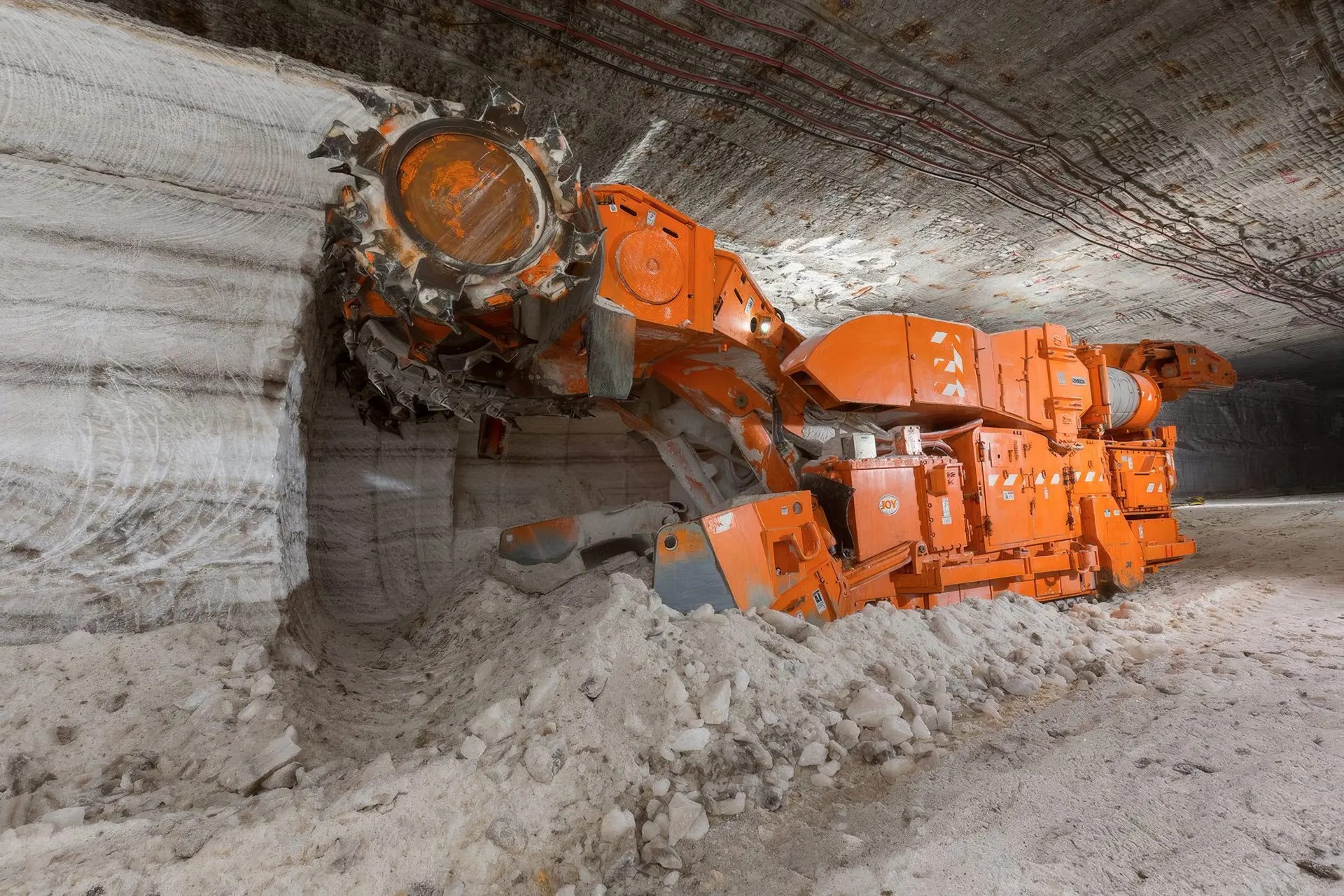
Atlas Salt's shallow Great Atlantic deposit supports an all-electric, no-blast salt mine at C$28.2/t operating cost, close to import-reliant road salt markets.
- Atlas Salt is developing the Great Atlantic Salt Project in Newfoundland as North America's first new salt mine in nearly 30 years, with production targeted by 2030.
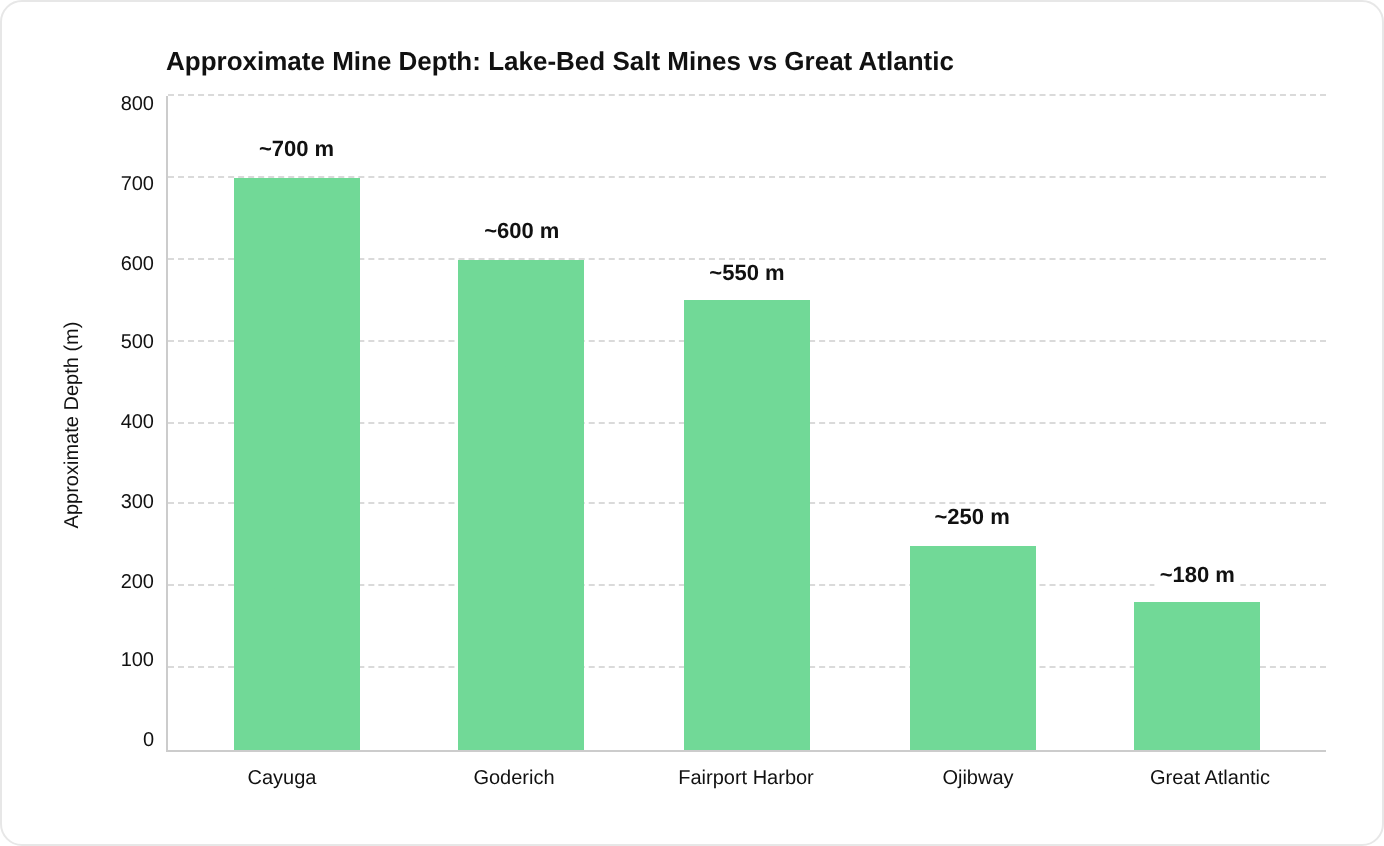
- The deposit lies about 180 meters below the surface, far shallower than legacy mines worked beneath the Great Lakes and other water bodies.
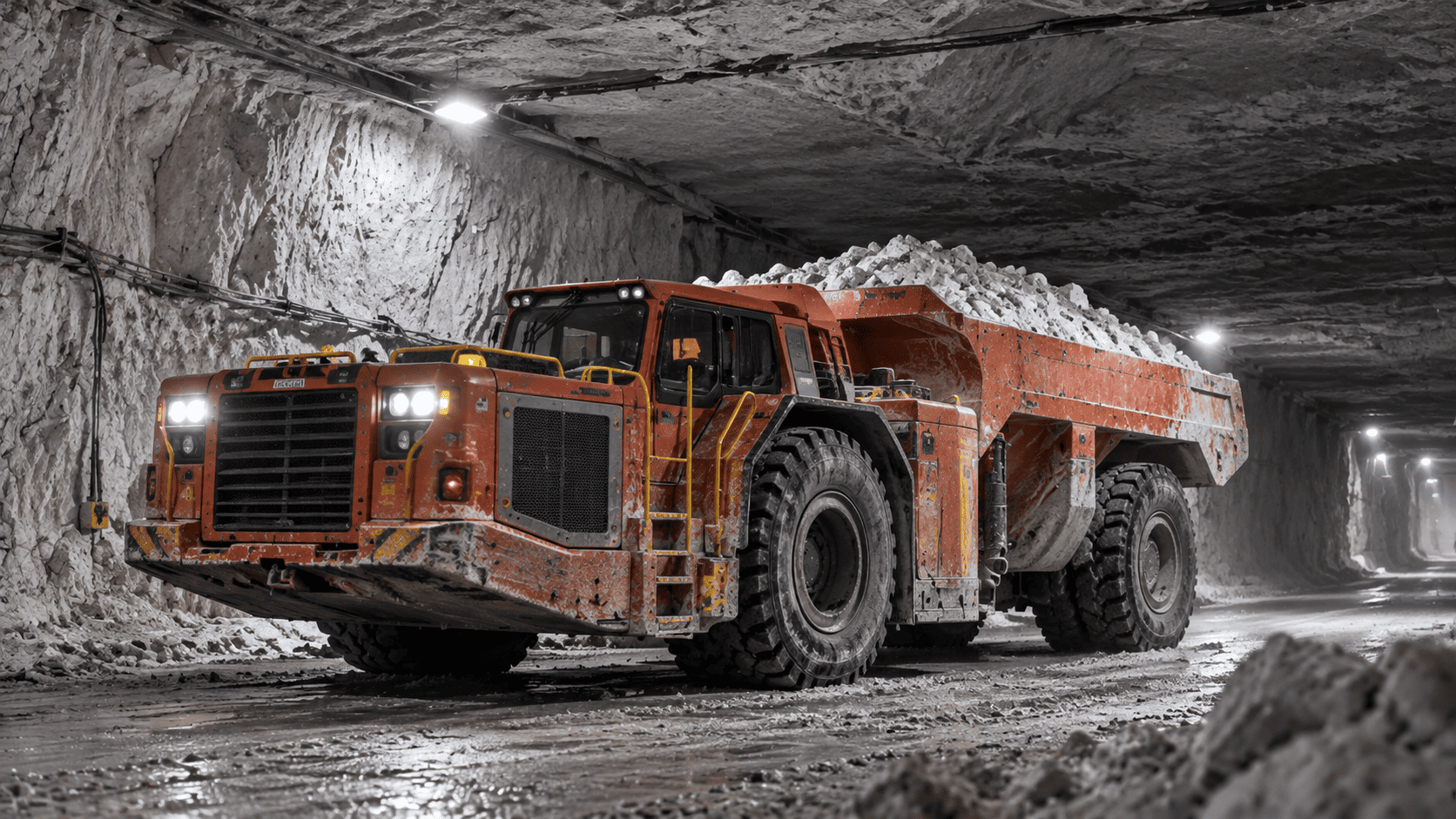
- The mine design uses continuous miners and battery-electric equipment on Newfoundland hydropower, with no drilling and blasting, chemicals, or tailings in operations.
- Probable reserves of 95.0 million tonnes at 95.9% sodium chloride support a mine life of more than 24 years at 4 million tonnes per annum.
- Operating costs in the 2025 Updated Feasibility Study are C$28.2 per tonne shipped, against C$589 million in initial capital that the company is now financing.
Atlas Salt Inc. (TSXV: SALT | OTCQX: SALQF | FSE: 9D00) is developing the Great Atlantic Salt Project in western Newfoundland as the first new salt mine in North America in nearly 30 years, supplying road de-icing salt to a market that imports a large share of its needs. The project's investment case starts with geology. The deposit lies about 180 meters (m) below the surface, while most legacy North American rock salt mines operate hundreds of meters beneath lakes. That shallow, onshore setting allows a mining method with no drilling and blasting in operations and an electric fleet powered by hydroelectricity, with production targeted by 2030.
Why New North American Salt Mines Are Rare
North America's rock salt formed as ancient seas evaporated, and many of the resulting deposits lie beneath lakes and rivers, including the Great Lakes. Compass Minerals' Goderich mine in Ontario, the world's largest salt mine, operates about 600 m below Lake Huron. Cargill's Cayuga mine in New York reaches about 700 m below Lake Cayuga, Morton Salt's Fairport Harbor mine in Ohio works about 550 m below Lake Erie, and Windsor Salt's Ojibway mine is about 250 m below Lake Erie.
Chief Executive Officer of Atlas Salt, Nolan Peterson, linked that geology to the long absence of new supply:
"That's what makes them very difficult to access and expensive to develop and operate, and why there haven't been a whole lot of new mines built in North America in the past few decades. And [that's] why Atlas is different, because we don't sit under a lake, we don't sit under a river, and we can be a low-cost producer for some of those reasons."
The last new salt mine to open in North America was American Rock Salt's New York operation in 2001. In 2021, Cargill's Avery Island mine in Louisiana ceased production, removing 2.5 million tons per year of supply from the US East Coast de-icing market. The company says no other comparable salt mines or expansion projects planned in North America.
A Mine Plan Built Around Continuous Miners & Hydro Power
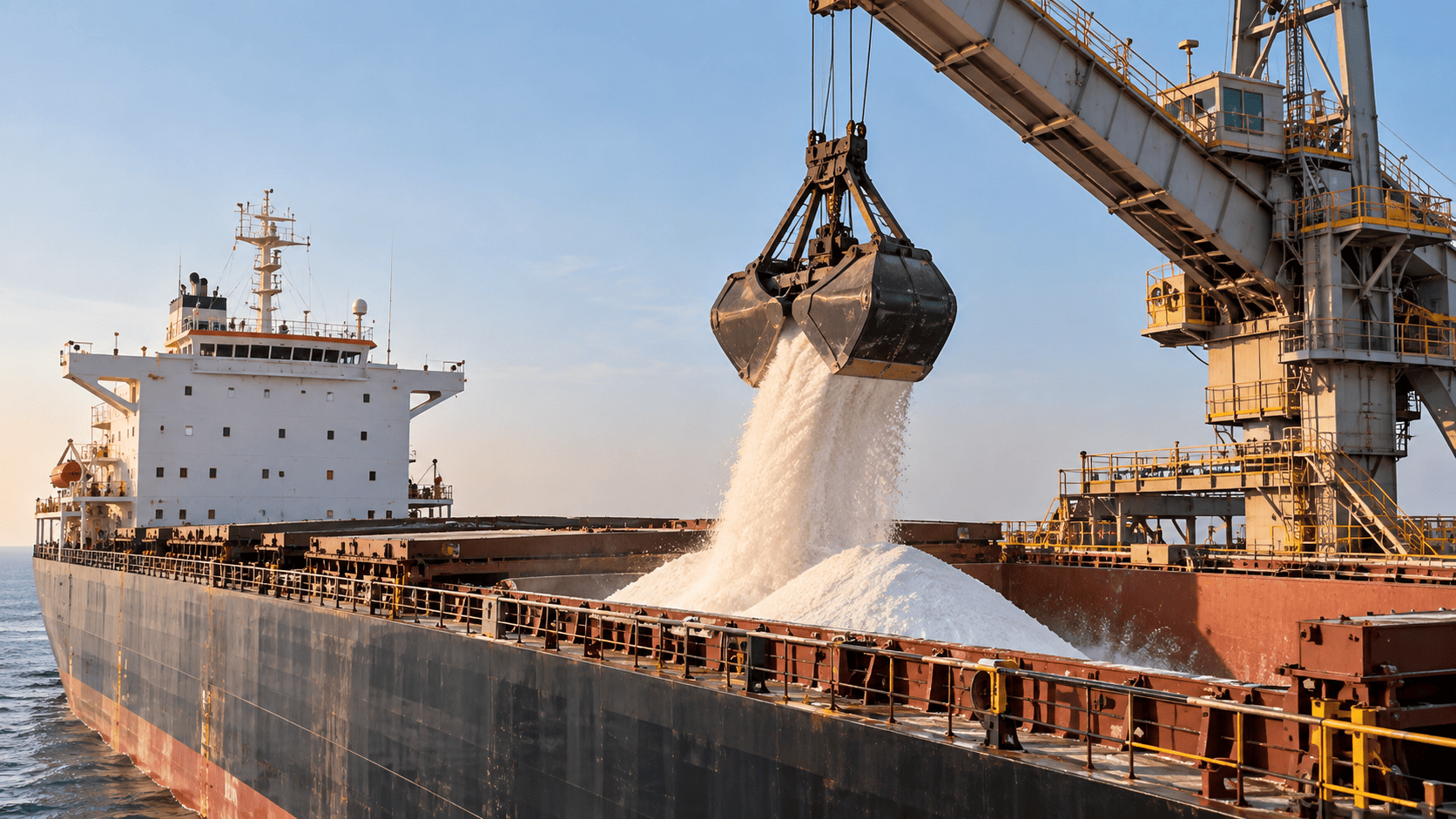
Great Atlantic's depth allows access through declines in place of costly shaft sinking. Continuous miners cut salt using a rotating cylinder that grinds directly into it, and the company has designed the site around battery-electric equipment that draws on Newfoundland's hydroelectric grid. The St. George's substation is 1.4 kilometers (km) from the site, and an enclosed conveyor is planned to carry salt about 2 km to the Turf Point deep-water port.
Peterson listed what the design removes from day-to-day operations:
"We will have no diesel usage in operations, no drilling and blasting, no explosive consumption. And while we're on the topic, no chemicals or water usage either."
The project will produce no tailings, and its modeled Scope 1 greenhouse gas emissions of 79 tonnes per year compare with those of 4 Newfoundland households. The provincial environmental assessment released the project with conditions in April 2024 after about 2 months of review.
Grade, Scale & More Than 24 Years of Reserves
Probable reserves total 95.0 million tonnes (Mt) at 95.9% sodium chloride, above the 95% sodium chloride specification set under ASTM D632 for road salt. With the deposit grading about 96%, the small quantities of potash, magnesium chloride, and calcium chloride that formed alongside the sodium chloride are not production targets. The salt body averages about 200 m thick and remains open in all directions.
Under the 2025 Updated Feasibility Study (UFS), nameplate capacity is 4 million tonnes per annum (Mtpa), with reserves supporting more than 24 years of mine life. The mine plan excludes a further 868 Mt of inferred resource at 95.2% sodium chloride, which the company estimates could support more than 50 additional years of production, assuming a roughly 25% conversion rate to reserves. At 4 Mtpa, Atlas is targeting the position of second-largest underground salt mine in North America, behind Goderich at about 7 to 9 Mtpa.
Market Proximity, Costs & the Financing Path
North America imports 8 to 10 Mtpa of de-icing salt, drawn mainly from Chile and Egypt for the eastern market. Ships from Great Atlantic can reach Boston in under 3 days, compared with more than 14 days from Egypt or Chile, and Atlantic Canada, Quebec and the US East Coast together consume 11 to 16 Mtpa of road salt. Compass Minerals reported de-icing salt prices up 8% year on year to about US$92 per tonne (t) in its fiscal 2026 third quarter, above the UFS base price of C$81.67/t.
At that base price, operating costs under the UFS are C$28.2/t shipped, with an all-in sustaining cost of C$34.9/t, an after-tax net present value at an 8% discount rate (NPV8%) of C$920 million and a 21.3% after-tax internal rate of return. Atlas had an enterprise value of C$164.1 million as of October 13, 2026, a fraction of its NPV8%.
The remaining hurdle is capital. The company has invested about C$30 million in the project since its founding, and commercial production requires C$589 million in initial capital. Atlas has received more than C$300 million in financing letters of interest (LOIs), including from Export Development Canada, and has engaged Endeavour Financial to lead project finance. The deposit's depth and location address the cost and access constraints that have kept new mines out of this market. Converting those LOIs into committed funding is the project's next milestone.
FAQs (AI-Generated)
Analyst's Notes





Subscribe to Our Channel


Stay Informed


