




2026 Outlook: Nevada Developer P2 Gold Sets Clear Path Towards First Gold Pour by 2028


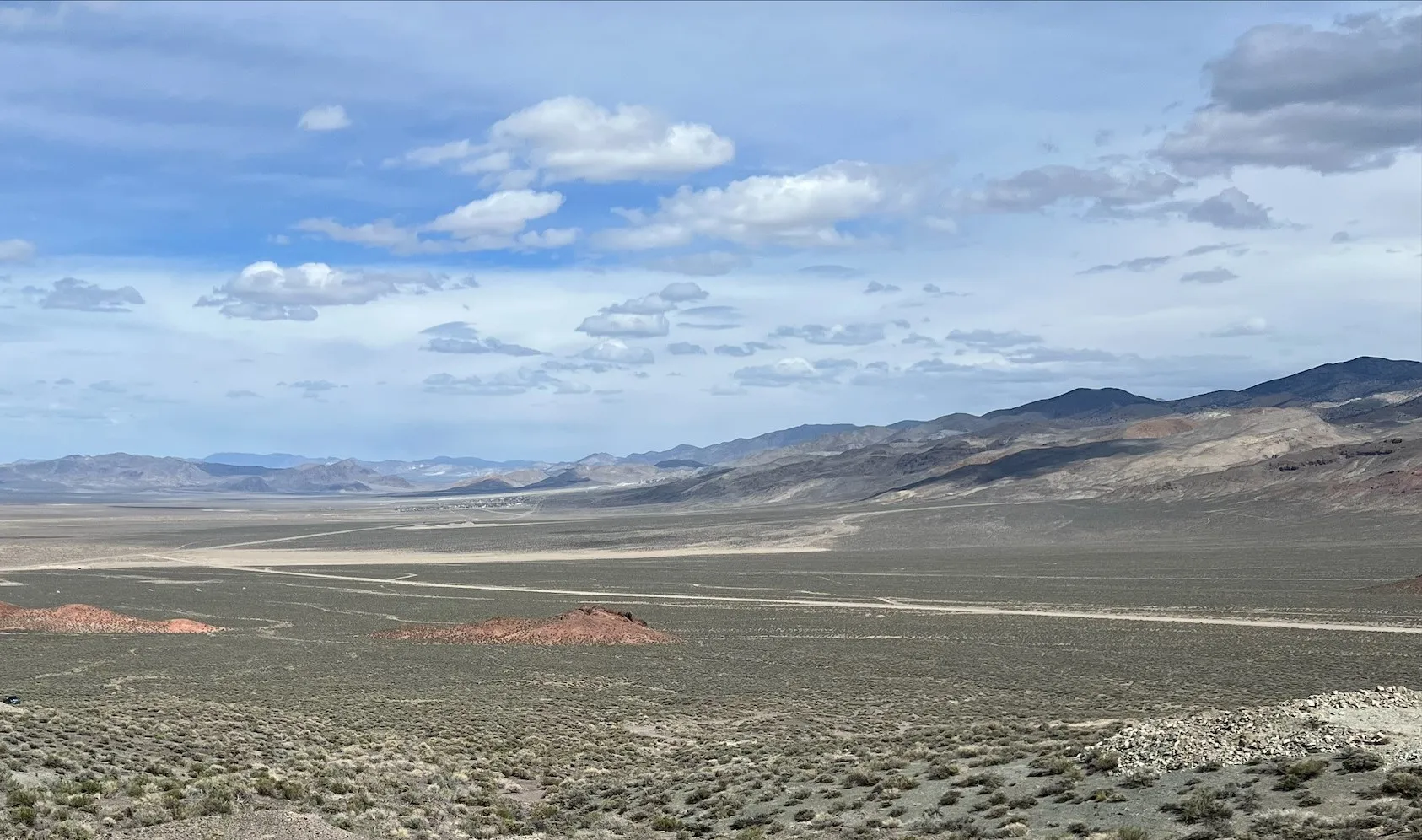
P2 Gold advances Nevada's Gabbs project toward 2028 production with experienced team, 3.45M oz resource growth potential, and improved economics at current metal prices.
- P2 Gold is advancing its Gabbs project in Nevada toward production with a feasibility study expected to be completed in 2026, following a strong 2025 performance.
- The company has cleaned up its balance sheet by eliminating Waterton's 23 million share overhang and expects to convert or pay out its convertible debenture by end of January 2026, with management holding 16.5% of the company
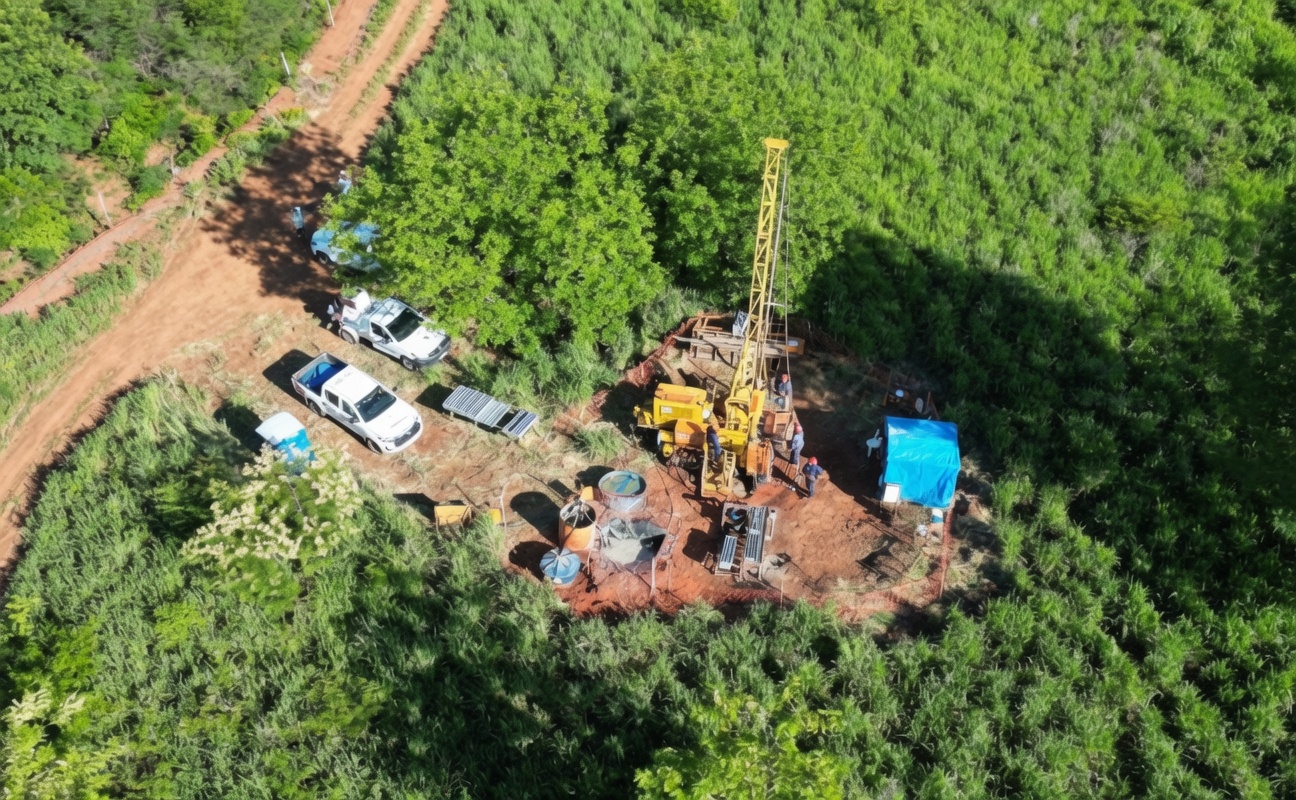
- Infill and expansion drilling commenced in October 2025 with 15,000 metres planned through February 2026, aiming to convert the project's 2.25 million ounces of inferred gold equivalent resources into the indicated category to support feasibility work
- The preliminary economic assessment (PEA) outlined a 14-year mine life producing 109,000 ounces of gold and 33 million pounds of copper annually from 9 million tonnes per year, though management is evaluating scenarios to increase throughput to 11-12 million tonnes annually
- The experienced management team, which previously took Pretium Resources' Brucejack project from discovery to production in under eight years, is targeting environmental permitting completion by end of 2027 and first gold pour in 2028
P2 Gold Inc. (TSXV:PGLD) has emerged from a period of share price consolidation with renewed momentum, positioning its Gabbs project in Nevada as a near-term gold-copper production opportunity. Following a transformative 2025, President and CEO Joseph Ovsenek outlined the company's pathway to becoming a mid-tier gold producer in a jurisdiction known for mining-friendly permitting and operational efficiency.
Strong 2025 Performance Sets Stage for Feasibility Study
The company delivered several key milestones throughout 2025 that established the foundation for advancing Gabbs toward production. Updated metallurgical results released in early September and an updated preliminary economic assessment in October demonstrated the project's economic robustness across various commodity price scenarios.
"From our perspective, we had a few highlights. First off getting our updated metallurgy out set the stage for advancing the company. We got that out early September. Early October we had our updated PEA out bringing in those updated metallurgical results which just shows how robust Gabbs is," Ovsenek explained.
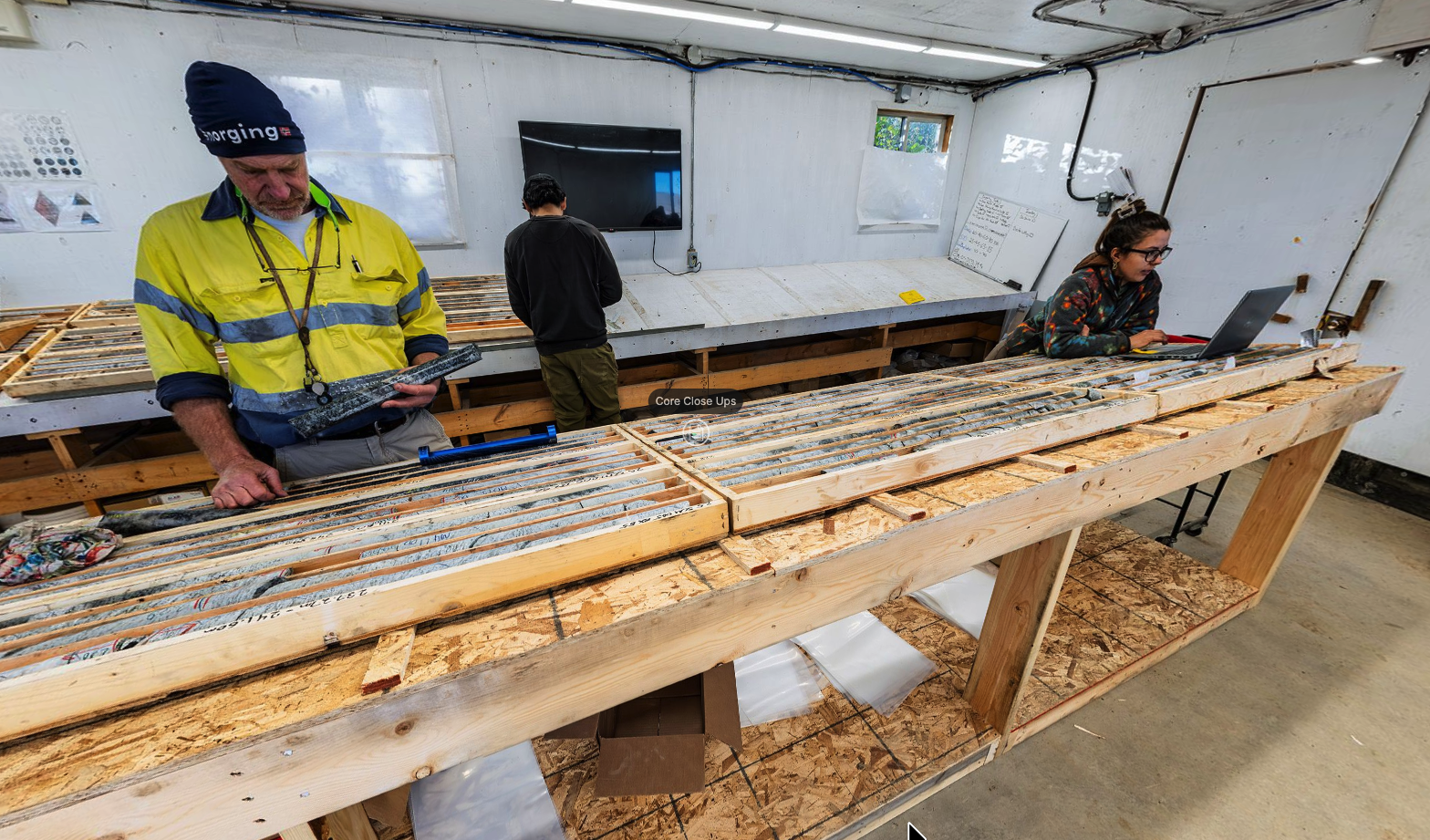
The company commenced reverse circulation infill drilling in mid-October 2025 and diamond drilling for geotechnical work in November 2025, demonstrating rapid deployment of capital following the financing. The 15,000-metre drilling programme is expected to be completed by February 2026, with potential expansion drilling extending operations through April 2026.
Balance Sheet Restructuring
P2 Gold has systematically addressed legacy capital structure issues that had constrained valuation. Waterton Precious Metals, from whom P2 Gold acquired the Gabbs project, held a significant equity position of 23 million shares that represented a known overhang for investors. This position has now been fully liquidated, removing uncertainty about future share supply.
Additionally, the company's convertible debenture matures at the end of January 2026. Management indicated the company has sufficient cash to satisfy this obligation and expects it will be converted to equity rather than requiring cash payment. Combined with management's 16.5% ownership stake, these structural improvements demonstrate alignment between management and shareholders whilst eliminating near-term financing pressures.
Experienced Team with Production Track Record
P2 Gold's management team brings decades of collective experience advancing mining projects through development and into production. With Executive Vice President Michelle Romero, and Chief Exploration Officer Ken McNaughton who has previously collaborated with Ovsenek at Silver Standard Resources (now SSR Mining) growing the company from a $50 million market capitalization to $2 billion whilst establishing multiple producing assets and accumulating several billion ounces of silver resources.
Most significantly, the team subsequently moved to Pretium Resources, where they advanced the Brucejack project from discovery to production in under eight years - a timeline that challenges conventional industry wisdom about permitting and construction schedules.
"We took it from discovery to production in under eight years which, when you think about it, nowadays they always talk about it's 15-16 years to permit a mine. That's quick and we were cash flowing right out of the gate," Ovsenek noted.
The team's approach emphasises aggressive target-setting and relentless execution. Rather than building excessive schedule contingency, management establishes ambitious milestones and maintains intense focus on achieving them, accepting that some targets may be missed in exchange for faster overall progress.
Project Fundamentals: Resource Base & Metallurgical Consistency
The Gabbs project currently hosts approximately 1.2 million ounces of gold equivalent in the indicated resource category, with an additional 2.25 million ounces classified as inferred. The ongoing drilling programme aims to convert inferred resources into the indicated category, which is required for inclusion in feasibility-level mine planning.
The mineralization at Gabbs is porphyry-type, characterized by geological consistency that reduces exploration risk. Ovsenek emphasized that drilling results consistently meet expectations in terms of grade, depth, and mineralisation continuity. This predictability simplifies resource modelling and mine planning whilst reducing the risk of negative surprises during infill drilling campaigns.
Metallurgically, the deposit features oxide mineralization near surface, transitioning to sulphide mineralization at depth. The preliminary economic assessment contemplated treating oxide material on heap leach pads, with transitional material potentially processed through a mill, and sulphide material undergoing flotation and subsequent heap leaching. Additional metallurgical work is currently underway as part of feasibility study preparations, with management expressing particular confidence in flotation recovery performance based on extensive historical test work.
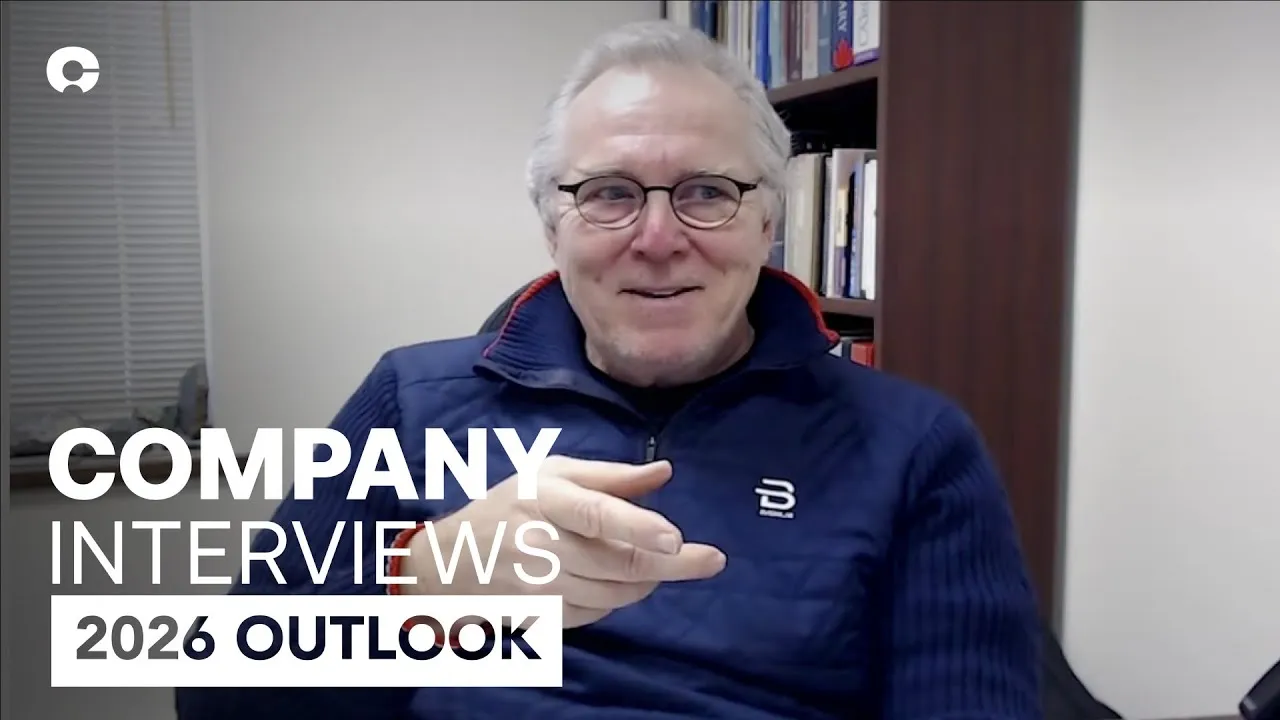
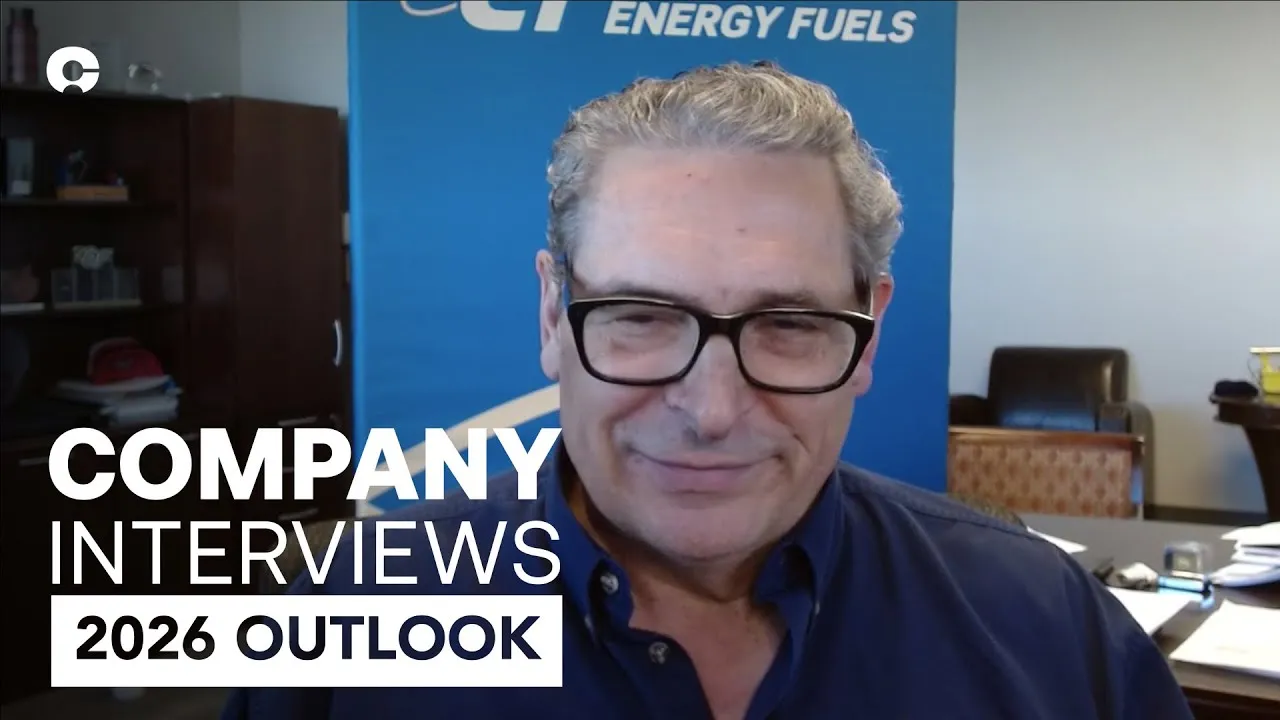
Interview with President & CEO, Joseph Ovsenek
Economic Optimisation Opportunities in Stronger Price Environment
The preliminary economic assessment released in October 2025 was based on conservative metal price assumptions: $1,950 per ounce gold, $4.50 per pound copper, and $25 per ounce silver. The study outlined a 14-year mine life processing 9 million tonnes annually, producing an average of 109,000 ounces of gold and 33 million pounds of copper per year, with a mill facility coming online in year six after five years of heap leach operations.
Current spot prices significantly exceed these assumptions, creating opportunities to optimise the mine plan. Ovsenek indicated that at prevailing prices, first-year revenues before taxation could approach $900 million, enabling the initial heap leach capital expenditure to be repaid within five to six months. This accelerated payback creates optionality to bring the mill facility forward in the mine schedule, which would increase metallurgical recoveries and overall project economics.
"In the first year, gross revenues before tax is at about almost $900 million. That initial capex is paid off in 5-6 months. We can bring the mill forward which will actually increase our recoveries. There's a lot of things we can do to really optimize the mine plan to improve the economics of the project."
Furthermore, management is evaluating scenarios to increase annual throughput from 9 million tonnes to 11-12 million tonnes. Such an increase would boost annual gold production from 109,000 ounces toward 150,000 ounces, repositioning Gabbs from the smaller end of mid-tier production into the centre of this category. Copper production would similarly increase from 33 million pounds annually toward 50 million pounds, enhancing the project's polymetallic revenue profile.
Permitting Strategy & Production Timeline
P2 Gold is pursuing a dual-track approach to permitting and technical work designed to compress overall development timelines. The company is currently preparing its Mining Plan of Operations, which represents the first formal step in the permitting process. Following acceptance of this plan, the company will advance to environmental permitting, which management identifies as the critical path item for commencing construction.
Importantly, P2 Gold has already initiated environmental baseline studies despite not yet filing for environmental permits. This proactive approach ensures that required data will be available when needed, potentially reducing overall permitting duration. The company is also conducting additional metallurgical test work to support the feasibility study, aiming to eliminate technical uncertainties before finalising engineering designs.
If permitting proceeds favourably, Ovsenek outlined a timeline targeting environmental permit receipt by the end of 2027, enabling first gold production in 2028:
"We're looking to condense and push hard to feasibility. We have to work with BLM to get our environmental permit by the end of 2027. We're pouring gold in 2028."
P2 Gold aims to execute less than three years from present to production - a timeline that leverages Nevada's reputation for efficient permitting processes and the team's experience in project execution.
Capital Efficiency & Funding Strategy
Management emphasised its focus on capital efficiency throughout the development process. The autumn 2025 financing, combined with warrant exercises expected throughout 2026, is projected to provide sufficient funding through feasibility study completion without requiring additional dilutive equity raises until construction financing is required.
When evaluating construction financing options, management indicated it will prioritise speed of execution over minimising cost of capital. Whilst traditional bank financing typically offers lower interest rates, the lengthy due diligence and documentation periods can delay production by 18-24 months. Alternative financing structures that enable faster construction timelines may justify higher capital costs by bringing forward revenue generation and reducing overall risk exposure.
This pragmatic approach to capital allocation reflects management's broader philosophy: time compression delivers value by reducing carrying costs, limiting exposure to adverse market movements, and accelerating the realisation of operational cash flows.
The Investment Thesis for P2 Gold
- Proven Management Team: Invest alongside executives who have demonstrated the ability to take projects from discovery through permitting to production in accelerated timeframes, having delivered the Brucejack mine in under eight years with immediate cash flow generation
- Near-Term Production Timeline: Position ahead of expected 2028 first gold pour, with less than three years to production representing significantly compressed development timelines compared to industry averages of 15-16 years
- Clean Balance Sheet: Benefit from recently restructured capital structure with Waterton's 23 million share overhang eliminated, convertible debenture being retired January 2026, and strong management ownership at 16.5% ensuring alignment
- Resource Growth Potential: Participate in exploration upside as ongoing 15,000-metre drilling programme converts 2.25 million ounces of inferred resources into indicated category whilst testing expansion targets, with consistent porphyry mineralisation reducing geological risk
- Optionality in Stronger Commodity Environment: Gain exposure to potential mine plan optimisation including increased throughput from 9 to 11-12 million tonnes annually, accelerated mill construction bringing forward higher recoveries, and enhanced economics from gold prices and copper prices substantially above PEA assumptions
- Nevada Jurisdiction Advantage: Access lower permitting risk in mining-friendly Nevada compared to challenging jurisdictions, with simplified infrastructure requirements and established regulatory frameworks supporting faster development schedules
- Polymetallic Revenue Diversification: Capture value from both gold (109,000+ ounces annually) and copper (33+ million pounds annually) production, with copper exposure providing leverage to electrification and energy transition themes
- Feasibility Study Catalyst: Position ahead of 2026 feasibility study completion, which will incorporate updated resource estimates, optimised mine planning scenarios, and refined capital and operating cost estimates based on current market conditions
- Multiple Pathways to Value Realisation: Benefit from potential takeout interest from larger producers seeking Nevada-based development assets with clear production timelines, experienced management teams, and improving project economics
Macro Thematic Analysis: Nevada Gold Development
The resurgence of interest in Nevada gold development projects reflects a fundamental reassessment of gold's role in institutional portfolios amid persistent inflation concerns and geopolitical uncertainty. Nevada's established mining infrastructure, favourable taxation framework, and streamlined permitting processes position the jurisdiction as a preferred destination for gold development capital, particularly as operators seek to replace depleting reserves at major producing districts.
P2 Gold's Gabbs project exemplifies the type of asset gaining traction in current markets: mid-tier production scale, polymetallic revenue streams, near-term development timelines, and experienced management teams. The project's copper by-product credits enhance economic resilience whilst providing exposure to electrification themes driving copper demand.
Projects that can advance from permitting through construction to production within three to four years limit exposure to cost escalation and capture value more quickly than assets facing decade-long development horizons. Nevada's permitting efficiency becomes increasingly valuable as operators in challenging jurisdictions contend with multi-year delays and mounting community opposition. P2 Gold encapsulated the timeline advantage that Nevada development projects can offer relative to global peers.
The broader macro environment supports gold exposure through multiple channels: central bank accumulation continues at historically elevated levels, real interest rates remain suppressed despite nominal rate increases, and currency debasement concerns persist across developed economies. For development-stage companies, this translates into improved project economics, enhanced ability to attract strategic investment, and greater likelihood of securing favourable financing terms as capital flows toward hard asset exposure.
TL;DR
P2 Gold (TSXV: PGLD) is advancing Nevada's Gabbs gold-copper project toward 2028 production with a management team that previously took Pretium's Brucejack from discovery to production in under 8 years. The company cleaned up its balance sheet in 2025 by eliminating Waterton's 23-million-share overhang and is retiring its convertible debenture in January 2026. Current drilling aims to convert 2.25 million ounces of inferred resources into the indicated category to support a feasibility study completing in 2026. The preliminary economic assessment outlined 109,000 oz gold and 33 million lb copper annual production, but management is evaluating scenarios to increase throughput by 30%+ to reach 150,000 oz gold annually. P2 Gold's first-year revenues to approach $900 million with initial capex recovered in 5-6 months creates optionality to accelerate mill construction and enhance recoveries. The company targets environmental permitting by end-2027 and first gold pour in 2028, less than 3 years from present, leveraging Nevada's efficient permitting framework and the team's execution track record.
Frequently Asked Questions (FAQs) AI-Generated
P2 Gold's management team, led by President and CEO Joseph Ovsenek alongside Chief Exploration Officer Ken McNaughton, Executive Vice President Michelle Romero, and CFO Grant Bond, has worked together for over 20 years across multiple successful projects. Most notably, they took Pretium Resources' Brucejack project from discovery to production in under 8 years whilst achieving immediate cash flow generation—a timeline that contradicts industry conventional wisdom of 15-16 years for mine permitting and development. Previously at Silver Standard Resources (now SSR Mining), they contributed to growing the company from $50 million to $2 billion market capitalisation whilst accumulating billions of ounces of silver resources and establishing multiple producing assets. This track record demonstrates capability in aggressive target-setting, relentless execution, and compressing development timelines without sacrificing project quality—critical factors that can significantly impact shareholder returns by reducing carrying costs and accelerating value realisation.
The October 2025 preliminary economic assessment was based on conservative metal price assumptions of $1,950/oz gold, $4.50/lb copper, and $25/oz silver. Current spot prices significantly exceed these levels, with gold trading above $2,600/oz and copper elevated due to supply constraints and electrification demand. Management indicated that at prevailing prices, first-year gross revenues before taxation could approach $900 million, enabling the initial heap leach capital expenditure to be recovered within 5-6 months compared to multi-year payback periods under PEA assumptions. This accelerated payback creates substantial optionality: the company can bring the mill facility forward in the mine schedule (originally planned for year 6), which would increase metallurgical recoveries and overall project cash flows. Additionally, stronger economics support evaluating higher throughput scenarios of 11-12 million tonnes annually versus the PEA's 9 million tonnes, potentially boosting gold production from 109,000 oz to 150,000 oz annually and copper from 33 million pounds to 50 million pounds—repositioning Gabbs as a mid-tier producer rather than smaller-scale operation.
P2 Gold is pursuing a proactive dual-track approach to permitting that aims to compress overall development timelines. The company is currently preparing its Mining Plan of Operations, which represents the first formal regulatory step. Following acceptance, the company will advance to environmental permitting with the Bureau of Land Management (BLM), which management identifies as the critical path item. Importantly, P2 Gold has already initiated environmental baseline studies despite not yet formally filing for environmental permits, ensuring required data will be available when needed and potentially reducing permitting duration. The company targets environmental permit receipt by end-2027, enabling first gold production in 2028—less than 3 years from present. This timeline leverages Nevada's reputation for mining-friendly, efficient permitting processes compared to jurisdictions facing multi-year delays and community opposition. Whilst permitting carries inherent uncertainty as it involves working with regulatory agencies, Nevada's established mining infrastructure, favourable taxation framework, and streamlined regulatory processes position it as a preferred jurisdiction for development capital. Management's experience at Brucejack navigating permitting challenges provides additional confidence in their ability to execute on stated timelines.
Management has structured P2 Gold's financing approach to minimise dilution through the feasibility study phase whilst maintaining flexibility for construction financing. The autumn 2025 equity raise, combined with warrant exercises expected throughout 2026, is projected to provide sufficient capital through feasibility study completion without requiring additional dilutive equity raises. The company's convertible debenture maturing end-January 2026 is expected to be converted to equity rather than requiring cash payment, further strengthening the balance sheet. For construction financing, management indicated it will prioritise speed of execution over minimising cost of capital. Whilst traditional bank financing offers lower interest rates, the 18-24 month due diligence and documentation periods can significantly delay production. Alternative financing structures including streaming agreements, royalty financing, or higher-cost debt that enables faster construction timelines may justify premium capital costs by bringing forward revenue generation, reducing market exposure risk, and accelerating cash flow realisation—reflecting management's philosophy that time compression delivers shareholder value.
The Gabbs project features porphyry-type mineralisation characterised by exceptional geological consistency that reduces exploration and resource estimation risk. Management emphasised that drilling results consistently meet expectations regarding grade, depth, and mineralisation continuity, with infill drilling programmes validating prior resource models. This predictability simplifies mine planning and reduces the probability of negative surprises during advanced engineering work. The deposit's zonation—oxide mineralisation near surface transitioning through transitional material to sulphide mineralisation at depth—is well-understood and enables straightforward metallurgical processing strategies. Oxide material will be treated on heap leach pads, transitional material may be processed through a mill, and sulphide material will undergo flotation followed by heap leaching of concentrates. Extensive historical metallurgical test work has been completed, with management expressing particular confidence in flotation recovery performance. Additional metallurgical work is currently underway to support feasibility-level engineering, aiming to eliminate technical uncertainties before finalising designs. The combination of geological consistency and well-characterised metallurgical behaviour significantly reduces technical risk compared to projects with erratic mineralisation or complex processing requirements.
Analyst's Notes





Subscribe to Our Channel





Stay Informed






















