




North America's 25-Year Salt Supply Gap Shapes the Commercial Case for Atlas Salt's Atlantic Project


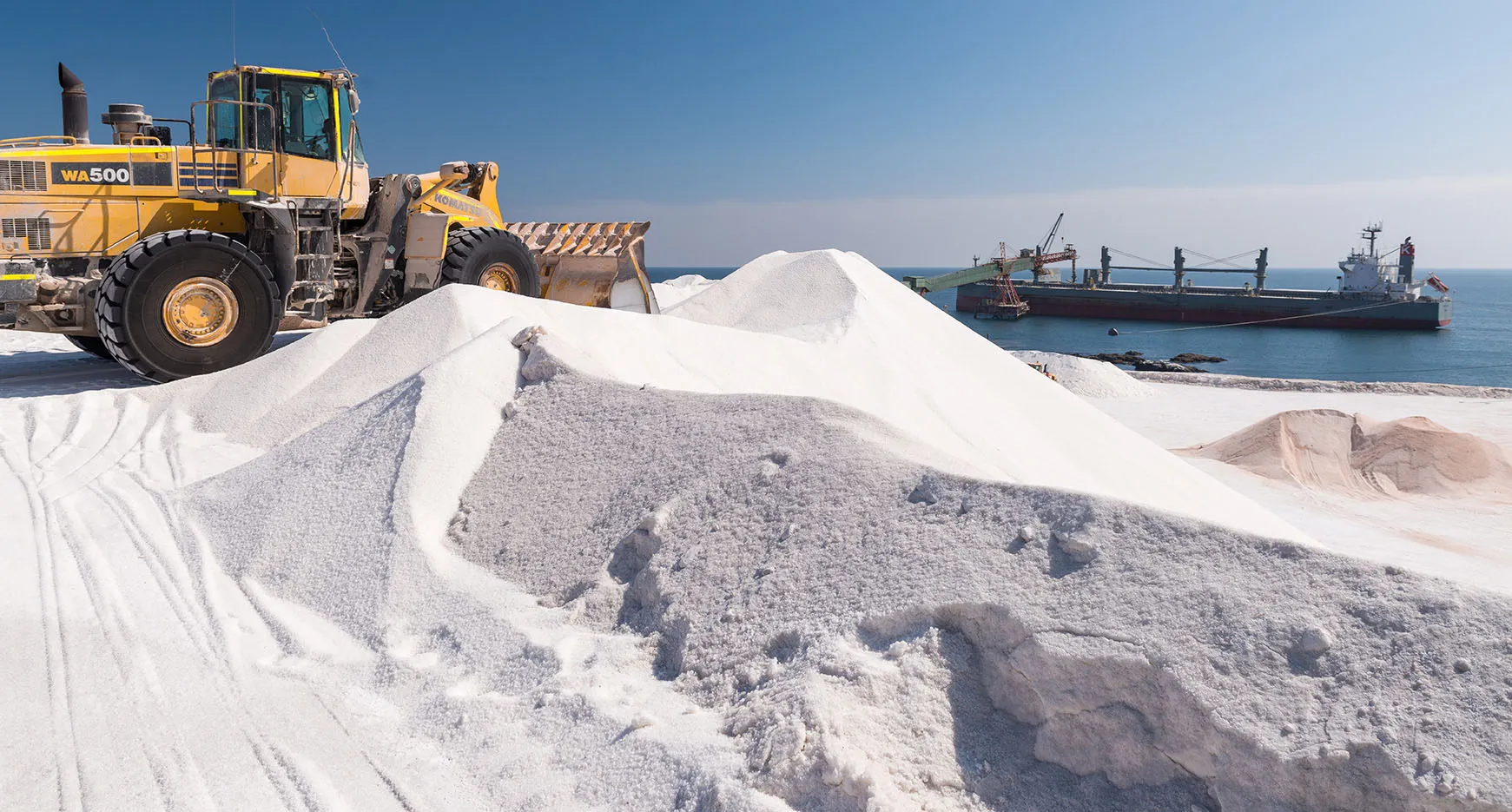
Atlas Salt advances the Atlantic Project to address North America’s 25-year salt supply gap, leveraging low costs and ocean access to compete with imports.
- Atlas Salt has commenced early works construction at the Great Atlantic Salt Project in Newfoundland, transitioning the project from exploration into permanent infrastructure development.
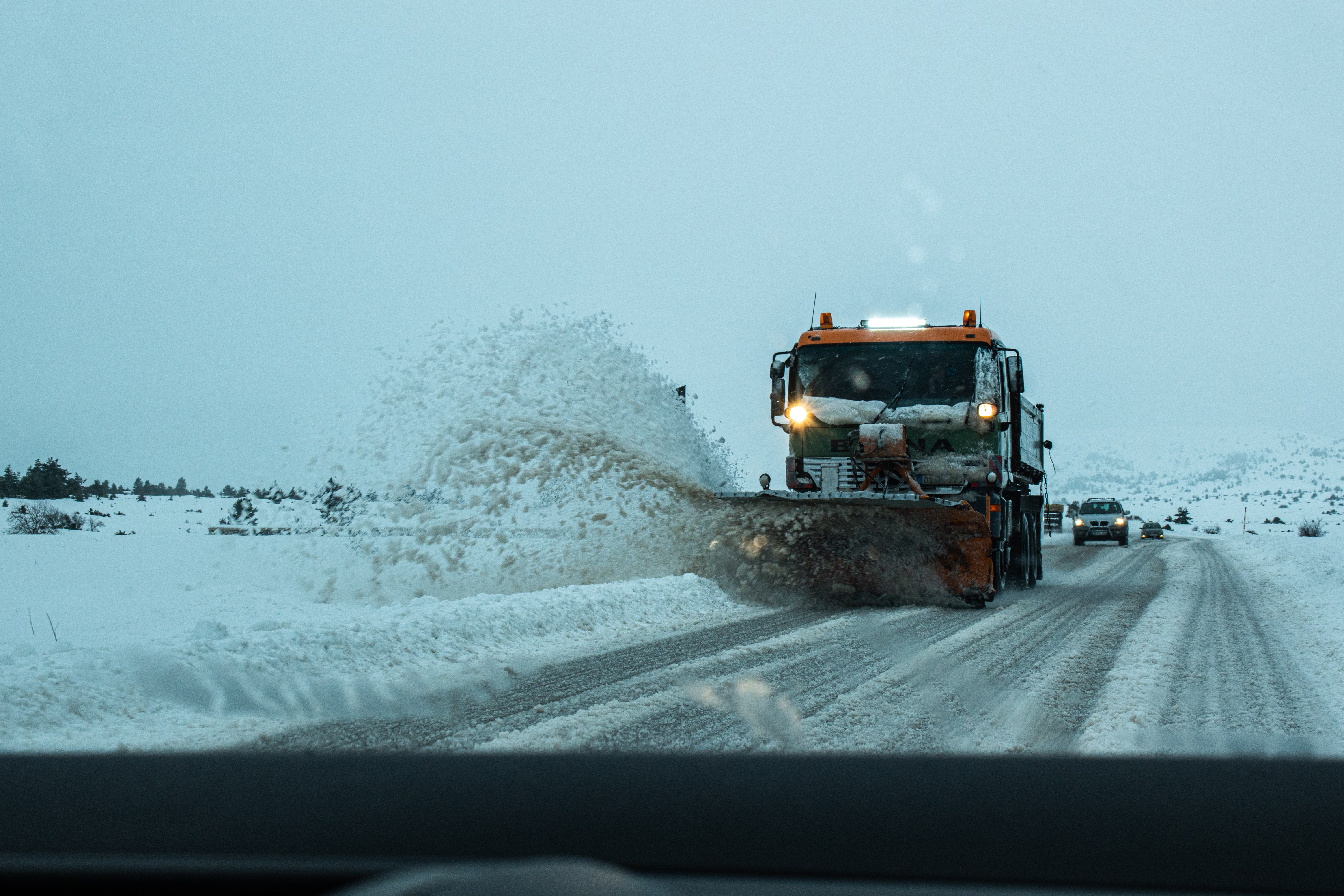
- No new salt mine has been built in North America in 25 years, with 30% to 40% of continental road salt demand currently met by foreign imports.
- The project claims a lowest-quintile production cost position among North American producers combined with Atlantic Ocean shipping access, a combination it argues makes it competitive against both domestic and overseas supply.
- Atlas Salt updated its Sandvik equipment memorandum of understanding (MOU) to reflect the expanded scope of the revised feasibility study, reaffirming the supplier's commitment to the larger configuration.
- The company is advancing project financing through Endeavour Financial, targeting a defined capital structure that gives equity investors certainty before committing.
Atlantic Project Overview
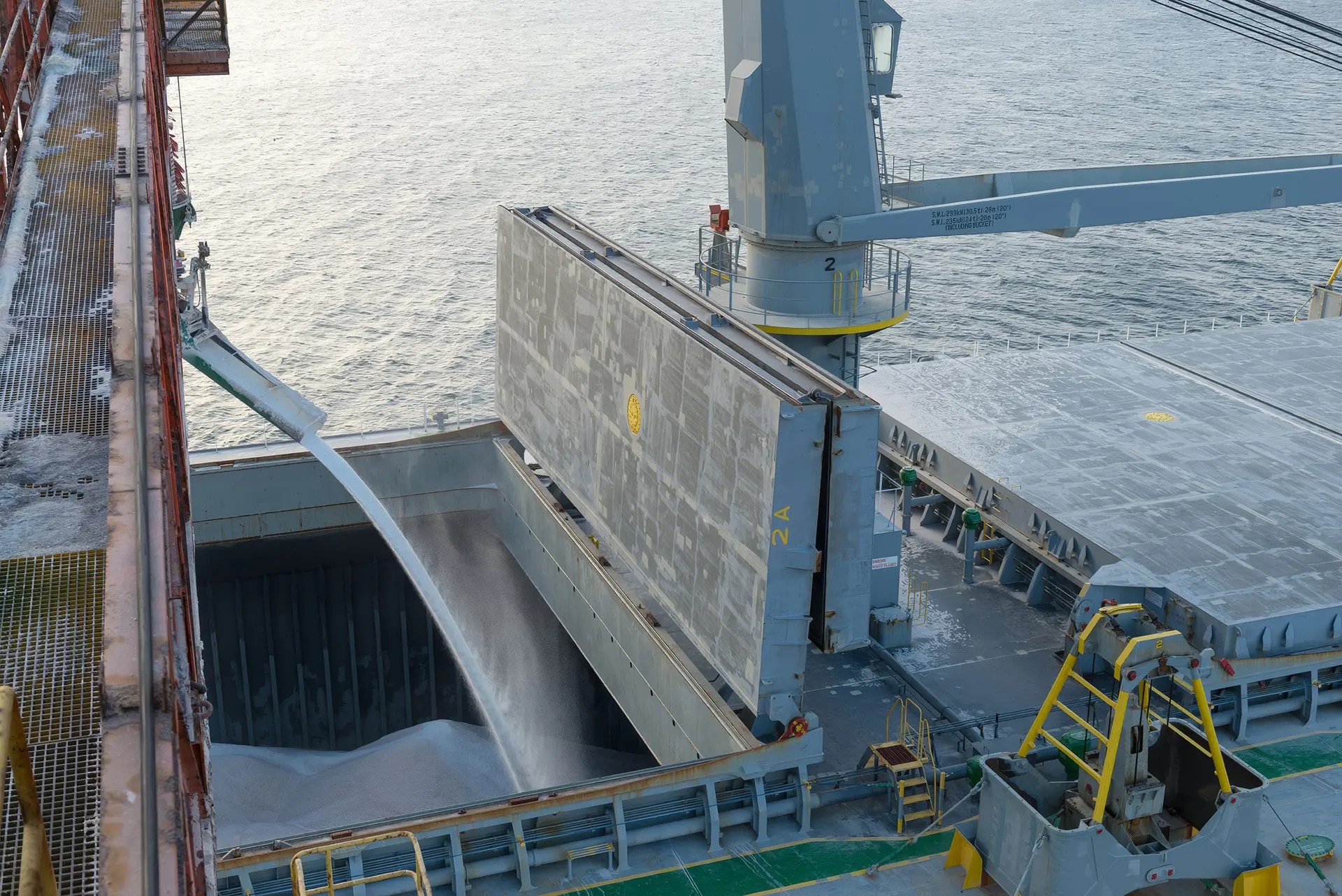
No new salt mine has been built in North America in 25 years. In those years, the continent has come to rely on foreign sources to cover between 30% and 40% of its annual road salt requirements, a structural import dependency that Atlas Salt Inc. (TSXV: SALT) is advancing the Great Atlantic Salt Project in western Newfoundland to address.
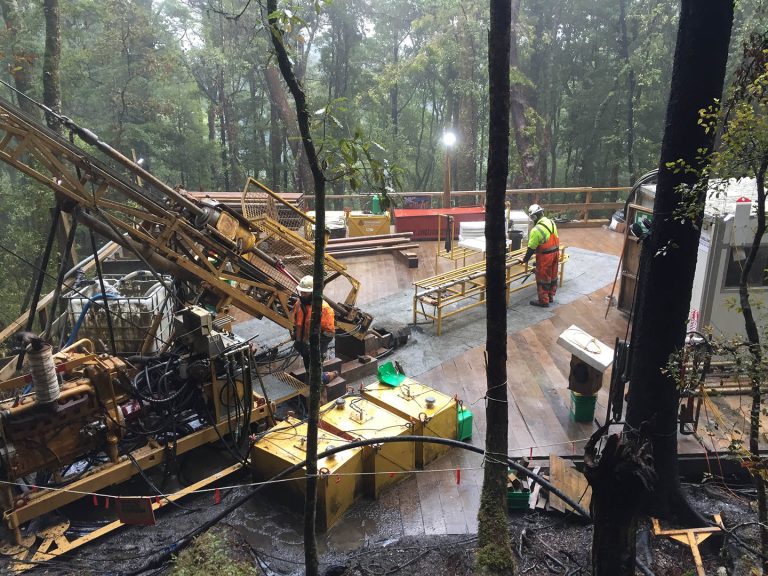
The company commenced early works construction at the project in early 2025, marking its transition from exploration into active development. All capital deployed from this point forward is directed at permanent infrastructure.
A Market Held in Equilibrium by Geography
The North American road salt market operates under a cost structure shaped by two competing supply sources, each constrained by a different factor.
Domestic producers carry relatively low transportation costs by virtue of proximity to their markets, but their production costs are higher. Foreign producers offer lower extraction costs but face a hard floor on their responsiveness: shipping lead times of approximately three weeks or more mean they cannot respond to demand spikes in real time.
Chief Executive Officer of Atlas Salt, Nolan Peterson, described the resulting dynamic:
"Local producers are high cost, low cost of transportation because they're local, and then foreign producers are low cost of production but high cost of shipping."
The company contends it can occupy a position outside both of those constraints as the project's production costs place it in the lowest quintile of North American producers, on par with foreign supply, while its location on the west coast of Newfoundland provides Atlantic Ocean access that no inland competitor can match.
Peterson stated:
"We're the lowest quintile cost producer in North America, and then we're lower shipping cost as well. So we're competitive across the board with both supply sides."
Shipping Network as a Competitive Variable
The distinction between Atlantic access and the shipping networks available to other domestic producers is material. The Goderich mine in Ontario is operated by Compass Minerals, the only directly comparable publicly traded salt company in North America, carrying an enterprise value of approximately $2 billion. Compass ships via the Great Lakes system. That network is substantial but geographically bounded. Landlocked mines face a more acute constraint: distribution is largely limited to truck delivery, with an effective radius of approximately 100 miles.
The Atlantic Ocean network, by contrast, connects the Great Atlantic Project to the entire eastern seaboard and beyond. This creates a responsiveness advantage over both Great Lakes operations and overseas suppliers. If demand softens in one market, vessels can be redirected to wherever conditions require more salt, a flexibility that neither inland mines nor foreign producers can replicate on comparable timescales.
Recent events at Goderich illustrate the demand pressure the existing supply base is operating under. Reports had emerged of empty trucks queued outside the mine, unable to be filled as the operation struggled to keep pace with demand, a visible indicator that the largest underground salt mine in the world is running near capacity.
Sandvik Agreement Reaffirmed at a Larger Scale
As the project moves into development, Atlas Salt updated its memorandum of understanding (MOU) with Sandvik to reflect the expanded equipment package required by the revised feasibility study. The original MOU predated the updated study, and the revised agreement reaffirms Sandvik's commitment to the larger operational configuration.
The company stands that the update addressed a question that can arise when project scope expands: whether a supplier engaged at an earlier stage remains willing and able to support a materially larger operation. Discussions are continuing regarding the potential for Sandvik's involvement to extend beyond conventional equipment supply.
Government & Financing Activity
Atlas Salt has maintained active engagement with both provincial and federal governments in Newfoundland, with discussions covering current project progress and future partnership opportunities. The company cited road safety, job creation, tax revenue, and export growth as factors supporting government interest in the project's advancement.
On financing, the company is working with Endeavour Financial and is in discussions with institutional investors and funds. This process is ongoing, intending to establish a defined financing structure that gives equity participants certainty before committing capital.
FAQs (AI-Generated)
No new salt mines have been developed in North America for 25 years, while demand for road salt has remained steady or increased. This has forced the region to rely on foreign imports for 30% to 40% of its supply, creating a structural supply gap that new projects like Atlas Salt’s aim to address.
The project combines lowest-quintile production costs with direct Atlantic Ocean access. This allows it to compete with low-cost foreign producers while maintaining faster delivery times than overseas shipments and broader reach than inland domestic producers.
Unlike landlocked or Great Lakes-based operations, Atlantic access enables flexible distribution across the eastern seaboard and beyond. This reduces reliance on trucking and allows the company to respond more quickly to demand fluctuations, improving pricing power and utilization rates.
The transition to early works construction marks a shift from exploration to permanent infrastructure investment. This reduces execution risk over time and signals project advancement toward production, which is a key milestone for investors evaluating development-stage assets.
The company is working with Endeavour Financial to structure financing and engage institutional investors. Its goal is to establish a clear capital structure that provides certainty for equity investors before major funding commitments are made.
Analyst's Notes





Subscribe to Our Channel

.jpg)
Stay Informed


