




North America's Industrial Salt Supply Deficit & the Investment Case for Domestic Mine Development


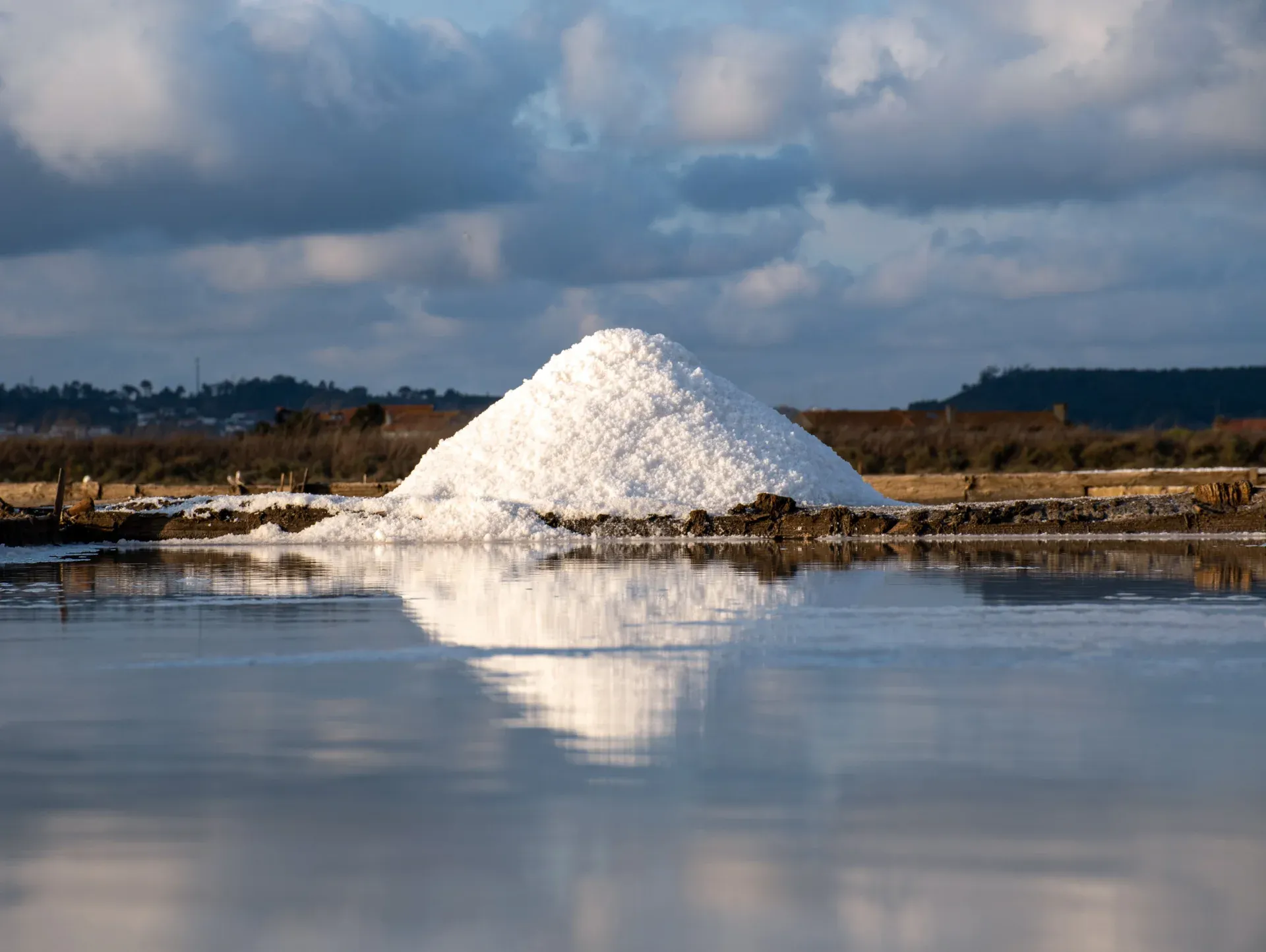
North America faces a structural salt supply deficit as demand rises. New domestic mines like Atlas Salt’s project could benefit from tightening supply chains.
- The global industrial salt market is expected to grow from US$15.9 billion in 2026 to US$23.6 billion by 2033 (5.8% CAGR), driven by chlor-alkali chemicals, de-icing demand, and expanding water treatment and desalination infrastructure.
- North America imports 8 to 10 million tonnes of de-icing salt each year. Recent mine closures, including Cargill’s Avery Island facility, removed about 4.5 Mt per year of domestic supply, creating a structural deficit.
- New shallow, low-emission mines in stable jurisdictions may offer cost and ESG advantages over deep legacy operations and long-distance imports.
- Atlas Salt is advancing the Great Atlantic Salt Project in Newfoundland, with a feasibility study outlining a C$920 million after-tax NPV, a 21.3% IRR, C$589 million in pre-production capital, and operating costs of about C$28 per tonne FOB port.
- The industrial salt segment offers exposure to essential minerals with non-discretionary demand, strong project economics, and growing supply-chain security relevance.
A Commodity Most Investors Overlook & Why That Is Changing
Industrial salt is one of the most widely used industrial inputs in the world, yet it receives little attention from institutional investors. Sodium chloride underpins chemical manufacturing, municipal water treatment, and winter road safety across large parts of North America, making it a critical infrastructure commodity.
Aging mine infrastructure, rising reliance on imports, and tightening environmental scrutiny of long-distance supply chains are reshaping the supply landscape. At the same time, global demand continues to expand alongside chemical manufacturing and infrastructure investment.
These trends point to a commodity with inelastic demand and constrained supply growth. The key investment question is not whether the imbalance exists, but which projects and companies provide the most attractive exposure to it.
Structural Demand Drivers: Chlor-Alkali Expansion, Water Infrastructure & Winter Road Safety
Industrial salt demand rests on three durable pillars: chemical manufacturing, water treatment, and road de-icing. More than 50% of global salt output is consumed in the chlor-alkali process, where sodium chloride brine is converted into chlorine, caustic soda, and soda ash. These chemicals are essential inputs for PVC production, detergents, alumina refining, pulp and paper, and many other industrial processes. Because sodium chloride has no viable substitute at scale, chlor-alkali production provides a stable foundation for salt demand. Growth is increasingly concentrated in Asia Pacific, particularly China and India, where expanding chemical manufacturing hubs are driving demand growth of roughly 7.4% annually.
Demand is further supported by water treatment and desalination. Expanding desalination capacity in the Middle East and North Africa is steadily increasing industrial salt consumption, while new projects such as BCI Minerals’ Mardie development in Western Australia are positioning supply near these emerging demand centers.
In North America, however, the dominant market remains road de-icing, with the United States and Canada applying roughly 29 million tonnes of salt annually. Municipal procurement is largely non-discretionary due to road safety obligations, creating a demand profile that behaves more like a utility service than a cyclical commodity market.
An Aging Asset Base, Escalating Import Dependency & Limited New Capacity
While demand growth is steady, the supply side of the market tells a different story. North America’s salt mining infrastructure is aging and capital intensive, and the absence of new greenfield development for decades has left the region increasingly reliant on imports.
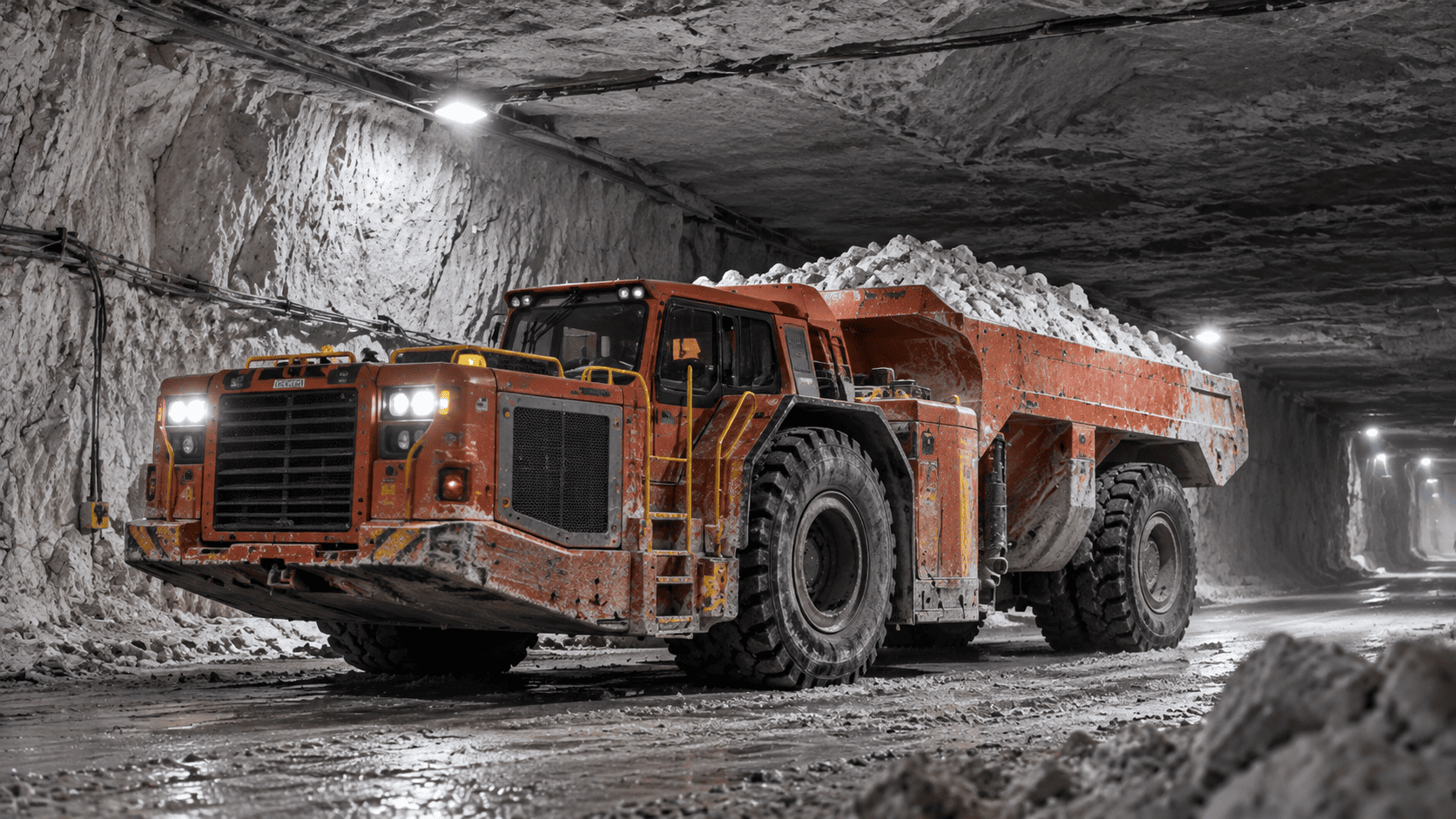
Most operating salt mines in North America are more than 25-30 years old and operate deep shaft systems at depths of 500-600 metres. The Cargill mine in Goderich, Ontario, the world’s largest underground salt mine, operates at roughly 540 metres, where ventilation complexity, shaft maintenance, and long underground haulage significantly increase operating costs. Supply has also tightened as capacity has declined. The 2021 closure of Cargill’s Avery Island mine removed about 2.5 million tonnes per year from the market, while environmental scrutiny surrounding road salt runoff has limited expansion at existing operations.
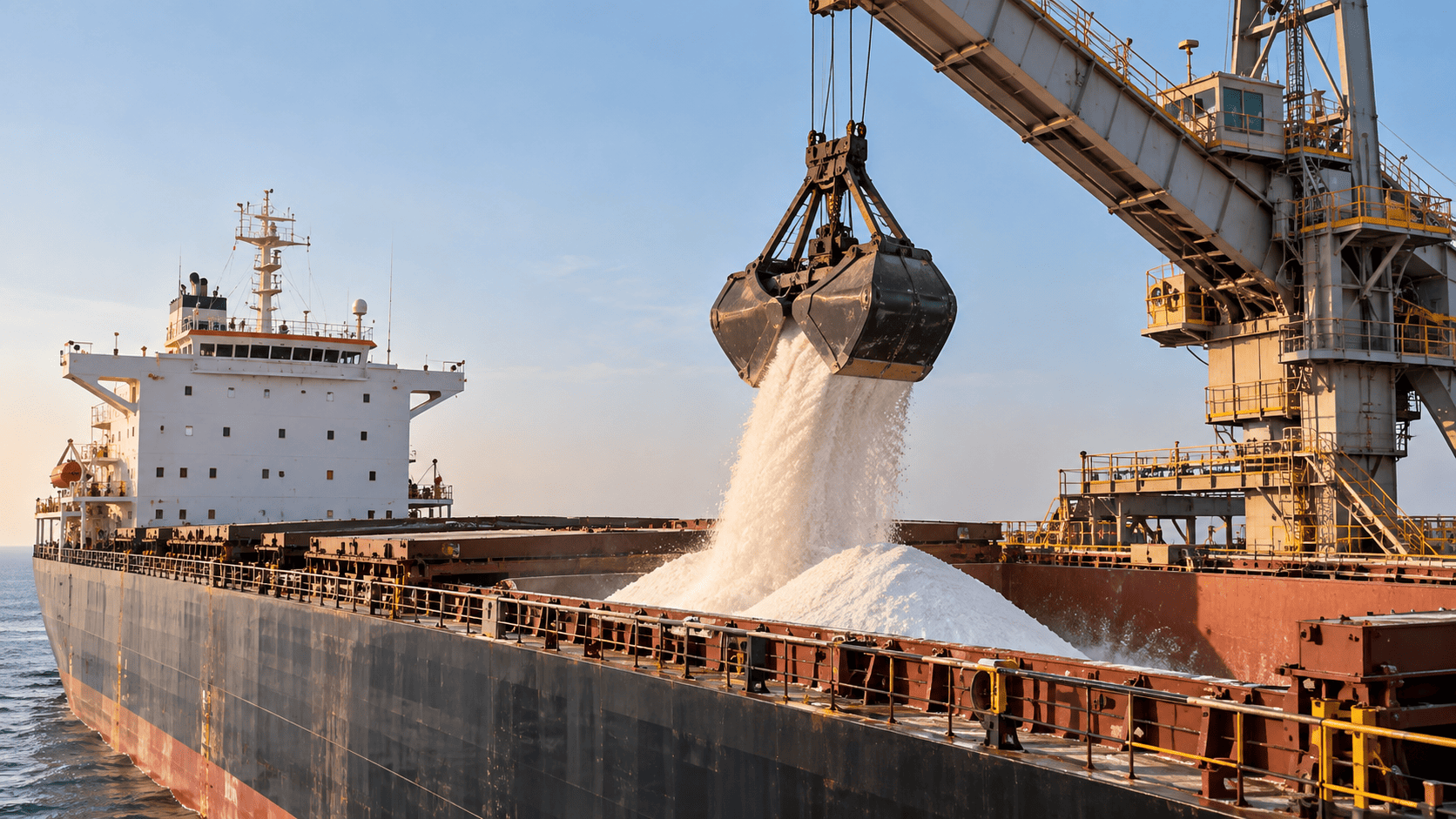
As a result, North America now imports 8-10 million tonnes of de-icing salt annually, with shipments arriving from Chile, Canada, Mexico, and Egypt. Long shipping routes and seasonal demand spikes create supply risks for municipalities, reinforcing the strategic value of domestic production. Institutional investors are beginning to recognize this dynamic. In December 2025, US Salt was acquired for US$907.5 million, valuing the producer at roughly 16.5× EBITDA with backing from Blackstone, BC Partners, and Abrams Capital.
New Mine Development in Focus: Economics, Jurisdiction & Logistics Differentiation
Understanding what separates a viable new salt mine from a speculative concept requires examining the same criteria applied to any institutional-grade infrastructure investment: project economics, jurisdictional quality, logistics integration, and ESG positioning. Not all greenfield salt developments are equivalent, deposit depth, proximity to port, reserve quality, and regulatory environment determine whether a project can sustain the economics required for project finance and long-term offtake.
Financial Health & Strategic Positioning: Feasibility Economics & Capital Structure
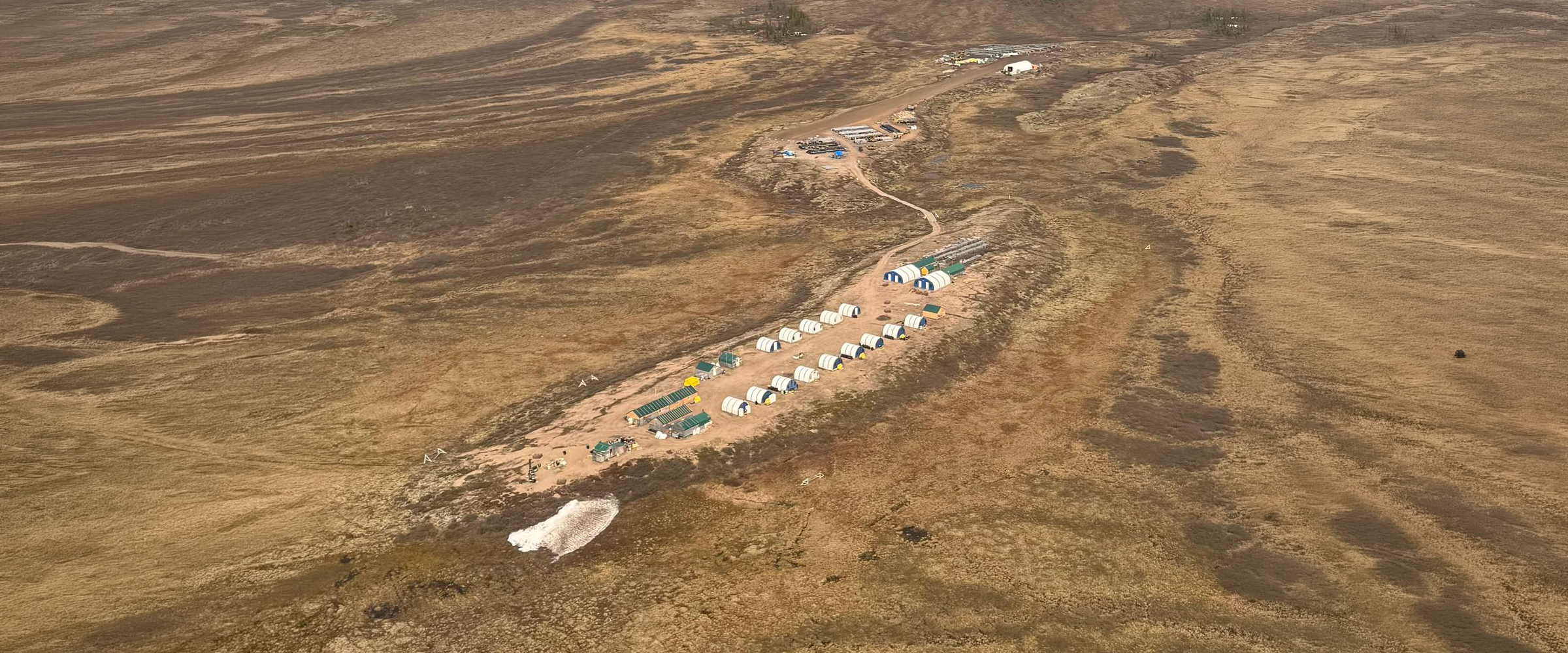
Atlas Salt’s Great Atlantic Salt Project represents the first major new North American salt mine development in roughly 30 years. A 2025 feasibility study outlines an after-tax NPV of C$920 million, a 21.3% internal rate of return, and a 4.2-year payback on C$589 million of pre-production capital. Average annual post-tax free cash flow is projected at C$188 million over a 24-year mine life, with operating costs of roughly C$28 per tonne FOB Turf Point, placing the project near the lower end of the North American cost curve.
Despite these economics, the company’s enterprise value was approximately C$69 million as of October 2025, equivalent to roughly 0.07× NPV. The discount reflects development-stage execution risk but suggests potential re-rating as financing milestones are achieved.
Nolan Peterson, Chief Executive Officer, Atlas Salt, on the structural supply deficit driving the project's strategic rationale:
"The market is at a deficit of local production relative to local demand, which means both markets must import de-icing salt to meet their needs. We have not built a new salt mine on the continent in 25 years, while the population has continued to grow. More roads have been built and more cars are on those roads, increasing demand and forcing greater reliance on imports. That dynamic is what has created the current structural deficit."
Global Market Context: Competitive Dynamics, Regional Supply Chains & Emerging Demand Centers
The investment case for industrial salt is not limited to North America's supply deficit. Global demand dynamics, emerging production projects, and institutional capital flows into the sector collectively define a broader context in which new mine development is both timely and commercially logical. Examining where incremental demand is being created, and how new supply is responding, provides a more complete picture of the opportunity set.
Asia Pacific is the largest and fastest-growing industrial salt market. China’s market is valued at about US$6.7 billion in 2026, while India produces roughly 8.8% of global supply. Rapid chlor-alkali expansion is driving demand growth of about 7.4% annually, supported by PVC manufacturing, aluminium refining, and water treatment infrastructure. Solar evaporation operations supply about 45% of global output and dominate production in Asia and the Middle East, with projects such as BCI Minerals’ Mardie development in Western Australia positioning new supply close to these expanding chemical markets.
The global salt market remains moderately consolidated, with the five largest producers controlling about 30% of supply. Competitive advantages include reserve access, logistics integration, and long-term municipal contracts. Institutional investors are increasingly valuing the sector’s stable cash flows, highlighted by the December 2025 acquisition of US Salt at roughly 16.5 times EBITDA. This premium valuation contrasts with development-stage companies trading at steep discounts to NPV, creating potential re-rating opportunities as projects advance toward financing and construction.
The Investment Thesis for Industrial Salt
- Industrial salt demand is structurally durable, driven by chlor-alkali chemicals, de-icing infrastructure, and water treatment. These non-discretionary uses are largely insensitive to economic cycles, with demand expanding as Asia Pacific chemical capacity grows and North American municipalities face tightening supply chains.
- North America imports 8 to 10 million tonnes of salt annually after roughly 4.5 million tonnes of domestic capacity was removed through mine closures. New supply is slow to emerge due to long permitting and construction timelines, creating a persistent supply gap.
- This environment creates valuation asymmetry for developers. Atlas Salt’s enterprise value of about C$69 million is roughly 7.5% of its C$920 million after-tax NPV, suggesting re-rating potential as financing and construction milestones are achieved. The December 2025 US Salt transaction at 16.5 times EBITDA highlights the valuation gap between operating assets and development-stage projects.
- Low-emission domestic production may also gain procurement advantages as scope 3 reporting expands. Atlas Salt’s fully electric, hydropower-powered design could offer a measurable carbon advantage over imported supply.
- Near-term catalysts include project financing progress in 2026, offtake development with Scotwood Industries, engineering work with Hatch, and potential strategic partnerships. Located in Newfoundland and Labrador, ranked ninth globally in the Fraser Institute’s 2025 survey, the project also benefits from proximity to Turf Point port, the Trans-Canada Highway, and nearby power infrastructure.
The industrial salt market shows the conditions that often precede re-rating in essential minerals: inelastic demand, limited new supply, aging infrastructure, and a growing supply deficit. North America has not built a new salt mine in about 30 years, while population, road networks, and de-icing demand have expanded. Domestic output has declined, leaving the region reliant on 8 to 10 million tonnes of annual imports from distant and increasingly carbon-intensive sources.
As institutions and procurement agencies place greater emphasis on domestic supply security, environmental performance, and contract stability, the case for new production has strengthened. Recent transactions reflect this shift, including the December 2025 US Salt deal at 16.5 times EBITDA. At the same time, projects such as the Great Atlantic Salt Project show strong economics, with an after-tax NPV of C$920 million against an enterprise value of about C$69 million.
This analysis is a starting point for due diligence rather than a recommendation. It highlights that industrial salt deserves closer attention within portfolios focused on essential commodities, supply-chain security, and infrastructure-linked assets. The supply deficit is measurable, project economics are robust, and demand is expected to grow through 2033 and beyond.
TL;DR
Industrial salt is a critical but underappreciated commodity that supports chemical manufacturing, water treatment, and winter road safety. Global demand is expected to grow steadily through 2033, while North America faces a structural supply deficit after decades without new mine development and recent capacity closures. The region now imports 8 to 10 million tonnes of salt annually, exposing municipalities to supply chain risks during winter demand spikes. This imbalance is beginning to attract institutional attention, highlighted by the 2025 acquisition of US Salt at about 16.5× EBITDA. Development projects such as Atlas Salt’s Great Atlantic Salt Project, with strong feasibility economics and low operating costs, illustrate how new domestic production could address supply shortages while offering potential valuation upside for investors.
FAQ (AI generated)
Industrial salt demand is anchored by three major uses: chlor-alkali chemical production, water treatment infrastructure, and road de-icing. More than half of global salt production feeds the chlor-alkali process, which produces chlorine and caustic soda used in PVC, detergents, and many other industrial materials. Water treatment and desalination systems also require salt-based processes, while municipal de-icing is essential for road safety in colder climates. Because these uses are tied to infrastructure and public safety rather than discretionary consumption, demand tends to remain steady even during economic downturns.
The deficit is largely the result of aging mine infrastructure and limited new development. Many North American salt mines are more than 25 to 30 years old and operate at deep shaft depths of 500 to 600 metres, which raises operating costs and limits expansion. At the same time, several facilities have closed in recent years, including Cargill’s Avery Island mine, removing millions of tonnes of domestic supply. Without new projects coming online, the region has increasingly relied on imports from countries such as Chile and Egypt to meet winter demand.
Long-distance imports create logistical and geopolitical risks for municipalities that must secure salt supplies before winter seasons. Shipping times from overseas suppliers can exceed two weeks, and disruptions from weather, port congestion, or freight volatility can threaten supply during peak demand periods. Domestic production reduces these risks while also aligning with growing procurement preferences for local, lower-emission supply chains, particularly as governments adopt stricter environmental reporting standards.
Atlas Salt’s Great Atlantic Salt Project in Newfoundland represents the first major new salt mine development in North America in roughly 30 years. The project’s feasibility study outlines strong economics, including an after-tax NPV of C$920 million, a 21.3% internal rate of return, and relatively low operating costs. Its proximity to port infrastructure and access to hydropower could also reduce transportation and emissions costs compared with deep legacy mines or imported salt. These factors position the project as a potential new supply source in a tightening market.
Industrial salt assets often generate stable, contract-based revenue streams, particularly when selling to municipal customers or chemical manufacturers. As supply constraints become clearer, investors are beginning to value these assets more like infrastructure investments than traditional commodities. This shift is illustrated by the 2025 acquisition of US Salt at approximately 16.5 times EBITDA. For development-stage companies, this creates a valuation gap between current market prices and potential future cash flows if projects successfully move into production.
Analyst's Notes





Subscribe to Our Channel



Stay Informed


