




Optionality as Strategy: Designing Mines Without Fixed Outcomes


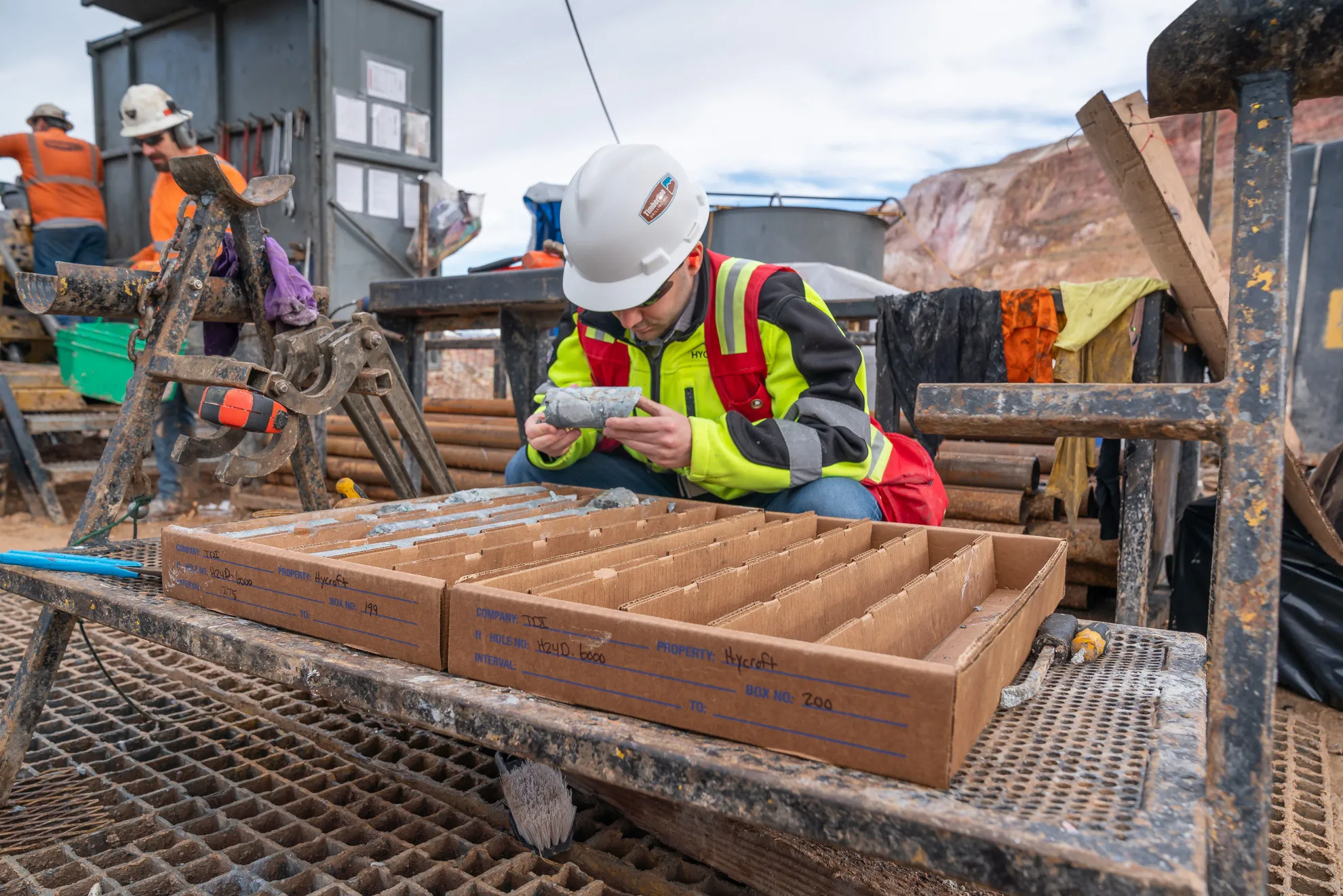
Mining developers are embracing optionality, designing flexible mine plans that adapt to market volatility, reduce upfront capital, and prioritise early cash flow.
- Mine developers are moving away from fixed, single-path project designs toward staged, flexible development models that preserve capital and keep strategic options open.
- Early capital commitment in large, low-grade projects carries hidden costs: fixed processing routes, multi-decade mine lives, and front-loaded debt exposure leave developers vulnerable to margin compression when commodity cycles turn.
- The three practical expressions of optionality in mine design are ore sequencing, which prioritises highest-grade material first; processing flexibility, which defers route selection until construction; and infrastructure design that serves multiple ore sources, reducing the upfront capital required before first production.
- Hycroft Mining has reoriented its Nevada project around the high-grade Brimstone and Vortex zones as the first production target, keeping both pressure oxidation (POX) and roasting processing routes open while evaluating a production-scale decline from the Brimstone pit that would convert an exploration capital commitment into a production asset.
- Developers in the optionality phase typically trade at a discount to intrinsic asset value until a defined mine plan provides the market with a verifiable basis for net present value (NPV)-based valuation; that discount typically compresses as projects advance toward a defined mine plan, at which point NPV-based valuation becomes the market's primary reference point.
When the Plan Is to Keep Options Open
The conventional logic of mine development has long favoured scale: build big, amortise capital over decades of production, and trust that commodity cycles will eventually cooperate. Rising input costs, tighter capital markets, and a commodity price environment that can shift materially within a single quarter, compressing margins on fixed-cost, low-grade operations before capital commitments can be restructured, have created appetite for a different philosophy, one that prizes optionality above certainty.
Rather than committing early to a fixed plant size, a single processing pathway, or a defined mine sequence, developers such as Hycroft Mining are designing projects around the ability to pivot. The shift is more than a financing strategy. When market conditions change faster than environmental assessment cycles, the developer who can adapt without redesigning the entire project can avoid the cost and delay of redesigning permits, processing configurations, or mine sequences mid-development. Optionality, properly constructed into a project from the outset, has become a form of risk management as much as a development approach.
The Cost of Commitment
For decades, the economics of large-scale mineral deposits rewarded early commitment. A developer who could demonstrate a complete, financeable mine plan, with a fixed plant, defined throughput, and a net present value (NPV) underpinned by bankable feasibility, could access project finance debt, typically at a lower cost of capital than equity, by reducing lender uncertainty around construction risk and revenue timing. That model carried hidden costs that are now more visible. Long project timelines expose developers to multiple commodity cycles, and large capital commitments made early reduce financial flexibility at the stage when discoveries, if drilled out, could materially redefine the project's mine plan and valuation. Fixed processing routes can lock developers into cost structures that become difficult to defend if the ore body evolves or by-product markets shift.
The issue is particularly acute for projects anchored in low-grade, bulk-tonnage ore bodies. When grade is the primary challenge, economies of scale become both the solution and the constraint: build throughput large enough to make the grade work, but accept that margins will compress in a down market.
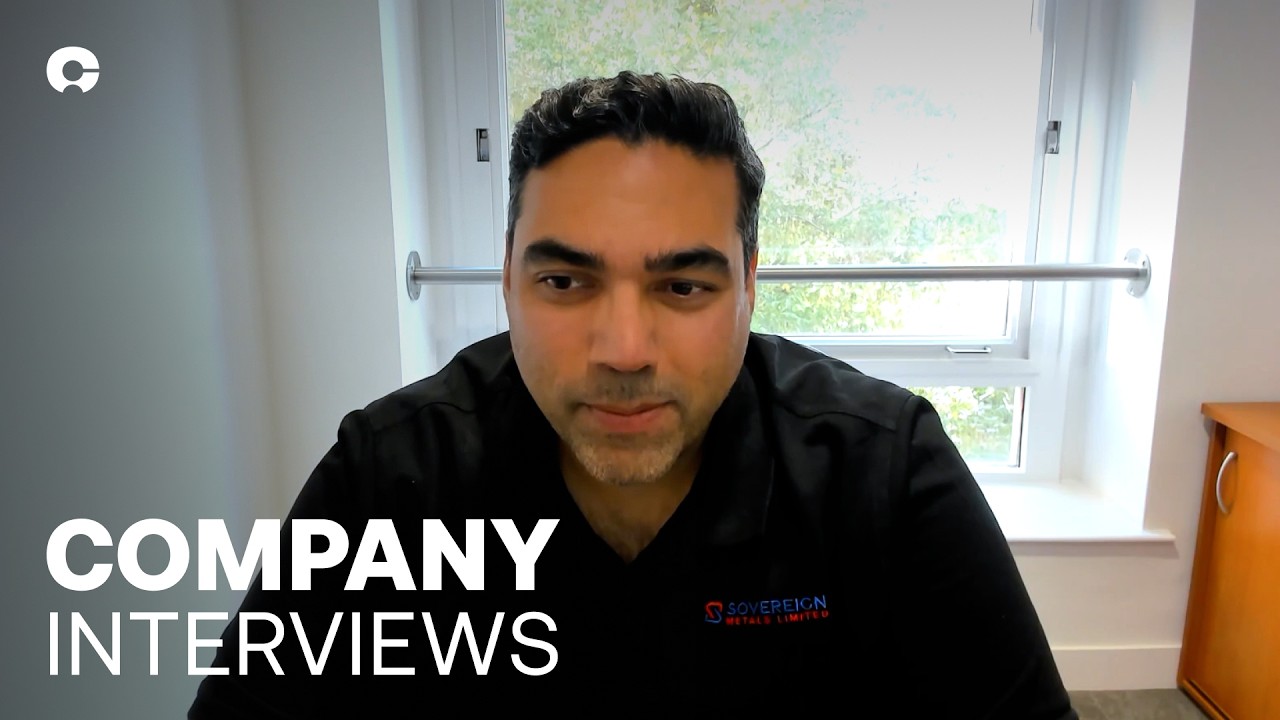
President and Chief Executive Officer of Hycroft Mining, Diane Garrett, frames the balance sheet dimension of that vulnerability plainly:
"When you're a non-cash flowing developer, you shouldn't have debt on your balance sheet. Any institution wanting to take a position in the company, its equity would be at risk."
For projects that carry both a large low-grade resource and an emerging high-grade component, the strategic tension between the two development paths can define how the market perceives the asset for years.
Emerging Practices: Building Flexibility Into the Design
The practical expression of optionality in mine design takes several forms. The first is sequencing: starting with the highest-grade ore rather than the ore that fits the largest plant. This front-loads revenue and free cash flow generation into the mine life, reduces the required upfront capital commitment, and means that if market conditions deteriorate, the developer is already in production on the most economically resilient ore rather than years away from it.
The second is processing flexibility. Commissioning metallurgical test work on multiple processing routes, rather than selecting one early, preserves the ability to make the most economically rational choice at the time of construction. In some cases, the preferred route under one commodity price scenario is not the preferred route under another, making early commitment a source of avoidable risk.
The third is infrastructure optionality: designing underground access and processing facilities to serve multiple ore sources rather than a single zone. Where early-stage infrastructure can be repurposed for subsequent phases, or where concentrate can be transported to third-party facilities rather than requiring an on-site plant, upfront capital requirements fall materially.
Remaining Challenges: Where Flexibility Has Limits
Optionality is not without cost. Maintaining multiple development pathways requires continued drilling, metallurgical test work, and engineering studies that consume capital without generating immediate production. Developers pursuing this approach must fund the information-gathering phase long enough to reach decision points with confidence, placing a premium on balance sheet strength. Institutional investors, whose participation is increasingly central to junior mining capital formation, generally require sufficient certainty around a development path before committing capital at scale, which can create tension with a developer's desire to keep options open.
Market valuation presents a related challenge. Developers in the optionality phase often trade at a discount to both producers and to developers with more mature project definitions. That discount can persist until a defined mine plan gives the market a verifiable basis for NPV-based valuation.
Project Example: Hycroft & the High-Grade Reconfiguration
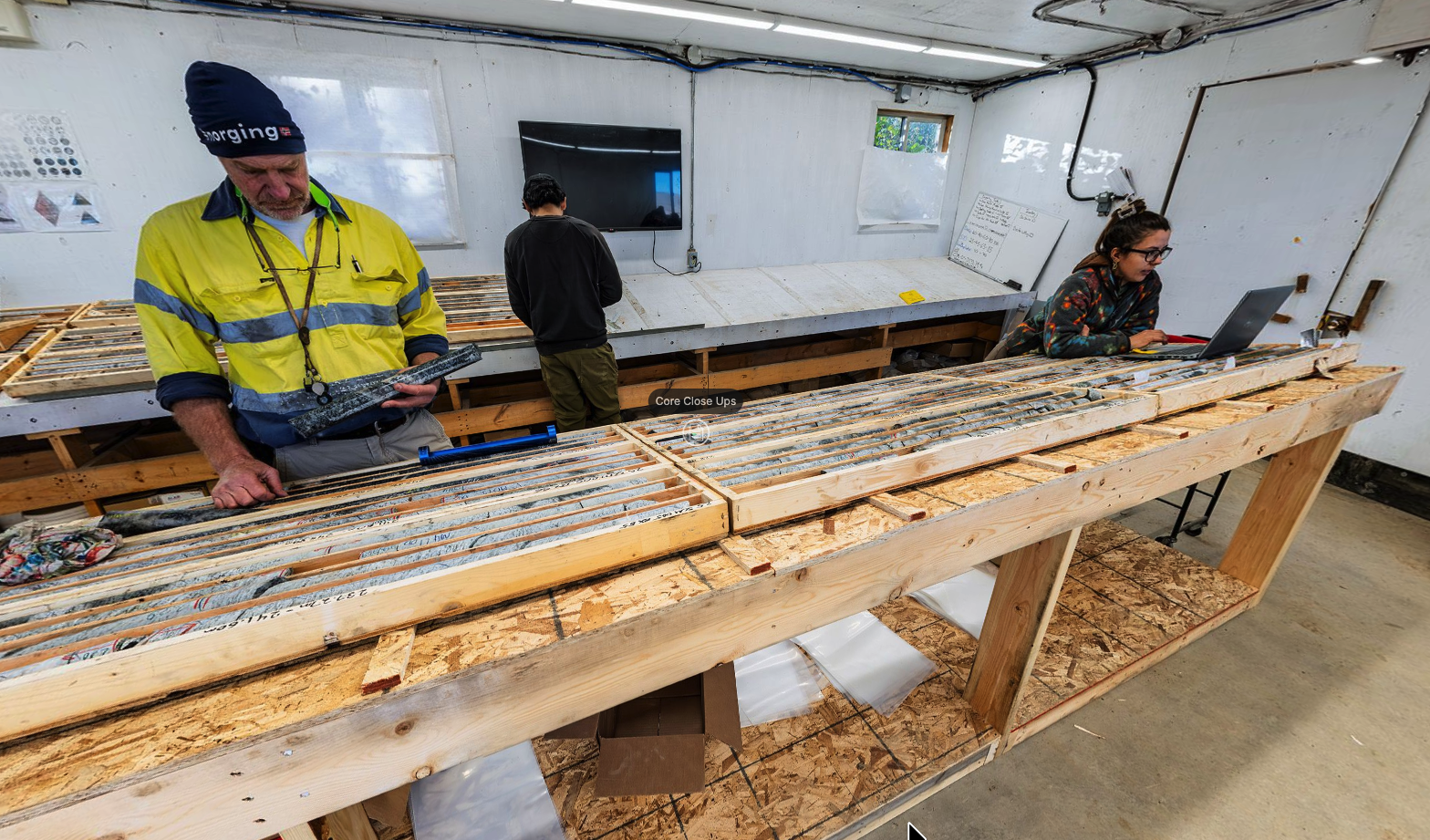
Hycroft Mining (Nasdaq: HYMC) and its Hycroft project in Nevada, United States, illustrate both the strategic logic of optionality-driven development and the practical requirements of executing it. The project hosts one of the world's largest precious metals deposits, historically understood in the context of its large, low-grade, heap leach (HL)-amenable resource. The emergence of high-grade silver discoveries at the Brimstone and Vortex zones has materially altered that conversation, with multi-thousand-gram silver intercepts and ongoing extensions of the system to depth suggesting the high-grade component is still growing.
Rather than advancing the large, low-grade bulk project as the primary near-term objective, management has reoriented around the high-grade underground as the first production target, requiring less upfront capital and allowing earlier entry into production, potentially through concentrate sales to third-party facilities.
Garrett describes the sequencing logic in terms of both geology and development strategy:
"We believe that to get into production, we should start here on the high grade. We can mine Brimstone by open pit, but we can also take it underground. Vortex sits much deeper, so that will be an underground target. But you can drift over from Brimstone to Vortex."
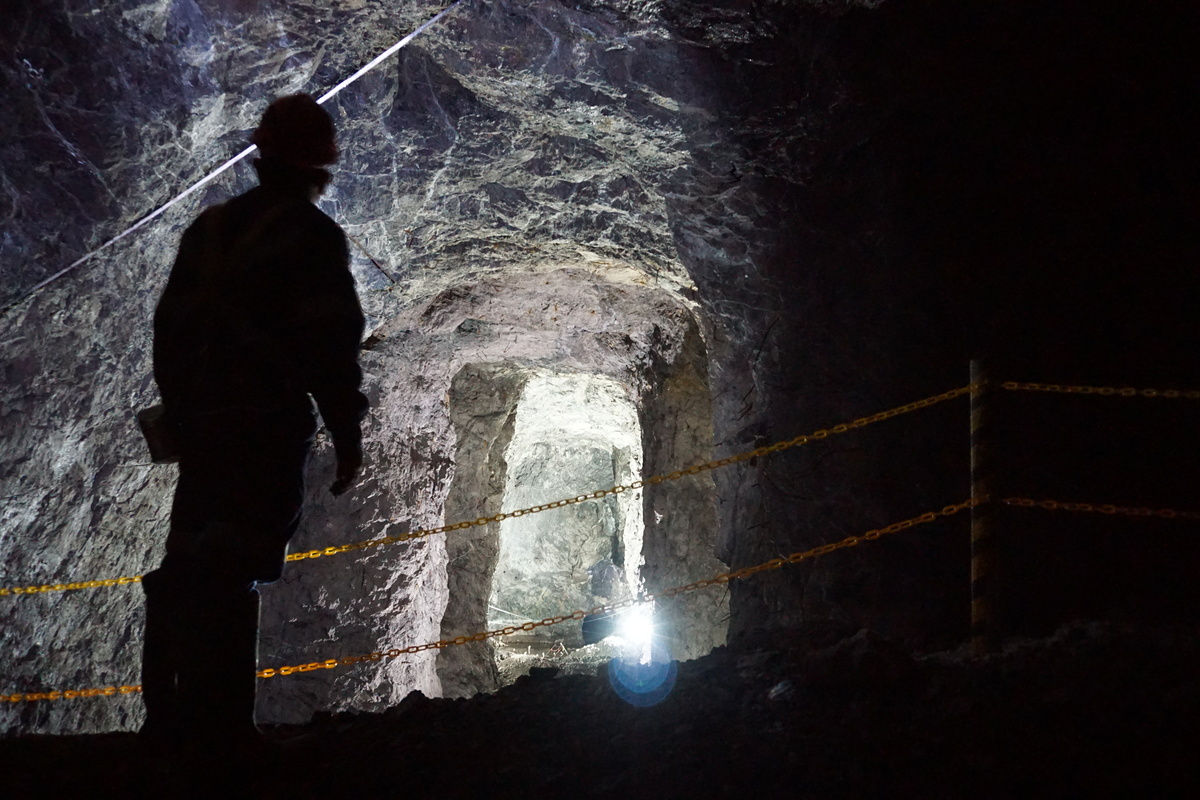
The processing route remains an open question by design. Pressure oxidation (POX) test work is complete; roasting metallurgical work is ongoing. The choice matters economically: roasting could convert sulfur, currently a cost centre under POX, into sulfuric acid sold into the lithium, fertiliser, and copper markets, adding a third revenue stream. A decline being evaluated from the base of the Brimstone pit would similarly serve double duty, built to production-scale dimensions so that an exploration investment becomes a production asset without a separate capital commitment.
Nevada as an Enabling Environment
Nevada's regulatory framework allows developers to hold permits across multiple processing configurations simultaneously, reducing the permitting risk of transitioning between development approaches. The existing on-site infrastructure, which management estimates would cost in excess of a billion dollars to replicate, provides a platform for multiple development configurations without requiring the developer to recommit from a greenfield position.
The property's operational rail line adds a further dimension. Concentrate from a smaller, high-grade operation could potentially be railed to processing facilities elsewhere in Nevada, reducing the initial capital requirement while preserving access to the value of the ore.
Industry Outlook: Optionality as Competitive Advantage
The structural conditions making optionality valuable in mine development are unlikely to reverse in the near term. Capital market access for junior developers remains selectively available, commodity price volatility is a persistent feature, and the capital required to advance Hycroft from its current development phase to production remains contingent on completing the roasting test work and updating the resource. In that environment, developers who have designed genuine flexibility into their projects will be better positioned than those who committed early to a single path.
Developers in the optionality phase frequently trade at a discount to intrinsic asset value because the market does not fully capture the value of preserved choices. As projects advance toward defined mine plans, that discount typically compresses, representing a structural opportunity for investors willing to underwrite the uncertainty. For Garrett, the strategic horizon beyond the optionality phase is unambiguous.
"The focus is to become a producer. All of us in the company have been with producing companies, and that is what we are focused on."
The broader lesson may be that the binary choice between greenfield developer and producer is less useful than it once was. A project deliberately designed to enter production on its best ore first, defer back-end capital, and preserve processing route flexibility until the economics are fully understood is not simply a developer. At Hycroft, that design includes permitted processing infrastructure, an existing on-site capital base management estimates at over a billion dollars to replicate, and a sequenced development path targeting the highest-grade ore first.
FAQs (AI-Generated)
Optionality refers to designing mining projects with multiple development pathways, such as different processing methods, mine sequences, or infrastructure uses, allowing companies to adapt to changing market conditions.
Fixed plans can lock companies into high capital costs and rigid operations. With volatile commodity prices and rising costs, flexibility allows developers to adjust strategies without costly redesigns.
By prioritising high-grade ore first, delaying major capital investments, and keeping processing options open, companies can generate earlier cash flow and reduce financial risk.
Maintaining flexibility requires ongoing investment in drilling, engineering, and testing. It can also delay clear valuation, as investors often prefer defined mine plans.
Projects with high optionality may initially trade at a discount due to uncertainty, but they can offer significant upside as development pathways are defined and risks are reduced.
Analyst's Notes





Subscribe to Our Channel


Stay Informed






















