




Cabral Gold's Focus Is Shifting From Discovery to Predictability at MG


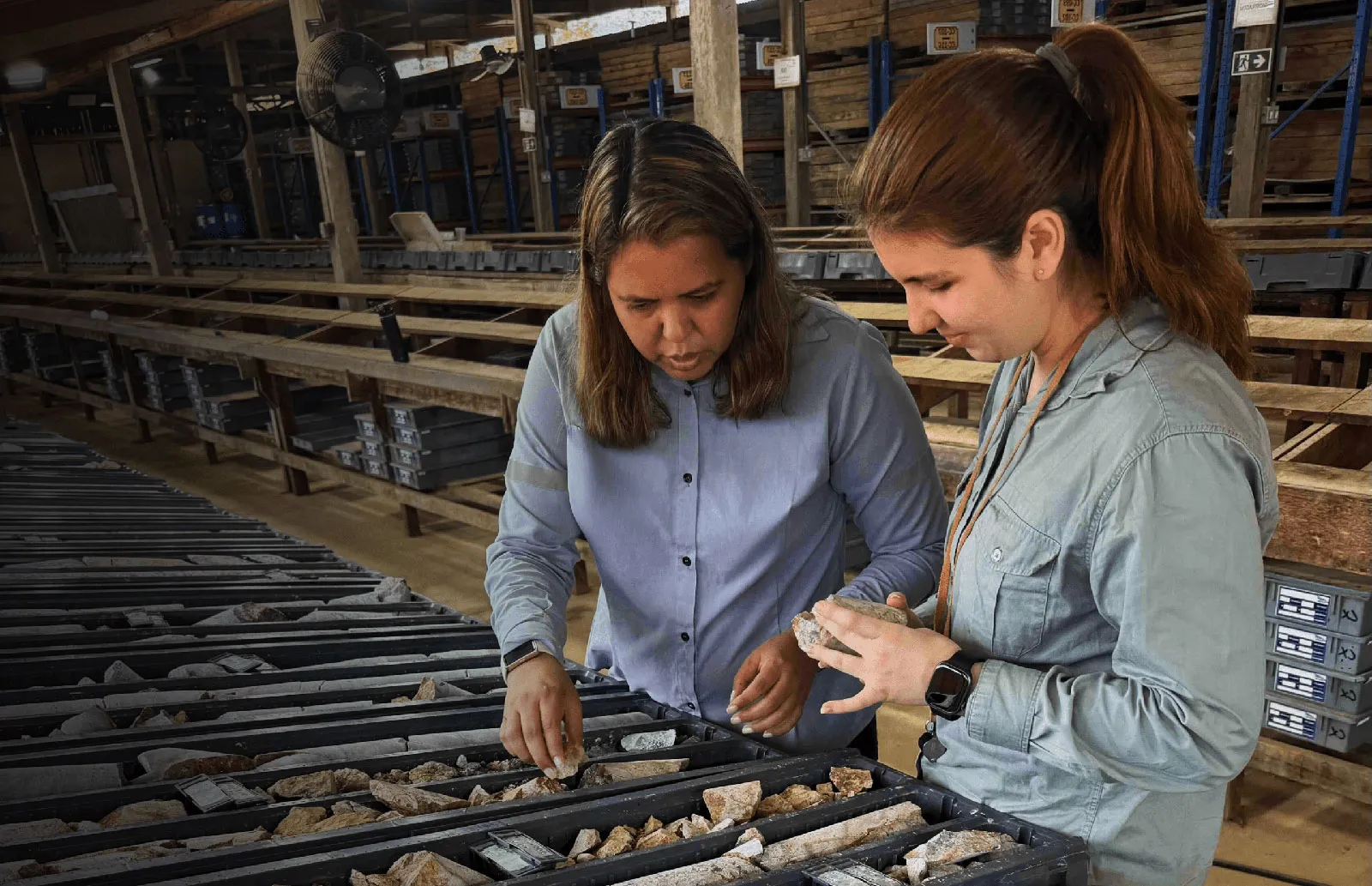
Cabral Gold advances MG toward production with 158 infill holes, 3% model reconciliation, and expanding district exploration in Brazil.
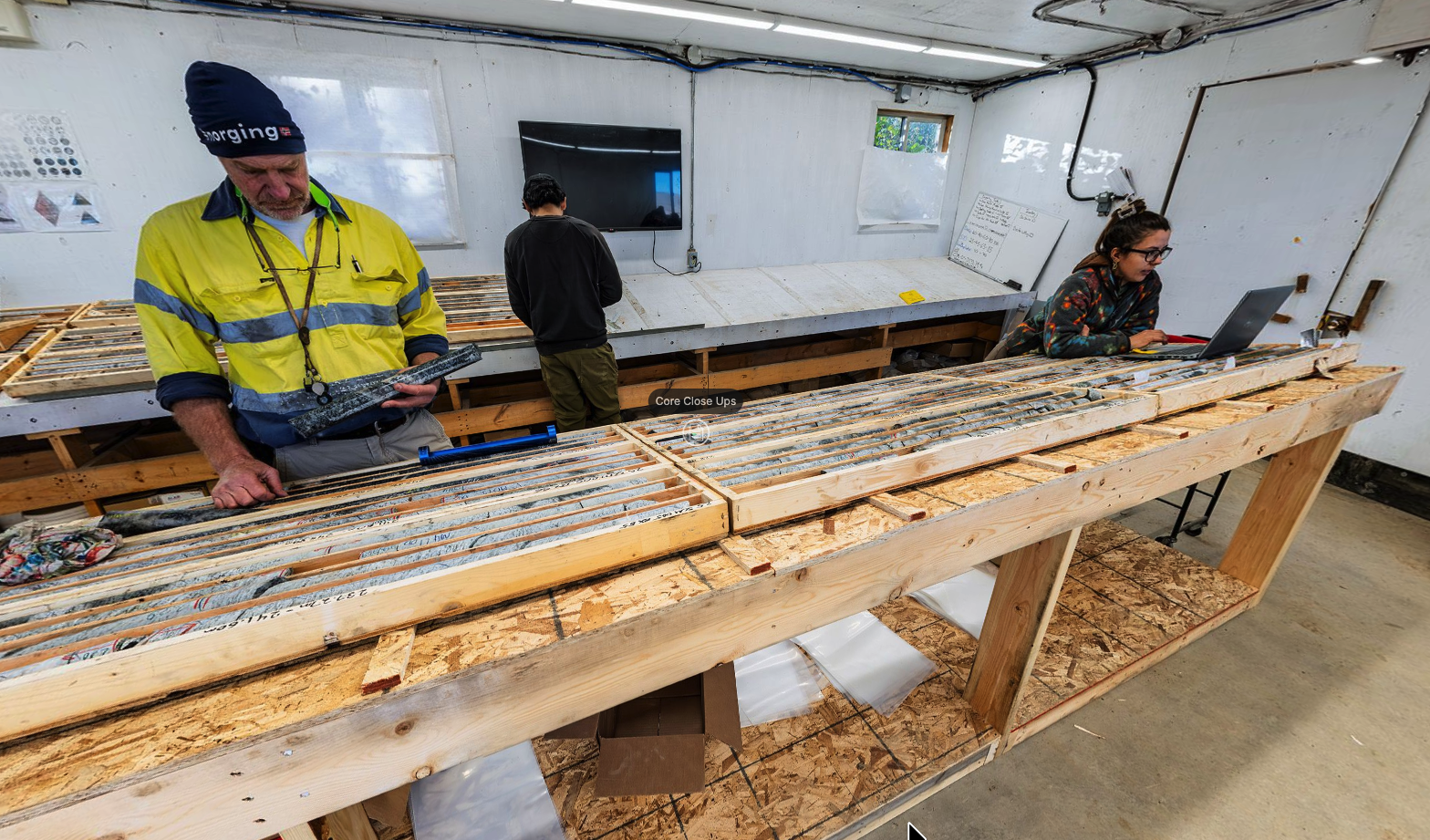
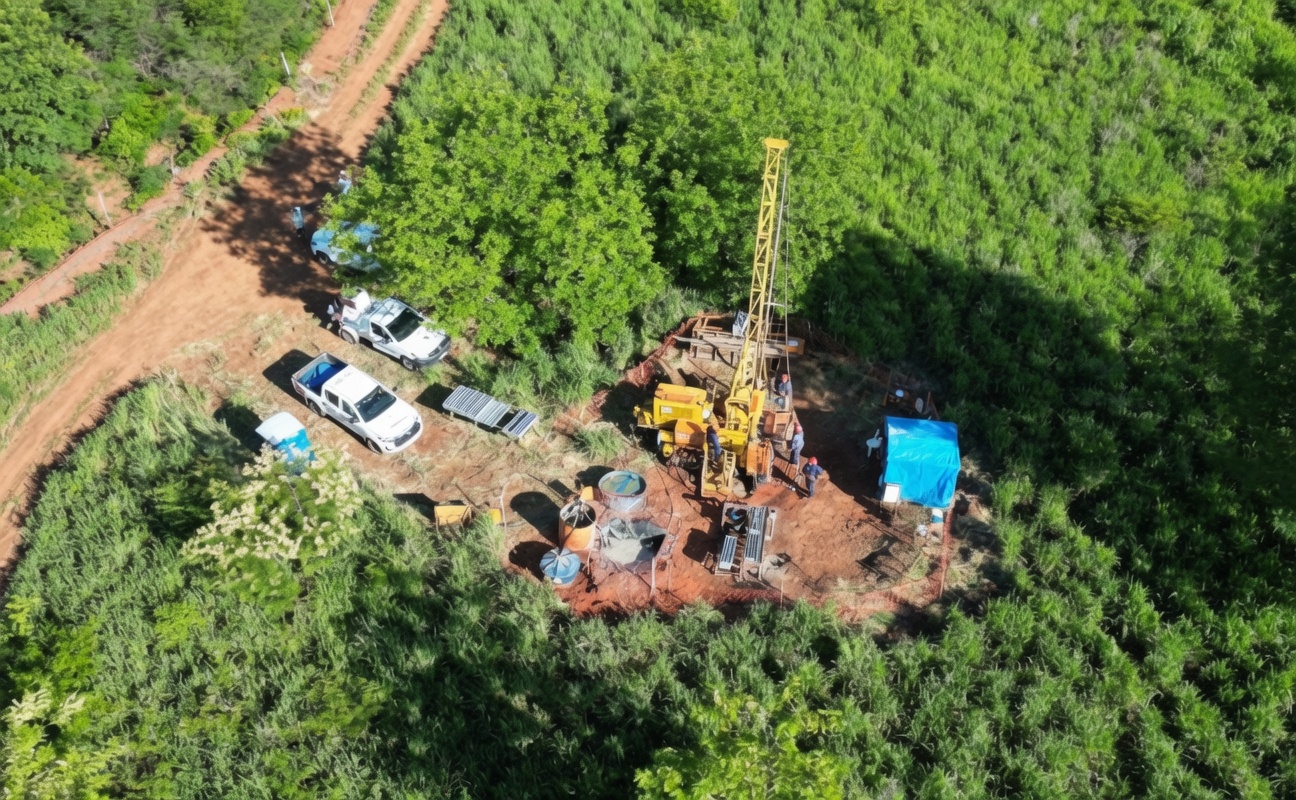
- Cabral Gold has completed 158 reverse circulation (RC) infill holes totalling 5,573 metres at the MG gold deposit, with an early model reconciliation coming within 3% of the pre-existing geological model.
- Notable intercepts include 25 metres at 4.35 grams per tonne (g/t) gold, 46 metres at 1.25 g/t gold, and 39 metres at 0.70 g/t gold, all from surface within the Year 1 pit outline.
- The infill programme targets measured reserve classification ahead of Phase 1 heap leach production in the Fourth Quarter of 2026, with construction 70% complete and a pre-feasibility study (PFS)-defined all-in sustaining cost (AISC) of US$1,210 per ounce.
- Following the close of a C$20 million bought deal in March 2026, Cabral doubled its rig count to 6, directing the expanded programme at Jerimum Cima, Mutum, Central, Machichie Main, and Machichie NE.
- With MG infill complete, the RC rig shifts to exploration at Jerimum Cima, where recent drilling returned 9.5 metres at 87.4 g/t gold, anchoring the Phase 2 hard rock resource case.
Why Infill Drilling Matters More Than It Looks
For most junior gold developers, the word "infill" rarely generates excitement. Infill drilling is methodical work: tightening drill spacing, confirming grade continuity, and building the statistical foundation that reserve estimation demands. It does not produce the headline-grabbing intercepts that move share prices in a single session. But at Cabral Gold Inc.’s (TSXV: CBR | OTCQX: CBGZF | FRA: C3J), Cuiú Cuiú Gold District in northern Brazil, the MG infill programme is doing something arguably more valuable than generating exploration news. It is converting a mine plan from a probability into a commitment.
Across two batches of results released during May 2026, Cabral has now completed 158 infill reverse circulation (RC) holes at the MG starter pit, totalling 5,573 metres, with assay results still pending on the remaining 76 infill holes. The purpose is precise: upgrading the current MG reserve to measured classification ahead of Phase 1 gold-in-oxide heap leach production, targeted for the fourth quarter of 2026. Construction stood at 70% complete as of May 7, 2026.
What the Geology Makes Possible
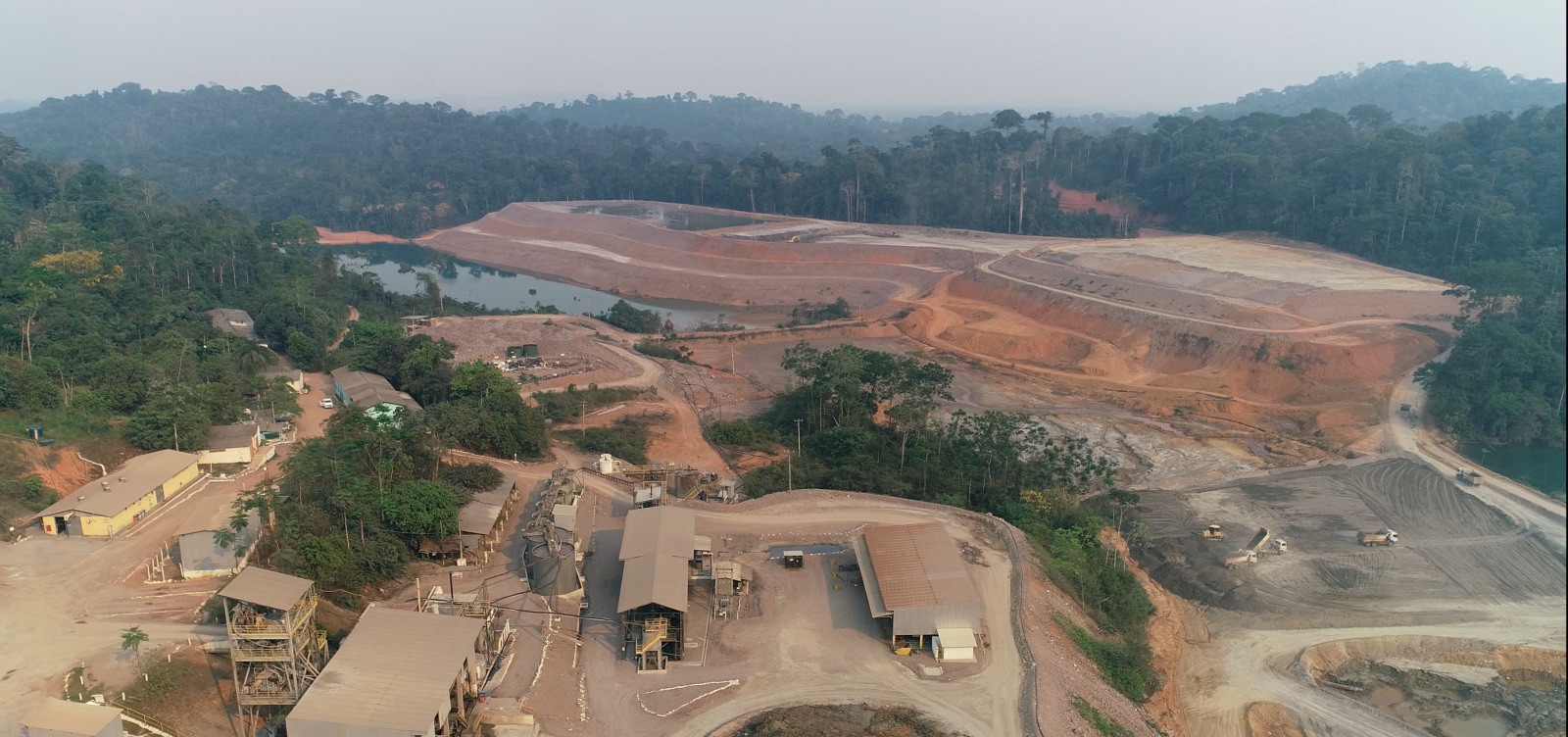
The upper portion of the subvertical MG gold mineralisation is extensively weathered, producing a vertical profile of highly weathered basement saprolite extending to approximately 60 metres depth. This saprolite, together with overlying mineralised blanket sediments and soils, forms the starter pit for Phase 1. The material is free-digging, requiring no drilling or blasting, which underpins the pre-feasibility study (PFS) cost structure: an all-in sustaining cost (AISC) of US$1,210 per ounce and a capital build of US$37.7 million, as set out in the July 2025 PFS.
The Drill Results & What They Confirm
The infill results across both May releases confirm grade continuity throughout the Year 1 pit outline, with intercepts distributed across the eastern and central portions of the MG starter pit. Highlighted results from the May 26 batch include 25 metres at 4.35 grams per tonne (g/t) gold from surface, 39 metres at 0.70 g/t gold from surface, 36 metres at 1.07 g/t gold from surface, and 21 metres at 1.60 g/t gold from surface. The May 7 batch produced intercepts including 48 metres at 0.65 g/t gold from surface, 46 metres at 1.25 g/t gold from surface, and 19 metres at 1.80 g/t gold from surface. All reported holes were drilled within the Year 1 pit.
The statistical signal within the programme may matter as much as any individual intercept. Vice President Exploration and Technical Services of Cabral Gold, Brian Arkell, put a number on what the data is showing:
"We've now completed infill drilling aimed at upgrading our 2-year MG oxide pit to measured reserve classification, giving us increasing confidence in achieving operational results in line with the PFS. Although we are still awaiting assays from a number of holes, results thus far have been exceptional, with our initial model reconciliation falling within 3% of our existing model."
A 3% reconciliation variance at this stage of a programme is operationally meaningful. It indicates that the geological model underpinning the PFS mine plan is holding up under tighter drill spacing, which directly reduces technical risk heading into Year 1 production. Arkell added that with MG infill now complete, the RC rig will shift to exploration, with priority given to establishing an initial resource for the gold-in-oxide material at the Jerimum Cima discovery.
Doubling Down on the District
The Jerimum Cima target, located approximately 3 kilometres from MG, returned 9.5 metres at 87.4 g/t gold in March 2026, the strongest drill result in Cabral's history at Cuiú Cuiú. For management, the intercept sharpened the case for moving faster on exploration rather than waiting for Phase 1 cash flow to fund the next stage of drilling. Growing the global resource base and demonstrating the economic viability of the larger Phase 2 hard rock operation through a preliminary economic assessment (PEA) are the two mechanisms through which Cabral's leadership believes the company can accelerate value creation for shareholders.
Following the closing of the C$20 million bought deal in March 2026, Cabral doubled its total rig count from 3 to 6, comprising 2 RC rigs and 4 diamond drill rigs. As of the May 7 disclosure, 5 of the 6 rigs were on site, with the remaining diamond drill rig expected on site by late May 2026. Drilling is ongoing at Jerimum Cima, Mutum, and Central, with further work planned at Machichie Main and Machichie NE, all targeting a global resource update later in 2026.
President and Chief Executive Officer of Cabral Gold, Alan Carter, reinforced what the MG infill data means operationally as commissioning approaches:
"These infill drill results at MG confirm the presence of good gold grades over significant widths within weathered saprolite material and the overlying blanket sediments at or near the surface. This, in turn, will provide us with greater confidence during the initial year of mining at MG."
What This Means for Investors
As Cabral moves into the second half of 2026 with a Phase 1 build on schedule, a mine plan reconciling within 3% of the model, and 6 rigs turning across the district, the company is simultaneously de-risking the asset that will generate near-term cash flow and expanding the exploration inventory that will define its longer-term re-rating case. The quieter work at MG, converting what the ground might hold into what the company can count on, sets the operational foundation from which the rest of 2026 will be built.
FAQs (AI-Generated)
Analyst's Notes





Subscribe to Our Channel







Stay Informed






















