




P2 Gold: Engineering Holes Strike Gold, Copper


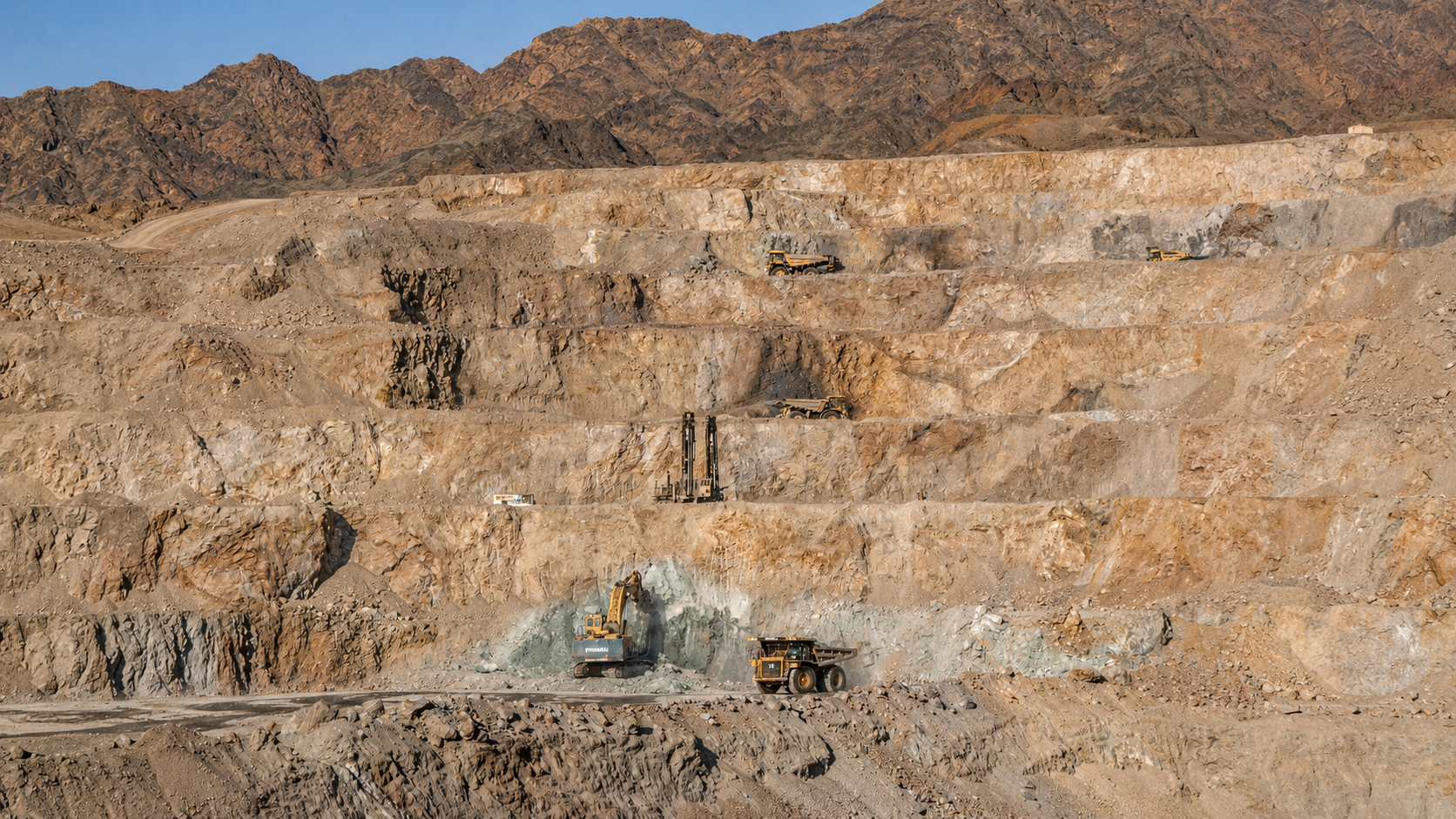
P2 Gold's pit slope geotech holes at Gabbs all intersected gold and copper, confirming Lucky Strike is open in all directions ahead of a feasibility study.
- Three diamond holes drilled for pit slope engineering at Gabbs' Lucky Strike Zone all intersected gold and copper mineralization.
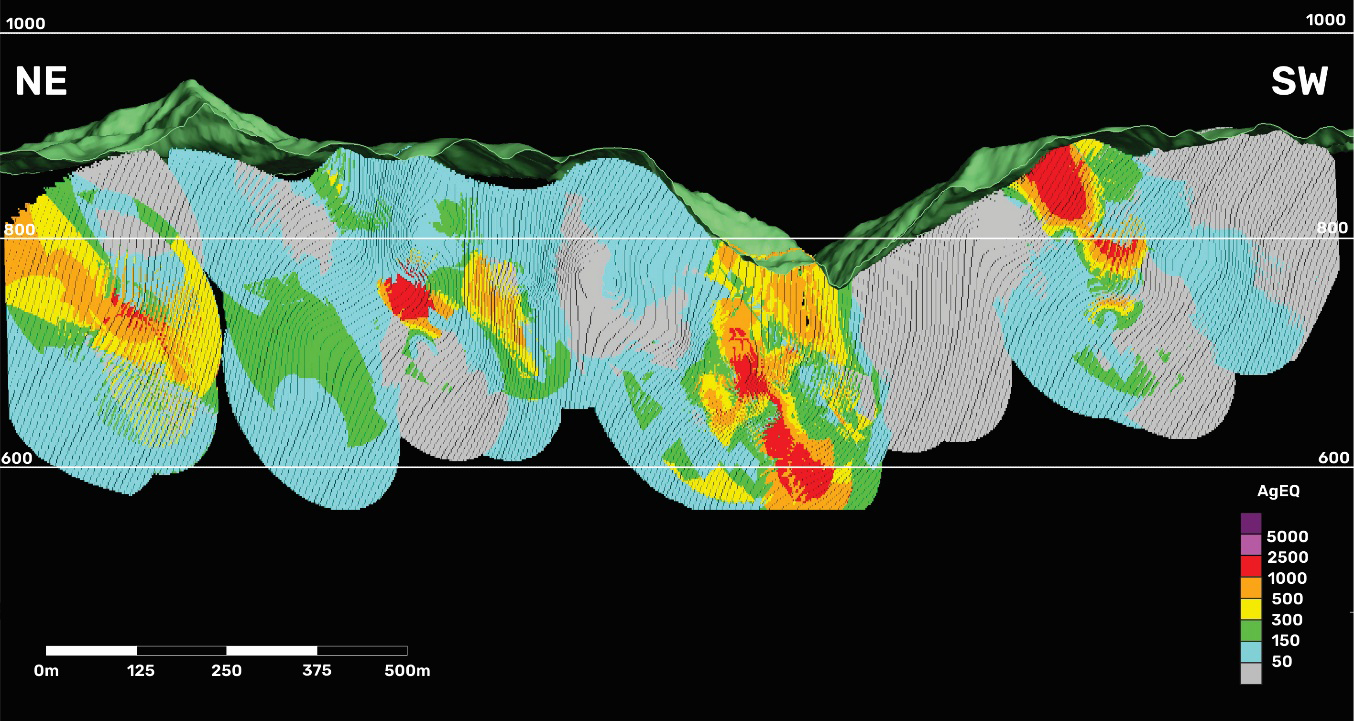
- The holes were collared at the margins of the pit shell from the project's preliminary economic assessment ("PEA"), indicating mineralization extends beyond currently modeled pit limits.
- An additional 15,000 meters of RC drilling now targets a higher grade core in the western half of the Lucky Strike Zone.
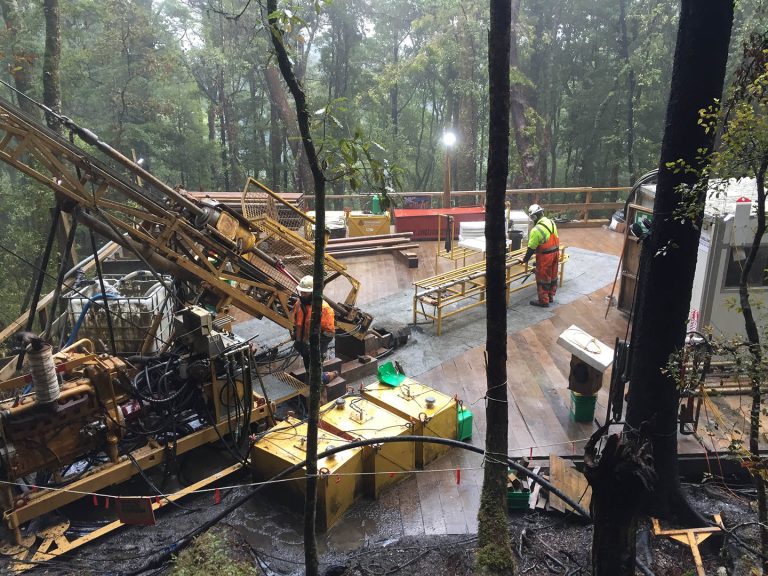
- Since October 2025, 72 RC holes have been completed across the Sullivan (24) and Lucky Strike (48) zones, along with 29 metallurgical and geotechnical diamond holes and 10 exploration diamond holes.
- Results are intended for a Mineral Resource estimate targeted for the third quarter of 2026, ahead of a feasibility study targeted for the fourth quarter of 2026.
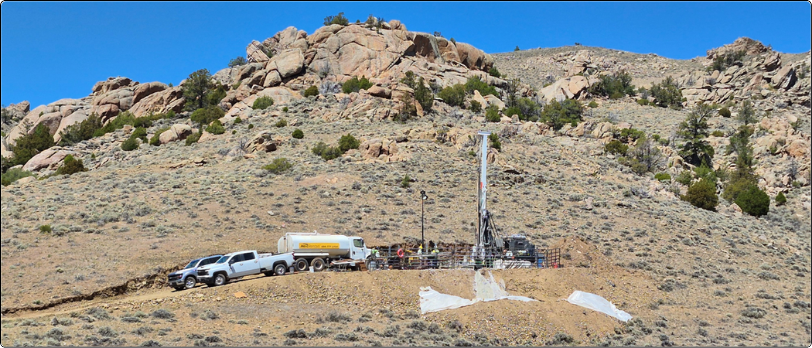
Pit slope stability holes test rock competency at the edges of a planned mine; they are not intended to find new mineralization. At P2 Gold (TSXV: PGLD | OTCQB: PGLDF) Gabbs Project in Nevada, that distinction narrowed on July 6, 2026, when 3 holes drilled for that engineering purpose at the Lucky Strike Zone each intersected gold and copper.
The Gabbs Project at a Glance
P2 Gold is advancing the Gabbs gold and copper project on the Walker-Lane Trend in Nevada. A PEA effective October 7, 2025 outlined average annual production of 109,000 ounces of gold and 33 million pounds of copper, processing 9 million tonnes per year over a 14.2 year mine life. A feasibility study now underway targets a larger, nominal 12 million tonne per year rate, with average annual production of 150,000 ounces of gold and 45 to 50 million pounds of copper. Ken McNaughton, M.A.Sc., P.Eng., Chief Exploration Officer, is the Qualified Person for P2 Gold's technical disclosures.
What the New Drilling Found
The 3 new holes were not drilled to look for new gold or copper. They were drilled to check how stable the rock is at the edges of the planned mine pit, information engineers need before finalizing the pit's design. All 3 holes were positioned right at those pit edges. Even so, all 3 came back with gold and copper in the rock.
The type of rock holding this gold and copper is the same as what has already been found elsewhere on the property. The richest gold and copper sit at the center of the system, becoming a mix of copper and gold in the rock beneath it. Put together, this mineralized rock runs up to 125 meters thick in places.
Strategic Significance & Current Activities
Holes drilled to test rock stability at a pit margin are not typically expected to extend a resource. When they do, the current pit model understates what is in the ground, and P2 Gold is directing its newly added 15,000 meters of RC drilling toward the higher grade western core first.
Since October 2025, P2 Gold has completed 72 RC holes (24 at Sullivan, 48 at Lucky Strike), along with 29 metallurgical and slope stability geotechnical diamond holes and 10 exploration diamond holes. The diamond rig was demobilized at the end of May 2026. Results are intended for a Mineral Resource estimate targeted for the third quarter of 2026, forming the basis of a feasibility study targeted for the fourth quarter of 2026.
The Investment Thesis for P2 Gold
- P2 Gold's Gabbs Project already has a positive PEA outlining 109,000 ounces of gold and 33 million pounds of copper in average annual production, giving the company a defined economic base case rather than an early-stage concept.
- A feasibility study now underway targets a larger production profile, 150,000 ounces of gold and 45 to 50 million pounds of copper per year, meaning the project's next technical milestone could formalize a bigger operation than the current PEA describes.
- Mineralization confirmed at the current pit edges, rather than beyond them, suggests the Lucky Strike Zone's modeled size has room to grow before the feasibility study is finalized.
- The same rock type and grade pattern already established at the company's other zone gives P2 Gold a second, comparable mineralized system on the same project, rather than a single isolated deposit.
- Two dated, binary catalysts sit ahead: a Mineral Resource estimate targeted for the third quarter of 2026 and a feasibility study targeted for the fourth quarter of 2026, both of which will show whether the company's current resource base holds up or expands.
Taken together, these points describe a company advancing a single Nevada project along a defined technical path, from PEA to feasibility, with two zones of mineralization and near-term catalysts that will test whether the project's economics grow or hold steady. For investors, P2 Gold's case rests less on discovery risk and more on execution risk: whether the upcoming resource estimate and feasibility study convert this pit-margin mineralization and the larger targeted production rate into a bankable project.
TL;DR
P2 Gold drilled 3 holes at the edges of the planned pit at its Gabbs Project to test rock stability, not to look for new gold or copper. All 3 came back with gold and copper anyway, confirming the zone is not fully defined yet. The company is now directing new drilling toward a higher grade area of the zone, with a Mineral Resource estimate targeted for the third quarter of 2026 and a feasibility study targeted for the fourth quarter of 2026.
FAQs (AI-Generated)
Analyst's Notes





Subscribe to Our Channel







Stay Informed






















