




Energy Security Premium Redirects Oil Exploration Beyond Middle East


Middle East supply disruption is increasing the value of diversified oil sources as non-Gulf production and exploration broaden future supply.
- Strait of Hormuz oil flows averaged 7.6 million barrels per day (b/d) in August 2026, 13.1 million b/d below pre-war levels, showing how dependence on a major export chokepoint can turn geopolitical disruption into a physical oil supply constraint.
- Producers outside the Gulf added a cumulative 420 million barrels, equivalent to 2.3 million b/d of supply, between February and August, helping offset part of the Middle East supply loss.
- International Energy Agency (IEA) projects the US, Canada, Brazil, Guyana, and Argentina to add 1.4 million b/d of production outside the Organization of the Petroleum Exporting Countries and its allies (OPEC+) in 2026, making the Americas a major source of incremental oil supply outside OPEC+.
- S&P Global identifies more than 37 high-impact wells scheduled globally for 2026, primarily across Latin America, Africa, and Asia-Pacific, as new-field exploration concentrates across fewer basins.
- IEA projects global oil investment to fall below US$500 billion in 2026, marking a third consecutive annual decline and leaving exploration projects to compete for a smaller pool of upstream capital.
Middle East Supply Disruption Increases Reliance on Diversified Oil Sources
The Middle East supply shock increased the importance of supply geography by restricting crude availability through a concentrated export corridor. Oil flows through the Strait of Hormuz averaged 7.6 million b/d in August, down 13.1 million b/d from pre-war levels, while cumulative export losses approached 2.8 billion barrels. Despite entering the conflict with more than 1 million b/d of surplus supply, the market relied on bypass routes, emergency inventories, weaker demand, and higher non-Gulf production to offset the resulting shortfall.
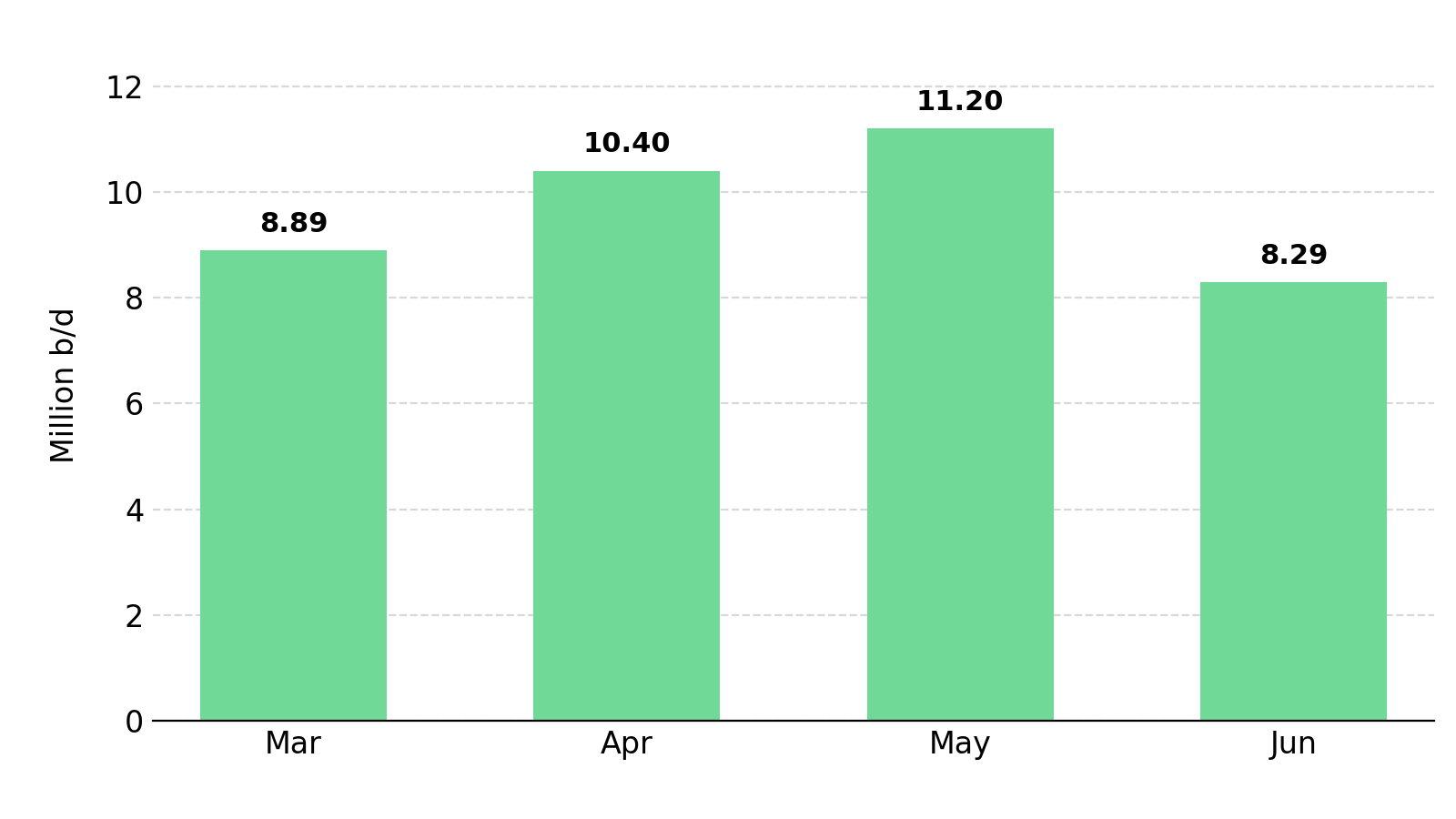
The effective closure of the Strait affected fields representing approximately 14 million b/d of crude and condensate production, as export constraints forced shut-ins even where reservoirs were not damaged. Production can recover more slowly than shipping access because nearly 90% of the analyzed Middle Eastern fields rely on water or gas injection to maintain reservoir pressure. Roughly 80% of February production could take around four months to return if the restart proceeds without further disruption, extending the supply recovery beyond the reopening of export routes.
Non-Gulf Production Growth Reduces Middle East Supply Shortfall
Between February and August, producers outside the Gulf added a cumulative 420 million barrels of oil supply, equivalent to 2.3 million b/d. The US increased production by 520,000 b/d, Brazil by 470,000 b/d, Kazakhstan by 440,000 b/d, Venezuela by 300,000 b/d, and Nigeria by 200,000 b/d. These additions did not fully replace lost Gulf supply but reduced the shortfall created by disrupted exports. Global inventories still fell 507 million barrels during the first six months of the conflict, equivalent to an average draw of 2.8 million b/d.
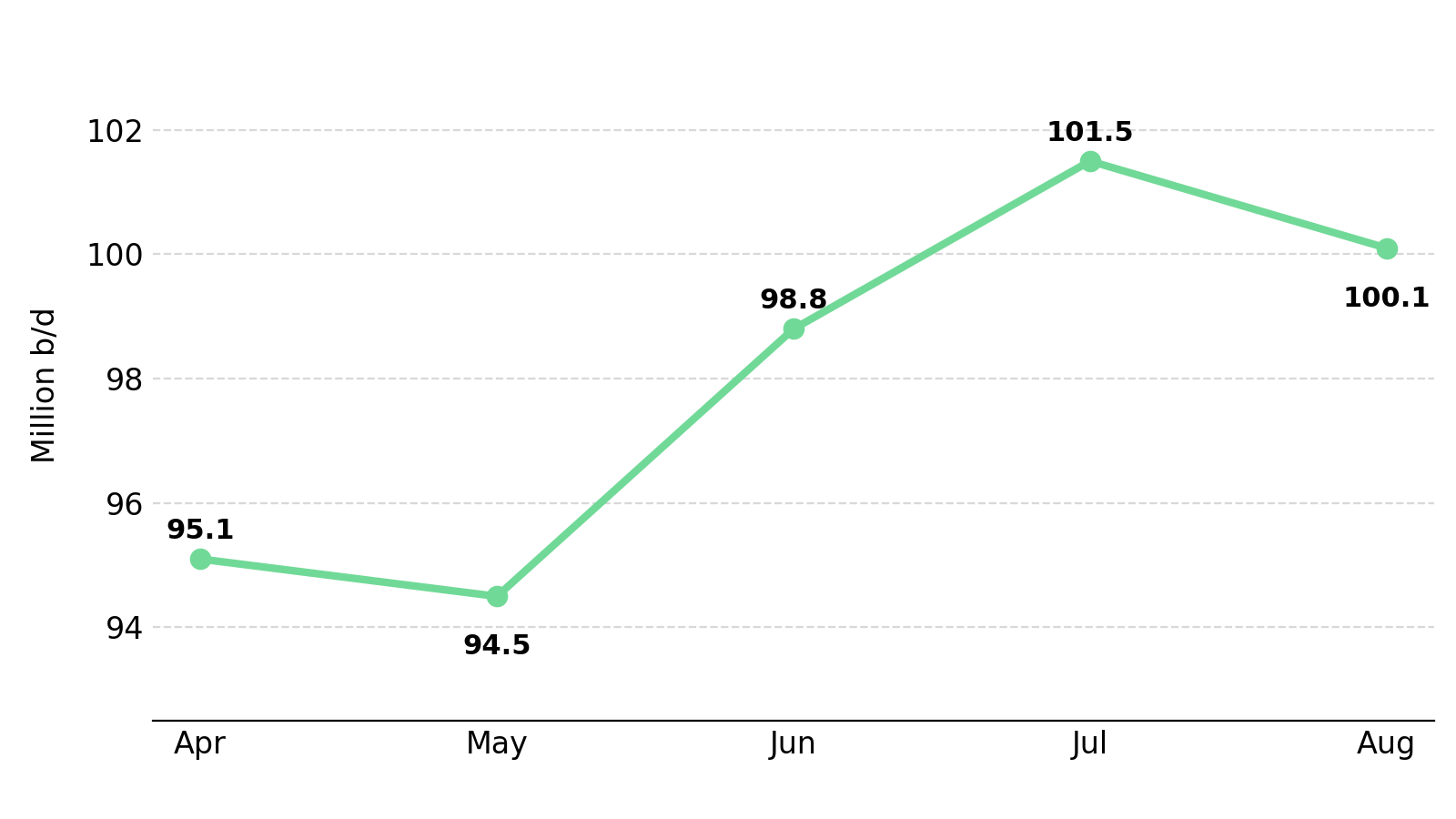
US, Canada, Brazil, Guyana, and Argentina are projected to add 1.4 million b/d of production outside OPEC+ in 2026 and another 1.0 million b/d in 2027, making the Americas a major source of incremental oil supply. Middle Eastern disruptions have also shifted crude demand toward Atlantic Basin barrels, increasing the market relevance of supply from outside the Gulf.
Supply Security Risks Increase Exploration Focus on New Oil Regions
Exploration activity was already concentrating across fewer basins before the current supply shock. Companies have reduced the number of new-field wildcat wells while concentrating exploration capital on fewer high-impact targets. By early December 2025, 132 conventional discoveries had added more than 8.2 billion barrels of oil equivalent of recoverable resources, with those discoveries concentrated across a limited number of basins.
Fewer Active Basins Concentrate Capital in High-Impact Oil Exploration
More than 37 high-impact wells are scheduled globally in 2026, with activity concentrated across Latin America, Africa, and Asia-Pacific, and around two-thirds targeting deepwater settings. Latin America accounted for 38% of global discovered volumes in 2025, led by Brazil's Santos and Campos basins, reinforcing the region’s role in new oil supply discoveries.
The number of basins containing new-field wildcat wells fell from 130 in 2024 to 101 by December 2025, while only 17 contained high-impact wells. Five basins generated 45% of discovered hydrocarbon volumes during the previous five years. With exploration activity concentrated across fewer basins, geology, development economics, fiscal terms, and infrastructure carry greater weight when projects compete for limited capital.
Import Dependence Raises Relevance of Lower-Cost Onshore Projects
In import-dependent markets, lower-cost onshore projects can widen domestic supply options without requiring offshore-scale drilling budgets. Advancing existing discoveries through re-entry and production testing can also support the development of new domestic oil sources.
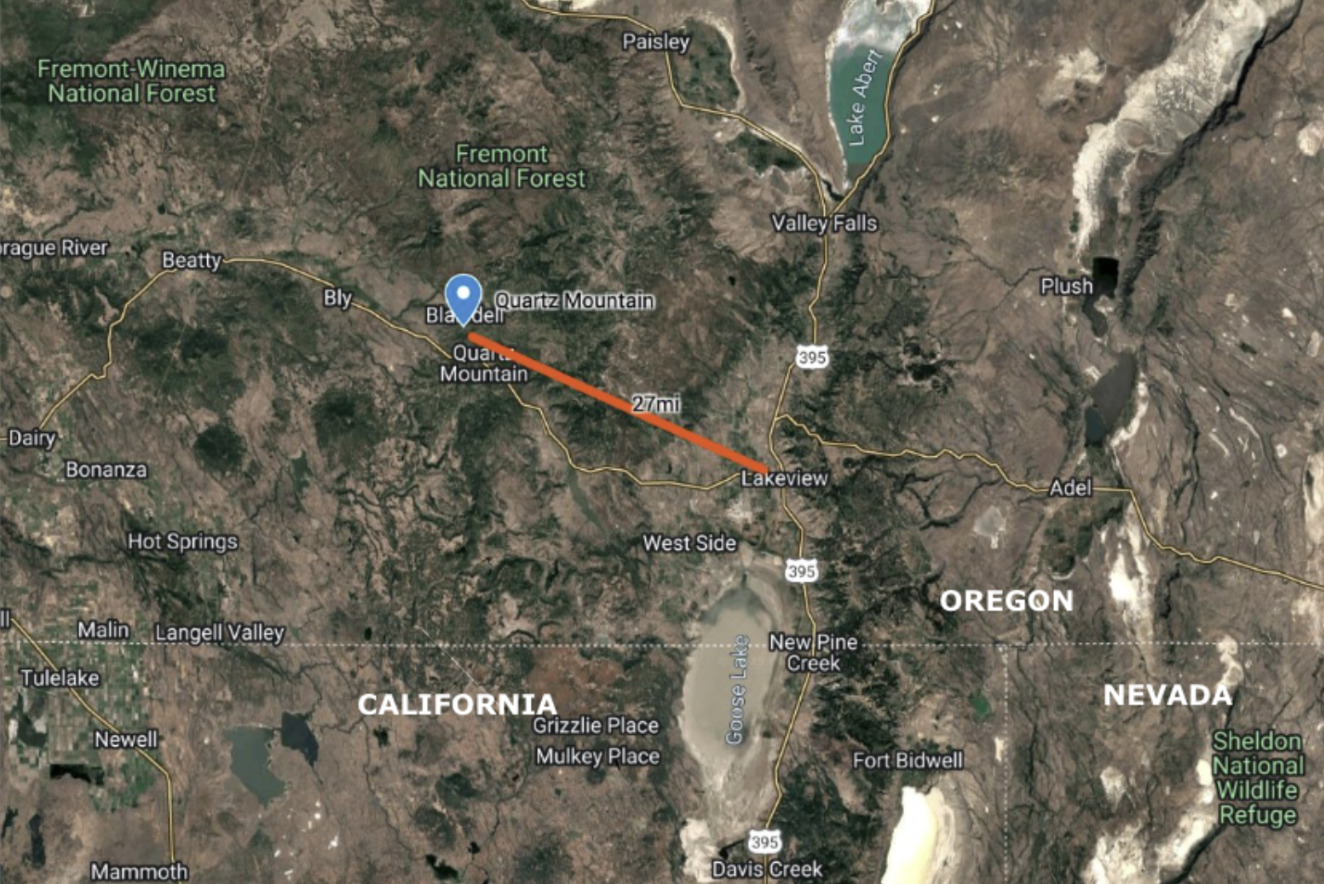
Dune Oil reported approximately 27 million barrels of net recoverable contingent oil resources at M47, with four additional structures targeted for future drilling. The company is prioritizing re-entry and production testing at the existing discovery, with stated onshore well costs of about US$2 million to drill and US$3 million to complete. Successful testing could move part of the resource toward reserve classification and advance a potential new domestic oil source in Turkey’s import-dependent market.
Scott Lower, President of Dune Oil, explains how domestic production displaces imported oil supply:
“This area has now contributes 60% of the country's total oil production and it's going to keep going up from there. We're selling at top dollar and to the refinery that's just up the road and they'll buy every bit of it because they're displacing Russian, Iranian, and Iraqi oil.”
Recovering Gulf Exports Keep Supply Diversification Relevant
Greater interest in diversified oil supply is occurring as global upstream investment continues to decline. Global oil investment is targeting a third consecutive annual decline to below US$500 billion in 2026, despite higher oil prices. Uncertainty over how long higher prices will last, long project lead times, supply-chain constraints, and tighter offshore rig availability are limiting near-term spending outside the Middle East.
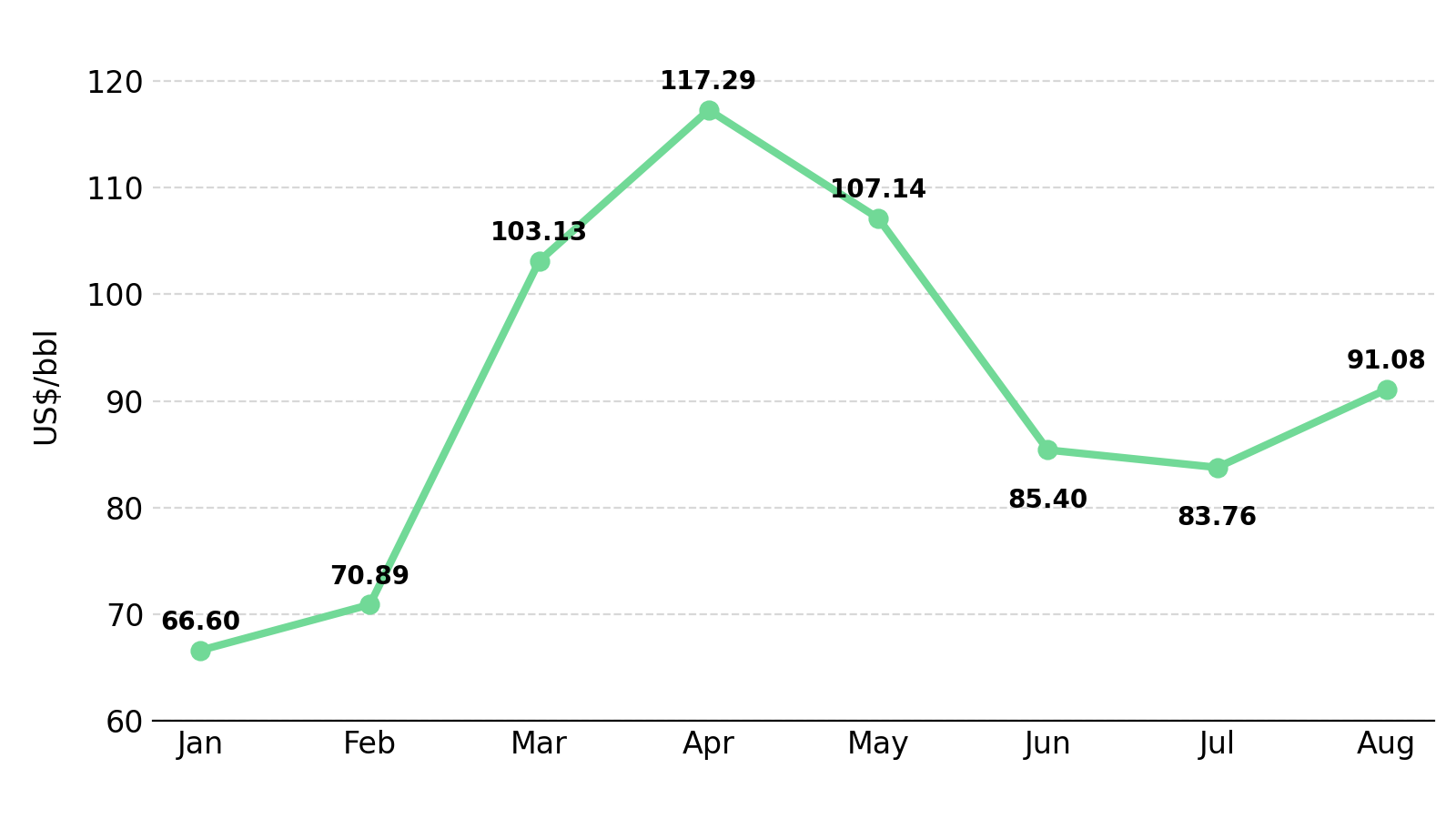
Middle Eastern crude exports rebounded to approximately 16.328 million b/d in September, their highest level since the conflict began in February, driven primarily by higher Saudi Arabian and United Arab Emirates shipments. Despite the recovery, regional exports remained about 3.2 million b/d below February's pre-conflict level of 19.513 million b/d.
Recovering Gulf exports can narrow the near-term supply shortfall, while exploration decisions determine how widely future oil supply is distributed. The Americas are projected to add 1.4 million b/d of production outside OPEC+ in 2026, while more than 37 high-impact wells are scheduled primarily across Latin America, Africa, and Asia-Pacific, extending exploration activity across multiple supply regions.
The Investment Thesis for Oil & Gas
- Exploration-stage oil assets can provide geographic diversification when geopolitical disruption exposes the risks of concentrating production and exports in a limited number of regions.
- Geographic diversification is already adding physical supply, with producers outside the Gulf increasing output during the Middle East disruption and the Americas projected to add 1.4 million b/d in 2026 and another 1.0 million b/d in 2027.
- Constrained global oil investment increases the relevance of exploration assets with existing discoveries, defined appraisal programs, and capital-efficient development pathways as capital becomes more selective.
- Lower drilling costs, existing infrastructure, accessible markets, and simpler development pathways can improve capital efficiency as upstream cost inflation raises the economic threshold for new oil projects.
- Jurisdictional quality remains important because supportive fiscal and operating conditions can help exploration assets advance toward development and eventual production.
- Recovering Middle Eastern exports can reduce the near-term supply shortfall, while longer development timelines keep geographic diversification relevant to exploration decisions.
The Middle East disruption has reinforced that oil security depends on supply geography as much as total available supply. As capital becomes more selective, exploration outside concentrated producing regions gains greater relevance by widening the future production base. The opportunity is strongest where geographic diversification is supported by credible resource potential and a practical path toward development. In this environment, exploration can play a larger role in strengthening long-term supply resilience while maintaining capital discipline.
TL;DR
Middle East supply disruption has exposed the risks of concentrating oil production and export routes within a limited region. Non-Gulf producers have already helped offset lost supply, while projected production growth across the Americas expands the future supply base. Exploration is also concentrating on high-impact opportunities across Latin America, Africa, and Asia-Pacific. At the same time, declining global oil investment and rising development constraints are increasing the relevance of lower-cost projects with access to infrastructure and domestic markets. Recovering Gulf exports can ease near-term shortages, but longer development timelines keep geographic diversification relevant to future oil supply.
FAQs (AI-Generated)
Analyst's Notes





Subscribe to Our Channel

Stay Informed


