




Selkirk Copper: A Mine That Worked for 16 Years Is Being Rebuilt to Work Even Better


Selkirk Copper bought a producing Yukon mine at a fraction of its build cost, cancelled a costly revenue agreement, and is drilling toward a mid-2028 restart with a key economic study due mid-2026.
- Selkirk Copper Mines acquired the fully built Minto copper-gold-silver mine in Yukon out of bankruptcy in late 2025 for roughly C$30 million, against more than C$330 million spent by previous operators on surface infrastructure, processing plant, and underground development.
- Phase 1 drilling achieved an 87% success rate, intersecting notable mineralisation, discovered the new 117 Lens beneath the Area 2 historical open pit, and confirmed Minto East extends to depths beyond the current resource boundary.
- Phase 2 drilling, commenced May 1, 2026, targets up to 50,000 metres by November 2026, with a focus on resource expansion, infill drilling, and geotechnical and geometallurgical data collection to support the planned Feasibility Study (FS).
- A structured path to production is already underway at the Minto Mine, with a Phase 1 drill program completed, a second program initiated, and a Preliminary Economic Assessment due by mid-2026 that will represent the first formal cost and return estimate for the restart under Selkirk's ownership.
- Selkirk First Nation holds an approximately 20% equity stake in the company with two board-nominated directors - the first time an indigenous First Nation has held a controlling equity interest in a publicly traded mining company.
When Colin Joudrie took a call about the Minto mine in June 2025, his first instinct was scepticism. A copper-gold-silver mine in central Yukon that had burned through multiple owners, gone bankrupt, and sat idle for two years did not, on the surface, read like an obvious opportunity for Selkirk Copper (TSX-V: SCMI | OTCQB: SKRKF | FRA: IO20). Then he went to the field, read the data, and sat down with the leadership of Selkirk First Nation. He asked them one question: if the restart succeeded, what would success look like?
Their answer was simple: they wanted the work to be done well, nothing more. It was the clearest mandate Joudrie said he had received in a career spanning more than three decades with Teck Cominco, one of the world's largest mining companies. He signed on as President and Chief Executive Officer of Selkirk Copper shortly after.
Three things drew him to the project: the quality of the ore in the ground, the physical infrastructure already on site, and a clean financial structure with no legacy obligations weighing on future profits.
Grade That Is Almost Unique
In mining, grade refers to how much valuable metal is actually present in each tonne of rock. Higher grade means more metal per tonne mined, which generally means lower costs and higher profits. Minto's copper grade is unusually high by the standards of operating mines globally.
The deposit is made up of tightly packed pockets of copper-bearing minerals with almost no waste minerals mixed in. As miners move deeper into each pocket, copper content rises sharply - in some of the richest zones the team has drilled, copper makes up around eight or nine percent of the rock by weight. That is exceptional. Most copper mines operate on grades well below two percent.
The ore is also exceptionally clean to process. When Minto was operating, it regularly produced copper concentrate - the refined product sold to smelters - that graded around 39 to 40% pure copper. The global average for copper concentrate today sits in the mid-to-high twenties, and it keeps falling as older, higher-grade mines run down and newer, lower-grade ones come online. Smelters prefer cleaner, higher-grade concentrate because it costs less to process. Minto's product is well known in the industry, and Joudrie's view is that bringing it back to market is something buyers have been waiting for.
A Mine Built by Others, Bought for a Fraction
The Minto mine ran for sixteen years under four successive owners before the last of them - a company called Minto Metals - ran out of money in 2023 and entered bankruptcy. Critically, the ore did not run out. The mine closed because of financial mismanagement, not geological failure.
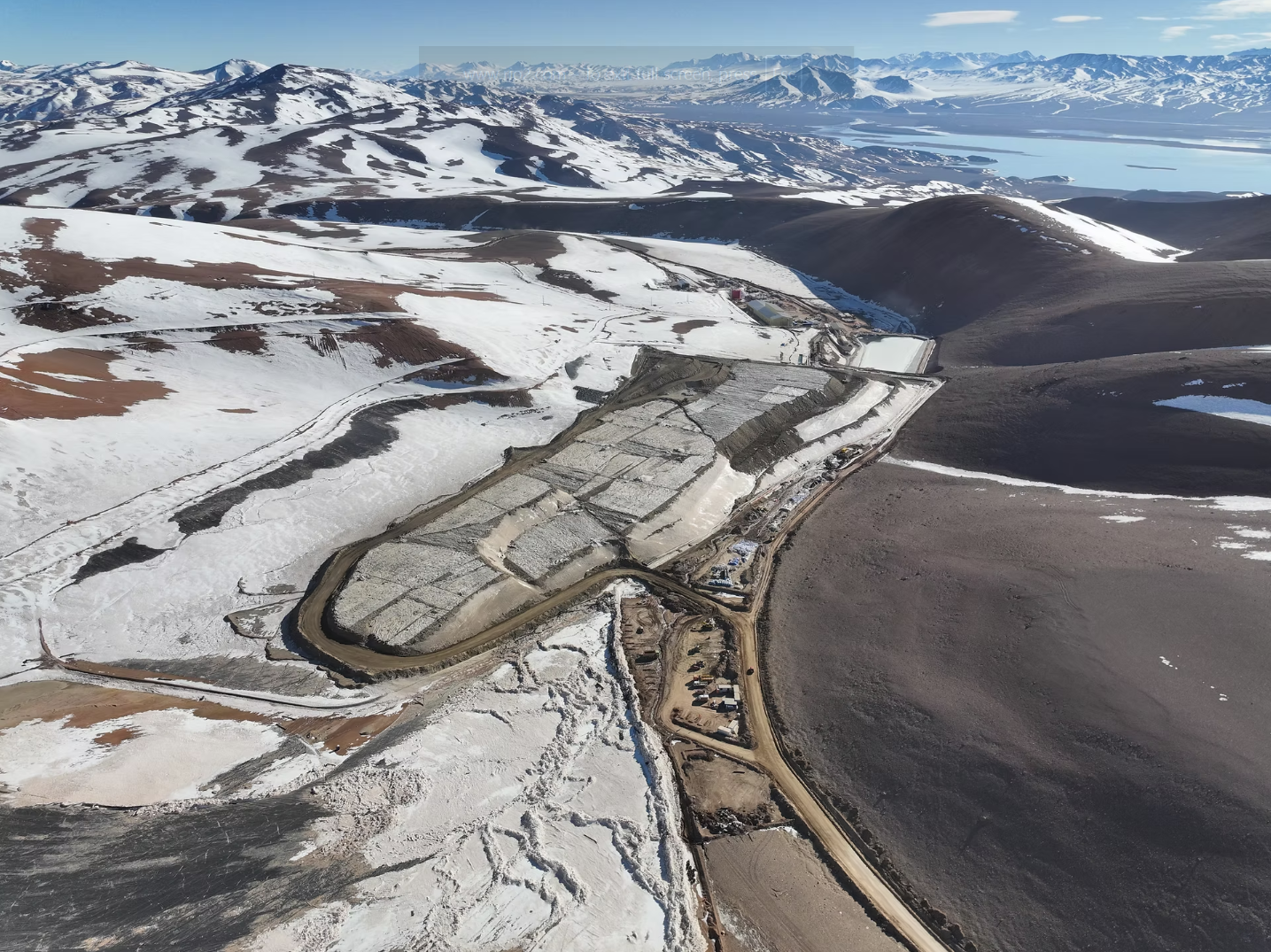
Everything those previous owners built stayed on site. That includes a large processing plant capable of handling thousands of tonnes of rock per day, a camp that can house hundreds of workers, a water treatment facility, underground tunnels already driven into the ore, grid electricity, and road access that operates year-round. Previous owners collectively spent more than C$330 million building all of that. Selkirk bought the whole package for roughly C$30 million.
That acquisition also came with the permanent cancellation of a contract that had been taking a cut of the mine's gold and silver revenue since it first opened. Under that agreement - a so-called streaming deal with a company called Wheaton Precious Metals - a large portion of every ounce of gold and silver the mine produced went to an outside party at a heavily discounted price. That contract is now gone. Gold and silver together account for roughly a third of the mine's total revenue, and all of it now belongs to Selkirk shareholders rather than being paid away.
Building a comparable mine from scratch - same copper grade, same location, same community relationships - would cost several hundred million US dollars and take the better part of a decade, by Joudrie's estimate. Selkirk is targeting first production by mid-2028 using assets that are already in the ground and above it.
Drilling Is Finding More Than Expected
Before a mining company can restart a mine, it needs to confirm how much metal is actually in the ground and where it sits. That means drilling holes into the rock and analysing the samples that come back. More confirmed metal generally means a longer mine life and more revenue over time.
Selkirk completed its first major drilling programme in April 2026. Of all the holes drilled, 87% hit meaningful copper mineralisation. That is a high success rate, and it reflects a deliberate approach: rather than drilling to confirm a pre-existing map, the team was asked to observe what the rocks were actually showing and build the picture from there. That produced the first-ever collection of oriented drill core at the property, giving geologists a much clearer sense of how the ore pockets are structured.
It also produced a discovery nobody anticipated. A new copper-gold-silver zone called the 117 Lens was found sitting beneath an old open pit that had already been mined out. Nobody had been looking for it. Early results show it covers a meaningful area, remains open in at least one direction suggesting it could extend further, and sits close enough to existing underground tunnels that reaching it would not require significant new construction.
A separate drill hole at a zone called Minto East found several rich copper-gold-silver layers at depth, including one that sits entirely below anything previously mapped. Both finds suggest the mine holds more metal than the current official inventory reflects.
Phase 2: Building the Case for Restart
Selkirk started its second drilling programme on May 1, 2026, with four rigs either active or about to begin. The programme targets up to 50,000 metres of drilling by November 2026 - significantly more than the first round - using the same drilling contractor that completed Phase 1 on schedule.
Beyond finding more copper, this round of drilling collects the rock strength and ore processing data that Selkirk's engineering firms need to complete the full technical and financial study of the restart. That study, called a Feasibility Study (FS), is targeted for mid-2027 and will lay out the detailed construction plan and cost estimate for getting the mine back into production.
Joudrie was clear about the philosophy governing the pace:
"Measure twice, cut once. We're not in this business to undercut the viability of this thing going forward because we missed a permit, we missed an understanding around technical issues in the underground."
On the financing side, Selkirk has been in early discussions with potential funding partners since late 2025 - including smelters who buy copper concentrate, trading companies, and specialist mining lenders. The company has enough money in the bank from two share raises in 2025 and 2026 to fund work through to FS completion in mid-2027. Joudrie's goal is to raise the capital needed for the actual restart in a way that minimises the number of new shares issued, protecting the value of existing shareholders' stakes.
The Event That Changes the Conversation
The most important near-term milestone for investors is an economic study due mid-2026. Called a Preliminary Economic Assessment (PEA), it will be the first document to set out, in formal terms, what it will cost to restart Minto and what the mine could generate in return. No such study has been completed under Selkirk's ownership, meaning investors currently have no official figure against which to assess whether the company is fairly valued.
The existing official inventory of copper, gold, and silver in the ground was calculated before the Phase 1 drilling discoveries - meaning it does not yet include the 117 Lens or the deeper zones found at Minto East. The true inventory is likely larger than the published number.
A mine life measured in decades is the working target. When the economic study lands mid-2026, it will be the first real test of whether the numbers justify the restart - and the starting gun for the financing conversations that will determine how and when Minto comes back into production.
FAQs (AI-Generated)
Analyst's Notes





Subscribe to Our Channel


Stay Informed


