




Revival Gold Infill Drilling at Mercur Supports PEA Estimates as 2026 Programme Reaches 64%



Revival Gold reports 20 infill holes at Mercur in Utah, with results supporting PEA grade and leachability estimates as 2026 drilling reaches 64%.
- Around 11,600 metres drilled in 119 holes at Mercur, representing 64% of planned 2026 drilling.
- Results from 20 new infill holes include 0.92 g/t gold over 33.5 metres from 31 metres downhole.
- Infill results to date continue to support the grade and leachability estimates in the 2025 Preliminary Economic Assessment (PEA).
- Three drill rigs are active, with a fourth auger rig expected by the end of September.
- About 9 million tonnes of legacy heap leach material in three pads will be investigated for potential future reprocessing.
Revival Gold Inc. (TSXV:RVG) is a Canada-based company and one of the largest pure-play gold mine developers in the United States. It is advancing the Mercur Gold Project in Utah towards development and carrying out exploration at the Beartrack-Arnett Gold Project in Idaho. The company is headquartered in Toronto, with a U.S. exploration and development office in Salmon, Idaho, and also trades on the OTCQX Market under the symbol RVLGF.
Infill Results Support PEA Grade and Leachability Estimates
The latest results cover 20 reverse circulation (RC) holes, numbered RM26-213 to RM26-232, in the Main Mercur area. Infill drilling places holes between existing ones to improve confidence in the grade and continuity of known gold-bearing zones. RC drilling brings crushed rock chips to surface for sampling.
Results include 0.92 grams of gold per tonne (g/t) over 33.5 metres from 31 metres downhole in RM26-213, 0.57 g/t over 30.5 metres from 20 metres in RM26-217, 0.75 g/t over 29.0 metres from 26 metres in RM26-220, and 0.76 g/t over 22.9 metres from 8 metres in RM26-223. True widths are estimated at 70% to 98% of the drilled lengths, and intervals were calculated using a cut-off grade of 0.17 g/t, the minimum grade included in each result.
Samples were also tested for leachability by comparing the gold dissolved by cyanide with the total gold content, which indicates potential recovery through heap leaching, a process in which ore is stacked on pads and irrigated with a solution that dissolves the gold. These holes follow 30 infill holes reported in July and September, and results to date support the 2025 PEA estimates while highlighting potential expansion opportunities in heap leachable material beyond the PEA mine plan.
President and CEO Hugh Agro said:
"Revival Gold is making excellent progress with shallow drilling and has intersected consistently good grades in oxidized material suitable for heap leaching."
2026 Drilling Programme Advances With Fourth Rig Due
The 2026 programme at Mercur combines RC and core drilling. Core drilling recovers solid cylinders of rock, which are used for geological and metallurgical study.
Three rigs are currently operating on site. A fourth rig, which uses auger drilling, is expected to arrive by month-end. Auger drilling uses a rotating, screw-shaped bit suited to sampling loose material.
The auger rig will complete an initial investigation of legacy run-of-mine (ROM) heap leach pad material. Samples from the programme are analysed by ALS, an ISO/IEC 17025:2017 accredited laboratory, under a quality control process that includes certified reference materials, duplicate samples and blanks.
Legacy Heap Leach Pads Identified for Investigation
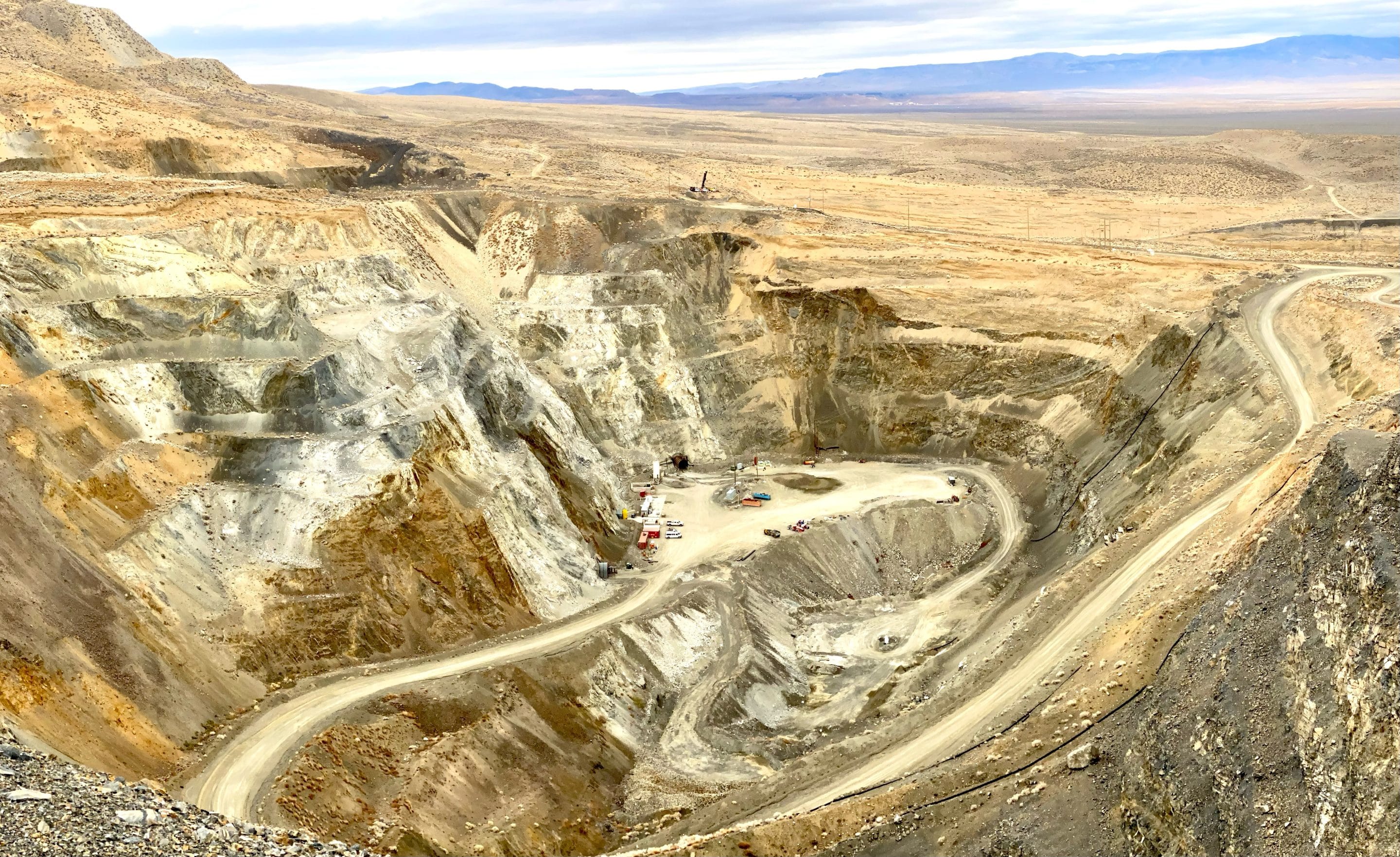
Approximately 9 million tonnes of legacy ROM heap leach material is stored in three pads at Mercur. ROM refers to ore that was placed on leach pads as it was mined, without crushing.
This material may be suitable for future reprocessing to recover residual gold, meaning gold not extracted during earlier leaching. It is not included in the current PEA mine plan, and the auger programme will provide an initial assessment of the pads.
President and CEO Hugh Agro said:
"Legacy ROM heap leach pads represent a further potential value opportunity within the private land position at Mercur with its successful production history and existing site services infrastructure."
Milestones and Next Steps
Revival Gold will continue drilling at Mercur with three rigs and release results from the remaining infill holes as they become available. The auger rig is expected on site by the end of September to begin the initial investigation of the legacy heap leach pads. Exploration also continues at the Beartrack-Arnett Gold Project in Idaho.
Analyst's Notes





Subscribe to Our Channel



Stay Informed


