




Securing Buyers Can Help Nickel Projects Attract Funding Despite a Global Surplus


With surplus supply limiting nickel price gains, sales agreements help lenders assess project revenue and debt repayment.
- On November 2, Indonesia signaled possible further cuts to its 2027 nickel ore quota. The International Nickel Study Group (INSG) had forecast in October that primary nickel supply would exceed demand by 70,000 metric tons in 2027, which could limit price gains.
- On October 22, Platts assessed sulfur delivered to Indonesia at US$850 per metric ton, down US$30 from the previous week. The lower price can reduce input costs for high-pressure acid leaching (HPAL) plants.
- On October 23, the nickel payable for mixed hydroxide precipitate (MHP) delivered to North Asia fell 1.5 percentage points week over week to 83% of the London Metal Exchange (LME) nickel benchmark. At an unchanged benchmark price, the lower payable reduces revenue per metric ton of contained nickel.
- CRU Group forecasts average 2026 HPAL site costs of about US$15,700 per metric ton of contained nickel before by-product credits, up roughly 70% from 2025.
- A nickel construction decision depends on whether sales of the planned product can cover processing costs and justify the capital required to build the project.
Sulfur Supply Disruptions Raise Indonesian Nickel Processing Costs
Indonesian HPAL plants faced competing pressures in October. Lower sulfur prices offered a chance to reduce processing costs, while a lower North Asian MHP payable reduced the value of contained nickel at an unchanged LME price.
Concentrated Sulfur Shipments Expose HPAL Plants to Freight Disruptions
HPAL plants use sulfuric acid to extract nickel from laterite ore. The International Energy Agency (IEA) estimates that the Middle East supplies about one-quarter of the world’s sulfur and that roughly half of the sulfur traded by sea passes through the Strait of Hormuz. A shipping disruption there can raise costs for Indonesian HPAL plants that rely on imported sulfur, even when demand for their nickel products is weak.
CRU Group estimates that typical HPAL plants use 10 to 12 metric tons of sulfur for every metric ton of nickel contained in MHP. Some newer plants reportedly use about eight metric tons on the same basis. For the same drop in sulfur prices, plants that use more sulfur can save more per metric ton of nickel produced. Those savings can take longer to show up in reported costs if a plant is still using sulfur bought at higher prices.
Cheaper Sulfur Offers Limited Relief for HPAL Plants
Platts assessed sulfur delivered to Indonesia at US$850 per metric ton on October 22, below its third-quarter range of US$970 to US$1,100. The weekly decline came as buyers held back amid talk of nickel production cuts.
CRU Group forecasts that chemicals will account for 57% of HPAL site costs in 2026, up from 40% in 2025. Cheaper sulfur can reduce part of that chemical bill. If plants cut output, higher fixed costs per metric ton of nickel can offset some of the savings.
Softer Battery Demand Pressures MHP Payables
The MHP nickel payable is the share of the LME benchmark used to price the nickel in the material. On October 23, Platts assessed the North Asian payable at 83% of the benchmark, down from an implied 84.5% a week earlier.
At an illustrative LME price of US$16,000 per metric ton, the lower payable reduces the calculated nickel value from US$13,520 to US$13,280 per metric ton of contained nickel, before cobalt credits and other contract adjustments. The LME price would need to rise about 1.8% to offset that US$240 reduction.
Weak Spot Buying Limits the Nickel Sulfate Rebound
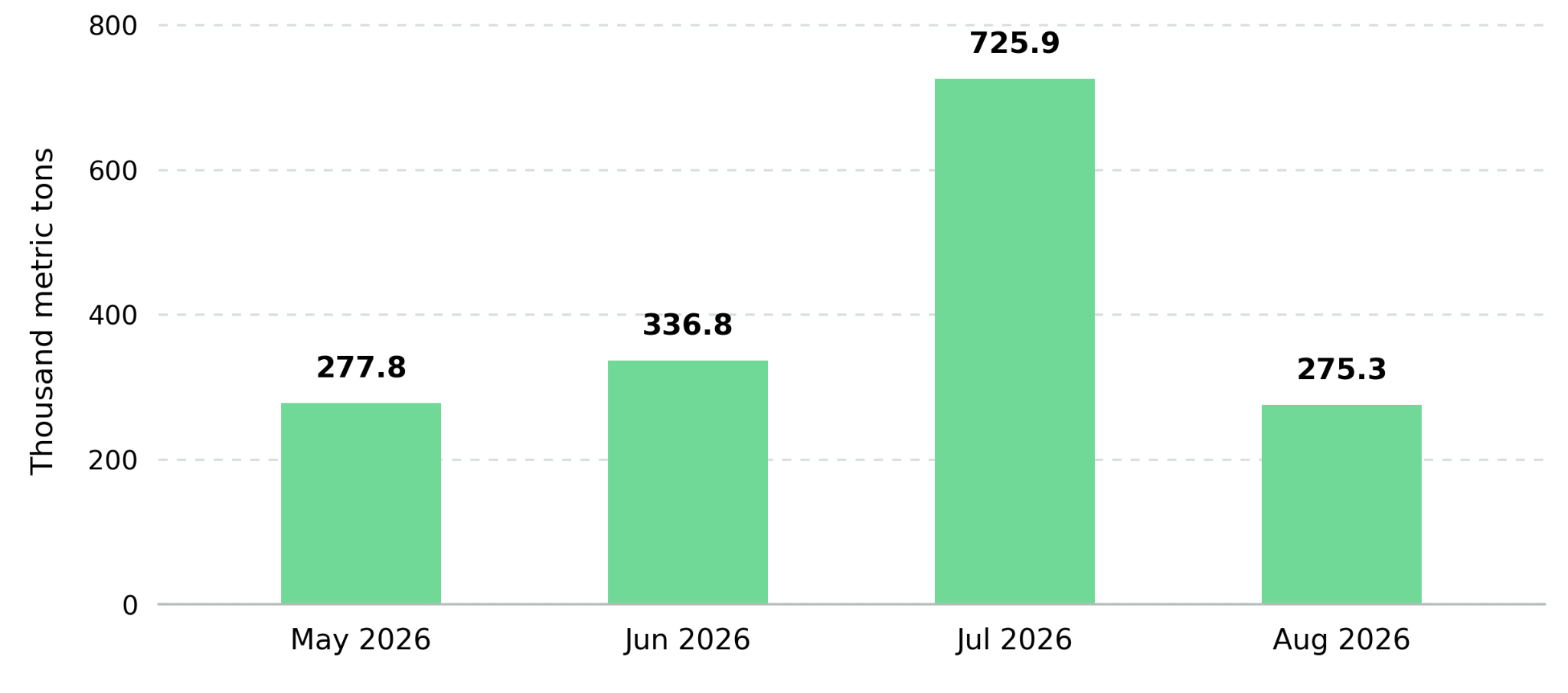
Platts assessed nickel sulfate delivered in China at 24,700 Chinese yuan (CNY) per metric ton on November 2, down about 7% from CNY 26,500 on October 13. On November 5, Shanghai Metals Market reported that battery-grade nickel sulfate prices edged up as nickel prices rose sharply, while downstream buyers remained reluctant to build inventories through spot purchases.
Product Choice Shapes Nickel Project Returns
A feasibility study can estimate concentrate revenue using the LME nickel price, adjusted for the payable and any separately agreed treatment charges. Refined nickel and semi-finished steel require separate selling-price assumptions because buyers value them under different commercial terms.
Separate Product Streams Can Add Revenue
A second product can add revenue if the plant can recover enough material that meets buyer specifications and the sales justify the added processing costs.
Canada Nickel is targeting a 2027 construction decision for Crawford. Under a proposed long-term partnership announced October 26, Swiss Steel Group would have exclusive access to about one million metric tons of semi-finished steel annually from 2030. If finalized, the arrangement would give Crawford a potential sales channel for steel alongside its planned finished nickel product. October 26 joint announcement
Mark Selby, Chief Executive Officer, identifies North American and European supply opportunities:
“There’s lots of opportunity to be able to deliver nickel into North America and Europe.”
Further Refining Raises the Revenue Hurdle for New Capacity
Refining concentrate can reach buyers with different product requirements. The additional sales value must cover the extra cost of operating the plant and earn a return on the capital required to build it.
Lifezone Metals reported advanced talks with Orion Critical Mineral Consortium over a potential equity investment in Kabanga and is targeting a final investment decision in the first quarter of 2027. After completing a product marketing study, the company is evaluating further processing in Tanzania. That work can help determine which product Kabanga would sell and what it would cost to produce.
Possible Indonesian Ore Cuts Raise Supply Risk in a Surplus Market
Indonesia signaled on November 2 that it may cut its 2027 nickel ore quota further. If lower quotas restrict ore deliveries enough to reduce HPAL output, affected plants could produce less MHP and buy less sulfur.
Before that signal, the INSG’s October 13 forecast put global primary nickel supply 19,000 metric tons above demand in 2026 and 70,000 above demand in 2027. The INSG flagged uncertainty around Indonesian output. If the surplus persists, it could limit gains in the LME nickel price even as reduced output tightens supply of individual products such as MHP.
The Investment Thesis for Nickel
- HPAL plants that use less sulfur per metric ton of nickel face a smaller cost increase when sulfur prices rise.
- Compared with selling concentrate, further refining adds value if the extra revenue covers additional operating and startup costs and earns a return on the capital invested.
- Early test work can show explorers how much nickel they can recover in a product that meets buyer specifications, helping them decide which processing route to study further.
- Vary benchmark prices, buyer terms, and processing costs one at a time to see which assumption has the largest effect on net present value (NPV) and internal rate of return (IRR). NPV measures the project’s net cash flows in today’s dollars, and IRR is the discount rate at which NPV equals zero.
- A nickel developer’s construction timetable becomes more credible as it secures key permits, signs sales agreements, and obtains committed funding for the build.
A global nickel surplus can cap benchmark gains while buyers still seek products that meet specific requirements or diversify their sources. That leaves room for new supply where developers can meet those requirements at conservative selling prices and still earn a return after processing costs and the capital needed to build.
TL;DR
Indonesia signaled possible cuts to its 2027 nickel ore quota after the International Nickel Study Group forecast a 70,000-metric-ton primary nickel surplus for that year. Lower sulfur prices can reduce processing costs, but weaker buyer terms can cut revenue even when the benchmark nickel price holds steady. A global surplus can still leave room for suppliers that meet specific buyer needs. For developers, the case for building a project depends on whether expected sales of concentrate, refined nickel, or a secondary product can cover processing costs and earn a return on construction capital.
FAQs (AI-Generated)
Analyst's Notes





Subscribe to Our Channel






Stay Informed


