Serabi Gold’s Second Quarter of 2026 Operational Highlights: 6 Things You Need to Know


Serabi Gold reported 11,007 ounces of gold production in the second quarter of 2026, maintaining a debt-free balance sheet and US$65.7 million in cash reserves.
Project Overview
Serabi Gold plc (AIM: SRB | TSX: SBI) has released its production and operational highlights for the second quarter of 2026. While previous updates this year focused on the company's broader corporate growth strategy, this update provides a precise look at the specific mine developments, infrastructure upgrades, and permitting steps management is executing across its Brazilian assets. The update tracks the company's progress on mine mechanisation, plant expansion and the final administrative requirements to secure the permanent operating licence for the Coringa mine.
1. Second Quarter Production Keeps First-Half Output on Track for Guidance
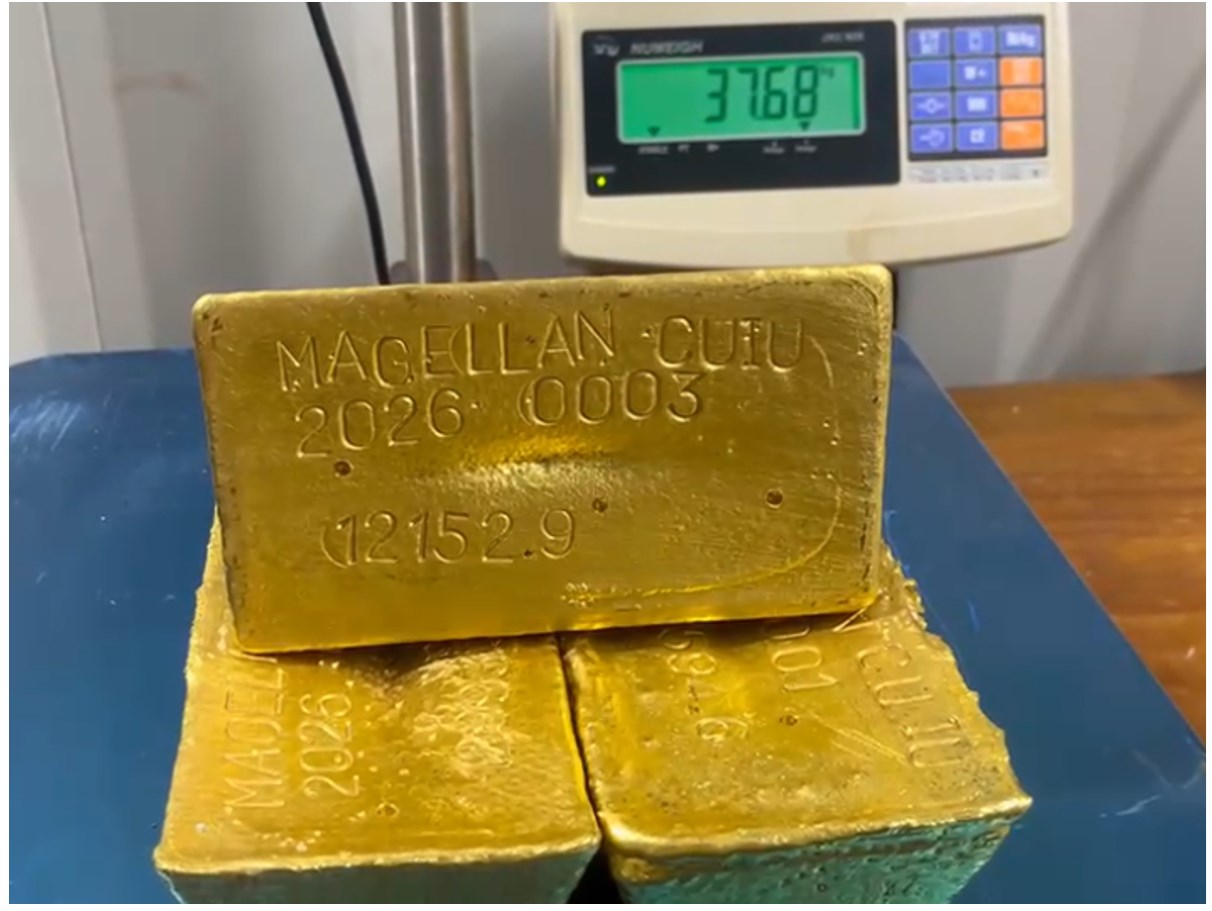
Serabi reported quarterly gold production of 11,007 ounces, representing a 5% increase compared with the second quarter of 2025. The result brings total gold production for the first half of 2026 to 23,049 ounces. The management maintains its full-year guidance of 53,000 to 57,000 ounces of gold. That projection assumes the permanent Installation Licence (LI) for Coringa is awarded by the fourth quarter of 2026, with production targeting a sequential increase through the remainder of the year.
2. Cash Balance Grows to US$65.7 Million Despite One-Off Charges
Serabi ended June 2026 with a cash balance of US$65.7 million, increasing from US$64.4 million at the end of the first quarter. The company remains completely debt-free after repaying US$5.3 million to Banco Santander in Brazil during the first quarter of the year.
The company achieved this financial resilience despite lower realised gold prices in the second quarter. The increased cash balance followed record cash generation in the first quarter and was achieved even after absorbing the costs of developing the Galena and Serra South zones at Coringa, alongside approximately US$4 million in one-time general and administrative and tax charges.
3. Coringa Advances Transition to Mechanised Sublevel Stoping
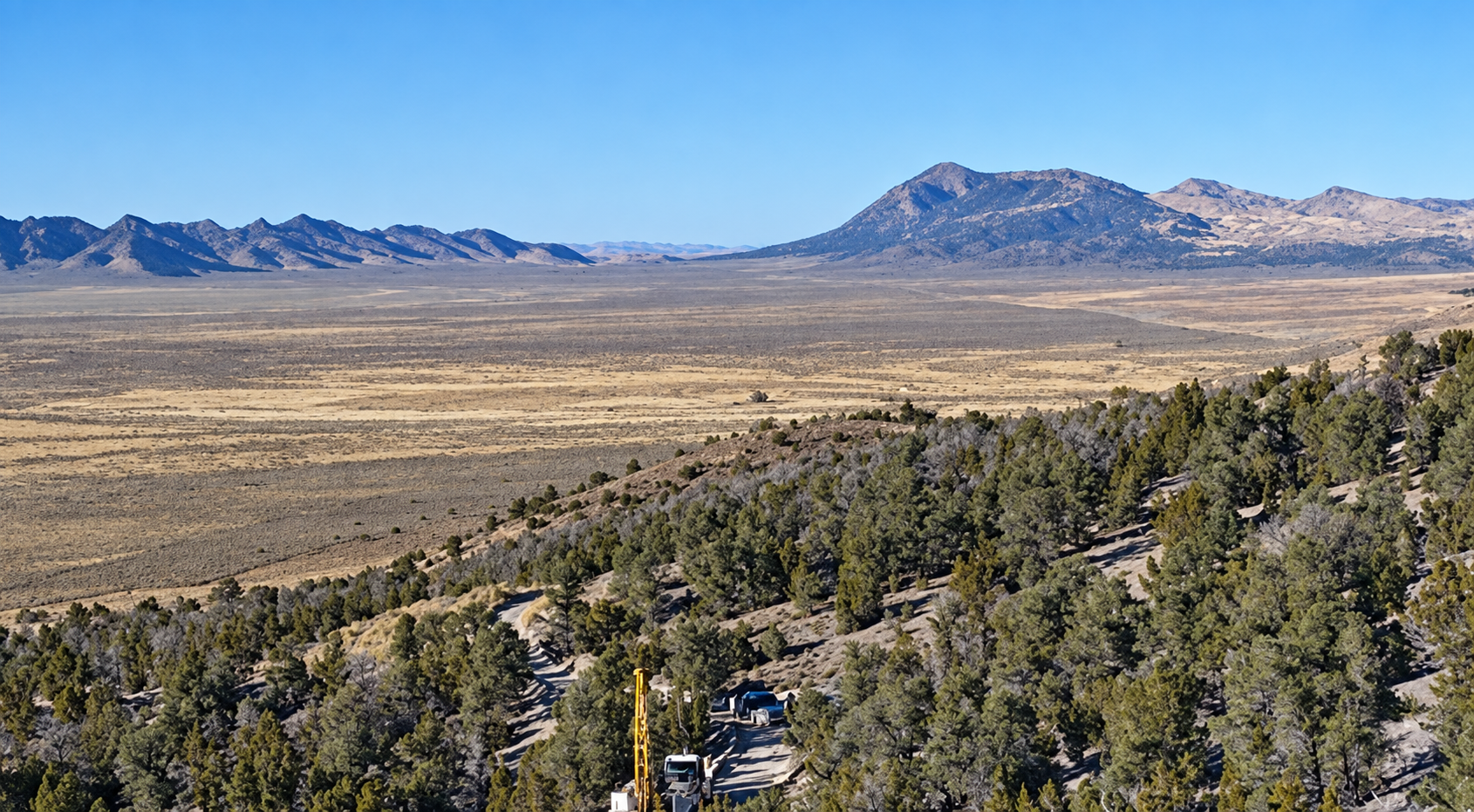
Operations at the Coringa mine delivered consistent high-grade feed during the quarter, with milled grades reporting at 7.41 grams per tonne gold. Development of the third zone, Galena, is progressing on schedule, with the main ramp reaching the 249-metre level and sill drive development underway on the 285-metre and 269-metre levels.
The company also initiated development at the Serra South zone, a significant discovery from the 2025 brownfield exploration programme. The full transition from selective open stoping to mechanised sublevel stoping remains on track for the fourth quarter of 2026.
4. Palito Underground Prepares for G3 Stoping to Improve Grades
Production at the Palito Complex was impacted by lower grades during the first half of the year. Milled grades averaged 5.26 grams per tonne gold year-to-date, compared with an average of more than 6 grams per tonne gold in 2025.
Activity has continued across several established zones, including Barrichello, G3, and Piquet, but development remains focused on Senna and G3 veins, down to the -210-metre level on G3. Management is targeting stoping to recommence at G3 in the second half of 2026, supporting improved grades and overall production.
5. Final Permitting Steps Follow July Indigenous Site Visit
Coringa currently operates under a three-year Guia de Utilização (GUIA) licence that expires on January 29, 2027. To secure the full LI, Serabi requires a change-of-land-use approval from the Instituto Nacional de Colonização e Reforma Agrária (INCRA) and approval of the Estudo de Componente Indígena (ECI) from the Fundação Nacional dos Povos Indígenas (FUNAI).
The INCRA land-use change has been technically approved at both the state and federal levels and is awaiting final legal sign-off. For the FUNAI requirement, the ECI was well received by indigenous communities in March 2026, followed by a successful site visit to the Coringa mine by local indigenous communities on July 17, 2026.
6. Fourth Ball Mill Installation Remains on Schedule for the Fourth Quarter of 2026
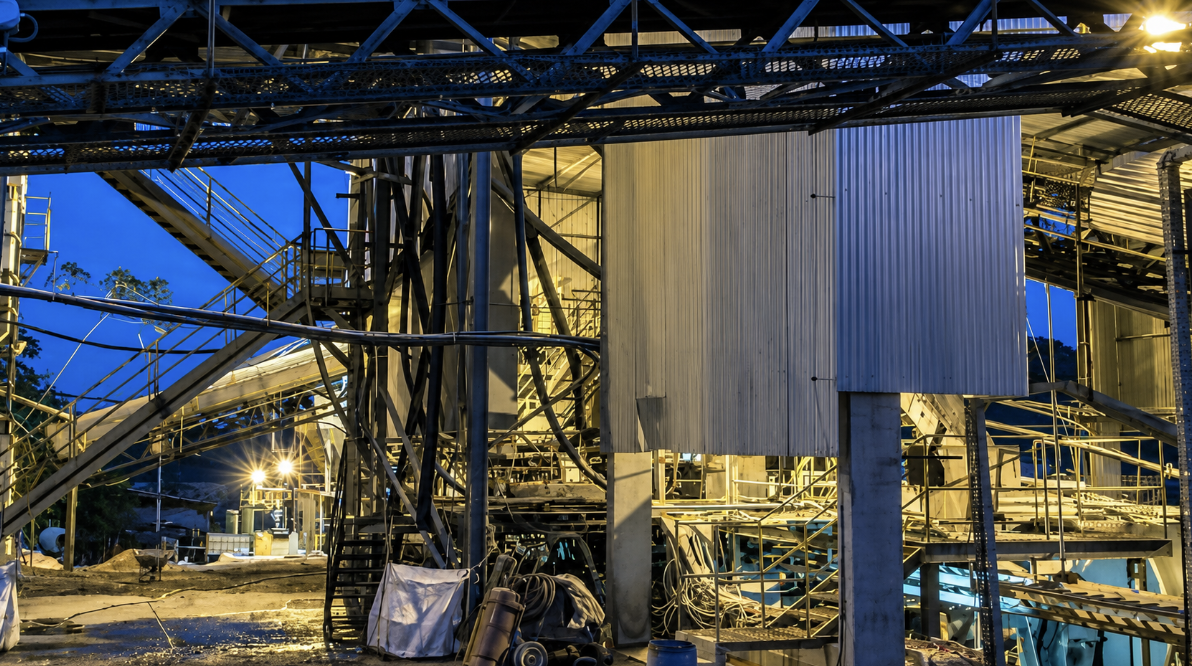
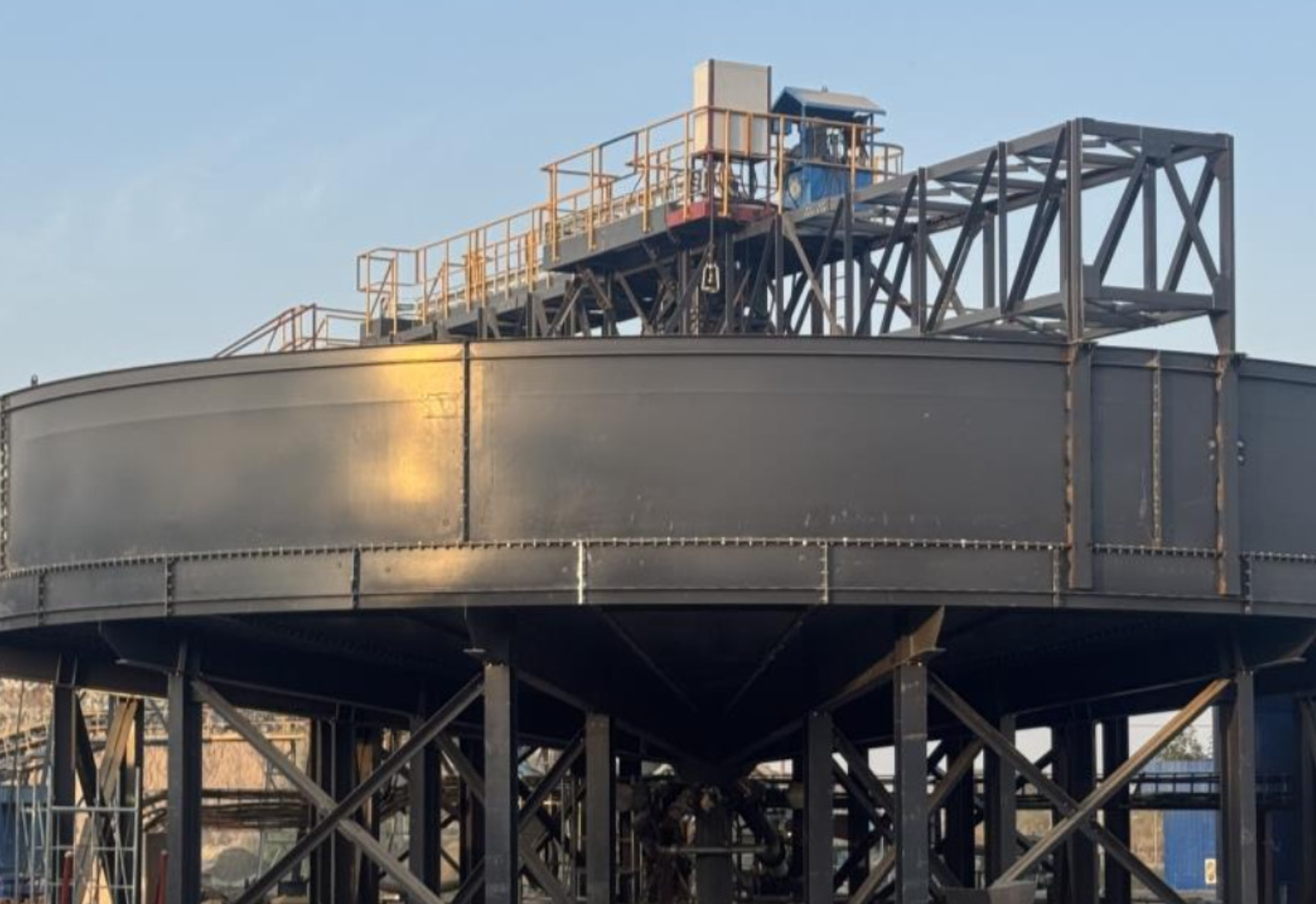
Installation of a fourth ball mill at the Palito Complex is progressing smoothly. The expansion is targeting operational readiness by the fourth quarter of 2026.
The new mill will increase the company's annual processing throughput to 330,000 tonnes per annum in 2027, providing the capacity required to support Serabi's long-term production growth profile.

Key Takeaways for Investors
The second-quarter update indicates that Serabi Gold's operational expansion remains fully funded and on schedule, with the fourth ball mill installation and the transition to mechanised mining at Coringa progressing toward completion by the fourth quarter of 2026. Achieving full-year production guidance of 53,000 to 57,000 ounces of gold remains contingent on securing the permanent Coringa Installation Licence within the targeted timeframe. Beyond permitting, execution will also depend on improving grades at the Palito Complex as stoping recommences at the G3 zone and managing inflationary pressures that could affect operating costs and margins.
Analyst's Notes





Subscribe to Our Channel


Stay Informed