




The Resource Growth Hiding in B26's Cut-Off Grade


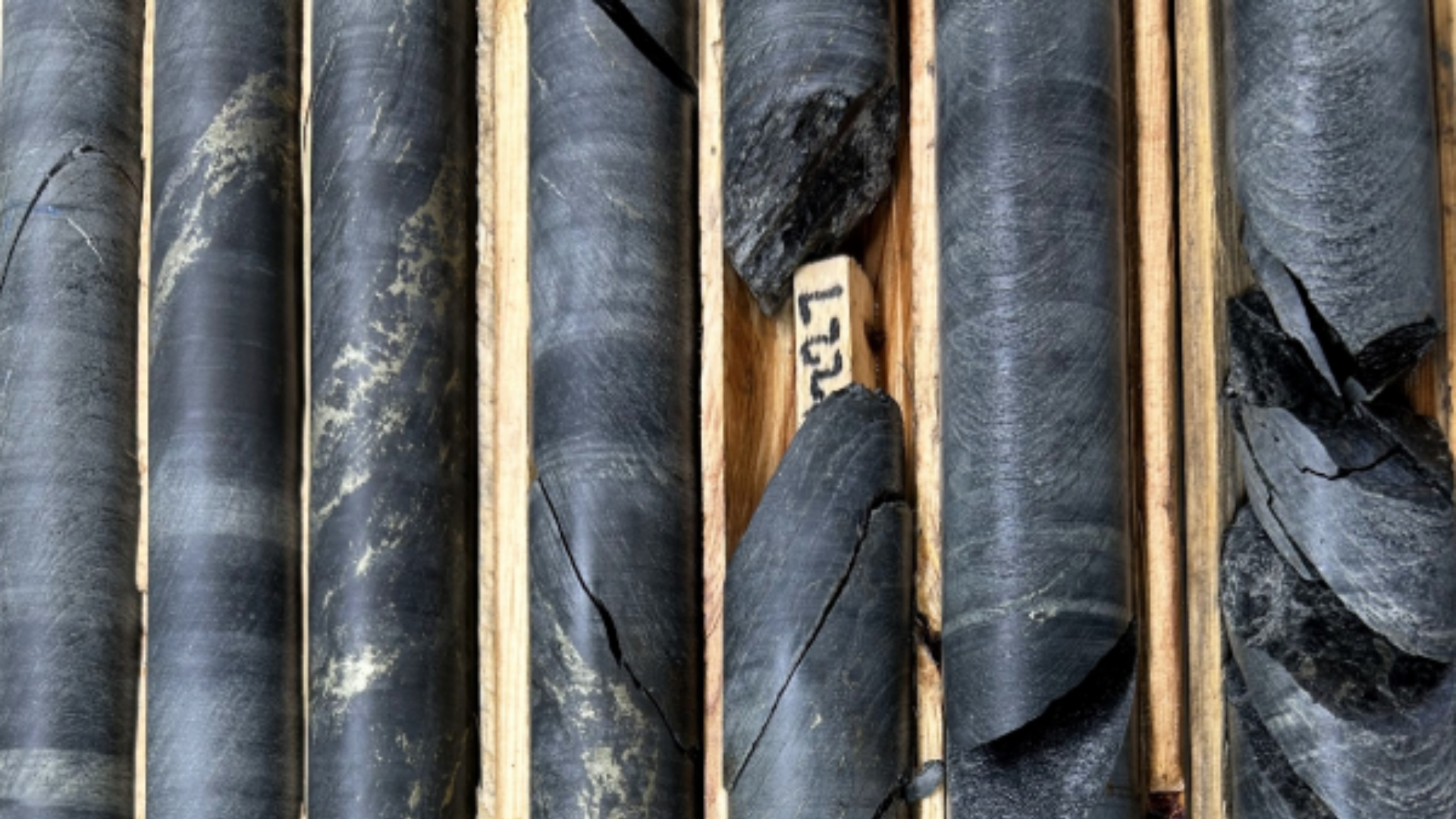
How a lower cut-off grade and higher metal prices could grow Abitibi Metals' B26 deposit from 25.3 to over 30 million tonnes, before any new drilling.
- Abitibi Metals' B26 copper-gold deposit holds a current resource of 25.3 million tonnes grading 2.1% copper equivalent.
- The resource was calculated on a conservative price deck of US$2,500 per ounce for gold and US$4.50 per pound for copper.
- Recent spot prices near US$4,400 per ounce for gold and US$6.30 per pound for copper lift the grade of that same rock to between 2.4% and 2.5% copper equivalent.
- Lowering the cut-off grade by 20% expands the deposit to 30.3 million tonnes, approaching management's target of 35 to 45 million tonnes for the next resource update.
- A preliminary economic assessment (PEA) is targeting the first quarter of 2027.
Most of the growth at the B26 deposit has come from the drill bit. Abitibi Metals (CSE: AMQ | OTCQB: AMQFF | FSE: FW0) has grown its Quebec copper-gold deposit by 124% since 2023, and three drill rigs are still turning. A second source of growth lies within the resource itself, in the single figure that determines how much of the already-drilled rock qualifies as resource: the cut-off grade.
What the Cut-Off Grade Controls
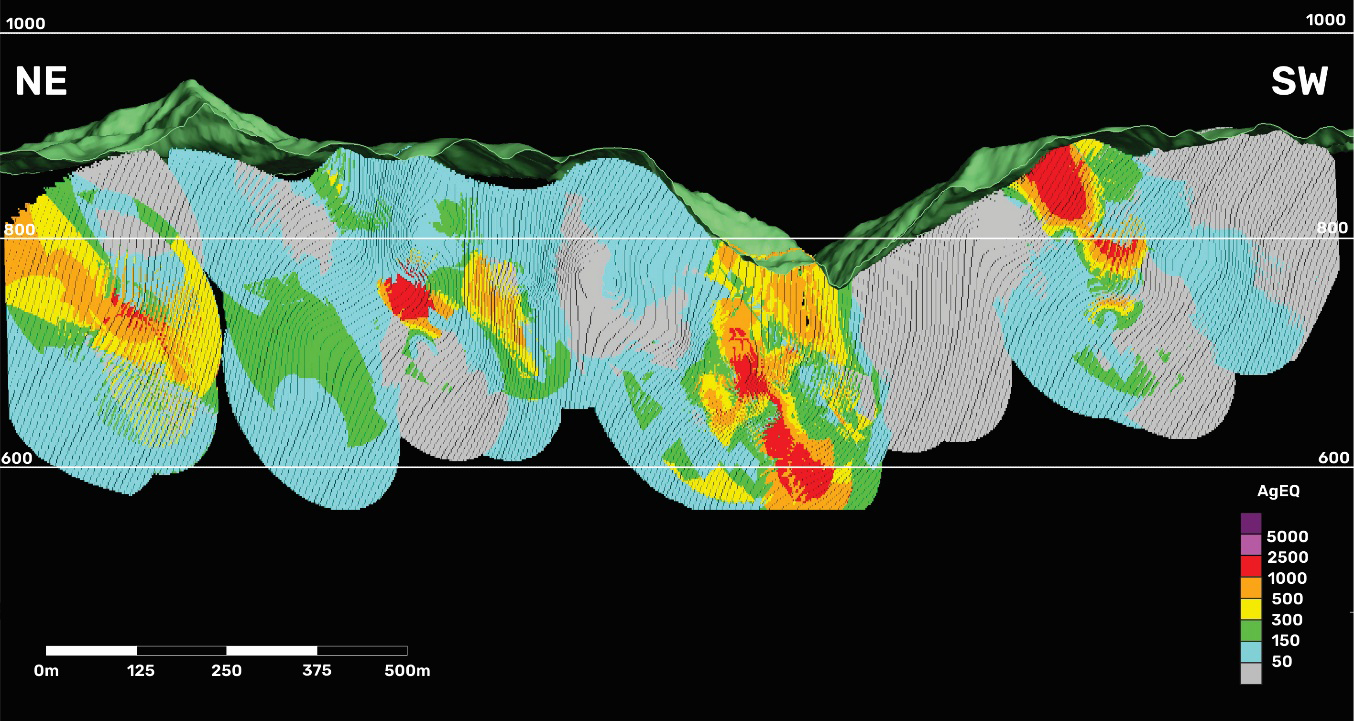
The cut-off grade is the minimum value a block of rock must carry to be counted in a resource. Set it lower, and blocks that previously fell short begin to qualify. At B26, that threshold is set at US$100 per tonne of contained metal value, and the current resource stands at 25.3 million tonnes grading 2.1% copper equivalent, split into 12.96 million tonnes indicated and 12.34 million tonnes inferred. The deposit runs well over a kilometre along strike and continues to more than a kilometre below surface, so the volume of rock sitting close to that threshold is large.
Chief Executive Officer of Abitibi Metals, Jonathon Deluce, is direct about the leverage this creates:
"There's a lot of that marginal material that is economic once the development is there, but with higher commodity prices will come into the initial mine plan. So it showcases the leverage and also the opportunities within the deposit."
That material does not need to be discovered. It has already been drilled, and it sits just below the line drawn by today's assumptions.
Two Forces That Lower the Bar
Two forces push blocks across that line. The first is price. B26's resource was calculated on a conservative price deck of US$2,500 per ounce for gold and US$4.50 per pound for copper, well beneath recent spot levels near US$4,400 per ounce for gold and US$6.30 per pound for copper. At spot prices, the grade of the same rock rises to between 2.4% and 2.5% copper equivalent. The commodity-price contribution to the resource update for February 2026 at 9%, which leaves most of that effect still to be registered.
The second force is mining itself. Once an underground mine is built, the extra cost of putting one more lower-grade block through the plant is small, so rock that was uneconomic to chase on its own becomes worth carrying in the plan. It can be illustrated with a single block: one holding US$75 per tonne sits below the US$100 threshold on its own, yet costs little to include once the mine is already developed around it.
The combined effect is already visible in the numbers. Lowering the cut-off by 20% takes the deposit to 30.3 million tonnes at a grade close to 2% copper equivalent. Deluce frames it in tonnes:
"When we look at taking the cut-off down by 20%, we already have 30 million tonnes close to the 2% mark."
That sits within reach of the 35 to 45 million tonnes the company is targeting for its next resource update, before a metre of new drilling.
Why the Mining Method Makes It Work
Whether those marginal blocks are worth including depends on how cheaply the deposit can be mined. About 85% of B26 sits in a single copper-gold stringer zone, a wide and continuous body rather than a set of narrow veins, and the host rock is competent enough to support large mining voids without extensive ground support.
Deluce ties the mine design directly to cost:
"As we complete the mine optimisation work, it allows us to look at potentially larger stope sizes that increase the production tonnage per day and lessen costs because the rock is competent."
Bulk-tonnage underground mining across a wide zone lowers the cost of each tonne moved, and a lower cost per tonne is what allows a lower cut-off to stay economic. The mine design and the cut-off grade are the same lever seen from two ends.
Where the Tonnage Gets Counted
The place this shows up is the next resource estimate, where a lower cut-off and higher prices convert into reported tonnage. A preliminary economic assessment (PEA) is targeting the first quarter of 2027 and will set the mining assumptions that determine how far the cut-off can reasonably fall. The exploration lever and the assumption lever run in parallel: one adds metal that was never in the resource, the other reclassifies metal already drilled.
The drill bit continues alongside this. Abitibi is funded for 80,000 metres of drilling across 2026 and 2027, holds a treasury of C$44 million as of June 2026, and continues to test extensions of known lenses and the targets beneath them.
The sensitivity runs in both directions. Raising the cut-off by 20% instead shrinks the deposit to 10.80 million tonnes indicated and 10.09 million tonnes inferred, at higher grades of 2.27% and 2.44% copper equivalent. The tonnage reported in the next update will depend as much on the assumptions chosen as on the metal already in the ground.
What Comes Next
The reported size of B26 has always been a function of two things: the metal drilled out, and the assumptions used to count it. The first quarter of 2027 brings both into view at once, when an updated resource estimate and the PEA show how much of the marginal rock already in the ground the company can carry into a mine plan.
FAQs (AI-Generated)
Analyst's Notes





Subscribe to Our Channel






Stay Informed






















