




Three Proof Streams at Sovereign Metal’s Kasiya: Commercial Agreements, Resource Classification & Rehabilitation Evidence


Sovereign Metals' Kasiya updates address commercial, resource, and closure evidence for a bankable Definitive Feasibility Study.
- Sovereign Metals' recent updates grouped three different workstreams around the same Kasiya development path: product marketing, resource confidence, and rehabilitation evidence.
- The Mitsui and Traxys agreements indicate early market traction for both rutile and graphite, but they remain preliminary steps rather than final commitments to project finance or construction.
- The significance of the March mineral resource estimate lies not in increased scale but in the 38% increase in Measured and Indicated (M&I) tonnes to 1,652 million tonnes, and in the introduction of a first Measured Resource for early mine scheduling.
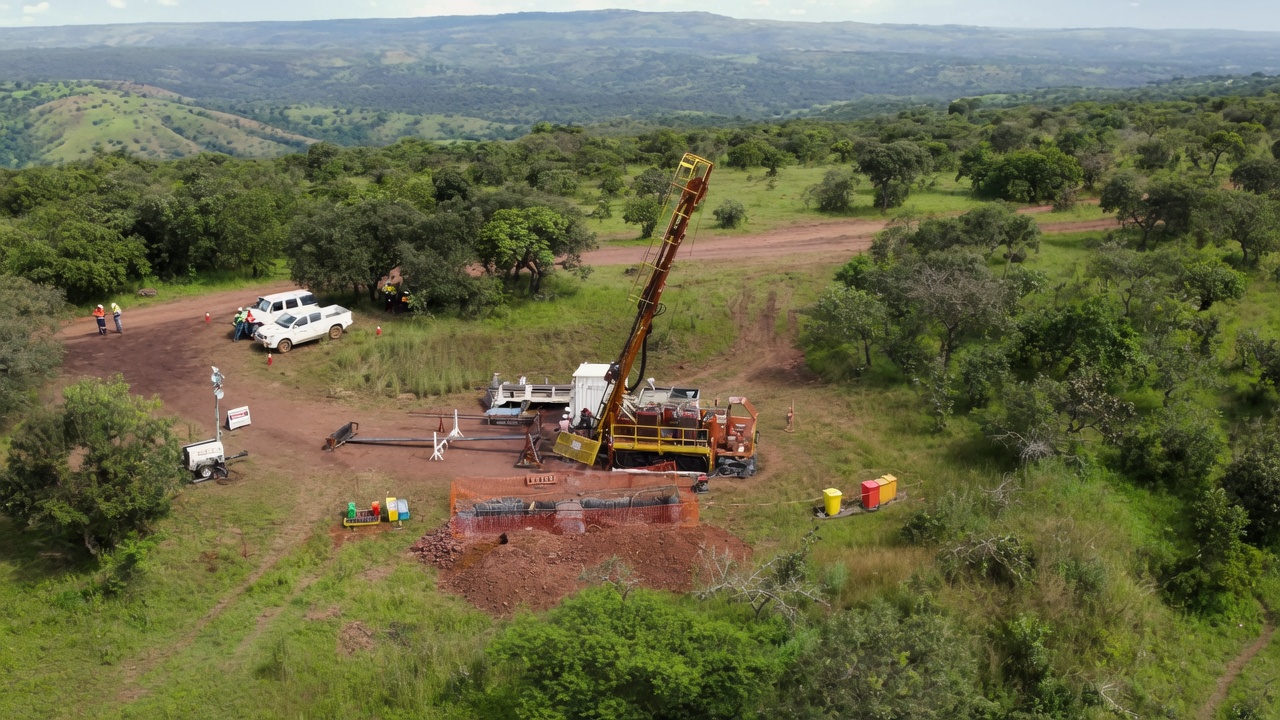
- Rehabilitation trials at the 10-hectare pilot site are producing empirical land-use and closure data that feed directly into mine closure and mine rehabilitation planning, the Definitive Feasibility Study (DFS), and environmental and social work.
- The recent milestones suggest Kasiya is moving through several proof categories at once, each aimed at a different bankability question inside the same development package.
What Has Happened
Recent updates at Sovereign Metals have clustered around one project and one development objective: advancing Kasiya from study stage toward a bankable Definitive Feasibility Study (DFS). In March 2026, Sovereign signed a Memorandum of Understanding (MOU) with Mitsui & Co. covering up to 70,000 tonnes per annum of natural rutile concentrate grading above 95% titanium dioxide from planned first production in 2030. In the same month, an updated mineral resource estimate was also released, lifting the total resource to 2.105 billion tonnes and expanding the Measured and Indicated (M&I) base used for mine planning. Recently, it reported progress on the second-year rehabilitation trial, noting first-year maize yields of 5.2 tonnes per hectare, against a regional average of 1 tonne per hectare, with second-year harvest results expected in mid-2026. These suggest Kasiya is being advanced through parallel proof streams rather than a single linear milestone path.
Commercial Proof
The commercial announcements establish that Kasiya's principal products have attracted early third-party engagement on placement and pricing structure. The Mitsui MOU provides early evidence of market interest in planned rutile output, while remaining non-binding apart from standard clauses and preserving Rio Tinto's existing rights. That means it does not de-risk execution on its own, but it does indicate early third-party engagement around placement and pricing structure.
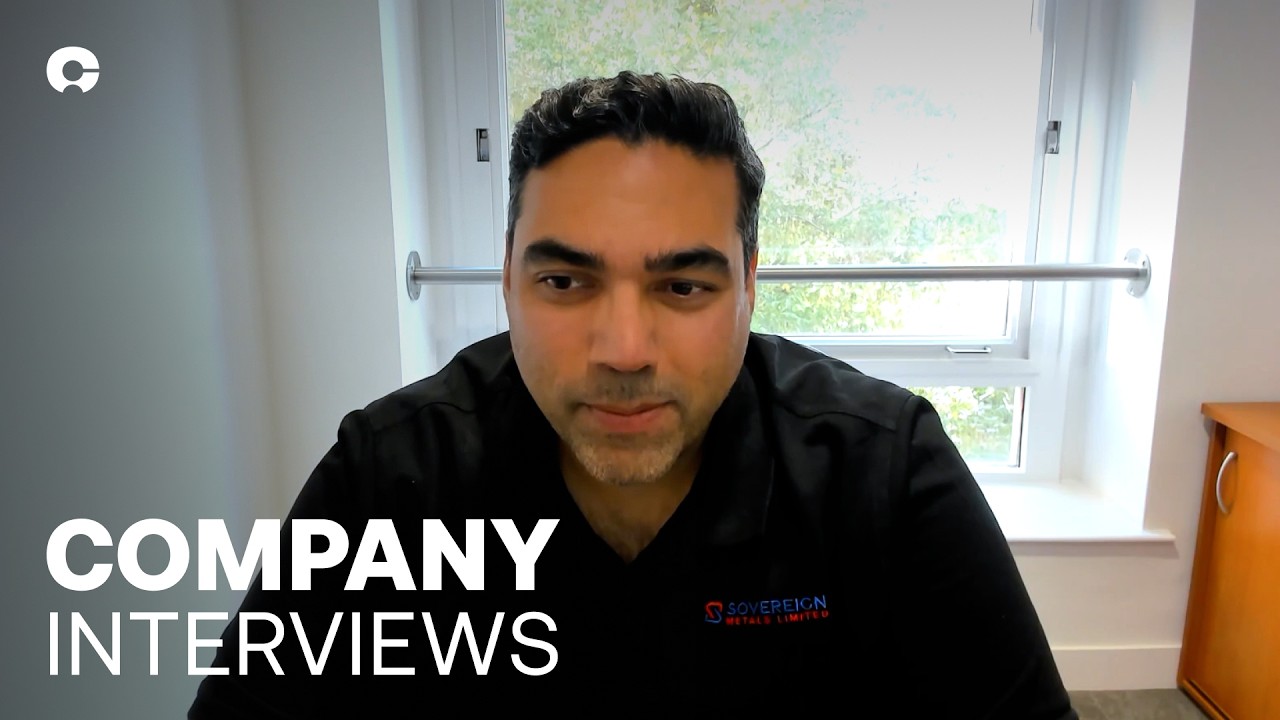
Managing Director and Chief Executive Officer of Sovereign Metals, Frank Eagar, speaking about the Traxys MOU, addresses the distinction directly:
"Obviously, getting this is a non-binding MoU, but getting it to, ultimately, the offtake agreement, I think it's a very, very positive step for the project as a whole."
Graphite sits in a similar position. The Traxys MOU covers up to 80,000 tonnes per annum of graphite, whereas the project profile points to around 140,000 tonnes in the first five years and around 250,000 tonnes in year 6 at full-scale production. Kasiya's graphite case is built on unusually low incremental cost, at US$240 to US$241 per tonne, with concentrate grades of 96% to 98% carbon, sulphur below 0.02%, and a flake distribution that includes 57% large jumbo and 12% medium flakes. Those parameters position Kasiya's graphite concentrate across multiple end-use segments, including battery-grade and industrial applications.
Resource Confidence Proof
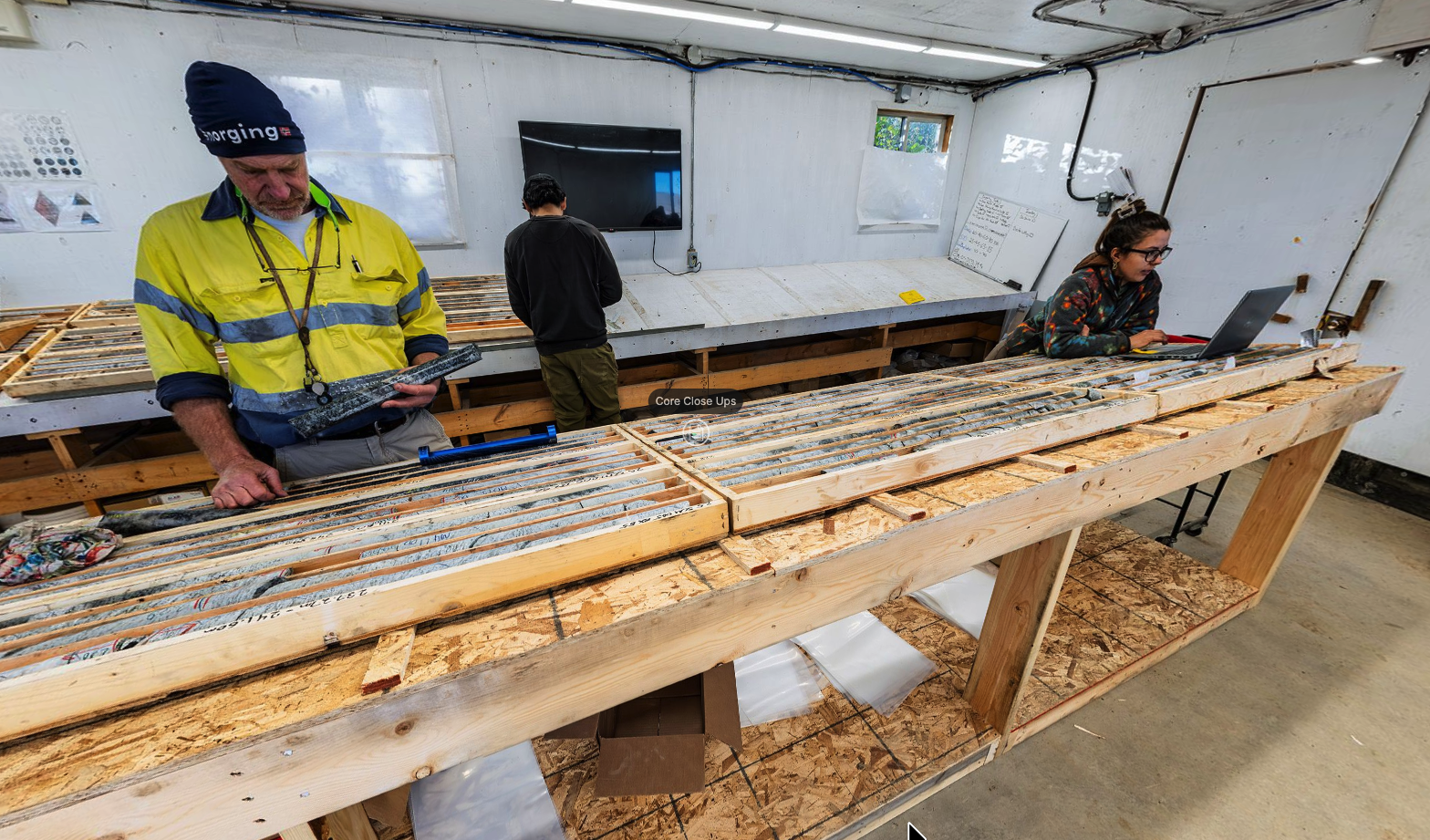
The March resource update suggests the geological case is being reshaped around classification quality rather than headline scale alone. Kasiya's total mineral resource estimate now stands at 2.105 billion tonnes at 0.96% rutile, for 20.24 million tonnes of contained rutile, and 0.95% total graphitic carbon, for 19.95 million tonnes of contained graphite. The more material change for DFS purposes is that M&I tonnes rose 38% to 1,652 million tonnes, while M&I contained rutile rose 32% to 16.12 million tonnes.
Bankable mine schedules depend on confidence in the portion of the resource actually scheduled into the early operating years. Kasiya now has its first Measured Resource, which is planned to support the first 6 years of operations. The update, therefore, suggests a transition from resource scale as a strategic talking point to resource classification as an engineering and financing input. In practical terms, the DFS needs a mine schedule that lenders, counterparties, and potential offtake customers can underwrite. A larger total inventory extends the project life, but higher confidence in the early mine plan is what lenders and offtake counterparties can act on.
Formal offtake discussions and project financing conversations require a mine schedule backed by higher-confidence classification, which the update now provides.
Closure & Social Proof
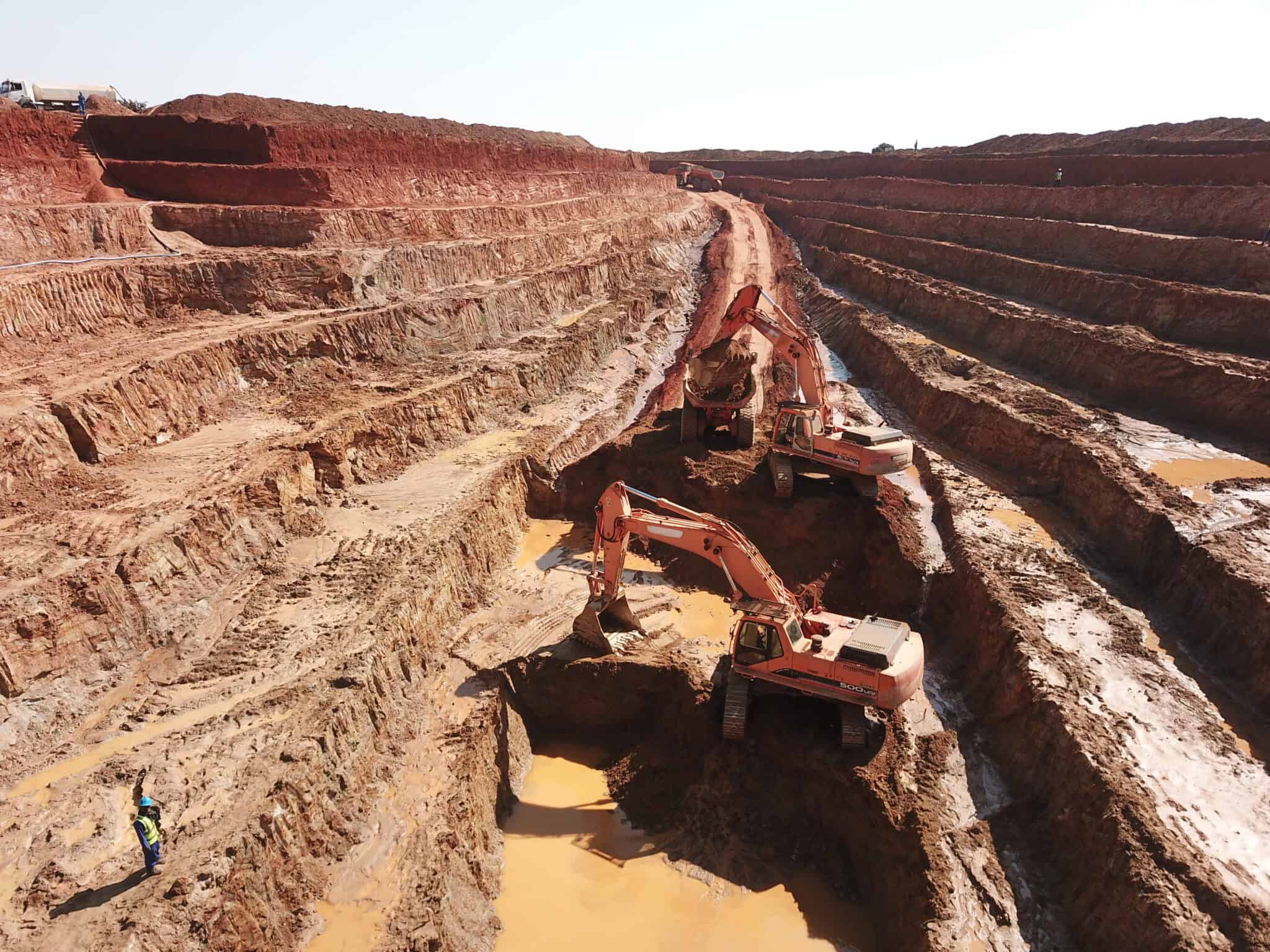
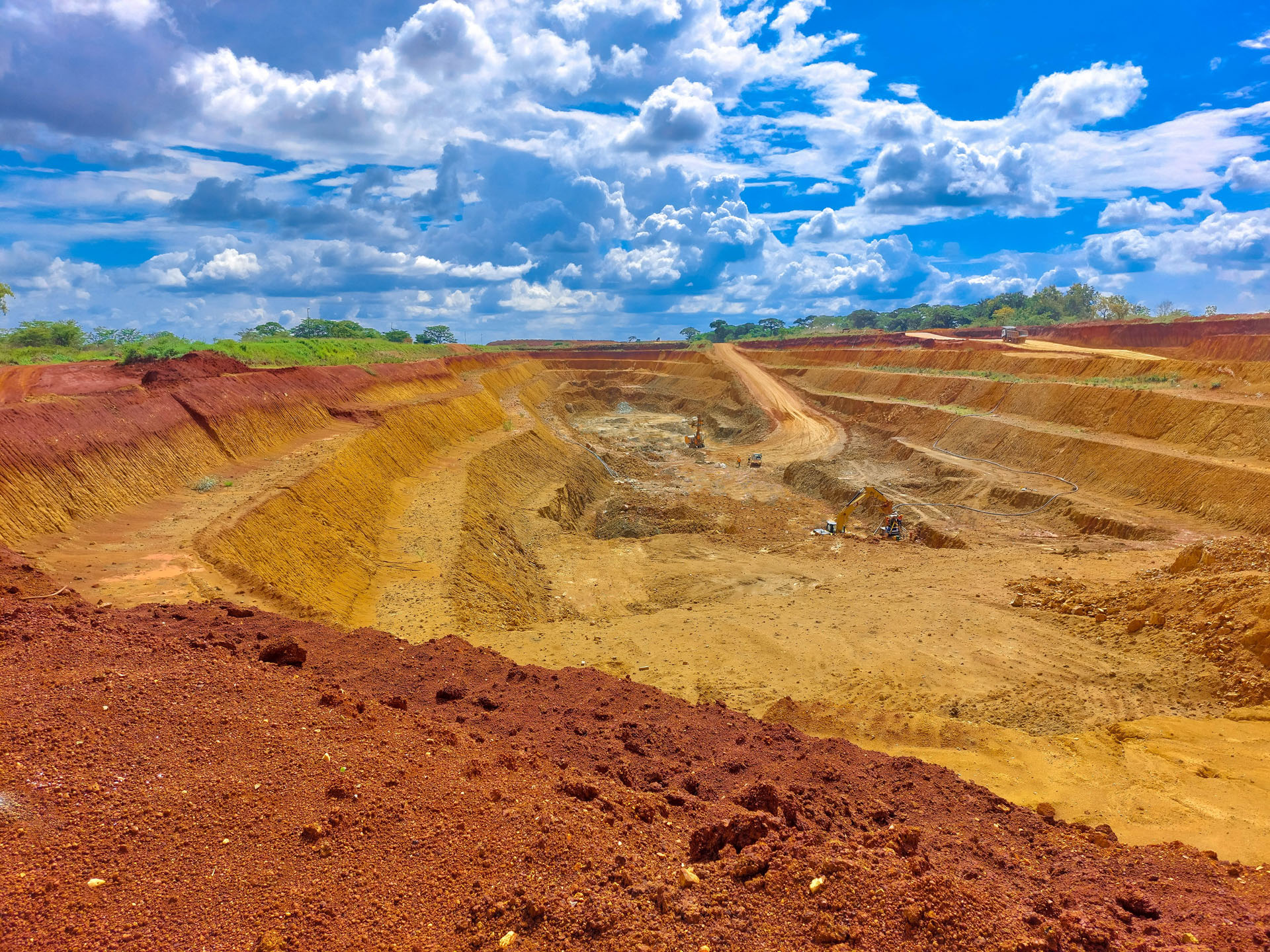
The rehabilitation work suggests Kasiya's closure narrative is being converted into operating evidence rather than left as a conceptual appendix. Sovereign has mined 170,000 cubic metres over a 10-hectare pilot site during a six-month trial, then tested rehabilitation methods using no-tillage and hand-worked land preparation. Year one used lime, fertiliser, and biochar, while year two shifted toward more targeted supplements. The cropping system has also expanded beyond maize to include maize-bamboo intercropping.
Second-year rehabilitation trials are nearing completion, with crop yields expected to match the first-year result of 5.2 tonnes per hectare, against a regional average of 1 tonne per hectare, at the mid-2026 harvest. The trial data here are being used in Mine Closure and Mine Rehabilitation Plans and integrated into the DFS and environmental and social impact work. The programme also includes 28 local farmers, all of whom have requested that Sovereign remain involved and assist in establishing a farming co-operative. That gives the programme a social transition dimension alongside its agronomic one.
The rehabilitation evidence has moved beyond conceptual planning into field-tested data at a point when those inputs can still influence core development documents. Post-mining land use, closure cost assumptions, and community transition design are being shaped by empirical output from an active site rather than modelled from general assumptions.
How the Proof Points Converge in the DFS
Each proof stream addresses a different bankability question. The commercial agreements indicate early engagement with counterparties across both principal products. The resource update supports a mine schedule at the classification standard required for project finance. The rehabilitation work provides empirical inputs for closure planning and environmental documentation.
Eagar characterises the shift in project phase:
"It really is all we're looking towards. Moving the project from the exploration study phase into execution and ultimately implementation."
A bankable DFS functions as more than an engineering document. It is also where marketability, mineability, and closure credibility begin to intersect in a form that can support permitting, financing, and more formal commercial agreements. The International Finance Corporation (IFC) sits inside that logic as a financing-related bridge between technical readiness and standards-based project preparation. The resource update supports project finance and offtake discussions, the rehabilitation programme supports closure planning and standards alignment, and the commercial agreements support the argument that both key products can attract counterparties before final project sanction.
Broader Context
Kasiya is the world's largest known rutile resource and the world's second largest known flake graphite resource. Rio Tinto holds a 19.9% strategic stake. The optimised pre-feasibility study shows average steady-state production of 246,000 tonnes per annum of rutile and 265,000 tonnes per annum of graphite, with graphite carrying an incremental cost of US$241 per tonne.
Its path depends on whether several categories of evidence mature simultaneously and can be integrated into a single financing and permitting narrative. Product quality work with groups such as Toho Titanium, the Rio Tinto relationship, and the by-product economics around graphite all sit behind the current phase, but they remain a supporting context rather than the central story.
What to Watch Next
The next milestones are about converting accumulated evidence into completed project documents and formal processes. The immediate watchpoint is completion of the DFS, which is well on track. After that, attention shifts to permitting in Malawi, mining licence applications, further progress on environmental and social impact documentation, and ongoing project finance activity linked to the IFC collaboration.
Eagar identifies the immediate priorities:
"Our next step really is to complete a Definitive Feasibility Study, which is very well on track."
Commercially, the next signal is whether the current MOUs with Mitsui and Traxys evolve into more definitive agreements. Operationally, mid-2026 second-year harvest results and the development of the proposed farmer co-operative will indicate whether rehabilitation evidence continues to deepen in ways relevant to closure planning and social licence. The combination of those milestones will determine whether the current proof package can be translated into a form usable by regulators, financiers, and counterparties.
FAQs (AI-Generated)
The agreement indicates early market engagement around Kasiya's rutile product and contract structure. It does not guarantee financing or construction, but it shows that external counterparties are beginning to engage with the project on commercial terms before final project sanction.
The more significant change was the increase in M&I classification and the introduction of the first Measured Resource. That improves confidence in the early mine schedule that will feed the DFS.
It adds field-tested evidence for closure planning, post-mining land use, and community transition design. That makes the closure case more usable in the DFS and related environmental and social work.
They address different lender and counterparty questions simultaneously: whether the product can be sold, whether the mine plan is reliable, and whether closure planning is credible. That combination is more relevant to bankability than any single announcement viewed in isolation.
The main near-term milestones are DFS completion, permitting progress in Malawi, mining licence work, and movement from memoranda of understanding toward more formal agreements. Mid-2026 rehabilitation results and farmer co-operative development are also relevant because they extend the closure and social proof package.
Analyst's Notes





Subscribe to Our Channel


.png)








Stay Informed


