




Sovereign Metals' Kasiya Project: 8 Things You Need to Know


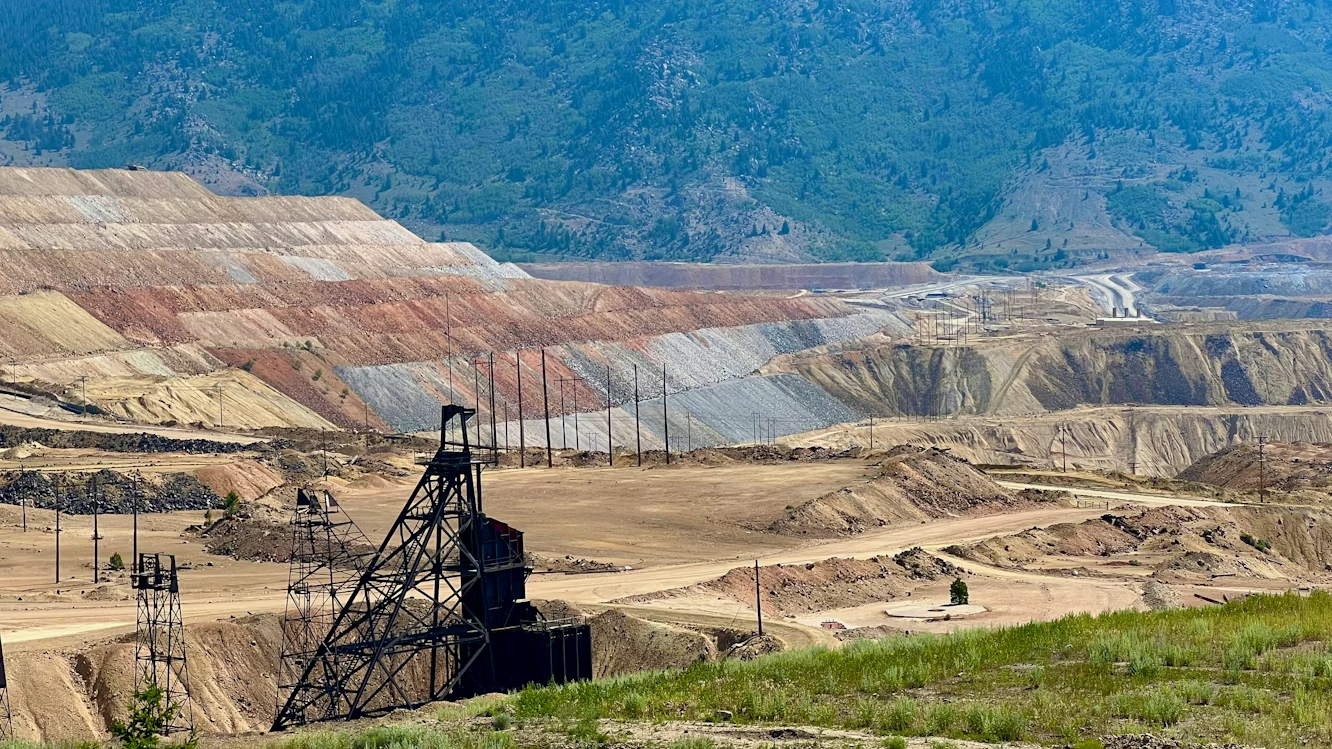
Kasiya's weathered saprolite orebody enables free-dig mining and gentle processing, supporting Sovereign Metals' rutile project and a low graphite cost base.
Project Overview
Sovereign Metals [ASX:SVM], [AIM:SVML], [OTCQX:SVMLF] is advancing the Kasiya Rutile-Graphite Project in Malawi, a primary rutile asset that also produces graphite. The March 2026 mineral resource estimate stands at 2,105 million tonnes at 0.96% rutile for 20.24 million tonnes of contained rutile, with a total graphitic carbon (TGC) grade of 0.95% for 19.95 million tonnes of contained graphite. A definitive feasibility study (DFS) is underway, and management describes it as on track, following the completion of an Optimised Pre-Feasibility Study and pilot programme.
What sets Kasiya apart from most comparable graphite and mineral sands projects is not resource scale alone. The orebody's geological character, specifically its weathered, near-surface, saprolite-hosted setting, shapes every stage of the operating model, from mining method and processing design to product quality and cost structure.
1. A Weathered, Near-Surface Orebody
Kasiya sits on the Lilongwe Plain and consists of laterally extensive, flat, blanket-style mineralised bodies hosted in weathered saprolite. It is classified as a residual placer or eluvial heavy mineral deposit, formed by the in-place concentration of heavy minerals through the breakdown of underlying rock over geological time. High-grade rutile commonly occurs within the top 3 to 5 metres from surface, with moderate-grade mineralisation extending deeper into the saprolite profile.
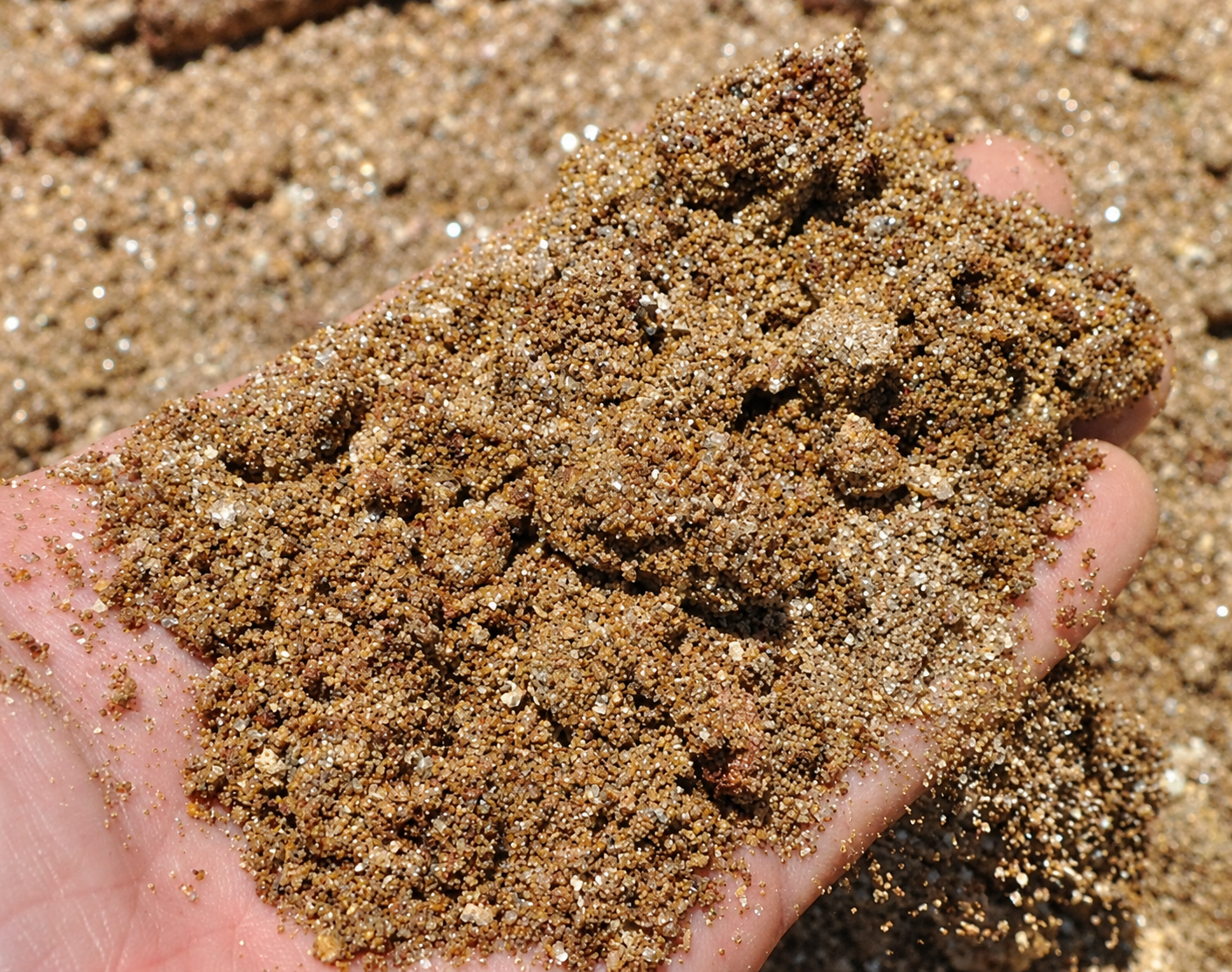
The deposit contrasts structurally with fresh-rock graphite peers, which require mining and processing approaches designed for competent, unaltered rock. At Kasiya, the weathered host material is loose, soft, fine, and friable, with no cemented sand or dense clay layers identified. This physical character is the starting point for every operational decision that follows.
2. Free-Dig Mining Changes the Front End
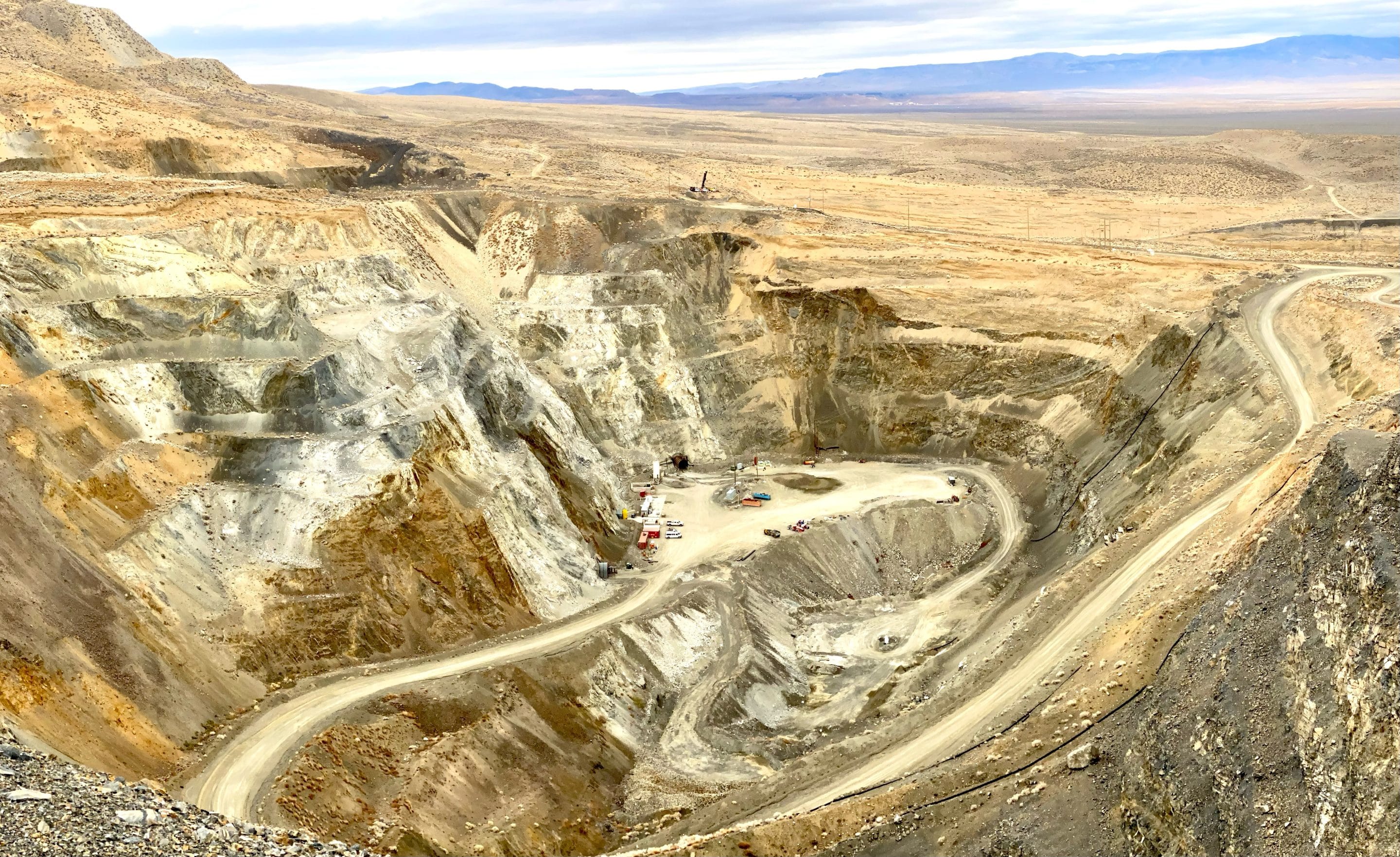
Dry mining has been determined to be the optimal method for Kasiya based on ore characteristics. The material is loose and friable, allowing direct excavation without drilling or blasting. Strip ratio is zero or near zero, and dilution is described as minimal because rutile mineralisation begins at the surface, and deposit boundaries are generally gradational rather than sharp.
The front-end simplicity this creates is structural, not incidental. Projects mining fresh, competent rock require substantial energy, equipment, and infrastructure investment at the mining stage before the material reaches any processing circuit. Kasiya's core character removes those requirements from both the capital and operating cost bases from the outset.
3. The Flowsheet Starts Simpler
The processing circuit at Kasiya begins where a hard-rock operation's circuit would still be in the comminution stage. Rutile is expected to be recovered through a conventional wet concentration plant, and graphite is recovered through flotation, preceded by gravity separation to concentrate graphite ahead of the flotation circuit.
This is a simpler front end by design, not a simplification of a more complex system. The flowsheet reflects the ore's physical properties rather than a processing shortcut applied to conventional material. Hard-rock graphite projects require energy-intensive comminution circuits to liberate graphite from the host rock; Kasiya's weathered ore does not impose that requirement.
4. Gentle Processing Preserves Graphite Flake
The absence of crushing and grinding at Kasiya has a direct consequence for product quality. Less intensive processing means graphite flakes are not subjected to the mechanical degradation that reduces flake size in hard-rock operations. Kasiya's graphite concentrate grades at 96% to 98% carbon, with a flake size distribution of 57% large-jumbo, 12% medium, and 32% small. Sulphur content in the weathered setting is very low, below 0.02%.
The company states that Kasiya graphite is suitable for 94% of graphite end uses, including batteries, refractories, and expandable graphite applications. That breadth of end-market access reflects the flake-size profile and concentrate purity, both of which trace directly to the processing conditions enabled by the weathered ore rather than to downstream product treatment.
5. Rutile & Graphite Sit in the Same System
Rutile and graphite occur in different parts of the same weathering profile at Kasiya. Rutile is enriched near the surface, particularly within the top 3 to 5 metres. At the same time, graphite is depleted in that upper zone and occurs in more consistent association with rutile below that depth. A broad geological association between the two minerals means both are captured within the same mining footprint.
Managing Director and Chief Executive Officer of Sovereign Metals, Frank Eagar, is direct about how the project is positioned:
"I think the market knows that this is obviously a primary rutile project, but we do have graphite coming out as well."
Kasiya is described as the only known deposit globally where graphite is produced as a by-product. That distinction changes the commercial logic for graphite: the ore is mined for rutile regardless, and graphite is recovered incrementally from the same material stream rather than as a separately targeted product.
6. The By-Product Model Changes the Graphite Economics
When graphite is recovered as a by-product of a primary rutile operation, its cost base reflects only the incremental cost of capturing it from a material stream that is already being mined and processed. The overall operating cost for the project is stated at US$423 per tonne. The incremental cost attributable specifically to graphite production is US$241 per tonne, reflecting only the cost of capturing graphite from an already-planned mining and processing operation.
Eagar frames the cost position directly:
"Just to remind everyone, graphite coming out at the bottom of the cost curve, $240 a tonne, incremental cost delivered onto a vessel."
The Chinese weighted-average C1 cash cost for graphite production is US$257 per tonne. Kasiya's incremental graphite figure falls short of that benchmark. The structural source of that positioning is the by-product model: graphite reflects only the marginal cost of recovery, not the cost of mining for it. Whether this holds through the project life will depend on operational execution, but it is built into the project design rather than dependent on commodity price assumptions.
7. Strategic Backing & Development Path
The technical and commercial workstreams around Kasiya involve several significant counterparties. Rio Tinto invested A$60 million for a 19.9% stake in Sovereign Metals, and the DFS is being completed under the oversight of the Sovereign-Rio Tinto Technical Committee. The International Finance Corporation (IFC) is collaborating on integrating IFC Performance Standards into the DFS and the Environmental and Social Impact Assessment (ESIA).
On the commercial side, Mitsui has signed a non-binding memorandum of understanding (MOU) for up to 70,000 tonnes per year of natural rutile concentrate over an initial 4-year supply period from first production, with a potential 5-year extension, and remains subject to negotiation and applicable rights. Traxys is tied to a graphite offtake pathway in a separate commercial arrangement. Rehabilitation workstreams are also advancing, with empirical rehabilitation data used to prepare Mine Closure and Mine Rehabilitation Plans integrated into DFS and closure planning, and Sovereign continuing to work with local farmers through 2026 to develop a scalable rehabilitation and co-operative model.
8. What to Watch Next
The DFS is Kasiya's immediate development priority. Running in parallel are the mining licence application, the ESIA process, and the broader permitting workstreams in Malawi. IFC-related project finance workstreams are described as ongoing in the background and are expected to progress as DFS completion approaches.
Eagar is specific on near-term direction:
"Our next step is to complete a definitive feasibility study, which is very well on track."
The progression of the Mitsui MOU toward a binding offtake arrangement, the status of the Traxys graphite offtake pathway, and any updates on financing structure as DFS outputs become available are the near-term commercial milestones to track. The rehabilitation and environmental workstreams also represent conditions precedent to the permitting sequence rather than ancillary activities.
Key Takeaway for Investors
- Kasiya's mineral resource of 2,105 million tonnes at 0.96% rutile for 20.24 million tonnes of contained rutile and 0.95% total graphitic carbon for 19.95 million tonnes of contained graphite represents a large combined resource base. Still, the investment case rests on how the orebody's weathered character translates into operating economics rather than on resource size alone.
- The ability to mine without drilling, blasting, crushing, or grinding is a structural feature of the ore itself, not a processing shortcut, and removes a substantial layer of capital and operating cost from both the mining and processing phases before any other efficiency is applied.
- Graphite concentrate grading 96% to 98% carbon, with a flake-size distribution weighted toward large-jumbo material and sulphur content below 0.02%, is a direct output of the gentle processing conditions enabled by the weathered ore, traceable to ore character rather than to downstream product treatment.
- The incremental graphite production cost of US$241 per tonne derives from the by-product structure of the project; because the ore is mined for rutile regardless, the graphite cost reflects only the marginal cost of recovery, and the company states this figure sits below the Chinese weighted-average C1 cash cost of US$257 per tonne.
- Completion of the definitive feasibility study is the near-term information event that will translate the project's operating characteristics into a bankable set of parameters, and the outcome of the environmental and social impact assessment, mining licence application, and permitting process will determine the timeline from study completion to a construction decision.
The investment case for Kasiya is built on the connection between ore character and economic outcome. The weathered orebody is the reason the mining method, processing circuit, product quality, and graphite cost structure look the way they do, not a geological coincidence separate from the economics. How the definitive feasibility study translates these characteristics into a bankable project, and whether the commercial framework converts from non-binding to binding, will define the next phase of the story.
Bottom Line
Kasiya's distinctiveness begins with the orebody. The weathered, near-surface saprolite profile enables a free-dig mining approach, a simpler processing circuit, and product quality outcomes, specifically flake size and concentrate purity, that are a function of how gently the ore is handled rather than of downstream processing treatment. The graphite economics follow from that operating setup. Because rutile is the primary target and graphite is recovered incrementally from the same material stream, the cost base for graphite reflects only the cost of capturing it. The strategic and commercial framework developing around the project, Rio Tinto's technical involvement, IFC integration into the DFS and ESIA, and the Mitsui and Traxys commercial workstreams, is grounded in the project's specific ore characteristics and the products those characteristics enable.
Analyst's Notes





Subscribe to Our Channel




Stay Informed


