




Turkey’s Oil-Dependent Transport Sector Raises Domestic Oil Value


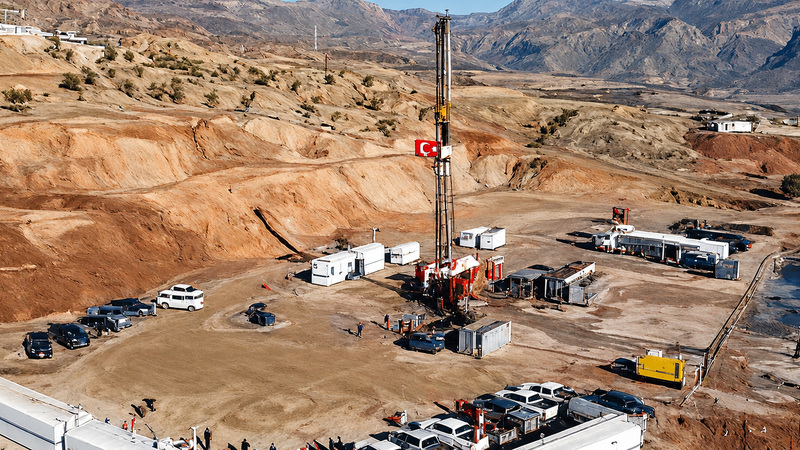
Turkey’s oil-dependent transport and high import exposure increase the value of domestic production with refinery access and competitive costs.
- The International Energy Agency (IEA) reported in its September 4, 2026 review that transport accounted for around 30% of Turkey’s total final energy consumption in 2023, while road transport remained almost entirely dependent on oil products, preserving a large domestic market for petroleum.
- Turkey’s dependence on imported fossil fuels links household and business energy costs to international prices and exchange-rate movements, increasing the value of domestic oil that can replace imports.
- Renewables supplied 43% of Turkey’s electricity in 2025, and the country is targeting 55% by 2035, but a cleaner power mix does not reduce petroleum demand from vehicles that still run on gasoline and diesel.
- Turkey’s domestic natural gas production increased sixfold between 2018 and 2025, showing that policy support and infrastructure investment can translate energy-security priorities into higher domestic hydrocarbon output.
- Explorers advancing seismic programs near existing refineries can reduce development uncertainty and shorten the route from discovery to oil sales in Turkey’s import-dependent market.
Imported Fuels Increase Currency Exposure & Favor Domestic Supply
Energy use is rising as Turkey’s economy and population grow, while dependence on imported fossil fuels exposes households and businesses to international prices and exchange-rate movements. Each barrel produced domestically can replace oil purchased abroad, reducing exposure to import costs and currency risk.
Transport’s 30% Energy Share Keeps Oil Demand Tied to Petroleum
Transport accounted for around 30% of Turkey’s total final energy consumption in 2023. This measure covers energy delivered to end users, so the transport share reflects fuel consumed by vehicles rather than energy used by power plants. Road transport remains almost entirely dependent on oil products, while growth in vehicle numbers and travel is increasing fuel consumption. Adding renewable and nuclear generation therefore does not directly reduce petroleum demand from Turkey’s existing vehicle fleet.
Supplier disruptions led Turkey to diversify its diesel procurement in August 2026, with imports exceeding 120,000 barrels per day from India and reaching 90,000 barrels per day from the US, the highest monthly volumes in Kpler data since 2017. Russia’s share of Turkish diesel imports fell from 85% in 2025 to 20% in August 2026, showing how quickly refiners replaced a dominant supplier. Alternative cargoes maintained diesel availability, but longer shipping routes raised freight and financing needs, increasing the value of domestic crude that can supply local refineries.
Power Diversification Cuts Import Exposure & Preserves Petroleum Demand
Turkey is expanding renewable and nuclear power after electricity consumption grew at an average annual rate of almost 5% between 2005 and 2024, the fastest among IEA member countries. Renewables supplied 43% of Turkey’s electricity in 2025, and the country is targeting 55% by 2035 under the Turkish National Energy Plan. This expansion can reduce fossil fuel use in power generation, but it does not lower oil demand unless electricity replaces petroleum in transport.
Existing Vehicle Fleet Extends Transport Oil Demand
Renewable and nuclear capacity changes how electricity is produced, while lower gasoline and diesel consumption depends on replacing petroleum-powered vehicles or shifting more travel to public transport. Turkey supports electric vehicles and charging infrastructure, but most vehicles on the road still use oil products, keeping petroleum demand tied to the pace of fleet replacement.
A rising renewable share can coexist with strong oil demand because cleaner electricity affects transport fuel use only as vehicles are replaced. Local oil production can therefore replace part of the imported supply consumed by the existing fleet, preserving a domestic market during the transition. Because vehicle replacement occurs over multiple purchasing cycles, petroleum demand depends on the installed fleet as well as annual electric-vehicle sales.
Domestic Supply Policy Drives Sixfold Gas Production Growth
Turkey’s domestic natural gas output increased sixfold between 2018 and 2025, expanding local hydrocarbon supply and reducing reliance on external gas. The increase provides a policy precedent for oil by showing that Turkey has already turned supply-security objectives into higher domestic production.
Gas production growth shows that Turkey is reducing import exposure by adding domestic supply rather than relying only on lower consumption. The National Energy Plan and Ministry of Energy and Natural Resources Strategic Plan support this approach by combining efficiency measures with domestic production. The IEA also recommends transparent, market-based retail prices because artificially low tariffs can encourage consumption and increase imports, while clearer price signals would reveal the full cost of imported fuel relative to domestic production.
Turkey’s domestic-supply policy also supports oil exploration, where seismic results and project economics determine which discoveries can advance toward production. Projects that combine clearer seismic data with existing infrastructure can focus capital on better-defined targets and create a more direct route to domestic oil supply.
Import Demand Supports Exploration Progress Toward Domestic Oil Supply
Turkey’s reliance on imported oil creates an established market for new domestic production. Exploration assets with defined resources and refinery access can connect that demand to project economics, while progress toward new drilling locations makes the path to commercial development more measurable.
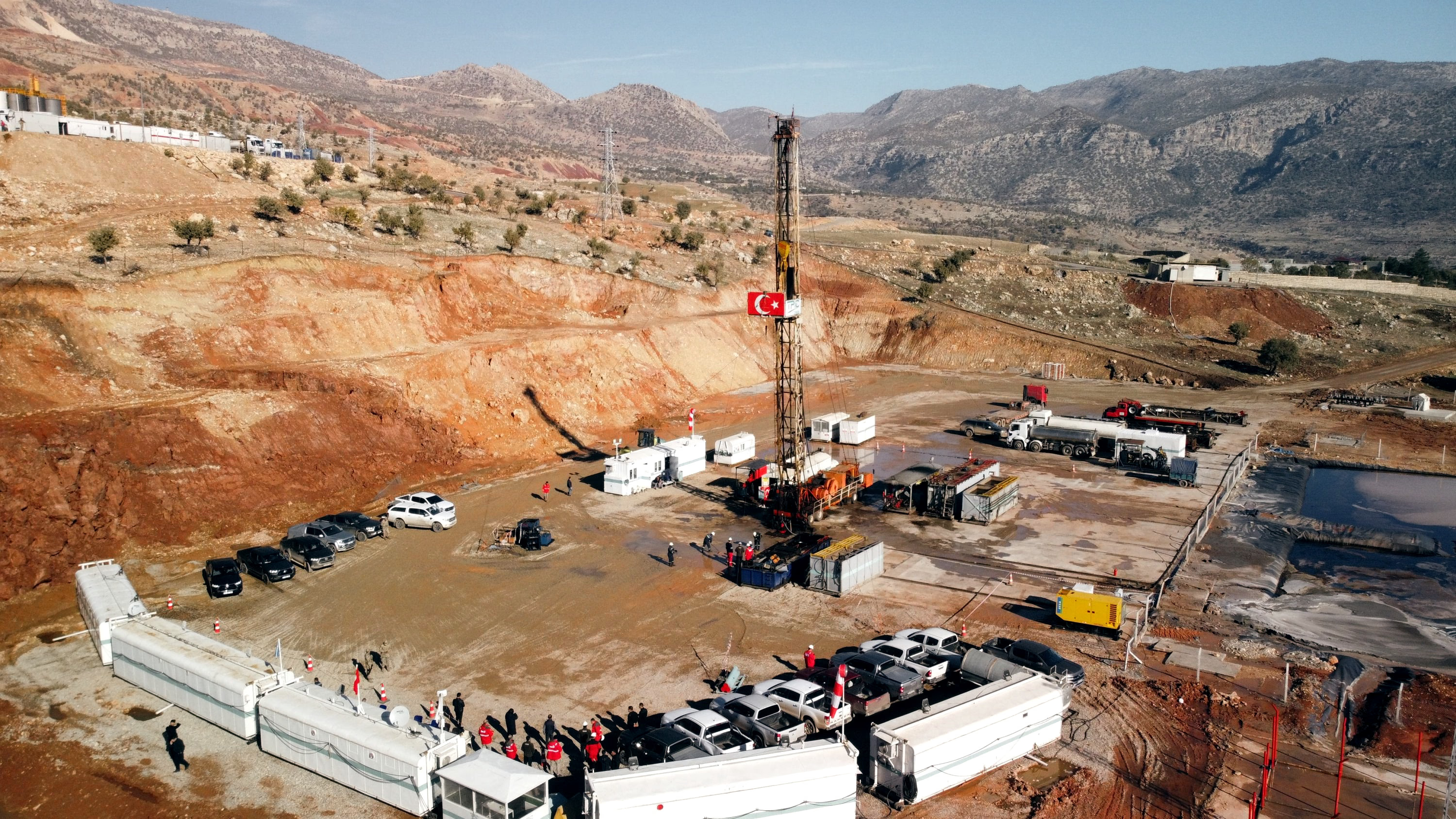
Dune Oil completed contractor site visits at the Gabar Block, moving its planned two-dimensional seismic program toward contract award and the selection of new drilling locations. The company can earn up to a 29% working interest in a project containing 27.6 million barrels of net best-estimate contingent resources, located within Turkey’s fastest-growing oil-producing region. The company notes that Turkey imports more than 85% of its oil, while the project’s light oil, approximately 130-kilometer route to a domestic refinery, and estimated US$50-per-barrel netback at US$72 oil provide a direct route from resource development to domestic sales.
Scott Lower, Chief Executive Officer of Dune Oil, describes how import demand drives domestic supply growth:
“Turkey is a massive oil importer, and it’s the biggest importer in the region, fifth biggest importer in the world. Up until the Zagros Basin was discovered five years ago, they barely had any oil production at all, and this area now contributes 60% of the country's total oil production and it’s going to keep going up from there.”
Oil Prices & Import Demand Shape Domestic Supply Economics
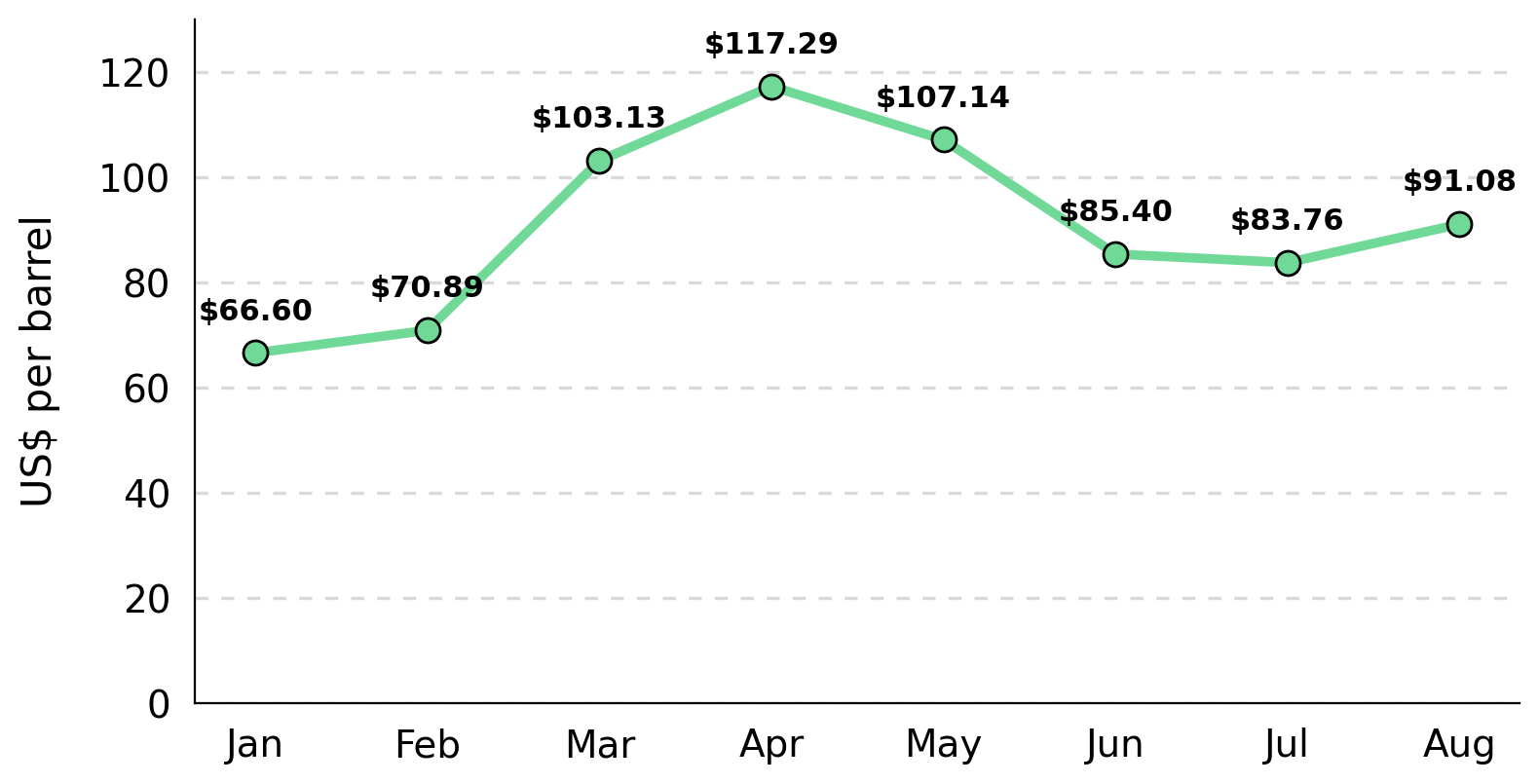
Domestic supply can reduce imports, but Brent prices still determine sales revenue and the size of Turkey’s oil import bill. The US Energy Information Administration’s (EIA) September 2026 Short-Term Energy Outlook forecasts Brent crude averaging around US$90 per barrel during the second half of 2026 and US$74 in 2027. The outlook also forecasts global petroleum consumption of 102.6 million barrels per day against production of 100.6 million barrels per day in 2026, leaving a 2.0 million-barrel-per-day gap and inventories on track to decline through year-end. Falling inventories support 2026 prices, while the lower 2027 benchmark increases the value of projects with competitive netbacks and direct access to domestic demand.
The value of domestic oil supply depends on how much petroleum Turkey imports and how quickly transport shifts away from oil. Continued reliance on imported fuel preserves a market for local crude, while projects with competitive margins at lower Brent prices can retain commercial value across price cycles. Crude imports measure how much refinery feedstock comes from abroad, while refined-product imports capture the gap between local refinery output and fuel demand. Tracking both prevents higher domestic crude production from being mistaken for full fuel self-sufficiency.
Staged spending allows exploration capital to follow confirmed seismic and flow-test results, preserving funding flexibility as projects advance. Refinery access and positive netbacks across multiple price assumptions allow domestic oil projects to serve Turkey’s import-dependent market while retaining competitive margins as Brent prices change.
The Investment Thesis for Oil & Gas
- Transport accounted for around 30% of Turkey’s total final energy consumption in 2023, while road transport remains almost entirely dependent on oil products, preserving a large domestic market for local supply.
- Turkey’s reliance on imported fuels links domestic energy costs to international prices and currency movements, increasing the value of cost-competitive local production that can replace imports.
- Exploration companies advancing seismic work and resource appraisal can move discoveries toward reserve classification and future production, supporting Turkey’s drive to replace imported oil.
- Conventional light-oil discoveries near existing refineries can lower transportation costs and limit new infrastructure spending, allowing production to reach domestic buyers more directly.
- Projects that maintain positive netbacks after production and delivery costs across several oil-price assumptions offer greater resilience as Brent prices change.
- Staged capital deployment allows exploration companies to match spending with seismic and flow-test results, preserving funding flexibility as discoveries advance toward development.
Turkey’s dependence on imported petroleum supports the value of domestic oil while road transport remains tied to gasoline and diesel. Renewable power can reduce imported-fuel exposure in electricity generation, but transport oil demand will change more gradually because it depends on fleet turnover and electrification. Domestic exploration is better positioned to convert this demand into commercial value when refinery access is paired with funding that moves projects from seismic work to drilling.
TL;DR
Turkey’s road transport system remains almost entirely dependent on oil, so rising renewable electricity generation does not immediately reduce gasoline and diesel demand. Heavy import reliance leaves domestic fuel costs exposed to global prices and exchange-rate movements. Supplier changes can also increase freight and financing requirements, giving commercially viable local production a clear market. Sixfold growth in domestic gas output since 2018 shows that supply-security policy can translate into higher hydrocarbon production. For oil explorers, measurable progress toward drilling gains value when projects have nearby refinery access and competitive netbacks. Staged spending preserves funding flexibility, while resilient margins support commercial value as Brent prices change.
FAQs (AI-Generated)
Analyst's Notes





Subscribe to Our Channel






Stay Informed


