




US Crude Build Masks 12% Distillate Gap, Favoring Low-Haulage-Cost Mines


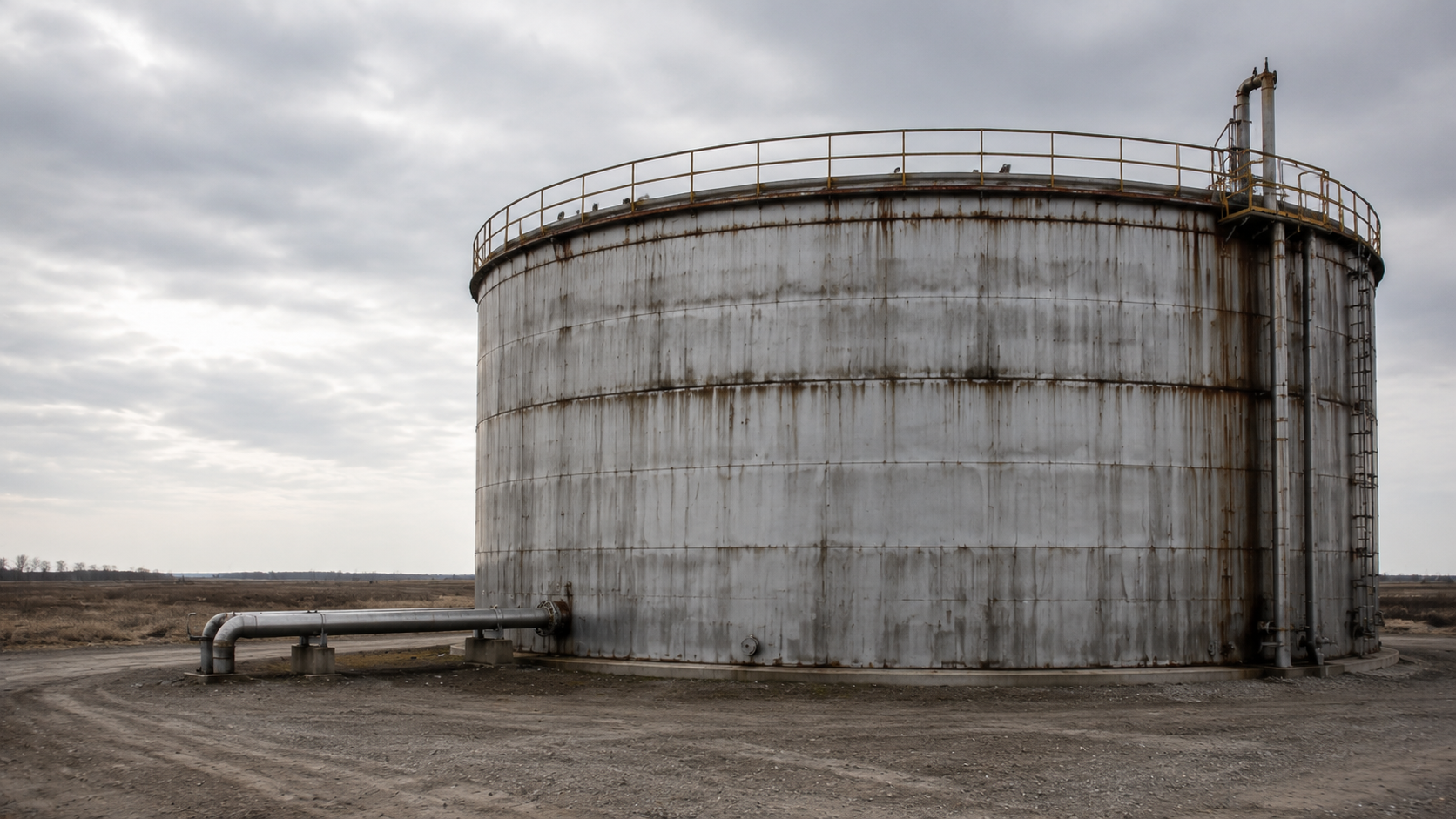
A 12% US diesel inventory gap raises haulage costs, favoring mines with lower diesel exposure as Hormuz disruptions keep Brent near $90.
- Brent futures for October delivery traded at $89.61 a barrel at 03:00 GMT on August 12, 2026, about 24% above the level before the war began in late February
- US commercial crude inventories rose 2.5 million barrels to 407.0 million in the week ending July 31, 2026, with domestic production at 13,804 thousand barrels per day
- Distillate fuel inventories fell 3.5 million barrels to 107.2 million, about 12% below the five-year average, while propane and propylene stocks were 32% above average, showing that supply pressure was concentrated in diesel-linked fuels.
- Diesel accounts for about 34% of US mining energy use and 87% of materials-handling energy use, making mine operating costs sensitive to diesel prices.
- Brent sustained below $85 a barrel would reduce diesel costs and weaken the margin advantage of fuel-efficient mining operations.
Hormuz Disruptions Lift Brent to $89.61 Despite a US Crude Inventory Build
Brent futures for October delivery stood at $89.61 a barrel, roughly 24% above pre-war levels, after renewed shipping attacks reduced the likelihood of a Strait of Hormuz reopening. US crude rose 0.61% to $83.71 a barrel, while Brent gained 0.62% for its sixth consecutive advance.
The Strait of Hormuz carried about one-fifth of global oil supplies before the war, making shipping disruptions a direct risk to global supply. US commercial crude inventories rose 2.5 million barrels to 407.0 million, while West Texas Intermediate (WTI) settled at $86.16 a barrel, down $5.58 from the prior week. The inventory build and weekly price decline indicate that US crude supply had not tightened alongside the shipping risk.
Refinery Constraints Tighten Diesel Supply, Raising Mine Haulage Costs
Global refined-product supply declined as Russian exports fell, conflict restricted flows from Saudi and Kuwaiti refineries, and Chinese refineries reduced crude processing. US distillate inventories fell 3.5 million barrels to 107.2 million, about 12% below the five-year average, while propane and propylene stocks were 32% above average, showing that supply pressure was concentrated in diesel-linked fuels.
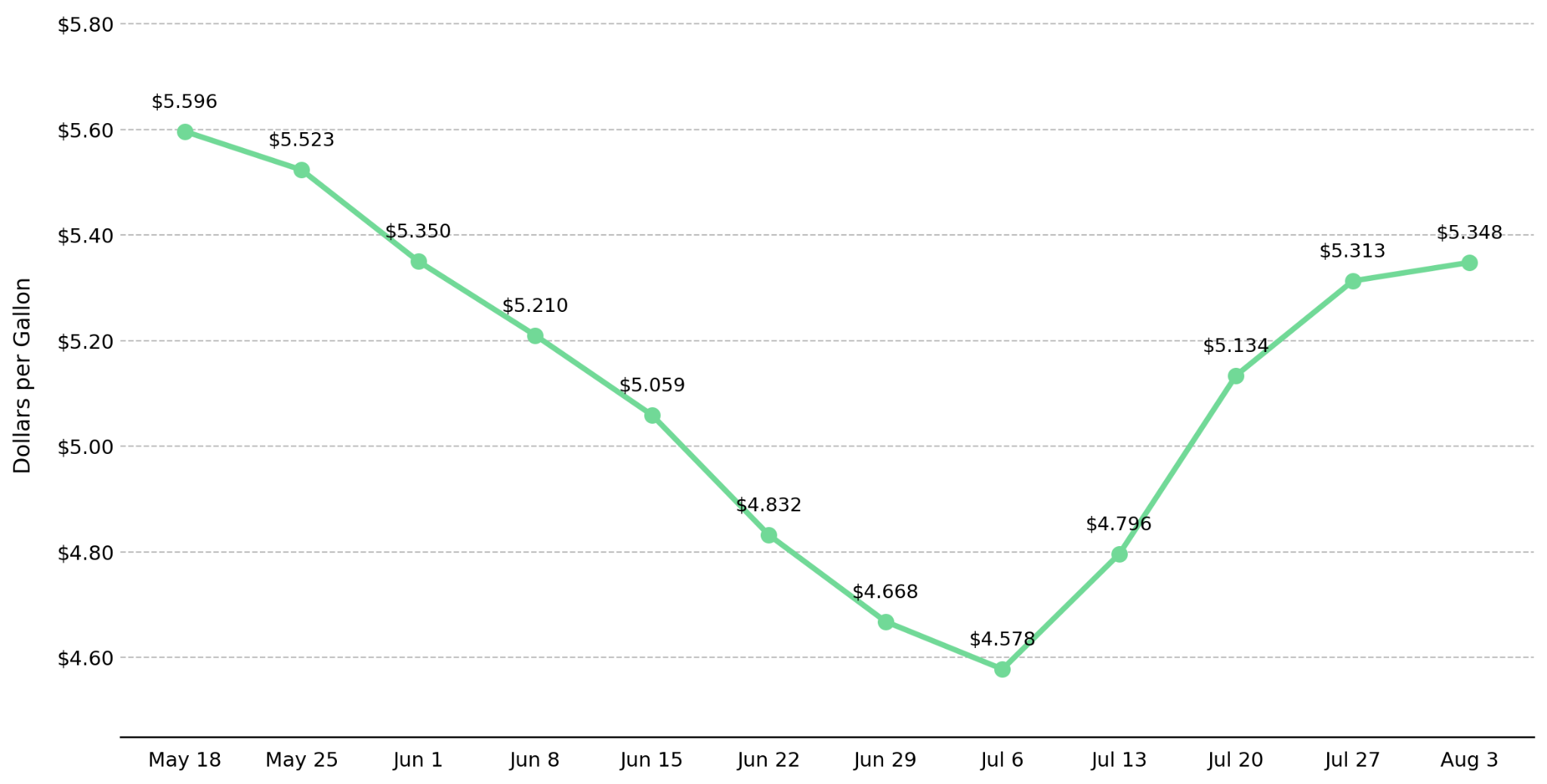
US refiners have limited capacity to increase fuel output. Refinery utilization reached 96.5% of operable capacity, while crude inputs through the first seven months of 2026 were the highest since 2019, leaving little room to increase production. The national average on-highway diesel price reached $5.348 a gallon, up $1.548 from a year earlier, raising fuel costs for diesel-intensive mines.
Middle East Output Recovery Extends Into 2027, Keeping Mine Fuel Costs Elevated
A diplomatic announcement would not restore oil supply without normalized shipping through the Strait of Hormuz. The US Energy Information Agency (EIA) raised its 2026 Brent forecast by $5 to $87 a barrel because of Hormuz shipping constraints, with Middle East production remaining below pre-conflict levels until early 2027. June Goh, Senior Oil Market Analyst at Sparta Commodities, said OPEC production could increase only after two-way oil flows through the strait returned to normal.
Diesel Accounts for 34% of US Mining Energy, Making Mine Design a Margin Screen
Mine design and equipment choices largely determine fuel exposure before oil prices change. Diesel accounts for about 34% of US mining energy use, ahead of electricity at 32% and natural gas at 22%, while supplying 87% of the energy used for loading and haulage. Open-pit operations represented about 90% of US mines in 2024, exposing much of the sector to diesel-driven operating costs.
The timing of a Hormuz agreement remains uncertain, but mine-level diesel consumption and commodity exposure are measurable. With spot gold at $4,400.44 an ounce and silver at $65.30 an ounce on August 12, 2026, open-pit precious metals producers may offset higher fuel costs through stronger revenue, favoring operations where commodity-price gains exceed diesel-driven cost increases.
Watch Two Distillate Builds & Sub-$4.134 Diesel to Reassess Mining Cost
Brent remaining between $85 and $90 a barrel while Hormuz talks show no visible progress would keep diesel costs elevated. Under this condition, low-diesel-intensity mines and precious metals producers benefiting from higher metal prices would have an advantage over haulage-heavy operations selling into flat prices.
Brent sustained below $85 a barrel, alongside distillate inventories recovering from 107.2 million barrels toward their five-year average, would narrow the operating-cost disadvantage of fuel-intensive mines. These conditions would provide a measurable trigger to reassess open-pit producers with high diesel exposure.
The EIA Weekly Petroleum Status Report provides evidence that diesel supply pressure is declining. Distillate fuel oil inventories stood at 107.2 million barrels, about 12% below the five-year average for the week ending July 31, 2026. Two consecutive inventory builds that narrow the deficit, combined with Gulf Coast ultra-low sulfur diesel falling below $4.134 a gallon, would trigger a reassessment of fuel-intensive mines. Use sustainability disclosures to compare mine-level diesel consumption before responding to oil-price movements.
Analyst's Notes





Subscribe to Our Channel



Stay Informed


