Atomic Eagle Expands Its Zambian Uranium Position With a Low-Cost Option on the Sitwe Project



Atomic Eagle secures a low-cost option on the 429-square-kilometre Sitwe Uranium Project in Zambia, where historical drilling hit uranium in all seven holes tested - expanding its Zambian portfolio by 38%.
- Atomic Eagle has signed a binding option agreement to acquire 100% of the Sitwe Uranium Project, a 429-square-kilometre licence in the Luangwa Valley of north-eastern Zambia, expanding its total Zambian landholding by 38%.
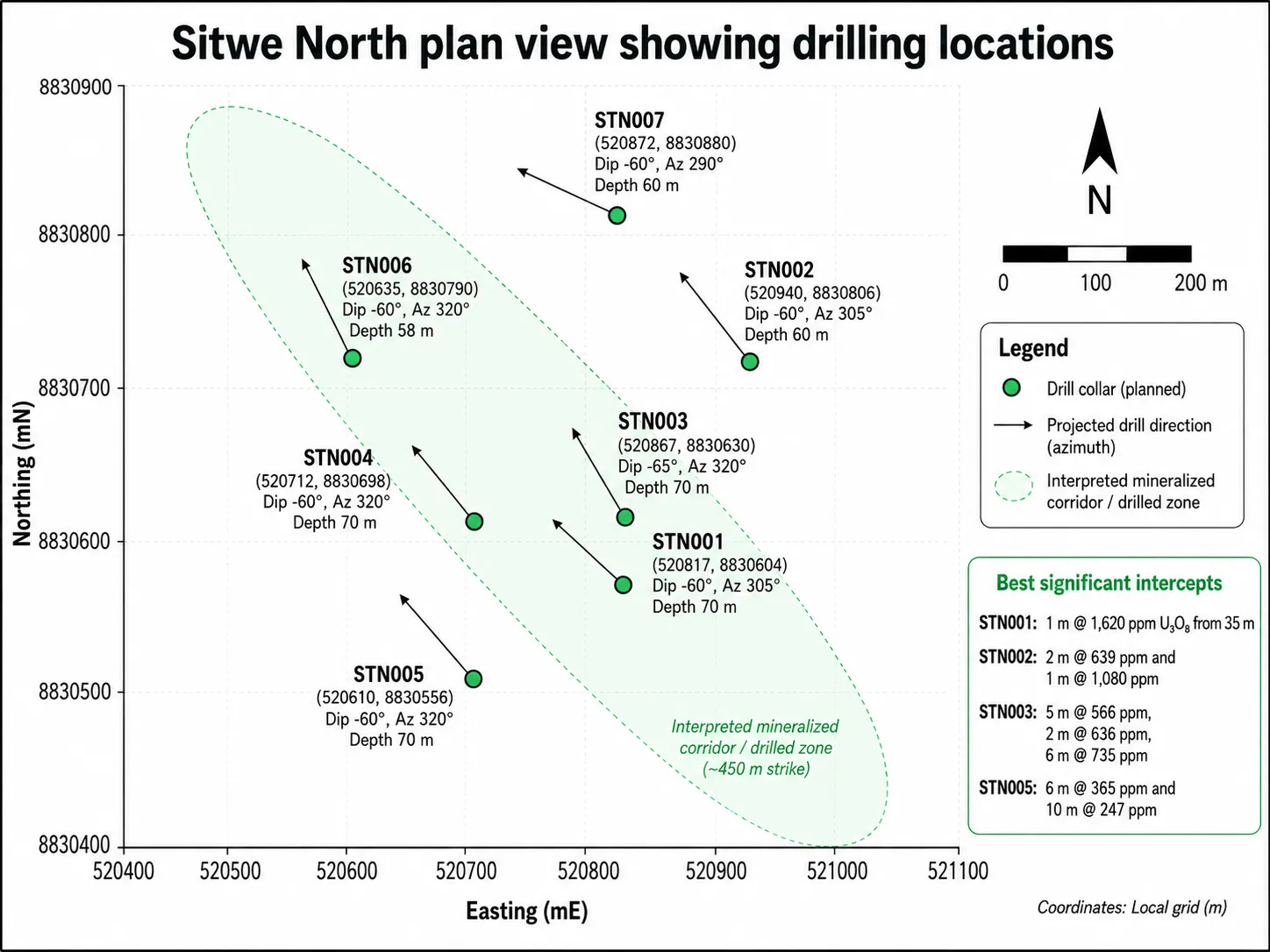
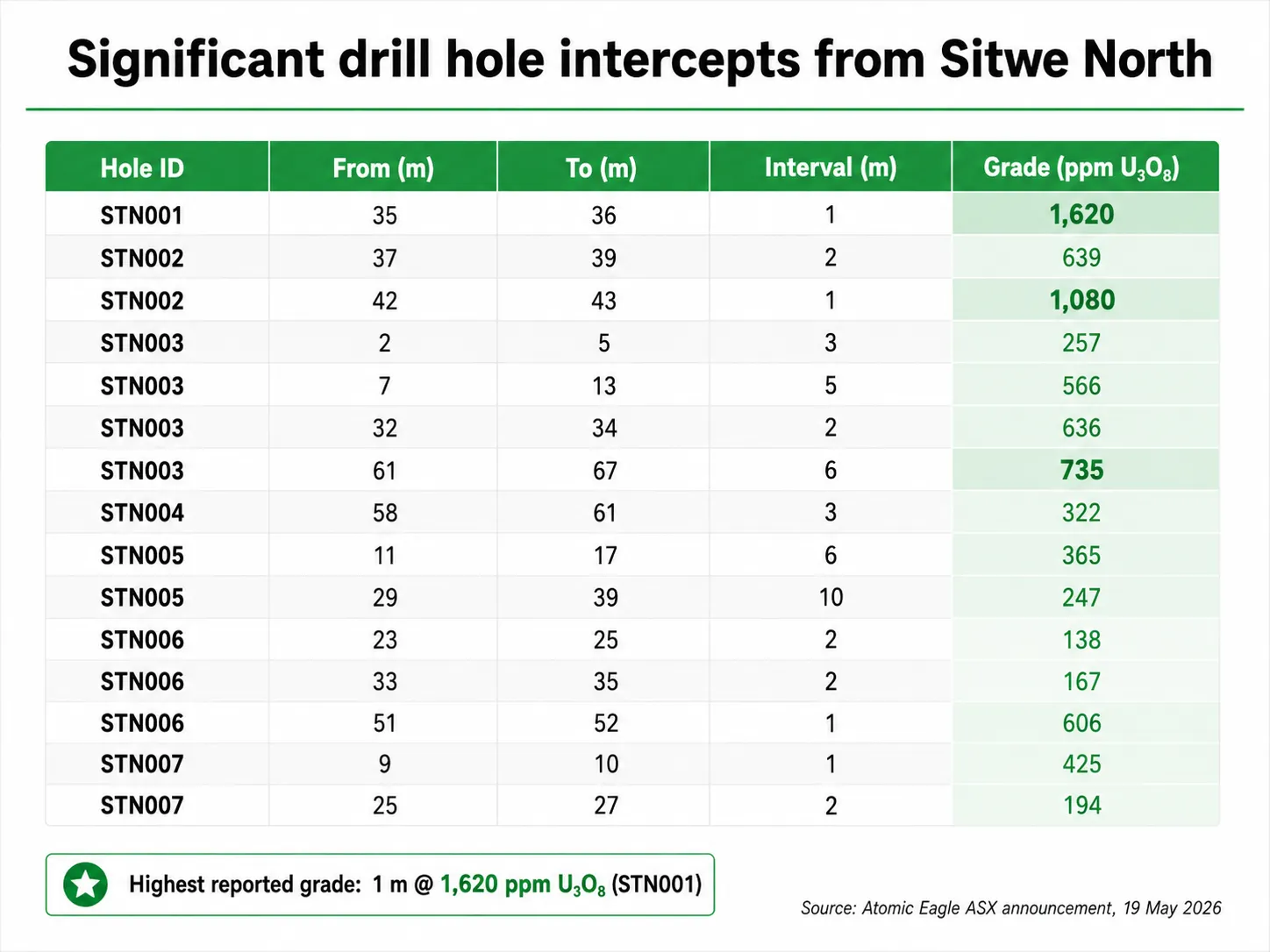
- Historical drilling by African Energy Resources between 2010 and 2012 returned uranium mineralisation in all seven holes tested at Sitwe North, including intervals as high as 1,620 ppm uranium concentrate, supporting the ground's exploration potential.
- The deal is structured to limit upfront financial risk, requiring US$200,000 in exploration and licence-related expenditure before June 2027, after which Atomic Eagle may acquire the project outright for US$400,000.
- Sitwe sits within the Luangwa Valley Karoo Basin on the same regional geological trend as the Kayelekera uranium deposit in Malawi, and contains both Upper and Lower Karoo stratigraphy - the same rock types that host uranium at Muntanga and at peer deposits across the region.
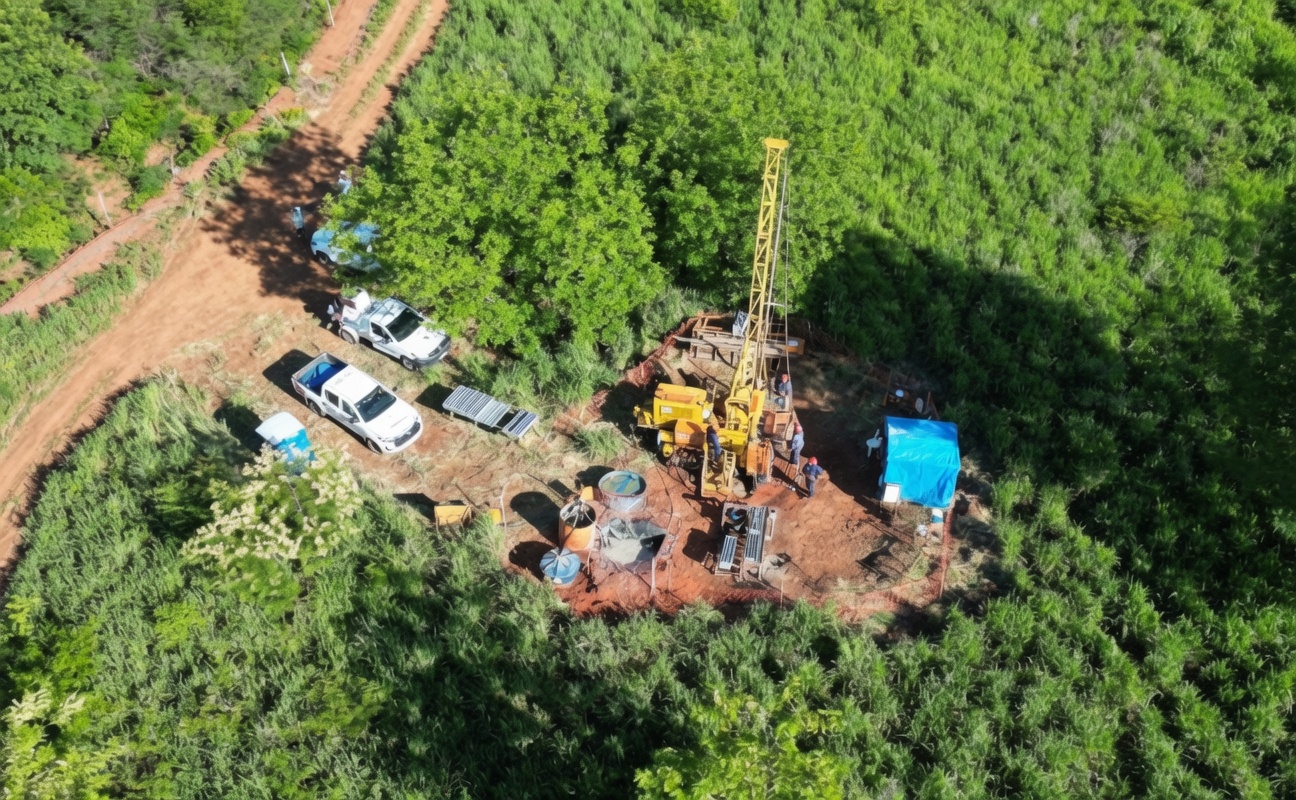
- The vast majority of the licence area remains unsurveyed, with multiple untested radiometric anomalies identified, while Atomic Eagle simultaneously advances a 30,000-metre drill programme at its flagship Muntanga Uranium Project.
What Has Happened
Atomic Eagle (ASX: AEU | OTCQX:GVXXF) has secured the right to acquire a large, largely unexplored uranium project in Zambia called Sitwe, located in the Luangwa Valley in the north-eastern part of the country. The project covers 429 square kilometres and expands the company's total Zambian landholding by 38%. The deal is structured as an option, which means Atomic Eagle does not have to buy the project outright right away - it first spends a set amount on initial exploration work, then decides whether the project is worth purchasing in full.
What makes this announcement worth paying attention to is that a previous company drilled the ground over a decade ago and found uranium in every single hole it put in the ground. That kind of early result does not guarantee a commercial deposit, but it does confirm that uranium is present and that the ground warrants further investigation. For a company looking to build a larger portfolio of uranium assets in Zambia, securing this ground at a low entry cost is a logical and low-risk step.
.webp)
What Is an Option Agreement & Why Does It Matter Here?
An option agreement is a way for a mining company to secure the right to buy a project without committing to the full purchase price upfront. Think of it like a deposit on a house - you lock in the right to buy, spend some time checking the property out, and then decide whether to proceed. In Atomic Eagle's case, the company must spend US$200,000 on exploration and licence-related work before June 2027. After that, it can choose to buy the project outright for US$400,000 - bringing the total maximum cost to US$600,000.
That figure is relatively small for the mining industry, especially for a project covering nearly 430 square kilometres. If the exploration work does not deliver encouraging results, the company can walk away without having paid the full acquisition price.
CEO Phil Hoskins framed the approach clearly:
"The option structure allows us to advance this opportunity in a disciplined manner while maintaining flexibility as we continue to grow our broader uranium portfolio in Zambia."
What Was Already Found There
Between 2010 and 2012, a company called African Energy Resources drilled seven holes at the northern part of the Sitwe licence, an area known as Sitwe North. Every single one of those holes returned uranium - an unusually consistent result for such an early and limited programme. The strongest result was 1 metre grading 1,620 ppm uranium concentrate from just 35 metres below the surface, with several other holes also returning meaningful concentrations. In plain terms, ppm - or parts per million - is simply the unit used to measure how much uranium is present in the rock, and higher numbers mean more uranium per tonne of material drilled.
What is also notable is that some of the mineralisation starts very close to the surface, which tends to lower the cost of potential future mining. The zone has also not been drilled to its limits - it remains open in both directions along strike and continues at depth - meaning there is still meaningful ground left to test.
Why This Ground Has Sat Untouched for 15 Years
African Energy Resources completed its Sitwe North drilling around 2012, but never followed it up. That is largely because uranium prices collapsed shortly after the Fukushima nuclear disaster in Japan in 2011, triggering a long period of reduced investment across the global uranium exploration sector. Many projects with promising early results were simply set aside because there was not enough financial incentive to keep spending on them.
That history is important context for investors looking at Sitwe today. The ground was not abandoned because the results were bad - it was abandoned because the market turned against uranium for most of the following decade. The fact that it is being picked up now, at a low entry cost, reflects how the sector's outlook has shifted in recent years.
How Sitwe Fits Into Atomic Eagle's Broader Strategy
To understand why this acquisition makes sense, it helps to know what Atomic Eagle already has in Zambia. Its main asset is the Muntanga Uranium Project, located in south-western Zambia near the town of Chirundu close to the Zimbabwe border. Muntanga already has a formally calculated mineral resource - an official estimate of how much uranium is believed to be in the ground - totalling 58.8 million pounds of uranium oxide across all categories. That makes it a meaningful asset by junior mining standards.
Sitwe does not add to that resource number. Instead, it gives the company a second position in a separate part of Zambia, in a different geological basin. The company's broader goal is to build a portfolio of uranium assets across the country, leveraging the local knowledge, relationships, and operational experience it has already developed.
The Geology in Plain Terms
Sitwe sits within a large geological basin called the Luangwa Valley Karoo Basin, which stretches across parts of Zambia and into neighbouring Malawi. This type of basin is well known in southern Africa for hosting uranium deposits, because its layers of ancient sandstone and siltstone can trap uranium that has been carried in groundwater from surrounding older rocks over millions of years. Sitwe is particularly interesting because it contains two different types of these uranium-hosting rock layers - the same types that host deposits at Muntanga and at Kayelekera in Malawi and Letlhakane in Botswana, both operated by Lotus Resources.
The project also sits on the same broad geological trend as Kayelekera, a well-established uranium deposit in the region. On top of that, the uranium found in the 2010 drilling came from the ancient basement rocks that are thought to be the original source of uranium across the entire basin.
Hoskins described the geological fit:
"Sitwe complements our flagship Muntanga Project by adding a large, prospective licence position in a highly endowed basin, with encouraging historical results and clear potential for further discovery."
What Has Not Been Explored Yet
Despite the encouraging early drilling at Sitwe North, the great majority of the 429-square-kilometre licence has never been properly surveyed. A low-flying aircraft survey using radiation detectors was conducted over part of the area in 2006, and it picked up multiple areas of elevated uranium readings. Almost all of those targets have never been drilled or followed up with ground-level work, meaning there is a significant pipeline of untested exploration ground within the existing licence.
One important constraint to note is that approximately 30% of the western part of the licence falls within a Game Management Area - a zone set aside for wildlife conservation in Zambia. Exploration and mining activity in that portion requires specific government approvals before it can proceed. This does not block the overall programme from moving forward, but it does mean that part of the ground will take longer to access.
What the Uranium Market Looks Like Right Now
Uranium prices rose sharply between 2022 and early 2024, reaching levels not seen since before the Fukushima disaster, driven by growing global interest in nuclear power as a low-emissions energy source and tighter supply from major uranium-producing countries. Prices have eased somewhat since that peak period, but the broader case for uranium demand remains intact, with more countries committing to nuclear energy as part of their long-term energy plans.
For smaller exploration companies like Atomic Eagle, this kind of environment - where interest in the commodity is genuine but prices have pulled back from their highs - can be a good time to pick up exploration ground at reasonable cost. Sellers are more likely to accept phased, option-style deals rather than holding out for full upfront payment, which is precisely the structure Atomic Eagle has used here.
What to Watch Next
The immediate next step at Sitwe is a programme of ground-level geological mapping and radiometric surveys across the licence, which will help the company identify which areas are most worth drilling. That work will set the agenda for any future drilling campaign and is the key activity investors should watch for in the months ahead. The outcome of those surveys will determine whether Sitwe North is an isolated occurrence or part of a much larger mineralised system.
At the same time, investors should monitor results from the ongoing 30,000-metre drill programme at Muntanga, which is the more immediate value driver for the company. Beyond that, the milestones that will define Sitwe's trajectory are any first drilling results from the open extensions of the Sitwe North zone, progress on government approvals for the Game Management Area in the western licence, and any decision by Atomic Eagle to formally exercise the purchase option - a step that would confirm the company's confidence in the project's potential after completing its initial exploration work.
FAQs (AI-Generated)
Analyst's Notes





Subscribe to Our Channel



Stay Informed