Weak US Hiring Lifts Gold 1.1%, but Gains Need Lower Yields to Last


Funding decides which gold miners carry the cost of high rates, with a December Fed hike priced in and the 10-year Treasury yield near a 24-year high.
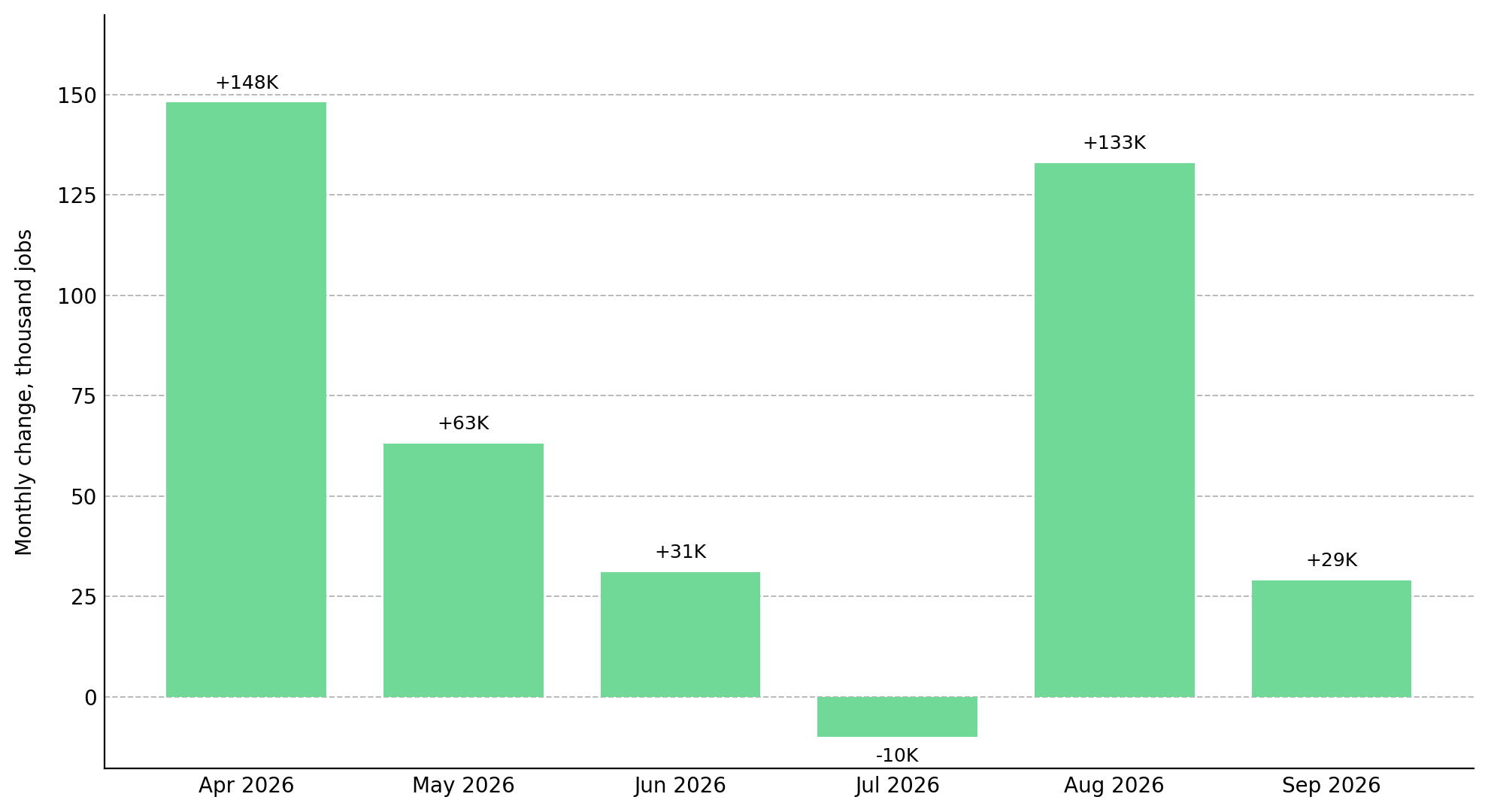
- US nonfarm payrolls rose 29,000 in September against a 90,000 Reuters poll forecast, and gold futures climbed 1.1% to $4,248 an ounce on 2 October, the WSJ reported.
- The weak print cut October Fed hike odds to 15% from about 25%, pulling down Treasury yields and the dollar, the two forces behind gold's second straight weekly loss.
- A December hike remains fully priced and the 10-year Treasury yield holds at 5.17%; a close above Thursday's 5.34% would reverse the rally.
- Unfunded ASX- and TSX-listed gold developers carry rate exposure twice, through the gold price and the cost of debt, and nobody outside the Fed knows whether a December hike goes ahead.
- Funded producers and projects carry gold price risk alone: they pay none of today's debt costs, absorb a quarter of higher rates, and stand to gain most once the Fed cycle turns.
US Payrolls Miss Lifts Gold Futures 1.1% as Fed Hike Bets Fade
Most-active gold futures rose 1.1% to $4,248 per troy ounce by 9:05 am ET on 2 October. The move followed the US Labor Department's report that September nonfarm payrolls (the monthly count of jobs added outside farming) grew by 29,000. Economists polled by Reuters had forecast 90,000, and the Bureau of Labor Statistics cut July and August by a combined 60,000 jobs. Treasury yields and the dollar fell on the release.
The miss cut the market-implied probability of an October Fed rate hike to 15% from roughly 25% before the data, Reuters reported. On CME FedWatch figures, the probability stood at about 70% earlier in the week. The rally arrived with spot gold still down more than 2% for the week as of 11:28 GMT, on course for a second straight weekly decline.
Fed Tightening Path Keeps Gold's Opportunity Cost Near a 24-Year High
Gold pays no interest, so its cost of ownership is the yield given up on Treasuries. The 10-year Treasury yield fell 6 basis points (0.06 percentage points) to 5.17% after the release, Reuters reported. That left it only 17 basis points below Thursday's 24-year high of 5.34%. The US dollar index slipped 0.1% to 101.86 but stayed on course for a third weekly gain, and a stronger dollar raises gold's price for buyers paying in other currencies.
The Fed raised rates in September for the first time in three years; policymakers remain split on hiking again, and a December move is still fully priced. Energy adds a separate inflation source: the US-Israeli war with Iran lifted oil and global bond yields in recent weeks, although WTI crude fell 3.7% to $89.43 a barrel on Friday.
December Fed Hike Pricing Decides Whether Gold Recovers Its Weekly Loss
One payroll print moved October odds, but December pricing needs several months of weaker hiring and softer inflation together before it shifts. Simon-Peter Massabni, head of business development at XS.com, flagged the limit of one session, according to the WSJ:
"The real turning point will not come from a single day of price action."
In the first scenario, hiring keeps slowing from a 12-month average of 45,000 jobs, and inflation stays below forecast, as August's PCE reading did. The December hike drops out of pricing, Treasury yields fall and gold's holding cost declines, putting the weekly loss within reach of recovery. In the second, oil-driven inflation keeps the December hike priced, the dollar extends its run and Friday's gain fades. The two outcomes hinge on whether energy prices or hiring weakness weighs more in the Fed's December decision.
The Fed's October meeting and the October payrolls report, scheduled for 6 November on the BLS release calendar, decide between them. A 10-year yield close above 5.34%, Thursday's 24-year high, would cancel the payrolls rally and restore the pressure behind two weekly gold losses.
Why High Bond Yields Hit Projects Unevenly
ASX- and TSX-listed gold companies split two ways. Unhedged producers pass a sustained gold price move straight into revenue per ounce, while site costs stay fixed within the quarter. A lower gold price cuts project value, and higher base rates lift both construction debt costs and the discount rate applied to future cash flows.
Gold now trades as a rates asset: weak US hiring lifts the price only as far as bond yields fall. With the 10-year Treasury yield above 5% and the Fed still tightening, rate pressure on gold miners outlasts a soft jobs print. Funded producers and developers carry far less rate exposure, since neither needs new financing at today's rates.
Analyst's Notes





Subscribe to Our Channel



Stay Informed