




Why Kasiya's Simplicity May Be Its Biggest Competitive Advantage


Sovereign Metals’s Kasiya DFS highlights how simple geology, low-cost mining and embedded monazite could strengthen margins, financing and execution.
- Kasiya's free-dig, no-blast deposit geometry, requiring no pre-strip and no drilling to access ore, is the root mechanism behind the project's cost position, translating in the April 2026 definitive feasibility study (DFS) into US$727 million to first production and an operating cost structure that positions it as the world's lowest-cost producer of both rutile and graphite, including output from China.
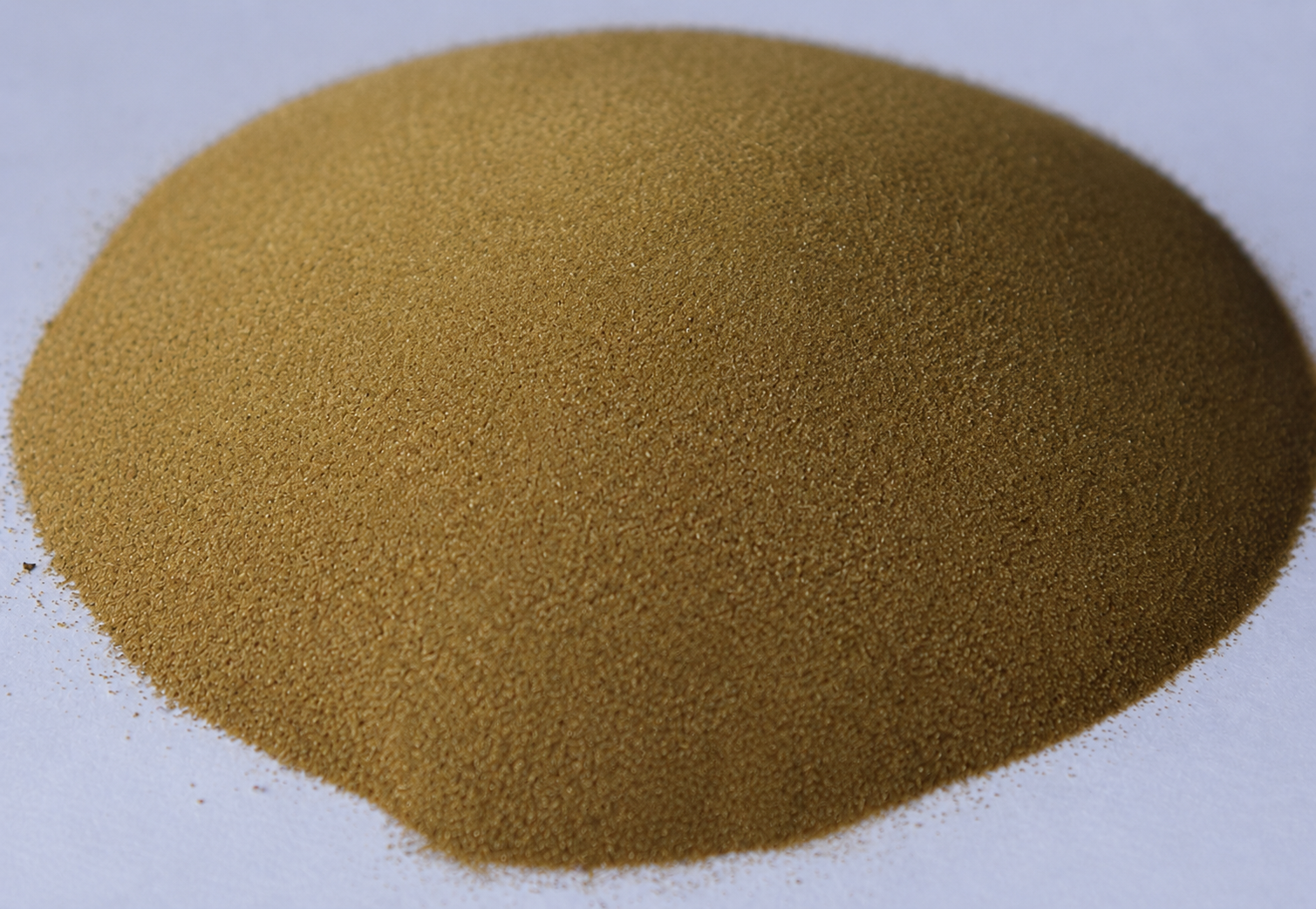
- The May 27, 2026 release confirmed monazite concentrate containing dysprosium, terbium, and yttrium across 4 pits in the DFS mine plan at total rare earth oxide (TREO) basket ratios approximately 7 times higher than the world's 5 largest rare earth producers, recoverable from the non-conductor tailings stream of the existing DFS flowsheet, potentially requiring no additional mining and no new processing circuit.
- The same deposit geometry that drives Kasiya's cost position also makes its monazite by-product potentially the lowest incremental-cost entry point into non-Chinese heavy rare earth supply currently available at the DFS stage.
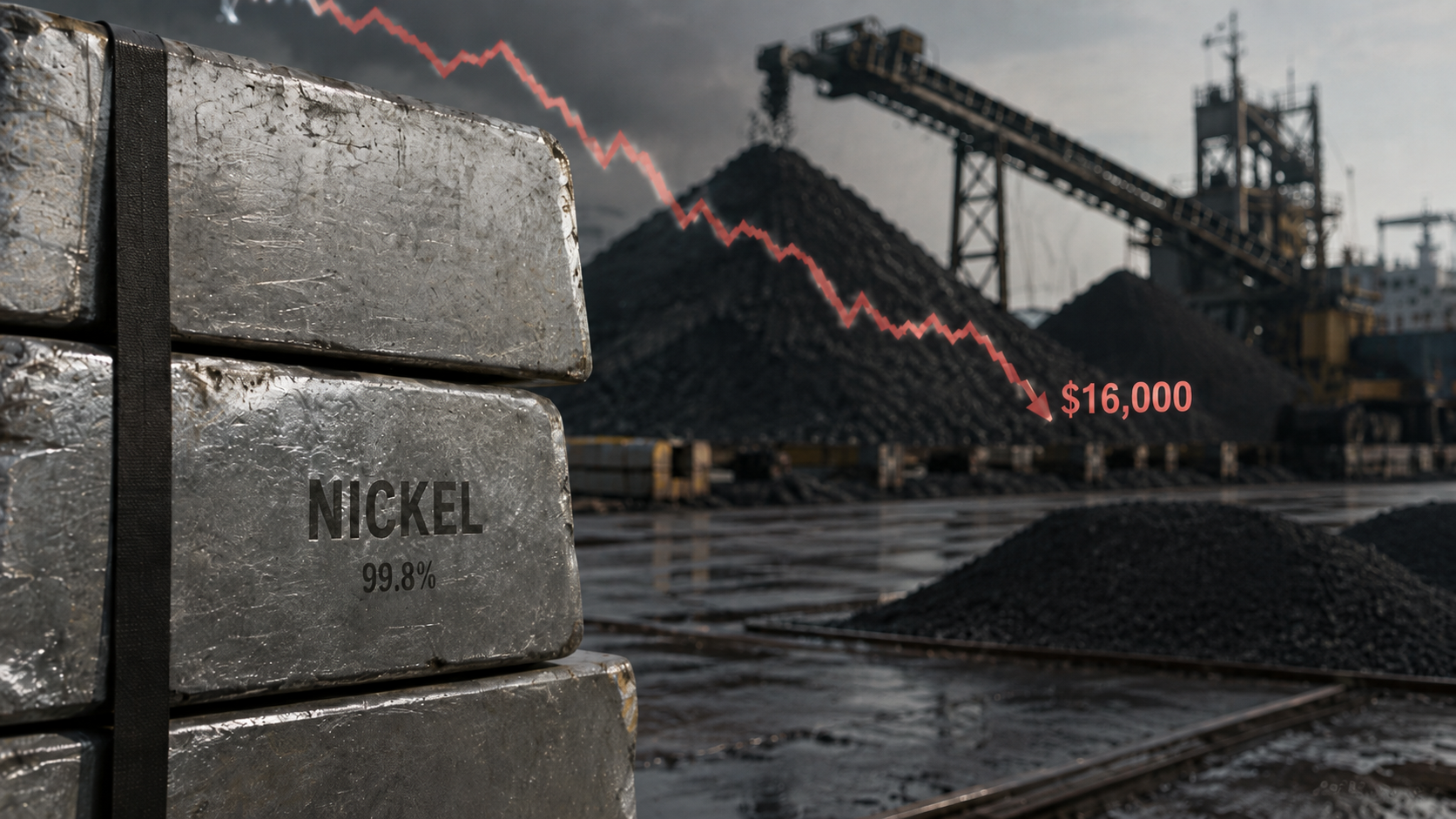
- An independent price forecast by Project Blue Group Limited sets a base-case price of US$16,000 per tonne for Kasiya's 60% TREO monazite concentrate against an April 2026 Shanghai Metals Market benchmark of US$6,142 per tonne for standard monazite; that premium is not captured in the current DFS base case.
- The International Finance Corporation (IFC) of the World Bank Group is engaged as a potential co-lead arranger for project financing, having confirmed that the DFS meets IFC performance standards; the simplicity of the processing flowsheet directly reduces the underwriting risk that typically inflates financing costs at this stage.
When Geology Becomes Strategy
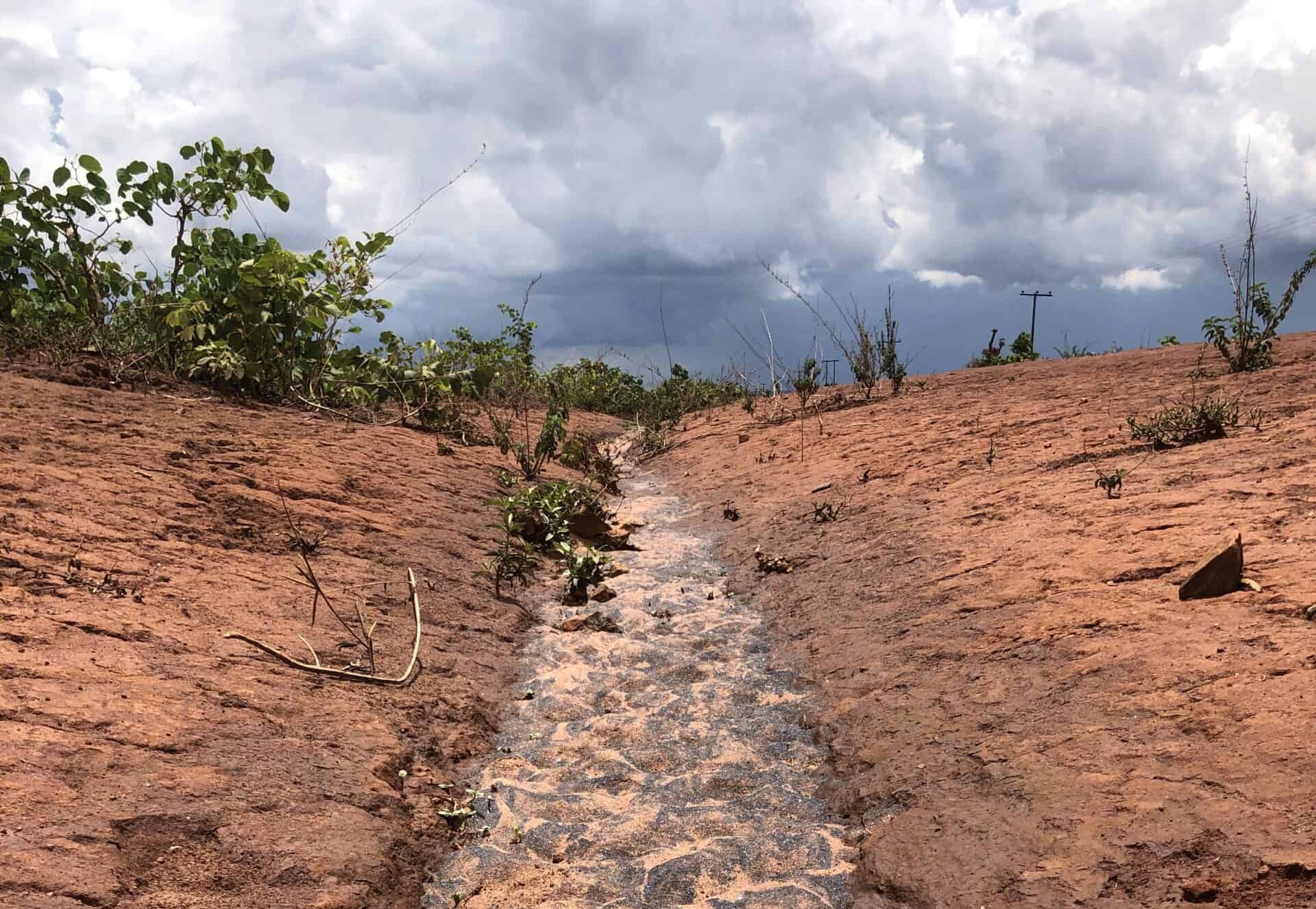
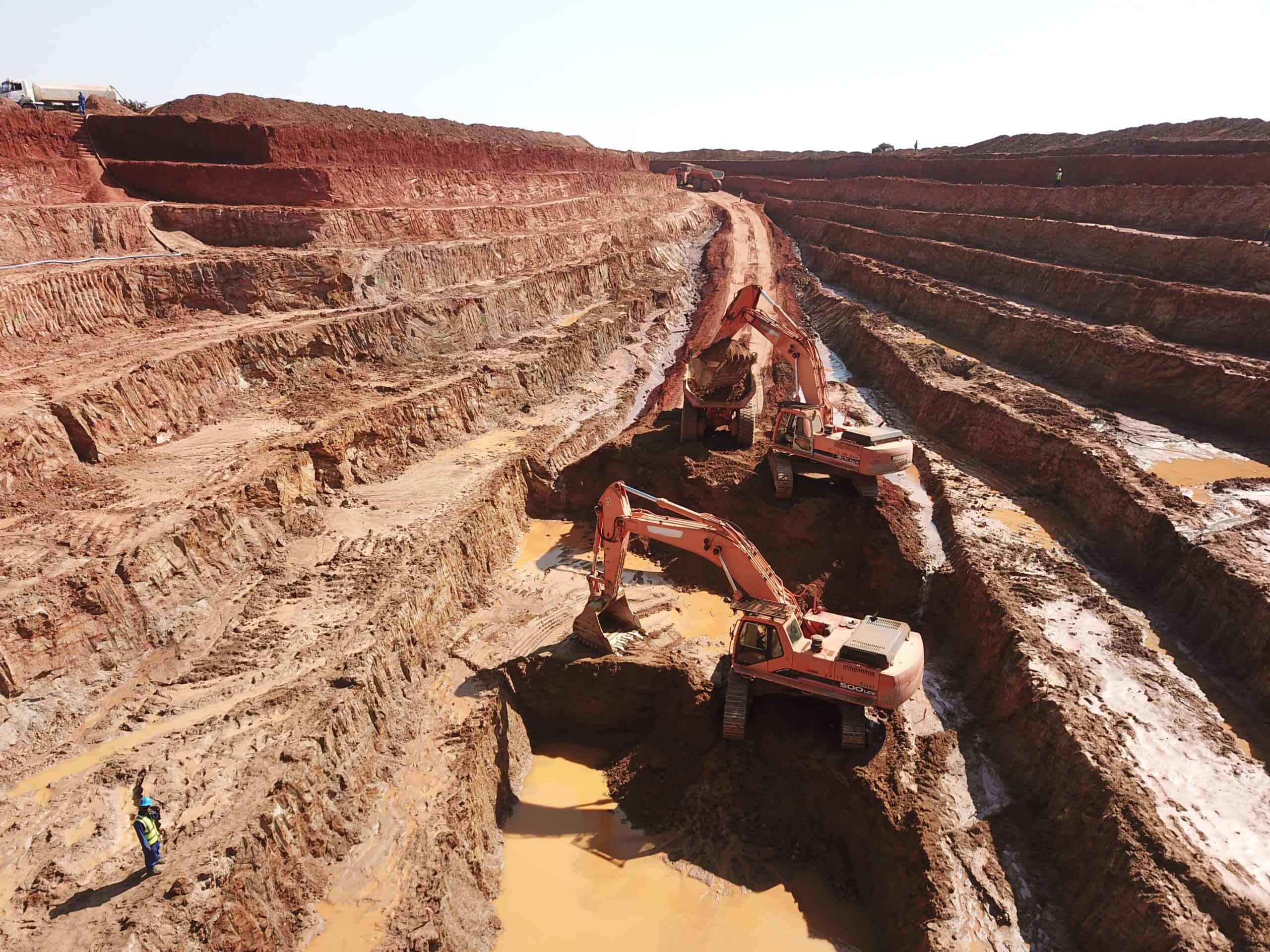
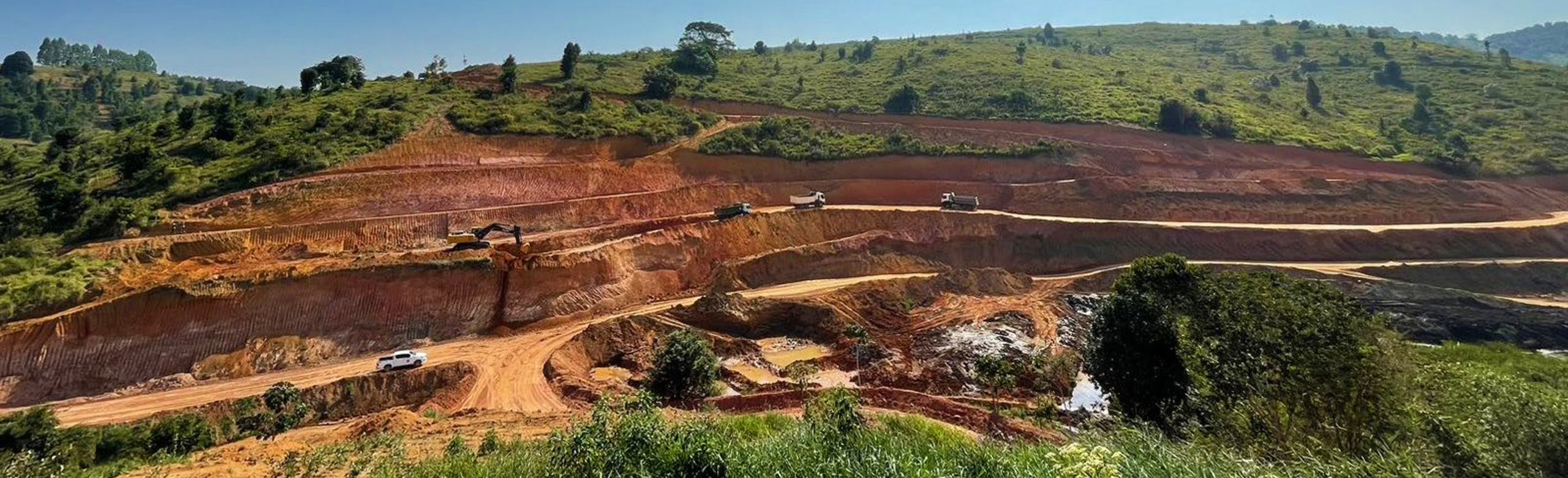
Most large critical minerals projects carry their cost structure as a given. At Sovereign Metals’ (ASX: SVM | AIM: SVML | OTCQX: SVMLF) Kasiya, the cost structure is a deliberate consequence of where and how the ore sits. The deposit occupies a flat, deeply weathered laterite plain west of Lilongwe, Malawi, where rutile, graphite, and monazite are hosted in a laterally extensive blanket within the weathered zone above the saprock boundary. There is no hard rock to blast, no pre-strip to fund, and no comminution circuit to power. The ore is effectively delivered to the surface by geology itself.
The April 16, 2026 DFS converts that geology into financial language: US$727 million to first production, at a cash operating cost of US$450 per tonne of product (FOB Nacala), positioning Kasiya as the world's lowest-cost graphite producer globally, including output from China, and as the only large-scale primary producer of natural rutile globally. According to management, power demand starts at approximately 30 megawatts at initial throughput, rising to 60 megawatts at full dual-plant capacity, a load the existing Malawi national grid can already supply. The phased plan starts with a single south plant at 12 million tonnes per annum and adds an identical north plant targeting 24 million tonnes per annum by the end of Year 5.
Chief Commercial Officer of Sovereign Metals, Sapan Ghai, articulated the strategic consequence of that cost position:
"Whatever happens in the commodities world, whatever happens in terms of geopolitics, and we've seen that play out in the oil space recently, and in the gold space, in the sulfuric acid space, and all these wonderful spaces, ultimately we will be the last man standing."
That is not a marketing claim; it is a structural statement grounded in deposit mechanics. The DFS base case uses a realised rutile price of approximately US$1,670 per tonne, against a market in which Toho Titanium, one of Japan's leading titanium producers, confirmed that Kasiya's rutile is on specification for its entire product range, with Japan accounting for over 15% of global titanium metal capacity and more than 60% of non-sanctioned aerospace and defence-grade titanium supply. On graphite, the study applies approximately US$1,288 per tonne for jumbo flake against current US market pricing of approximately US$2,000 to US$2,200 per tonne for comparable material, according to management.
The Tailings Stream as a Competitive Moat
The May 27, 2026 announcement revealed something that no amount of standalone exploration spending can replicate: a heavy rare earth-bearing monazite stream already sitting inside an existing DFS flowsheet, potentially requiring no additional mining capital to access.
The monazite concentrate was confirmed across 4 DFS mine plan pits, Babbler, Kingfisher, Sparrow, and Mousebird, including pits scheduled for Year 1 production. The 4-pit weighted average shows 2.5% dysprosium-terbium and 11.8% yttrium within the total rare earth oxide (TREO) basket, approximately 7 times the 0.4% dysprosium-terbium and 1.7% yttrium averaged across the world's 5 largest rare earth producers. MP Materials Corp., America's only fully integrated rare earth producer, reports no measurable dysprosium, terbium, or yttrium. Recovery at Kasiya could potentially require no additional mining, no new primary processing circuit, and no additional reagents, as the monazite reports from the non-conductor tailings stream of the existing DFS electrostatic separation circuit.
Ghai captured the economic logic of that recovery mechanism directly:
"Only recently are we even talking about having chemistry sets to isolate yttrium, dysprosium, and terbium. The heavy rare earth concentrate that we found in our waste stream has all three of those and has them in more abundance than most people on this planet. And they're coming out with no more capex and hardly any opex."
Project Blue Group Limited's independent 2026 forecast prices a 60% TREO monazite concentrate at a base case of US$16,000 per tonne, against an April 2026 Shanghai Metals Market benchmark of US$6,142 per tonne for monazite concentrate at 54% to 55% TREO grade. That premium reflects the heavy rare earth composition of Kasiya's basket, and it accrues to a flowsheet that currently assigns the monazite stream zero economic value. The point is not that Kasiya has accidentally stumbled into rare earths; rather, the same physical simplicity that keeps mining and processing costs low has also left an entire revenue stream sitting in the tailings at no incremental capital cost. A dedicated economic uplift study is among the immediate next steps.
What the IFC Is Financing & Why It Matters
The connection between deposit simplicity and financing structure is direct and deliberate. The International Finance Corporation (IFC) is engaged as a potential co-lead arranger because the DFS meets IFC performance standards, the benchmark used by most commercial lenders, development finance institutions, and government agencies as a precondition for project debt. A processing flowsheet with no hard rock, no blasting, no conventional tailings storage facility, and a grid power requirement that the existing Malawi national grid can already supply is structurally easier to underwrite than most critical minerals projects at a comparable scale, reducing the technical risk premium that typically inflates financing costs at the DFS-to-construction transition.
The financing concept targets approximately 60% debt against 40% equity, prepayments, and offtake finance, with a US listing under active discussion to expand the investor base ahead of the build phase. What that capital is underwriting is not primarily a net present value at an 8% discount rate (NPV8%) number; it is a physically simple, geologically validated project capable of supplying 3 critical materials to Western defence and industrial chains from a single flowsheet, with a 4th potentially accessible from the same tailings stream at near-zero incremental cost.
FAQs (AI-Generated)
Analyst's Notes





Subscribe to Our Channel






Stay Informed


