Zambia's Uranium Potential: Inside Atomic Eagle's Muntanga Project



Atomic Eagle (ASX: AEU) holds 58.8 million pounds of uranium in mine-permitted Zambia, backed by a $243M feasibility study and its biggest drill push in 18 years.
- Atomic Eagle (Australian Securities Exchange: AEU) owns 100% of a permitted uranium mine site in Zambia covering 1,136 square kilometres. The independently verified uranium in the ground totals 58.8 million pounds - the starting point for all financial projections.
- A January 2025 Feasibility Study - the engineering blueprint that determines whether a mine is commercially viable - shows the project can generate a profit of $243 million US dollars after tax, assuming uranium sells at $90 per pound, with investors recovering their upfront capital in 3.5 years.
- A single drill program grew the uranium resource by 24% to 58.8 million pounds, announced March 10, 2026. Roughly 44% of that total was left out of the original mine plan, which means there is already a defined path to a bigger, longer-running mine.
- Zambia ranked 3rd among African mining jurisdictions in the Fraser Institute's 2024 Annual Survey of Mining Companies - a widely used annual report that scores countries on tax stability, permits, and rule of law - giving the project a lower political risk profile than peers operating in Niger or parts of West Africa.
- AEU's stock is priced at $3.12 Australian dollars per pound of confirmed uranium resource - a valuation that leaves room for re-rating as the resource grows and permitting advances toward a construction decision.
A Supply Crunch in the Making
The basic problem in the uranium market is simple: mines produced approximately 60,213 tonnes in 2024, but the world's nuclear reactors needed an estimated 68,920 tonnes in 2025. That shortfall cannot be filled by stockpiles forever - utilities signed long-term supply contracts for only 116 million pounds of uranium in 2025, against annual consumption running above 150 million pounds, meaning the gap between what is contracted and what will be needed is widening each year. Atomic Eagle (ASX: AEU | OTCQB: AEUXF) is one of the few companies with a fully permitted mine site, a completed feasibility study, and an active drill program in place - three conditions that distinguish a project ready to advance from one still in early exploration.
From Iron Ore to Uranium: How Atomic Eagle Rebuilt Itself
Atomic Eagle (ASX: AEU) was previously an iron ore company. In November 2025 it acquired 100% of TSX Venture Exchange (TSX-V) listed GoviEx Uranium Inc through a reverse takeover - a transaction structure in which a smaller listed company absorbs a larger private one, allowing GoviEx's Muntanga Uranium Project in Zambia to transfer into a publicly traded vehicle. That deal came with GoviEx's existing mining licences, completed feasibility study, and ongoing government approvals process already in train, saving years of groundwork. The acquisition was funded by a $10 million Australian dollar capital raise; AEU returned to trading on the Australian Securities Exchange on November 24, 2025.
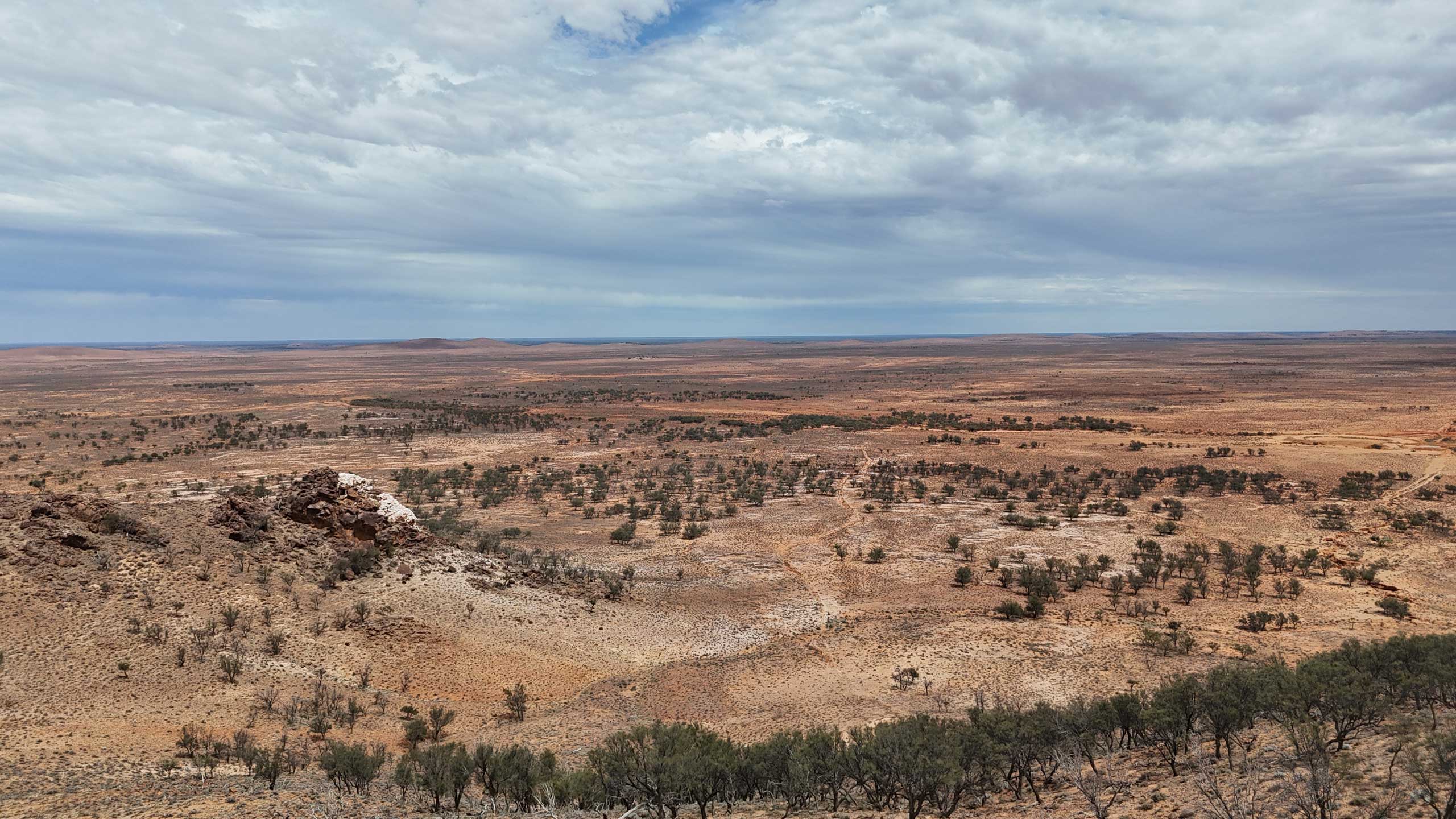
As at March 25, 2026, AEU had 391 million shares on issue, a market value of $144 million Australian dollars, $19 million Australian dollars in cash, and a total enterprise value of $125 million Australian dollars. The cash on hand is sufficient to fund the 2026 drill program without the company needing to raise additional money from shareholders in the near term. The Muntanga Project itself spans 1,136 square kilometres across five separate uranium deposits, held under three mining licences and two exploration licences in Zambia's Siavonga and Chirundu Districts.
One Drill Program, 24% More Uranium
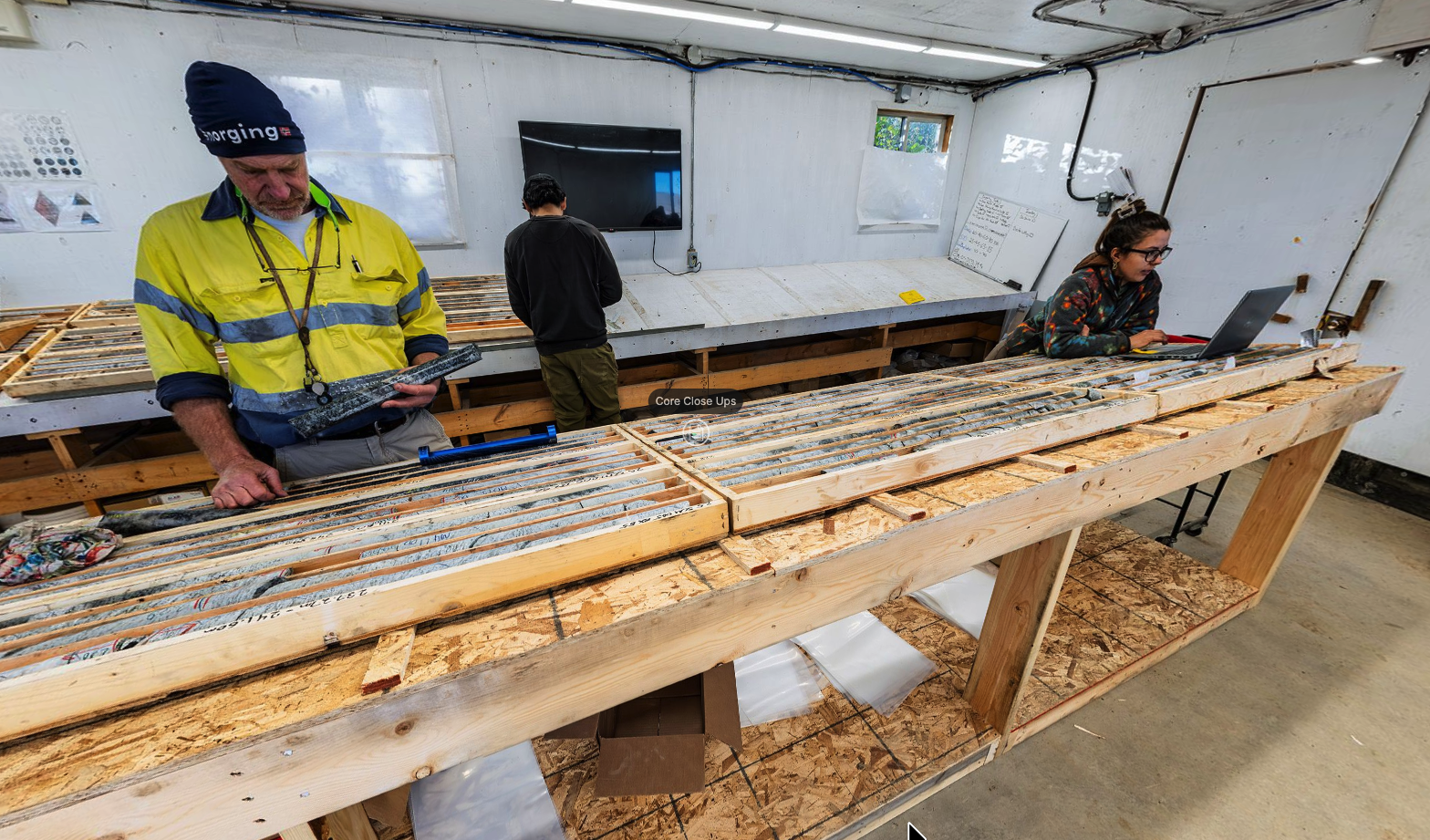
On March 10, 2026, Atomic Eagle reported that its first-ever percussion drill program - a relatively fast and low-cost drilling method that uses a hammer bit to sample rock - increased the independently certified uranium resource by 24% to 58.8 million pounds. In mining, resources are classified by how well-understood they are: Measured & Indicated means the geology is reliable enough to build a mine plan around, while Inferred means the uranium is there but needs more drilling to confirm the boundaries. The Measured & Indicated total stands at 40.0 million pounds at 359 parts per million; the Inferred category adds 18.8 million pounds at 238 parts per million. Two deposits - Chisebuka and Muntanga East - were drilled and measured for the first time, adding 9.7 million pounds and 1.7 million pounds respectively to the Inferred total.
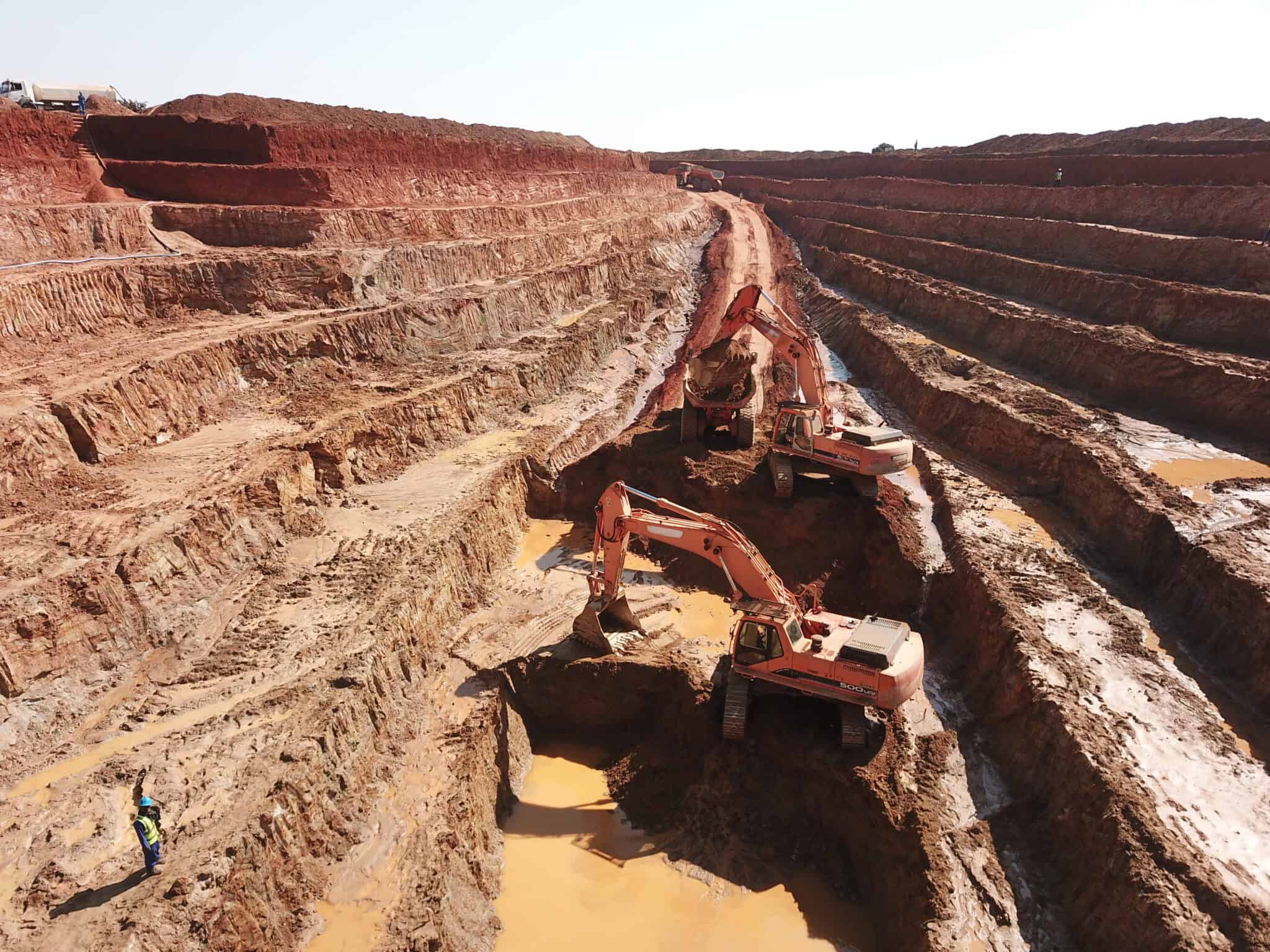
The January 2025 Feasibility Study - prepared by independent engineering firms Ukwazi, SRK Consulting, SGS Bateman, and Cresco Global - models the mine as a 12-year open-pit heap leach operation, where uranium-bearing rock is stacked on lined pads and leached with a solution to extract the metal. At a uranium price of $90 per pound it produces an average of 2.2 million pounds per year at an all-in operating cost of $32.20 per pound, recovering the $282 million US dollar upfront capital investment in 3.5 years. Importantly, that study was based only on the Measured & Indicated resources from two deposits - 44% of the current resource, including Chisebuka and Muntanga East, was left out entirely. More drilling to upgrade that material from Inferred to Measured & Indicated is the specific action that would justify a larger, more profitable mine plan.
Why Zambia? Supply Chains Are Being Redrawn
Governments and nuclear utilities around the world are actively moving away from uranium sourced through Russia-linked supply chains, and the countries that currently dominate supply are becoming less reliable. Kazakhstan - the world's largest uranium producer - supplied 39% of global mine output in 2024 but has announced a 10% production cut for 2026, reducing planned output from approximately 32,777 tonnes to 29,697 tonnes. Kazakhstan, Canada, and Namibia together account for 75% of world supply, so a cutback from any one of them shifts the entire market. Zambia is not part of this concentrated, politically exposed supply structure: it faces no Western sanctions, imposes no export restrictions to China, India, or the US, and ranked 3rd among African jurisdictions in the Fraser Institute's 2024 Annual Survey of Mining Companies on its Policy Perception Index - a score built from regulatory stability, taxation, and rule of law.
That matters because the buyers of new uranium supply are large and growing. China's State Council approved 10 new reactors in April 2025 and had 32 under construction totalling 34 gigawatts of capacity as at July 31, 2025, targeting 110 gigawatts of nuclear power by 2030. India's government committed to 100 gigawatts of nuclear capacity by 2047 in its Union Budget 2025. In the US, nuclear generators imported 99% of their uranium concentrate in 2023, and a 2025 executive order called for 10 new large reactors to be under construction by 2030 - each one consuming approximately 400,000 pounds of uranium per year across a 60-year operating life. Because Zambia sits outside the export control frameworks that restrict Canadian and Australian uranium producers, AEU can sell into all three of these markets simultaneously.
Drills Turning, Permits Advancing
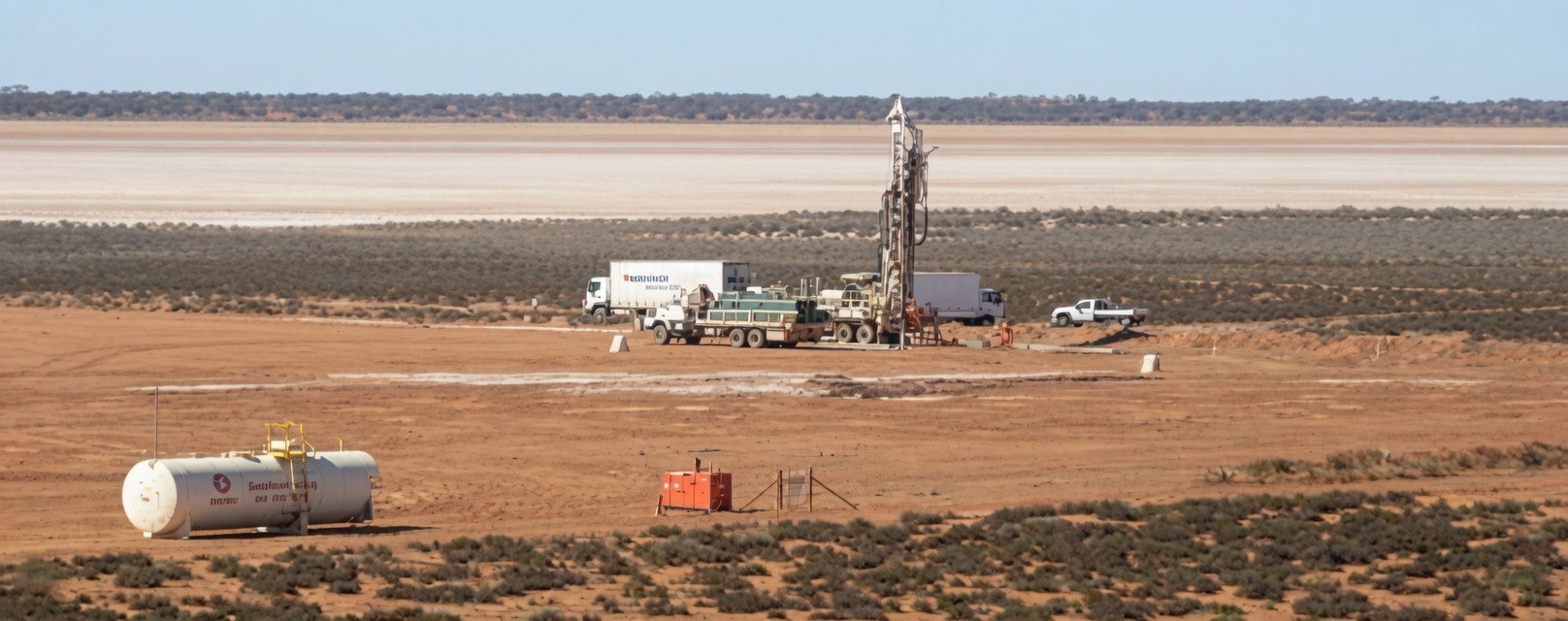
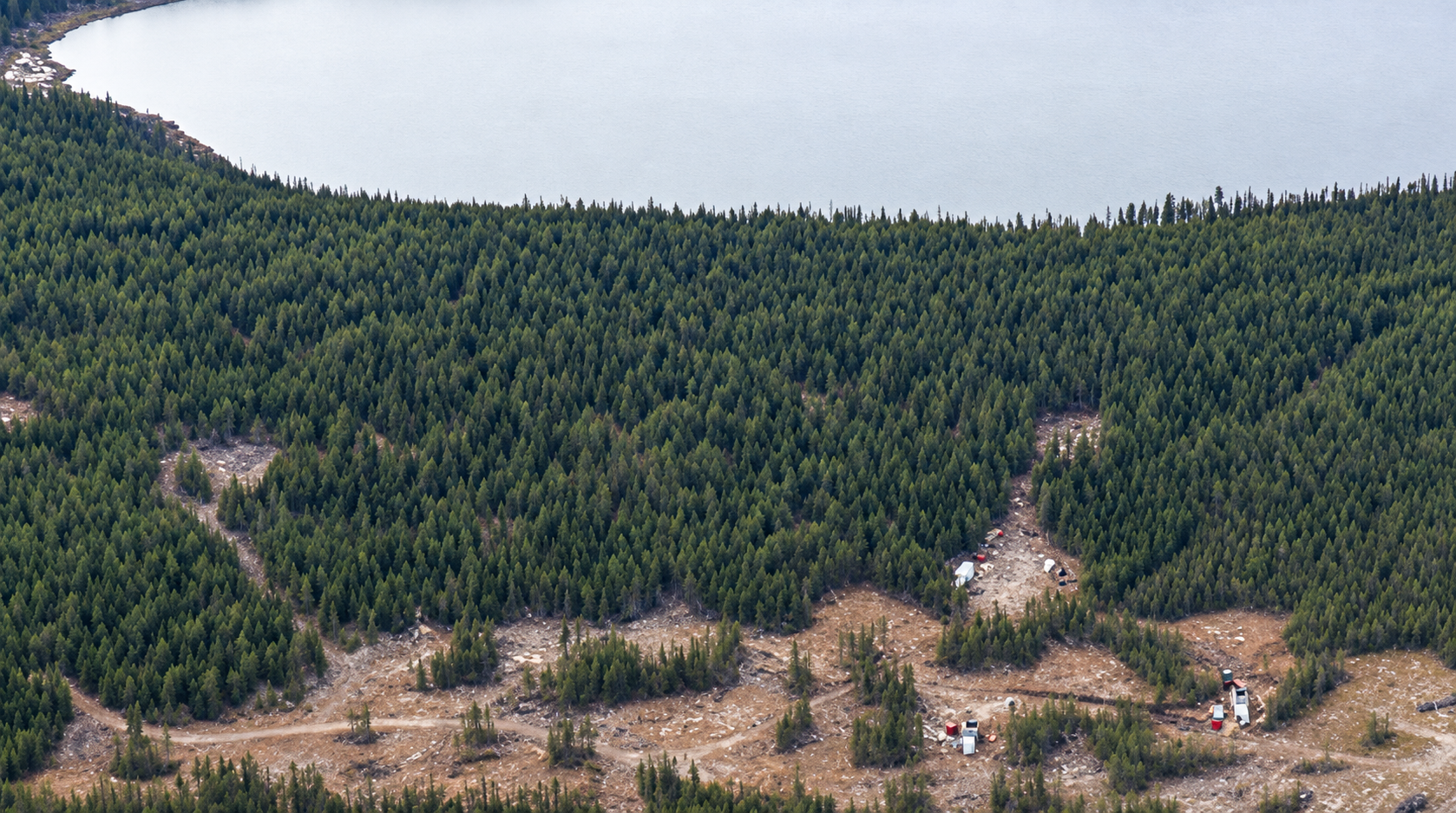
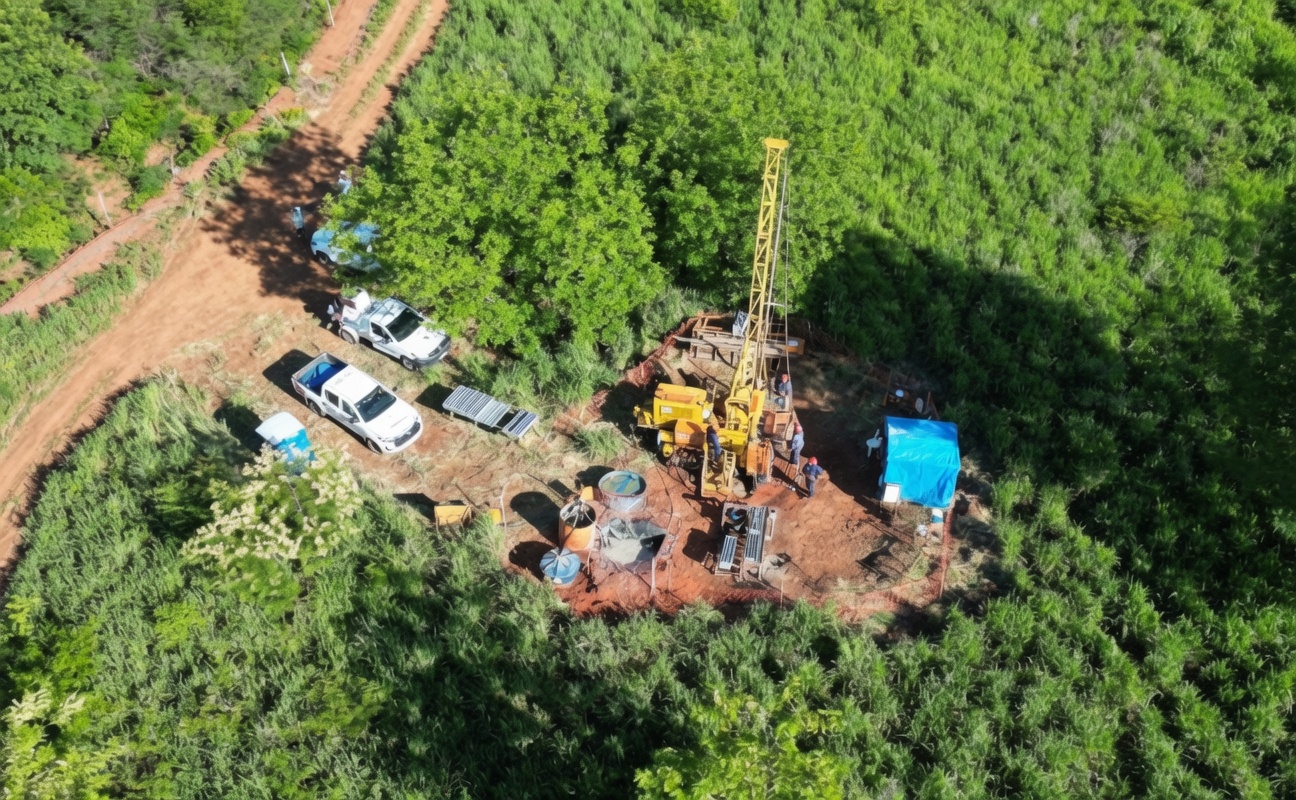
In April 2026, Atomic Eagle began the largest drill campaign at Muntanga in 18 years. The program targets three areas: Chisebuka, where the goal is to upgrade 9.7 million pounds from the Inferred to the Measured & Indicated category through closer-spaced drilling in the second quarter of 2026; Muntanga North, covering 8 distinct uranium targets across 80 square kilometres; and Namakande 1 and 2, two large prospects sitting next to the Chisebuka resource. All three areas show the same radiometric and geochemical patterns as the already-defined deposits. The company's exploration target for the full licence package - an official estimate of how much uranium could exist before drilling - sits at 40-100 million pounds, which at the low end would more than double the current resource.
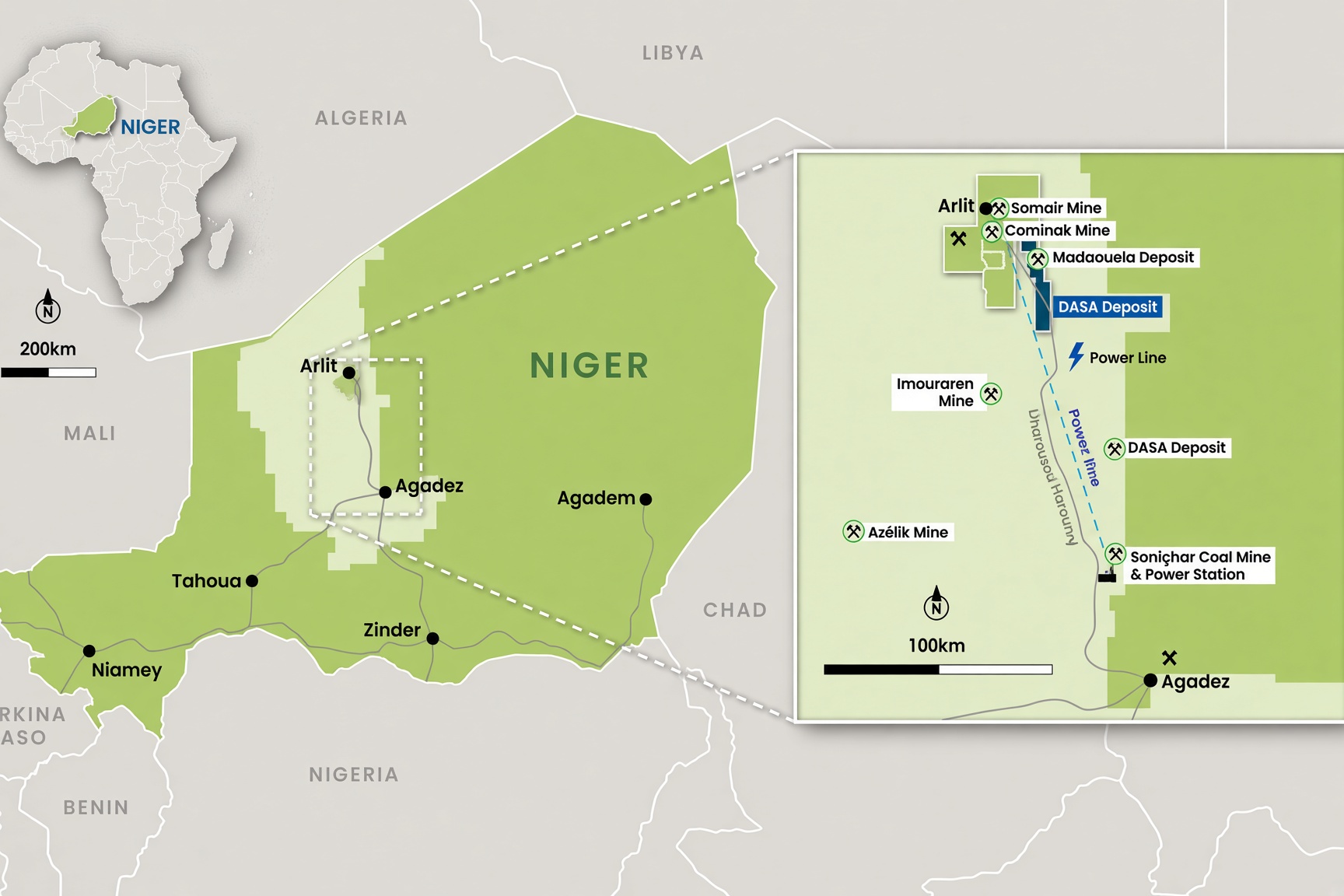
On permitting, the company submitted a draft Environmental & Social Impact Assessment to the Zambian Environmental Management Agency in April 2025; a formal approval in 2026 would clear the main remaining regulatory step before a construction decision can be made. AEU's stated priority for 2026 is resource growth - expanding and upgrading the mineral resource through drilling - before moving to a feasibility study update in 2027, with project financing and construction decisions to follow thereafter. Separately, a letter of intent signed with the Republic of Niger in February 2025 sets out a negotiation process to resolve the cancelled Madaouela mining permit; if that dispute is settled, the Madaouela Project - which held 99.0 million pounds of uranium oxide at 1,319 parts per million before the permit was withdrawn - would return to AEU's asset base at no additional exploration cost to shareholders.
What Investors Are Watching
AEU is priced at $3.12 Australian dollars per pound of confirmed uranium resource against an enterprise value of $125 million Australian dollars as at March 25, 2026. The project behind that price is fully permitted, has a completed feasibility study showing a $243 million US dollar after-tax profit at $90 per pound uranium, and is actively drilling to grow the resource that underpins those economics. The company's development sequence is clear: resource growth in 2026, a feasibility study update in 2027, and project financing and construction decisions thereafter. Three nearer-term catalysts are measurable and time-bound: a resource upgrade from the 2026 drill program, permitting approval from the Zambian Environmental Management Agency, and a settlement of the Niger arbitration that would return 99.0 million pounds of high-grade uranium to the balance sheet at no additional cost to existing shareholders.
FAQs (AI-Generated)
Atomic Eagle Limited (ASX: AEU) owns 100% of the Muntanga Uranium Project in Zambia - a permitted, feasibility-complete site currently being drilled to expand the confirmed uranium resource ahead of a future mine construction decision.
Uranium fuels nuclear power plants, and with global reactor requirements already outpacing mine supply by an estimated 8,707 tonnes in 2025, new permitted projects like Muntanga sit in an increasingly tight market.
A feasibility study is an independent engineering report that determines whether a mine is commercially viable; Atomic Eagle's January 2025 study concluded Muntanga can generate $243 million US dollars in after-tax profit over 12 years at $90 per pound uranium, with the $282 million US dollar construction cost recovered in 3.5 years.
Zambia ranked 3rd among African mining jurisdictions in the Fraser Institute's 2024 Annual Survey of Mining Companies on regulatory stability, taxation, and rule of law - and unlike some competing uranium countries, imposes no export restrictions to China, India, or the US.
AEU is targeting resource growth through drilling in 2026, a feasibility study update in 2027, and project financing and construction decisions thereafter - meaning production is a medium-term, not near-term, prospect.
Analyst's Notes





Subscribe to Our Channel



Stay Informed