ATHA Energy: Every Hole Hit Uranium in 2025. Now It Is Going Back With More


ATHA Energy found uranium in every test hole drilled in 2025 and is now heading into its biggest drill program yet, backed by C$63 million and three rigs targeting two of its most promising areas in Nunavut.
- ATHA Energy owns more uranium exploration land in Canada than any other single company, spread across three different parts of the country.
- In 2025, the company drilled test holes at a newly found uranium area in Nunavut, and every single one came back with uranium. Chief Executive Officer Troy Boisjoli described the consistency as unlike anything in his career.
- Most of the company's best-known uranium area has not yet been tested, meaning there is still a lot of ground left to explore.
- ATHA heads into 2026 with C$63 million in the bank and its biggest drilling program ever, using three machines at the same time for the first time.
- The company also has a free 10% share in land being explored by two bigger uranium companies, which could add value without ATHA spending a dollar.
ATHA Energy Is Running Its Biggest Drill Program Yet. Here Is What Investors Need to Know.
Imagine buying a large piece of land because you believe something valuable is buried underneath it. You spend two years digging test holes to see if you are right, and every single hole comes back positive. Now you raise more money, bring in more equipment, and go back for more.
That is essentially where ATHA Energy (TSX-V: SASK | FRA: X5U | OTCQB: SASKF) finds itself heading into 2026.
ATHA is a uranium exploration company. It does not yet mine or sell uranium. Instead, it buys land and drills test holes to find out whether there is enough uranium buried below the surface to one day build a mine. Uranium is the fuel used in nuclear power plants, and as more countries turn to nuclear energy, demand for it has been growing.
What 2025 Established
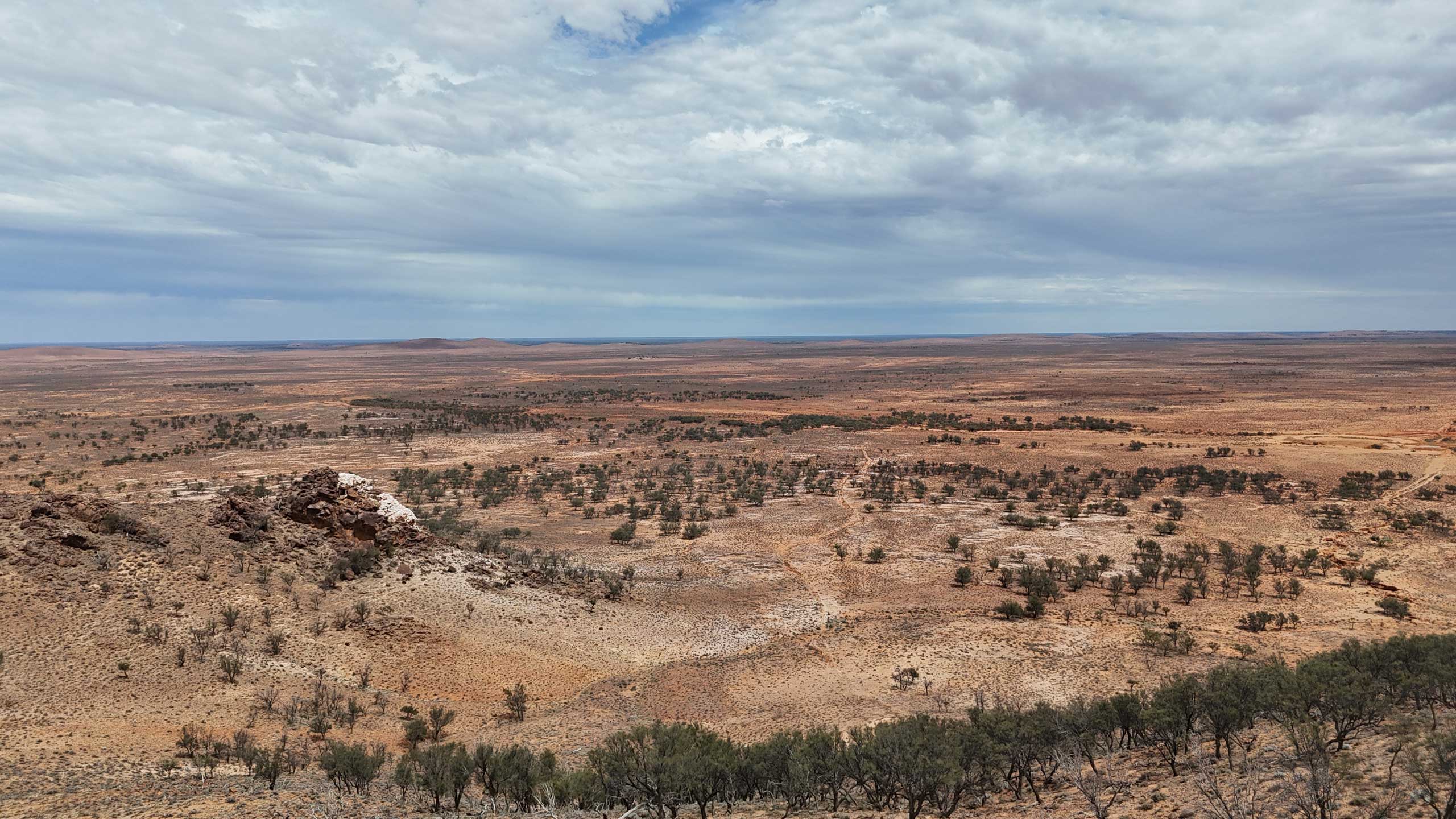
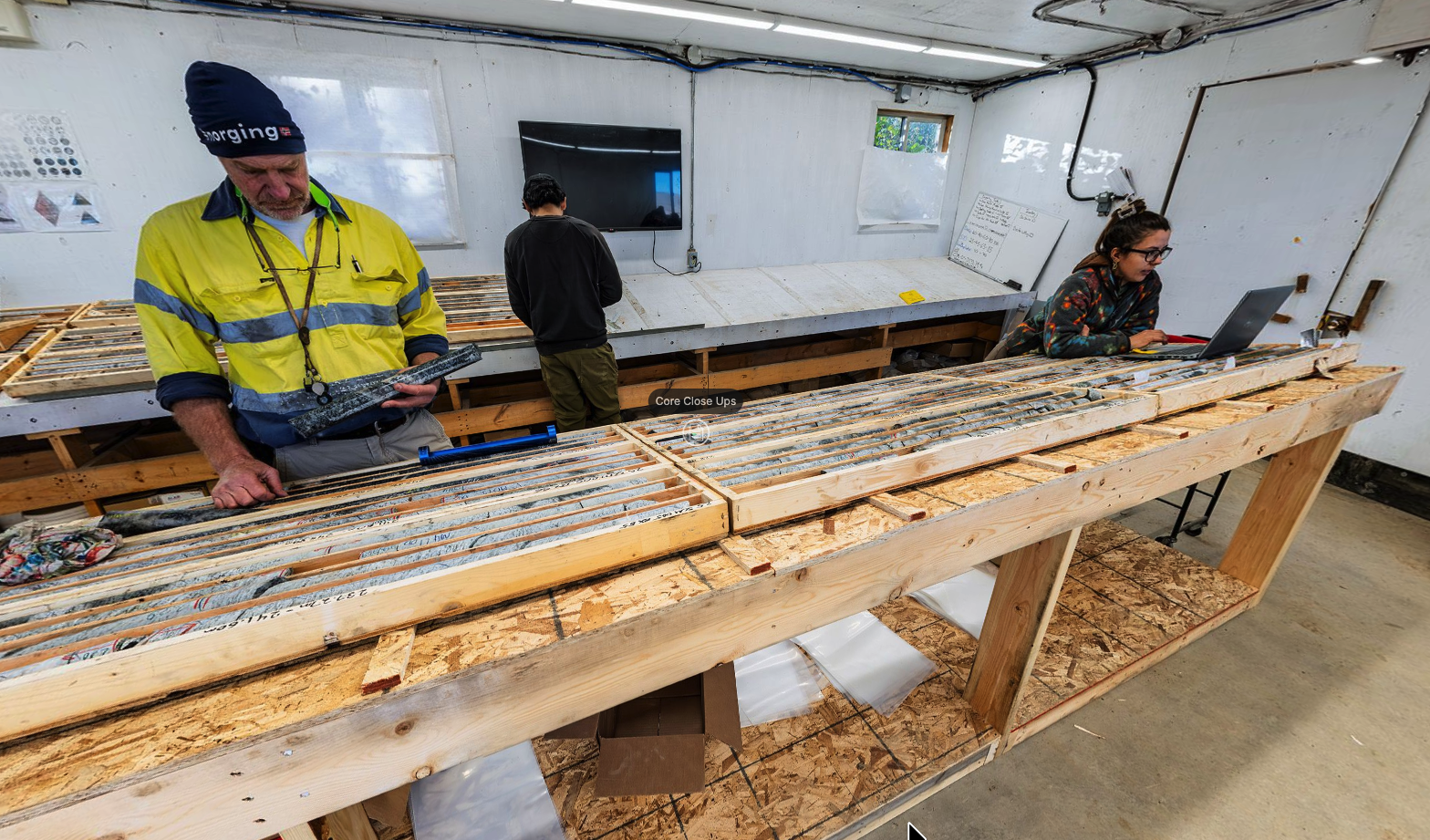
ATHA's most important project is the Angilak Project in Nunavut, northern Canada, which the company owns entirely with no partners. In 2024, the team drilled 25 test holes around a known uranium area called the Lac 50 Deposit. All 25 came back with uranium.
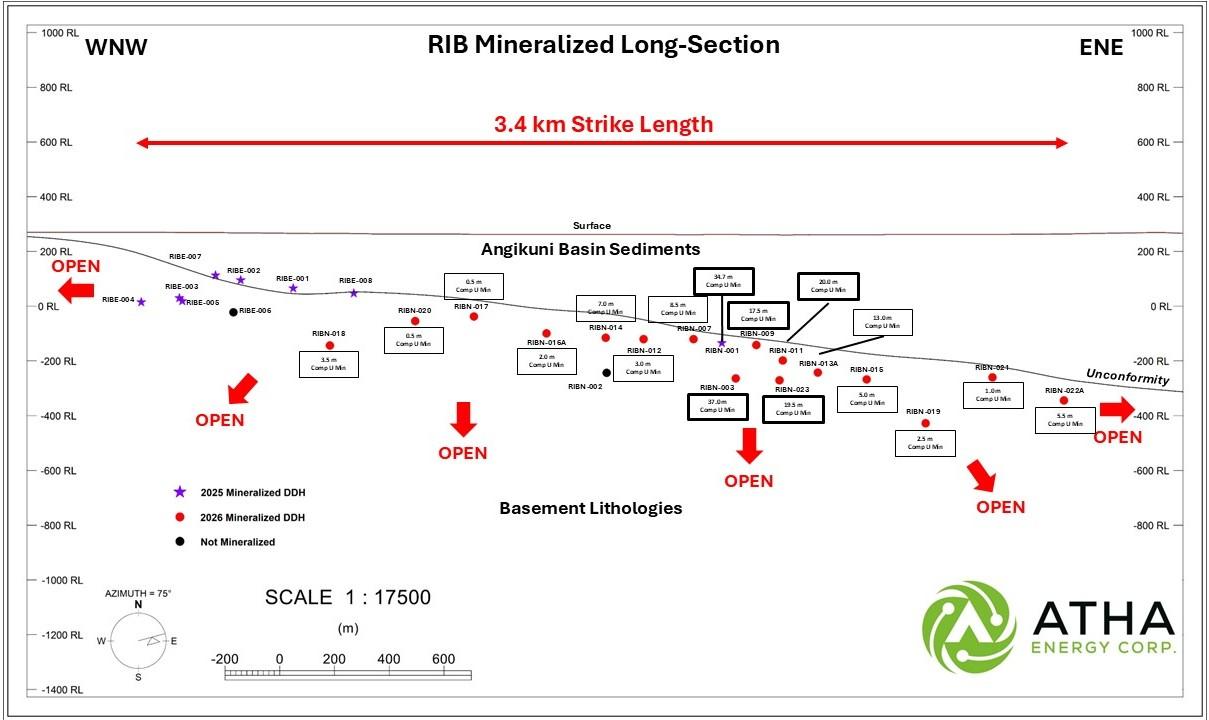
In 2025, the team moved to a completely separate part of the same project and drilled 13 test holes across a wide stretch of fresh ground. Every single one came back with uranium again.
Troy Boisjoli, Chief Executive Officer of ATHA Energy, put that result into context by comparing the size of the zone to some of Canada's most famous uranium deposits:
"Arrow has a strike length currently of, you know, plus or minus 900 m," he said, referring to a major uranium discovery operated by NexGen Energy. Cigar Lake, same thing. You're under a kilometre in strike length. Typically, you're under a kilometre in strike length for some of these major deposits. And we have mineralisation continuously in the RIB area over 14 km."
In simple terms: Canada's most famous uranium deposits run for less than a kilometre from end to end. The new zone ATHA found in 2025 returned uranium across 14 km of connected ground. That does not automatically mean ATHA has found more uranium than those mines. The richness and depth of the material still needs more drilling to confirm. But the size of the area where uranium keeps showing up is unusually large, and Boisjoli described the consistency of the results as extremely uncommon across his years of experience at some of Canada's largest uranium mining operations.
The 2026 Plan
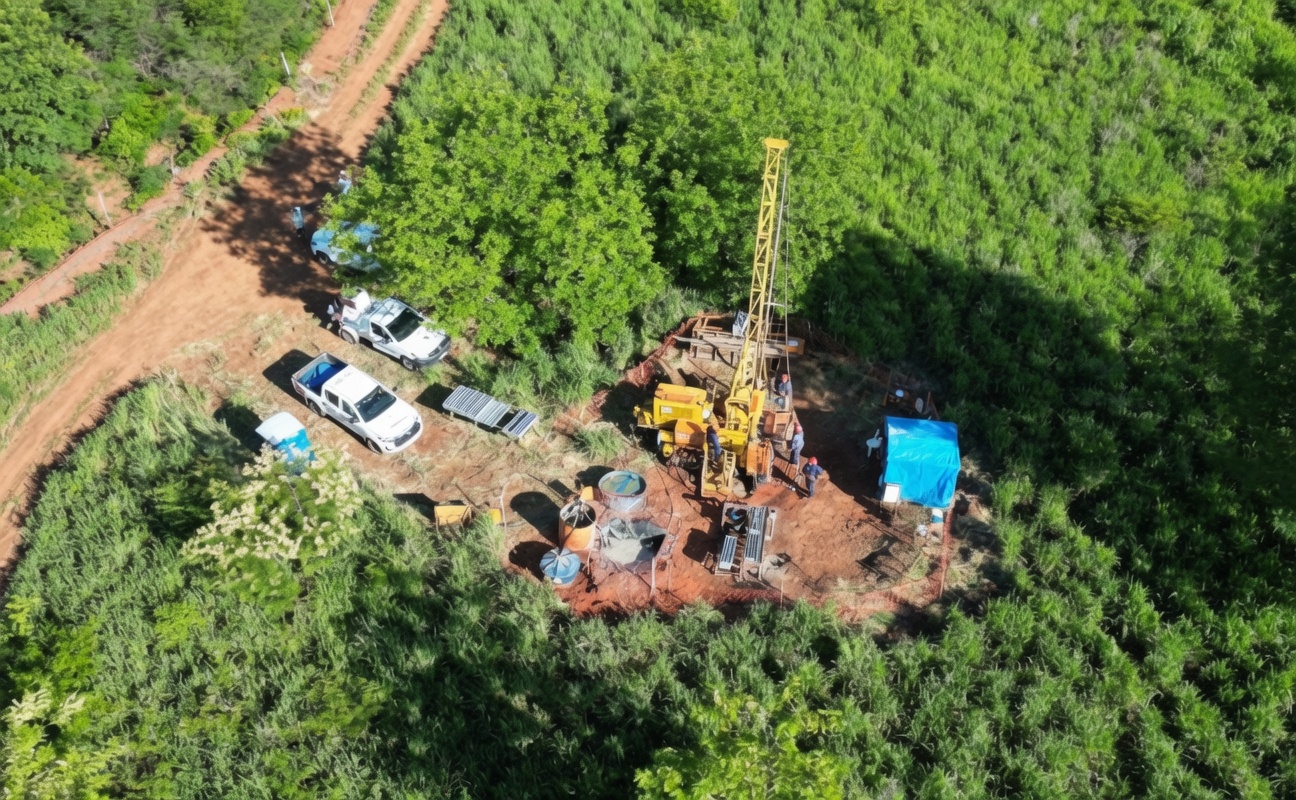
ATHA is now preparing its biggest program yet. For the first time, it will run three drilling machines at the same time, up from two last year, focusing on the newly found zone from 2025 and the Lac 50 area. In the Lac 50 area alone, the total stretch of ground covers 21 km and only about a quarter of it has been tested so far.
The shift in approach is deliberate. The last two years were about finding uranium across as wide an area as possible. This year is about going back and drilling carefully enough to calculate, officially and independently, how much uranium is actually there.
Boisjoli explained:
"Last two years were about addressing discovery risk at scale. This year is about focusing on the continuity of mineralisation within those systems in which we've discovered it. That then leads into optimised delineation work for the purpose of resource growth."
ATHA has not yet published an official, independently verified estimate of how much uranium exists at Angilak. Publishing that estimate is the single most important milestone ahead, and the 2026 program is the key step toward it.
Funded to See It Through
ATHA enters 2026 with C$63 million available, including C$28.5 million raised from investors and a contribution from QRC Investments, led by Warren Gilman, a well-known figure in uranium investing.
That matters because a company that runs short of money mid-program often has to raise more on unfavourable terms, which can reduce the value of shares held by existing investors.
The Free Stake in Bigger Companies' Land
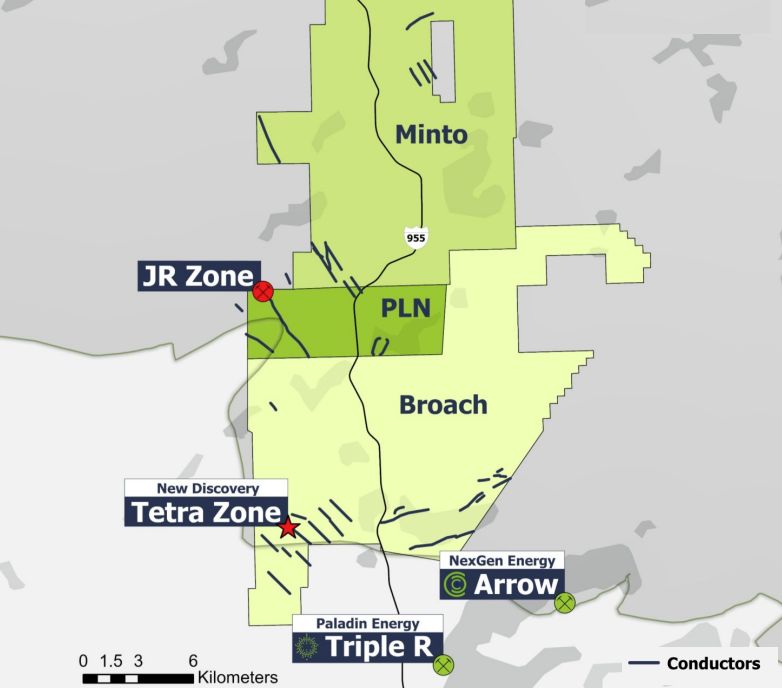
ATHA also holds a 10% stake in certain land being explored by NexGen Energy and IsoEnergy, two larger uranium companies in Saskatchewan. Those companies pay for all the exploration themselves. ATHA contributes nothing but still owns 10% of whatever is found. This stake does not appear to be reflected in ATHA's current market value, meaning progress by either company on that land could add value to ATHA shares independently of its own drilling results.
What This Means for Investors
ATHA has no revenue and does not yet produce anything. Its value is based entirely on what might be underground. That makes it a higher-risk investment than a company already mining and selling uranium. The thing to watch most closely in 2026 is whether drilling produces results strong enough to support an official uranium estimate, because that is the step that would most clearly move the company forward.
FAQs (AI-Generated)
Analyst's Notes





Subscribe to Our Channel


Stay Informed