2026 Energy Shock Lifts Nuclear Outlook & Drives Uranium Diversification


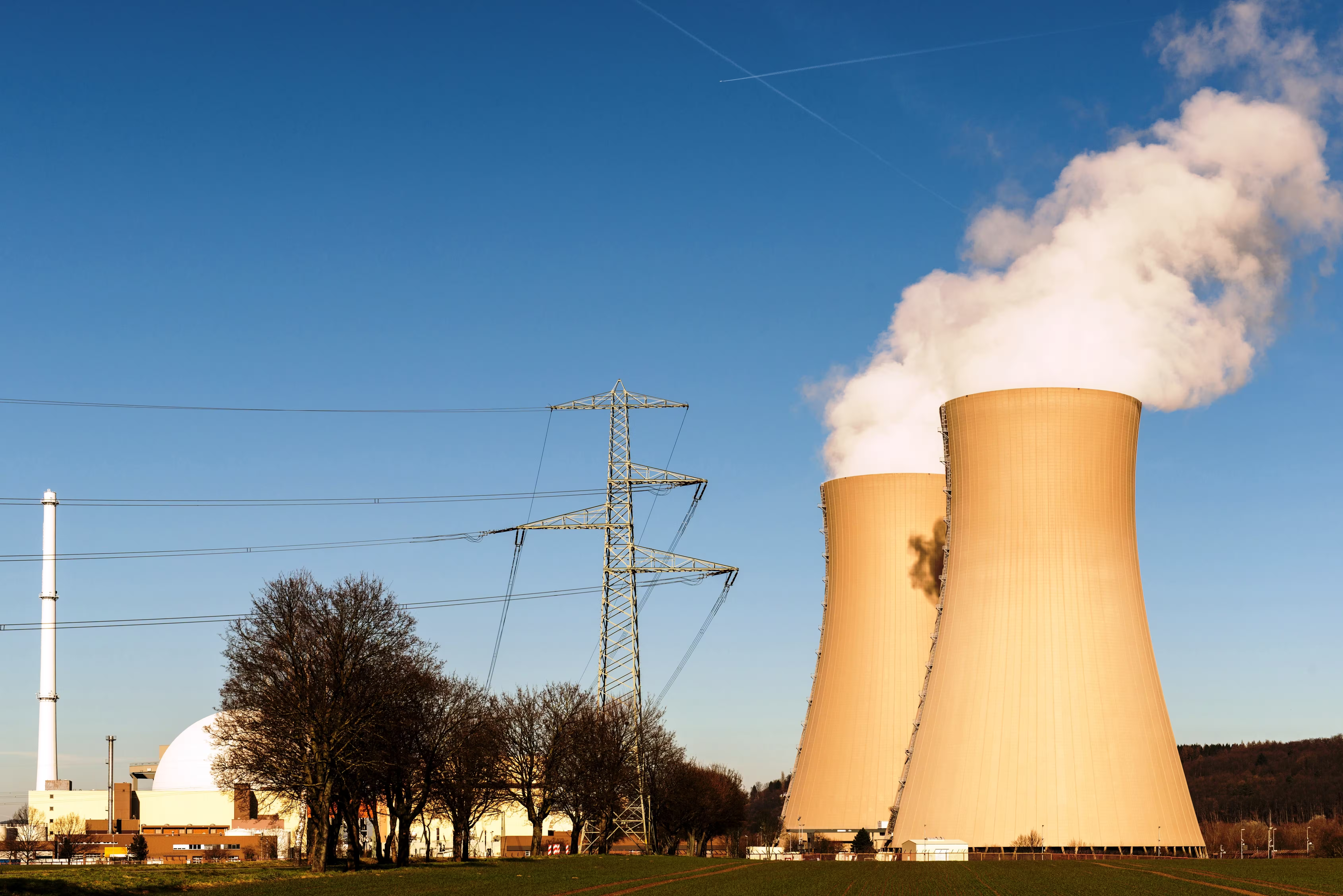
The 2026 energy shock accelerates nuclear power plans, increasing uranium fuel requirements and the need for diversified, reliable supply.
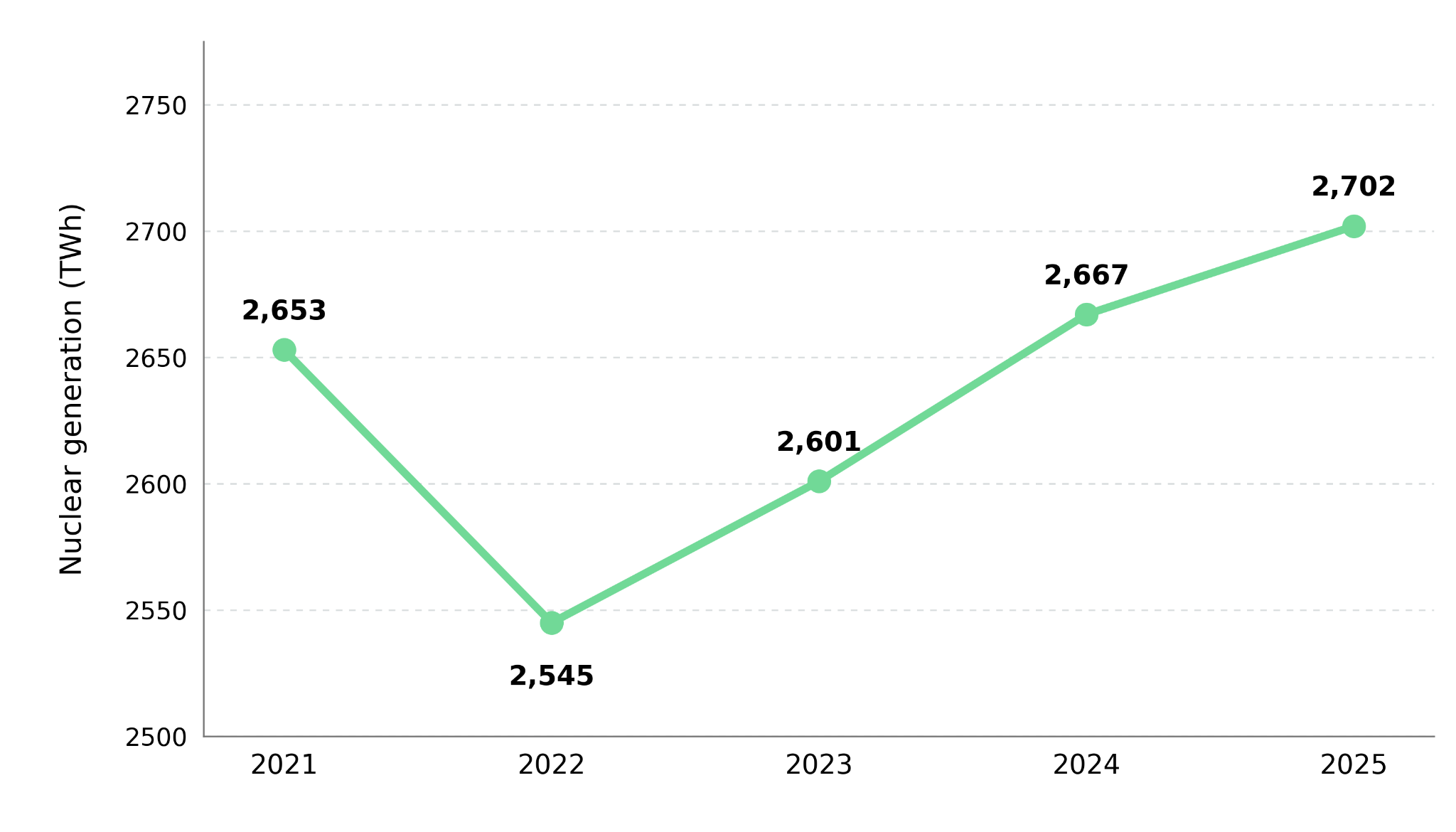
- The International Energy Agency (IEA) revised nuclear generation projections upward from its 2025 outlook, particularly in China and the US, increasing the importance of long-term uranium procurement amid the 2026 energy shock.
- Nearly 90 gigawatts (GW) of nuclear capacity was under construction in mid-2026, the highest level in over 35 years, while the IEA projects nuclear's share of global electricity generation rising from 9% to 10% by 2035 under its Stated Policies Scenario (STEPS), increasing future uranium fuel requirements.
- The three largest uranium-producing countries account for nearly 75% of global mine supply, while the three leading countries hold approximately 70% of conversion and enrichment capacity, increasing the importance of diversifying uranium sourcing and processing.
- US-origin uranium accounted for just 7% of deliveries to domestic utilities in 2025, while the Energy Information Administration (EIA) reported 186 million pounds of unfilled uranium requirements for 2026-2035.
- Canada, Kazakhstan, Russia, and Uzbekistan supplied more than 83% of EU uranium deliveries in 2025, highlighting the importance of alternative suppliers in reducing Europe's reliance on a small group of uranium-producing countries.
2026 Energy Shock Accelerates Nuclear Power's Role in Energy Security
The 2026 energy crisis disrupted oil and liquefied natural gas shipments through the Strait of Hormuz, prompting governments to reassess their dependence on imported fuels. The IEA's World Energy Outlook 2026 links the crisis to strengthened nuclear power plans and extended reactor operating lifetimes, increasing the importance of long-term uranium procurement.
Nearly 90 GW of nuclear capacity was under construction by mid-2026, the highest level in more than 35 years, adding to future uranium fuel requirements. More than 50 countries have nuclear plans, targets, or expressed interest in new reactors, expanding the potential market for uranium. Nuclear generation projections have also been revised upward from the 2025 outlook, particularly in China and the US, with nuclear power's share of global electricity generation projected to rise from 9% to 10% by 2035.
Long Mine Timelines Increase Need for Early Uranium Procurement
The 2026 Red Book identifies more than 8.1 million metric tons of uranium recoverable at costs below US$260 per kilogram. Bringing these resources into production typically takes 15 to 20 years, making early financing, technical studies, and permitting important for meeting future uranium requirements.
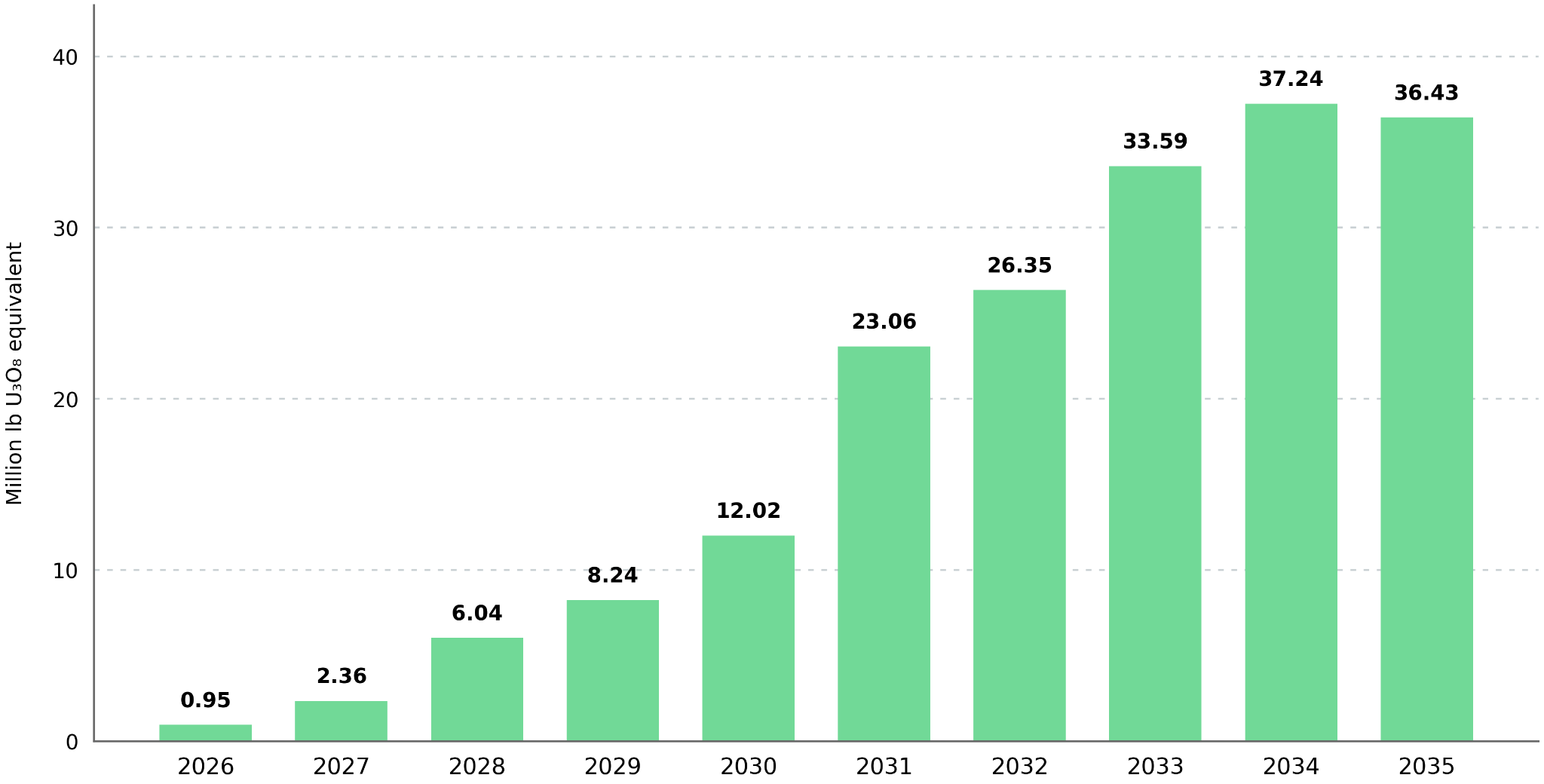
According to the EIA's 2025 Uranium Marketing Annual Report, US utilities had 186 million pounds of unfilled uranium requirements for 2026-2035, alongside a maximum of 174 million pounds in contracted deliveries at the end of 2025. These unfilled requirements represent future purchases not yet covered by contracts, creating opportunities for suppliers capable of delivering uranium within utility procurement schedules.
Concentrated Uranium Supply Increases Demand for Alternative Sources
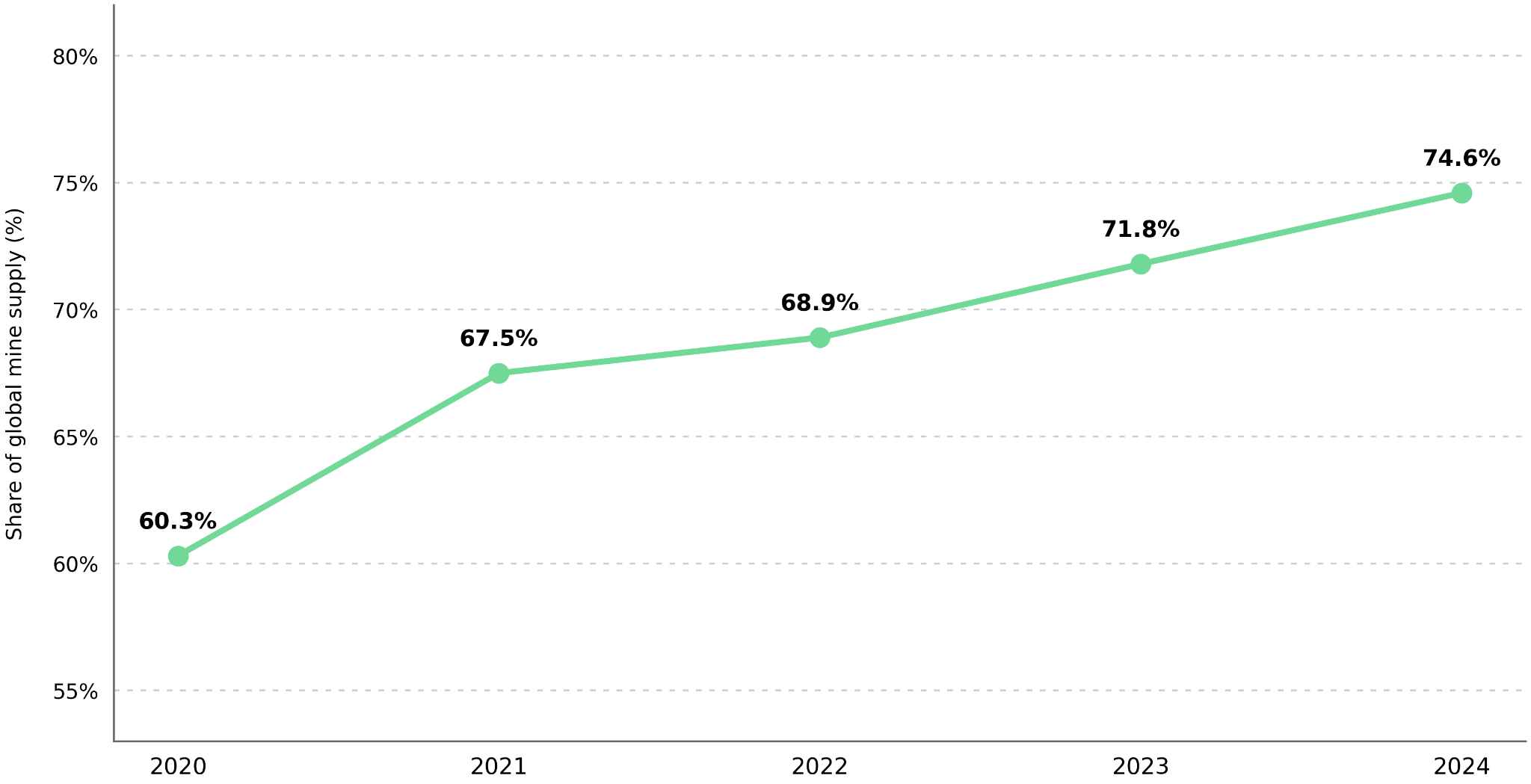
According to the IEA's Global Critical Minerals Outlook 2026, the three largest uranium-producing countries account for nearly 75% of global mine supply. Developing commercially viable projects in other jurisdictions could broaden uranium sourcing options for nuclear utilities and reduce reliance on the leading producers.
EIA data show that US-origin uranium accounted for just 7% of utility deliveries in 2025, down from 8% in 2024. Canada supplied 32%, Kazakhstan 28%, Australia 15%, Uzbekistan 7%, and Namibia 4%, demonstrating the opportunity for additional domestic production to expand US uranium sourcing options.
The Euratom Supply Agency (ESA) recorded 14,678 metric tons of natural uranium purchases by EU utilities in 2025, with Canada, Kazakhstan, Russia, and Uzbekistan accounting for 83.34% of deliveries. Utilities also purchased more uranium than they loaded into reactors to build inventories against potential supply disruptions.
Fuel Processing Concentration Drives US Enrichment Investment
IEA estimates place approximately 70% of global uranium conversion and enrichment capacity in the three leading countries, concentrating nuclear fuel-processing services among a few suppliers. EIA data show that foreign providers supplied 77% of enrichment services purchased by US nuclear utilities in 2025, compared with 23% from domestic sources, highlighting opportunities to expand domestic processing capacity.
On January 5, 2026, the US Department of Energy (DOE) awarded US$2.7 billion to three companies to expand domestic uranium enrichment capacity over the next decade. The funding targets fuel production for existing and advanced reactors, while additional enrichment capacity will require reliable supplies of converted uranium feedstock, connecting downstream investment to upstream uranium availability.
Canadian Drilling Expands Uranium Resource Targets for Future Supply
The 2026 Red Book reports that uranium exploration and development spending exceeded US$1.78 billion in 2023-2024, up approximately 46% from the previous two-year period. In Canada, drilling programs are testing how far uranium discoveries extend beyond their initial boundaries.
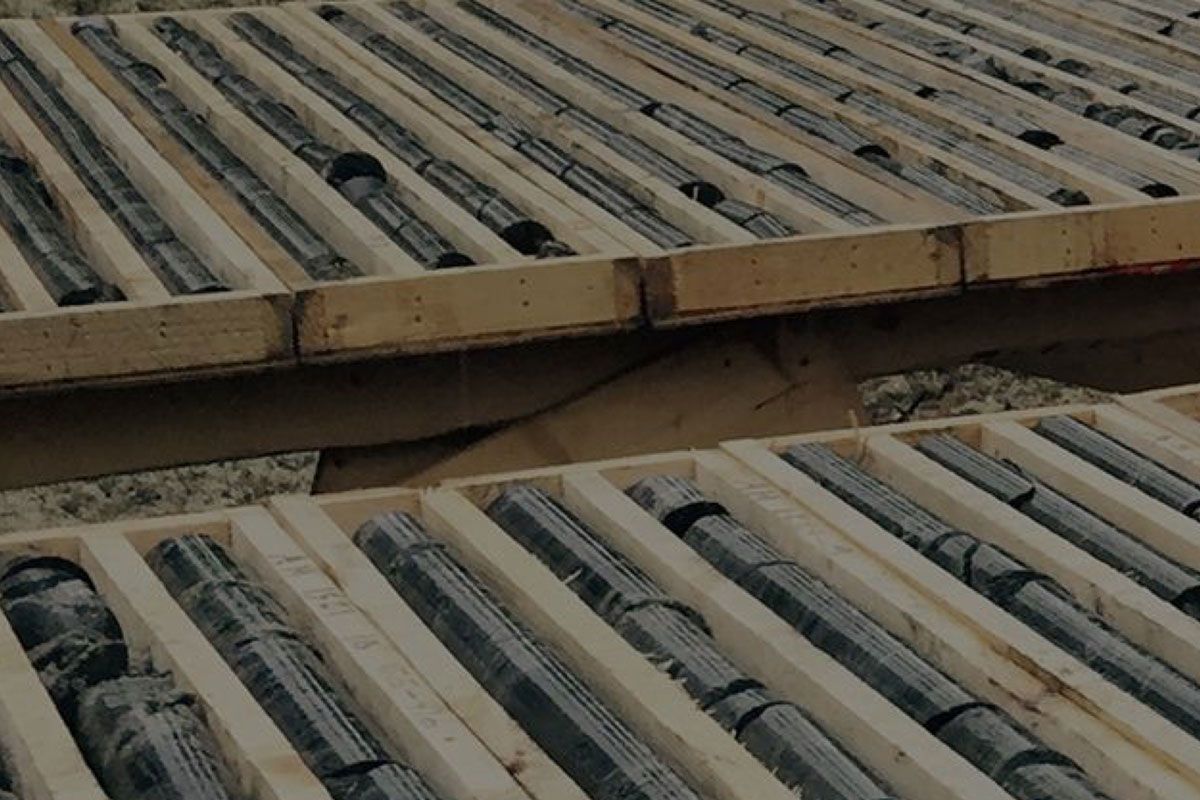
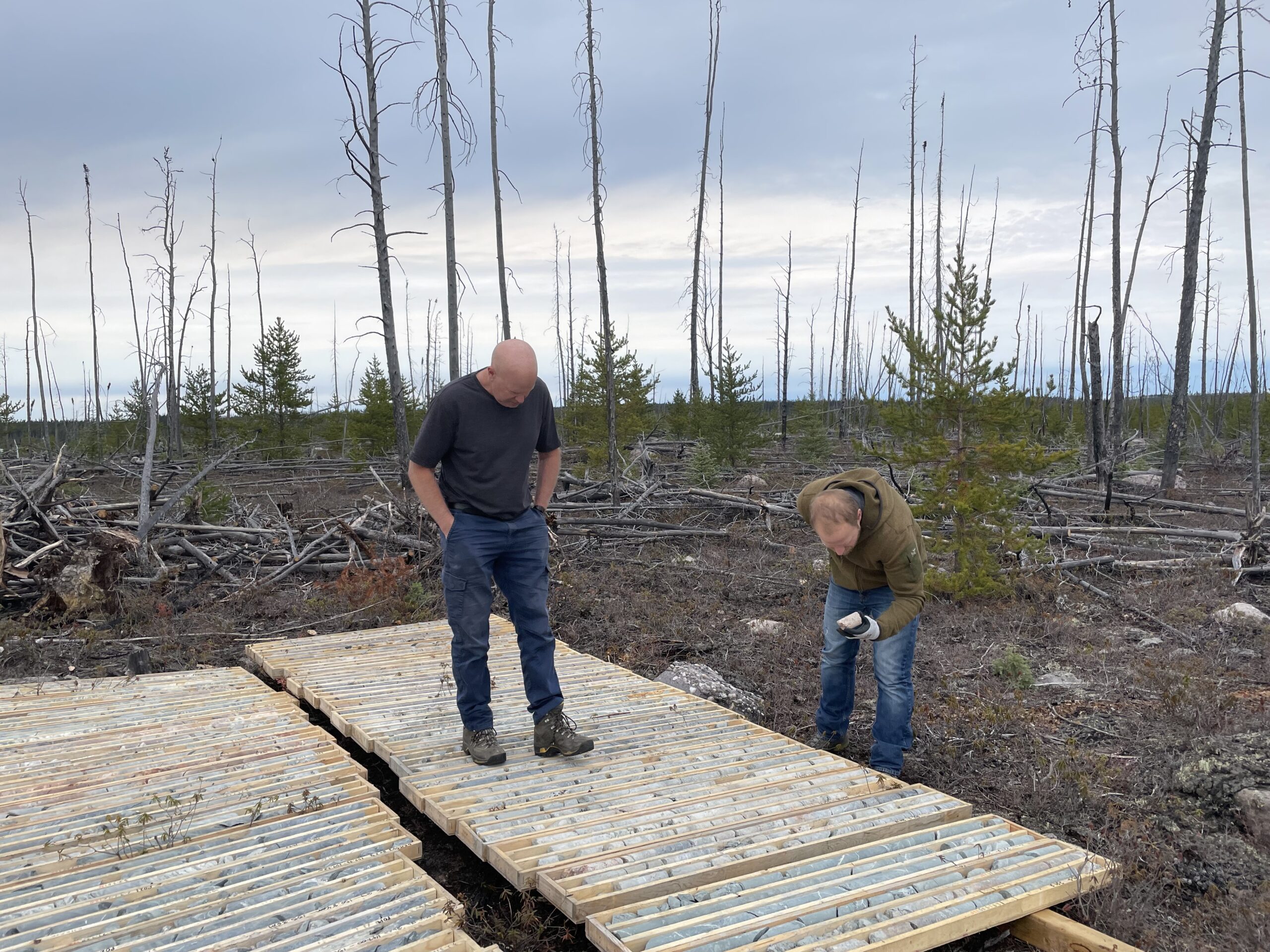
ATHA Energy expanded the mineralized trend at its Angilak Uranium Project in Nunavut from 1.45 to 3.4 kilometers, connecting the RIB North and RIB East discoveries. All seven holes in its latest drilling update intersected uranium mineralization, with preliminary results identifying a potentially higher-grade zone measuring approximately 300 by 300 meters. The connected discoveries provide additional drilling targets for assessing future resource growth.
Troy Boisjoli, Chief Executive Officer of ATHA Energy, explains why large uranium assets matter for supply:
"It is large, scalable assets that can become a meaningful component to help solve what is nearly an existential supply deficit going into the 2030 decade. There are very few assets that are being developed that have that sort of scale potential."
High-Grade Intersections Open New Uranium Resource Growth Targets
Unlike new discoveries, established uranium deposits provide existing resource estimates against which nearby high-grade mineralization can be evaluated. This allows additional drilling results to be assessed against documented resource size and grade.
IsoEnergy confirmed high-grade uranium mineralization approximately 500 meters east of its Hurricane deposit in Saskatchewan, including 2.0 meters grading 4.17% uranium oxide, with a 0.5-meter interval grading 15.4%. Hurricane already holds an Indicated Mineral Resource of 48.6 million pounds grading 34.5% uranium oxide. The results identify an opportunity for further resource expansion, with additional drilling proposed for 2027 to evaluate mineralization beyond the deposit.
Philip Williams, Director and Chief Executive Officer of IsoEnergy, explains why uranium buyers must consider future supply:
"All I see in the market is disappointments on the mining side. Will that message resonate with the buyers who are going to start to get anxious about where they're going to get their material from? They're covered for the moment, but they have to think longer term."
African Resource Definition Adds Another Route to Uranium Diversification
Across Africa, project economics, access to financing, and reliable export arrangements determine whether identified uranium resources can advance toward commercial production and provide additional supply to international buyers.
Atomic Eagle extended uranium mineralization at its Muntanga Project in Zambia to approximately 1.5 kilometers at Target 5 and identified a separate 800-meter zone at Target 6. The project holds a Mineral Resource of 58.8 million pounds of uranium oxide, while further drilling at Chisebuka is targeting an updated resource estimate in 2027. The planned update could inform revised development studies and help determine the scale of future production.
Limited US Uranium Output Increases Need for Additional Wellfield Capacity
The EIA reports that US uranium concentrate production rose from 657,000 pounds in 2024 to approximately 2.1 million pounds in 2025, its highest level since 2017. Further production growth depends on bringing additional extraction sites into operation, making regulatory approvals and existing processing infrastructure important factors in expanding near-term domestic uranium supply.
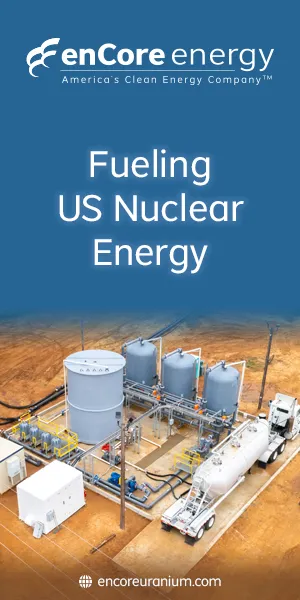
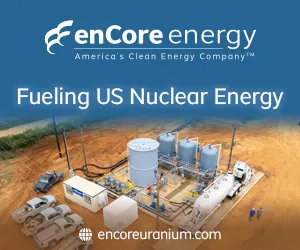
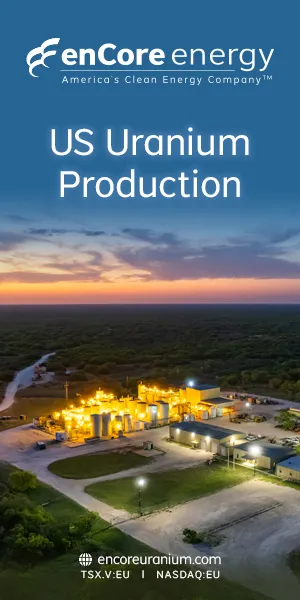
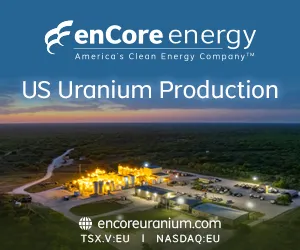
enCore Energy received Production Area Authorization for its first Upper Spring Creek uranium wellfield in South Texas, where the wellfield and satellite processing plant are already constructed. The company is targeting initial uranium extraction in the first week of December, with uranium-loaded resin to be processed at its existing Rosita facility. Full-scale operations remain dependent on approval to operate the site's constructed waste-disposal well, making that authorization the next milestone for expanding domestic uranium output.
William Sheriff, Executive Chairman of enCore Energy, describes why US sourcing requires additional uranium production:
"They asked people, can you provide 4 million pounds of US-sourced material? And if you took all the production in the US right now, the answer is no. If you took all the production in the US by the year 2030, the answer is probably no because people have contracts in place. So, there's going to have to be new production coming on."
Nuclear Demand Growth Shifts Investment Focus to Deliverable Uranium
The 2026 energy shock has increased attention to nuclear fuel security at a time when nearly 90 GW of nuclear capacity is under construction, the highest level in more than 35 years. However, three countries account for nearly 75% of global uranium mine supply, while three countries hold approximately 70% of conversion and enrichment capacity. This concentration creates opportunities for uranium projects that can expand supply from additional jurisdictions and provide nuclear utilities with more reliable sourcing options.
In the US, domestic uranium accounted for just 7% of utility deliveries in 2025, while 186 million pounds of uranium requirements for 2026-2035 remained uncontracted at the end of 2025. Seven planned in-situ recovery facilities represent approximately 10.5 million pounds of annual production capacity, but their contribution depends on when they begin delivering uranium. The key investment consideration is whether resource expansion, project financing, regulatory approvals, and operating performance can translate into additional uranium supply within utilities' procurement timelines.
The Investment Thesis for Uranium
- Nuclear expansion and reactor lifetime extensions increase future uranium requirements, creating long-term contracting opportunities for suppliers capable of meeting utility delivery schedules.
- Uranium projects outside dominant producing countries can expand future sourcing options for nuclear utilities, with secure ownership, infrastructure access, and regulatory approvals determining their ability to deliver commercial supply.
- Explorers demonstrating continuous mineralization and verified grades through drilling provide stronger evidence for future resource estimates, making confirmed results more important than landholding size when assessing project potential.
- Developers move uranium resources toward commercial supply through metallurgical work, economic studies, and financing, with capital discipline and recovery performance shaping development prospects.
- Producers with authorized extraction areas and established processing routes offer nearer-term supply potential, while operational reliability and capital efficiency determine sustainable growth.
- Diversification must extend across uranium extraction, conversion, enrichment, and fuel fabrication, making fuel-chain access an important consideration alongside resource quality.
The 2026 energy shock has increased the importance of nuclear power in energy-security planning, placing reliable uranium supply and geographic diversification at the center of long-term procurement decisions. As nuclear capacity expands, uranium projects advancing toward resource definition, financing, and production offer opportunities to broaden future supply options. The strongest investment opportunities will emerge where resource potential is matched by credible development plans, commercial viability, and access to the nuclear fuel chain, positioning uranium diversification as a long-term priority in global energy investment.
TL;DR
The 2026 energy crisis prompted governments to expand nuclear power plans and extend reactor lifetimes, increasing future uranium requirements. Nearly 90 GW of nuclear capacity was under construction by mid-2026, while new uranium mines typically require 15 to 20 years to develop. US utilities face 186 million pounds of unfilled uranium requirements through 2035, highlighting future procurement opportunities. Meanwhile, three countries account for nearly 75% of global uranium mine supply, with fuel processing similarly concentrated. Uranium projects offering resource growth, secure financing, regulatory approvals, and established processing infrastructure could expand supply options, provided they can meet utility delivery schedules.
FAQs (AI-Generated)
Analyst's Notes





Subscribe to Our Channel









Stay Informed