Per-Pound Uranium Pricing Waits on ATHA's 2027 Delineation Phase


ATHA's management benchmarks it against peers valued per pound of resource, a measure Angilak cannot meet until it defines one; delineation is planned for 2027.
- ATHA Energy benchmarks its value against resource-stage uranium peers, with IsoEnergy as the named example.
- By management's account, IsoEnergy has about 51 million pounds (lb) of measured and indicated (M&I) uranium and trades at about $10 of enterprise value (EV) per pound.
- Angilak has no known mineral resource, and its Lac 50 target of 60.8 million to 98.2 million lb is conceptual.
- ATHA plans to transition from continuity drilling to a delineation phase in 2027 to support resource growth.
- Assays, Lac 50 Deposit Corridor results, and the 2027 delineation phase are the next steps toward a defined resource.
What Has Happened
ATHA Energy (TSXV: SASK | FRA: X5U | OTCQX: SASKF) benchmarks its value against Canadian uranium companies that already have a resource. As of October 2026, the peer management names is IsoEnergy, a resource-stage company in the Athabasca Basin.
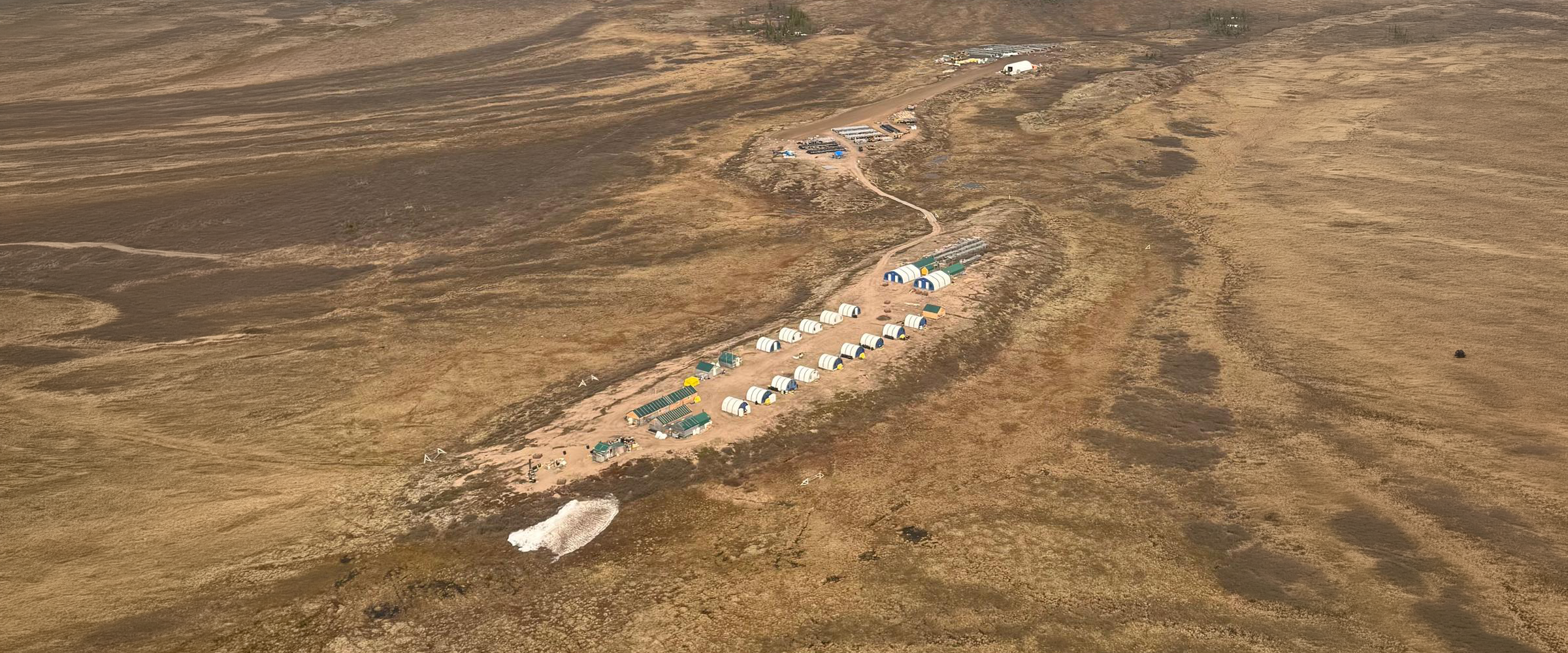
ATHA's 100%-owned Angilak Uranium Project in Nunavut has no known mineral resource. The company plans a delineation phase in 2027 at Angilak, focused on asset and resource growth. A per-pound comparison with IsoEnergy needs pounds on both sides, and Angilak has none defined yet.
How Resource-Stage Uranium Peers Are Priced
Enterprise value (EV), which adds a company's debt to its market value and subtracts its cash, can be divided by the pounds of uranium in a company's resource to give a per-pound value. That measure works only for a company with a resource to divide by.
Chief Executive Officer and Director of ATHA Energy, Troy Boisjoli, names the peer and the size of its resource:
"Resource stage companies, IsoEnergy, they have about a 51 million pound uranium asset in the Athabasca Basin."
By management's account, that figure is IsoEnergy's measured and indicated (M&I) total, and the company trades at about $10 of EV per pound. M&I are the 2 higher-confidence categories of a mineral resource.
On October 5, 2026, EV among the uranium companies in ATHA’s peer comparison split by stage. The developers ranged from C$765 million for IsoEnergy to C$8,539 million for NexGen Energy, with Paladin Energy at C$4,229 million and Denison at C$3,617 million. The 6 other explorers in the same comparison ranged from C$12 million to C$75 million. ATHA's EV was C$349.5 million on the same date, against a basic market capitalization of C$357.0 million on 353.1 million shares at C$1.01.
What Angilak Has in Place of a Resource
Angilak's pounds exist only as a conceptual exploration target range so far. The Lac 50 Exploration Target Model sets a conceptual exploration target of 60.8 million to 98.2 million pounds (lb) at average grades of 0.37% to 0.48%. That quantity and grade are conceptual. Exploration has been insufficient to define a mineral resource, and it is uncertain whether further exploration will result in the target being delineated as one. The target is based on available diamond drilling data, including 2024 program results.
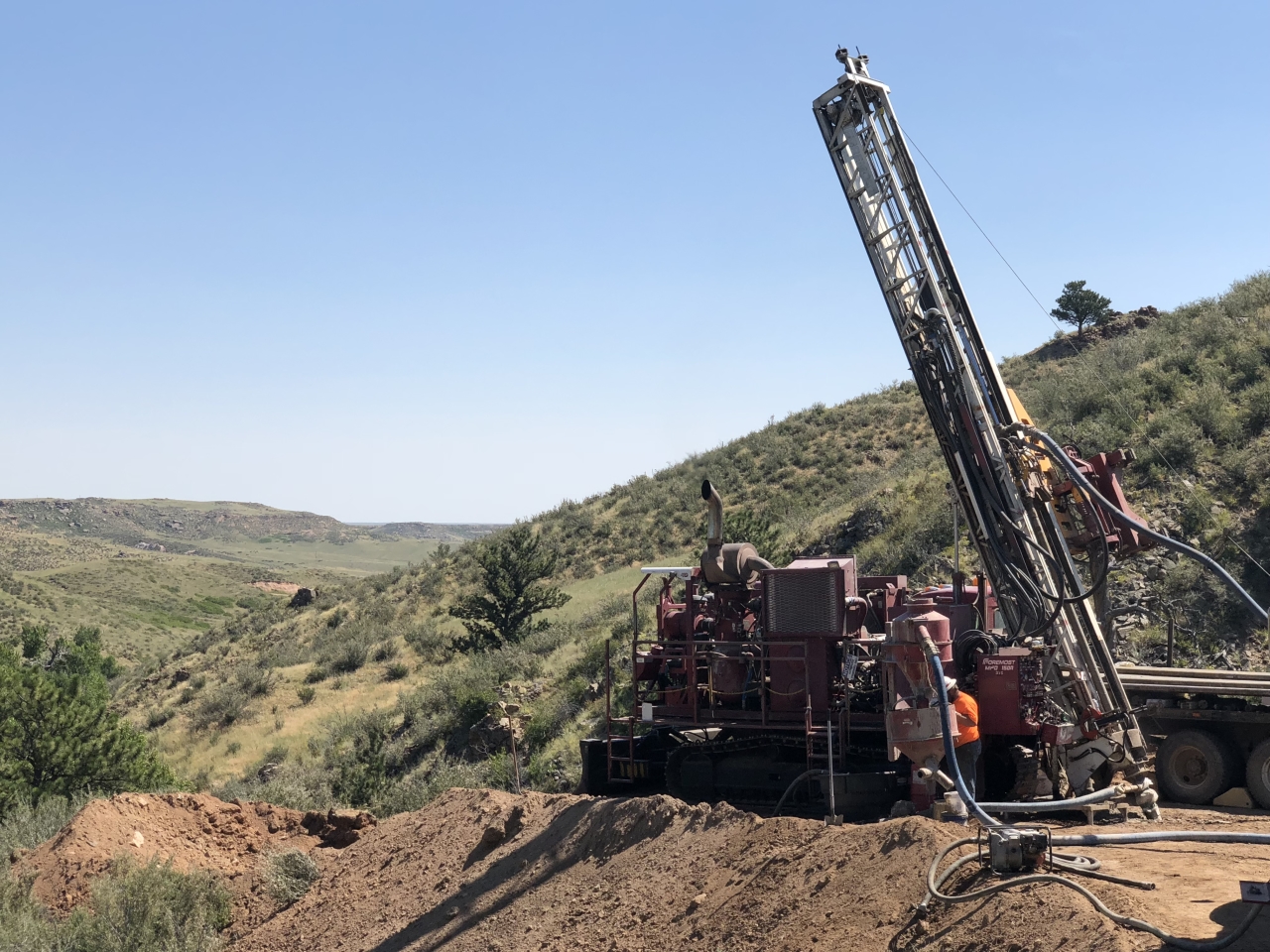
Drilling in 2024 around the Lac 50 Deposit area intersected mineralization in every hole and identified 3 new parallel trends, Lac 48, Lac 52, and Lac 54, with grades up to 5.85% uranium oxide. In 2025, the J4/Ray Zone expanded beyond the Exploration Target Model area with grades up to 1.47%, and Mushroom Lake intersected mineralization in its first drill test at depth, with grades up to 1.10%.
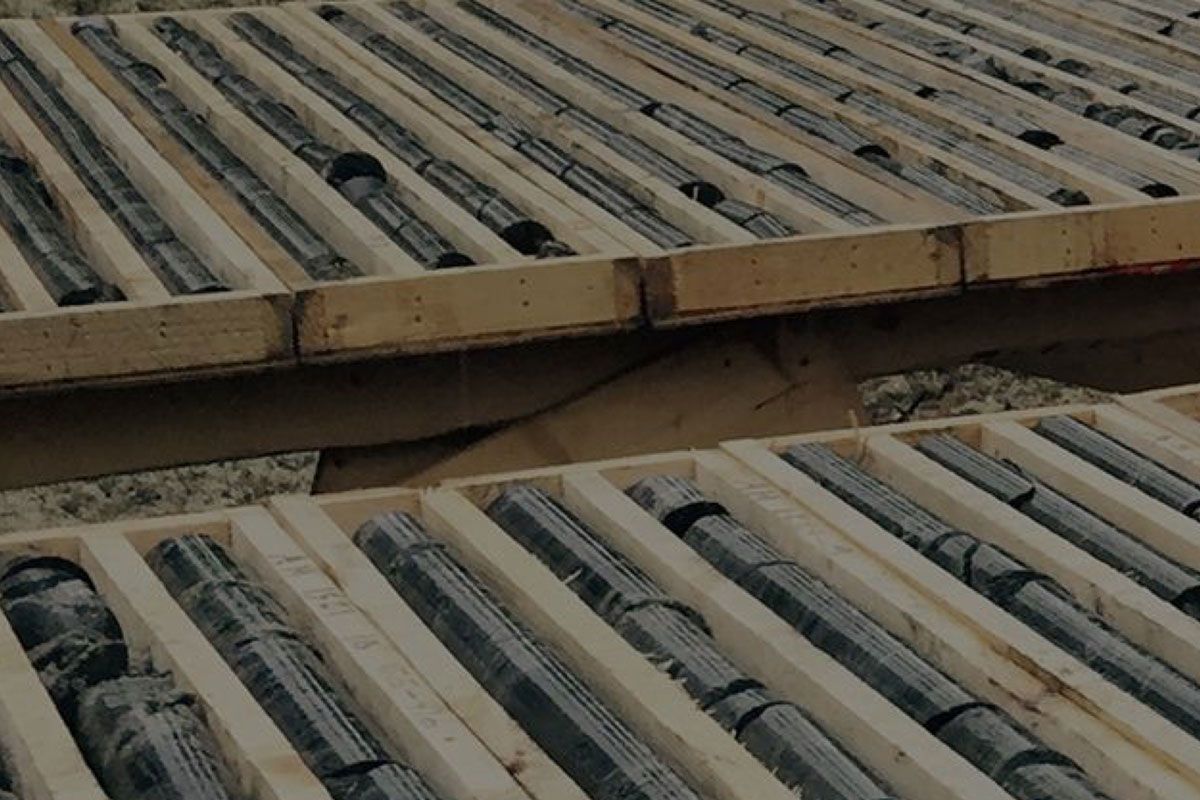
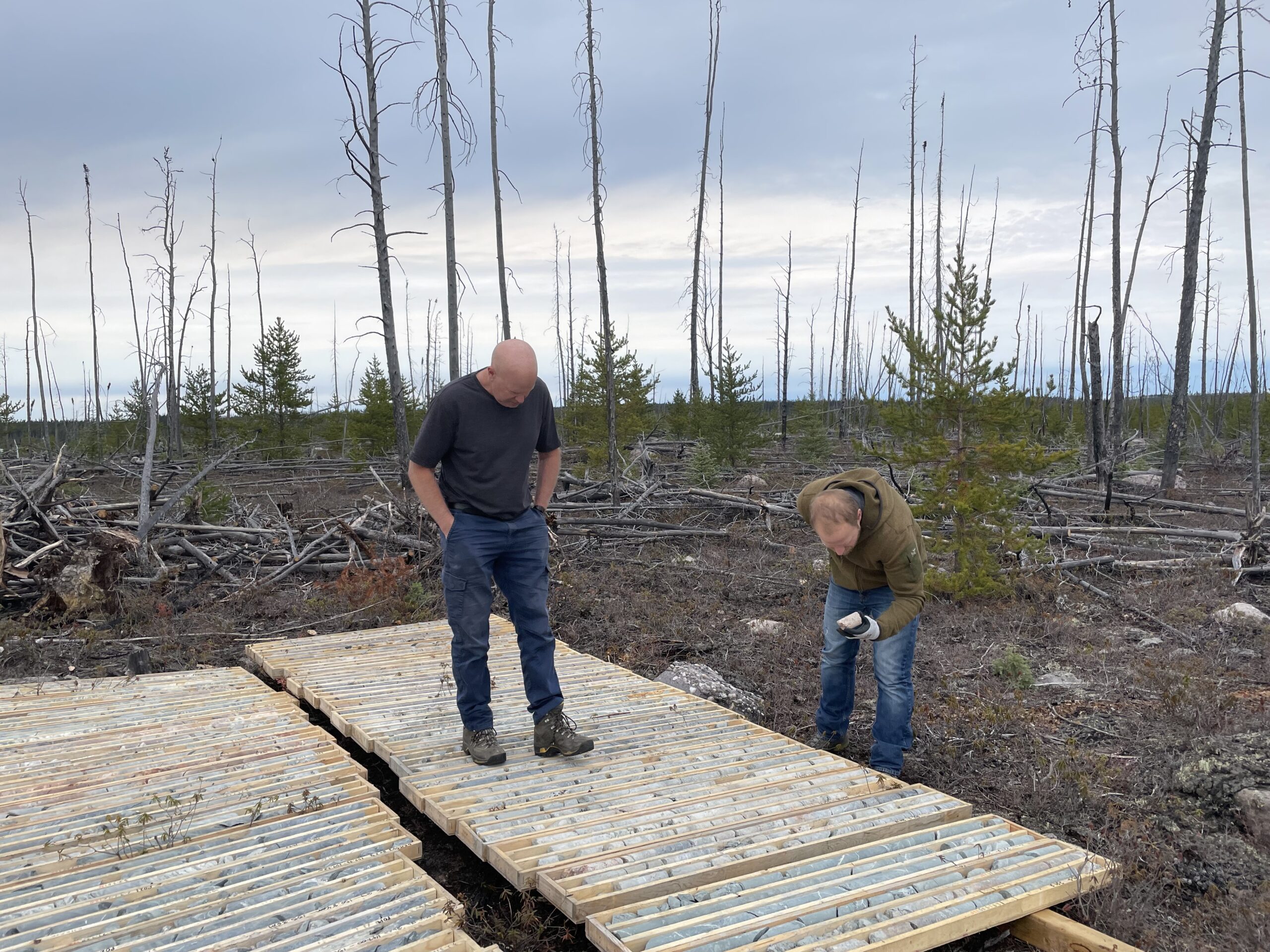
On the Mineralized RIB Corridor, drilling in 2026 outlined 3.4 kilometers (km) of continuous uranium mineralization in a single program, starting from a discovery made in 2025. Of the 23 diamond drill holes completed on that corridor, 21 intersected uranium mineralization. Those 2026 results are preliminary radioactivity readings taken in the drill hole with a gamma probe, a tool that measures natural radiation. Assay samples have gone to the laboratories of the Saskatchewan Research Council (SRC) in Saskatoon. Neither the target range nor the continuity length is a resource figure.
Delineation as the Route to a Countable Resource
ATHA's plan for Angilak moves from proving continuity to delineating it, and the second step is where resource growth enters the plan. Boisjoli lays out the order of the next 12 months:
"Where we see ourselves going over the next 12 months, continuity of mineralization then leads to delineation."
The delineation phase is planned for 2027, and 2026 drilling ran on 2 corridors. On the Mineralized RIB Corridor, 2025 drilling put 13 holes into a greenfield area, one with no earlier exploration work, over 14 km, and intersected uranium in every hole. Drill holes at RIB North are spaced 150 to 300 meters (m) apart. On the Lac 50 Deposit Corridor, a 2026 step-out hole 4 km from the Lac 50 Deposit area intersected 11.5 m of composite uranium mineralization, including 1.6 m of near-continuous high-grade. Those intervals are also gamma probe readings.
ATHA raised C$63 million in the first quarter of 2026 and set the raise up as a 24-month runway. No date or size for any resource is on record.
Broader Context
ATHA places its projects at the concept, exploration, and discovery stages of the Lassonde curve, the industry's chart of a mine's life from concept through depletion. The later stages, feasibility through depletion, are where its management's earlier resource-growth and mine-operating experience lies, at operations including Cigar Lake and McArthur River. Boisjoli was the chief geologist at a Cameco-operated mine and later led the development of a NexGen Energy project from maiden resource to feasibility. In Boisjoli’s words, Angilak has reached an early stage:
"You look at the scale of what we're doing at Angilak, and it is the early stages of an emerging uranium district in Canada."
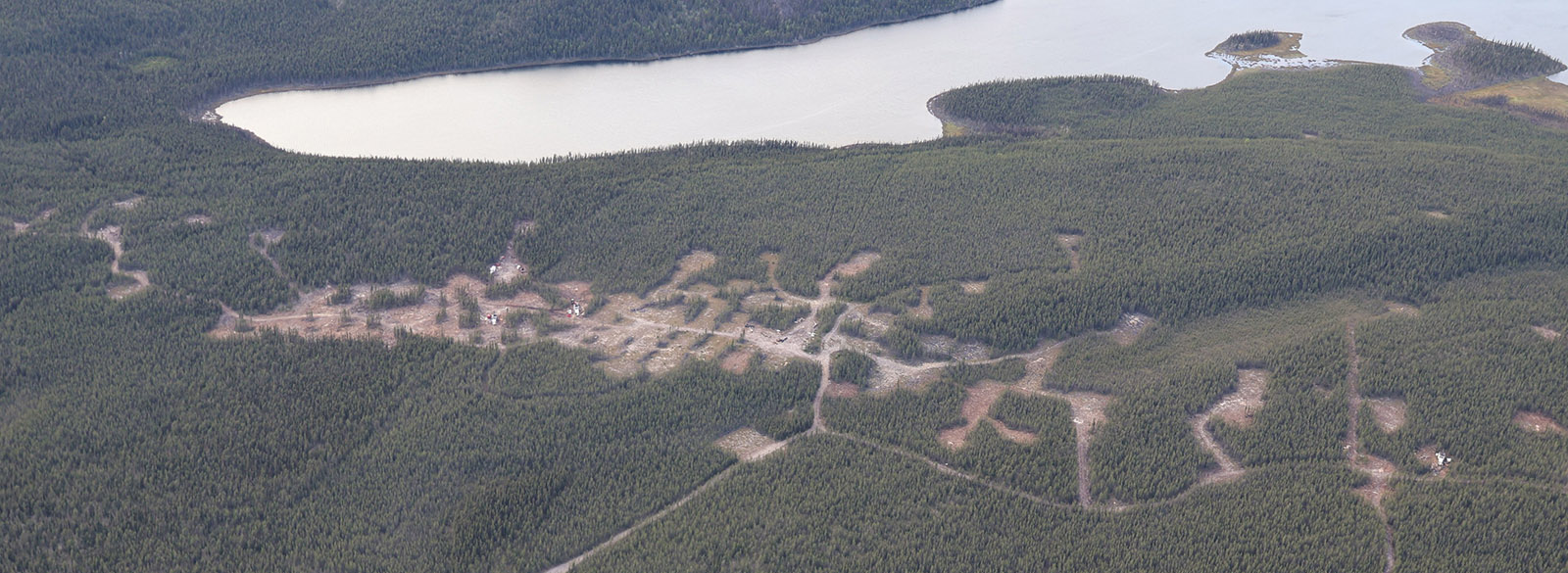
Nunavut already has a large defined uranium resource. Orano's Kiggavik deposit, among the largest uranium resources in Canada, contains 127 million lb at an average grade of 0.55%. Angikuni, the basin that hosts Angilak, is 100% owned by ATHA and has only recently been explored for uranium.
The Athabasca Basin in Saskatchewan, where IsoEnergy's resource lies, is home to the world's largest and highest-grade uranium deposits. It has produced over 900 million lb of uranium oxide and has known resources of 606,600 tonnes.
What to Watch Next
Laboratory assays from the 2026 Mineralized RIB Corridor holes are pending and will provide assay grades for intervals that were previously read only by gamma probe. As of October 7, 2026, ATHA also planned to release drilling results from the Lac 50 Deposit Corridor, including the Lac 50 NW Discovery area. That corridor runs 21 km, and about 24% of the Lac 50 Deposit Model has been tested to date.
The 2027 delineation phase follows those results.
A defined resource from the 2027 work would be the first Angilak figure that can stand beside IsoEnergy's 51 million lb in the comparison management draws.
FAQs (AI-Generated)
Analyst's Notes





Subscribe to Our Channel



Stay Informed