




5 Tests for Identifying Quality Junior Mining Companies Before a Re-Rate



Learn the five questions experienced investors use to identify quality junior mining companies before the broader market catches on.
- Bear markets often give the strongest junior mining companies the best chance to raise money because long-term shareholders keep investing while short-term buyers stay away.
- A company's share structure is more than the number of shares it has because it shows who owns the company and whether those shareholders are committed for the long term or planning to sell early.
- A management team that has successfully built and sold a mining company is often a better indicator of future performance than claims of shareholder alignment.
- Holding about 10 to 14 carefully chosen stocks gives the strongest performers a greater impact on a portfolio, while owning dozens of stocks reduces the benefit of even the biggest winners.
- Countries that were once attractive for mining can become less attractive as government policies change, making geographic diversification as important as company selection.
Bear Markets Create the Entry Point Before Junior Mining Re-Rates
Junior mining bear markets often follow the same pattern: companies release drill results with little impact on share prices, raising money becomes more difficult, and share prices can remain unchanged for years even when companies deliver the exploration or development goals they promised. Waiting for clear signs of recovery may feel safer, but it often means buying after much of the price increase has already happened.
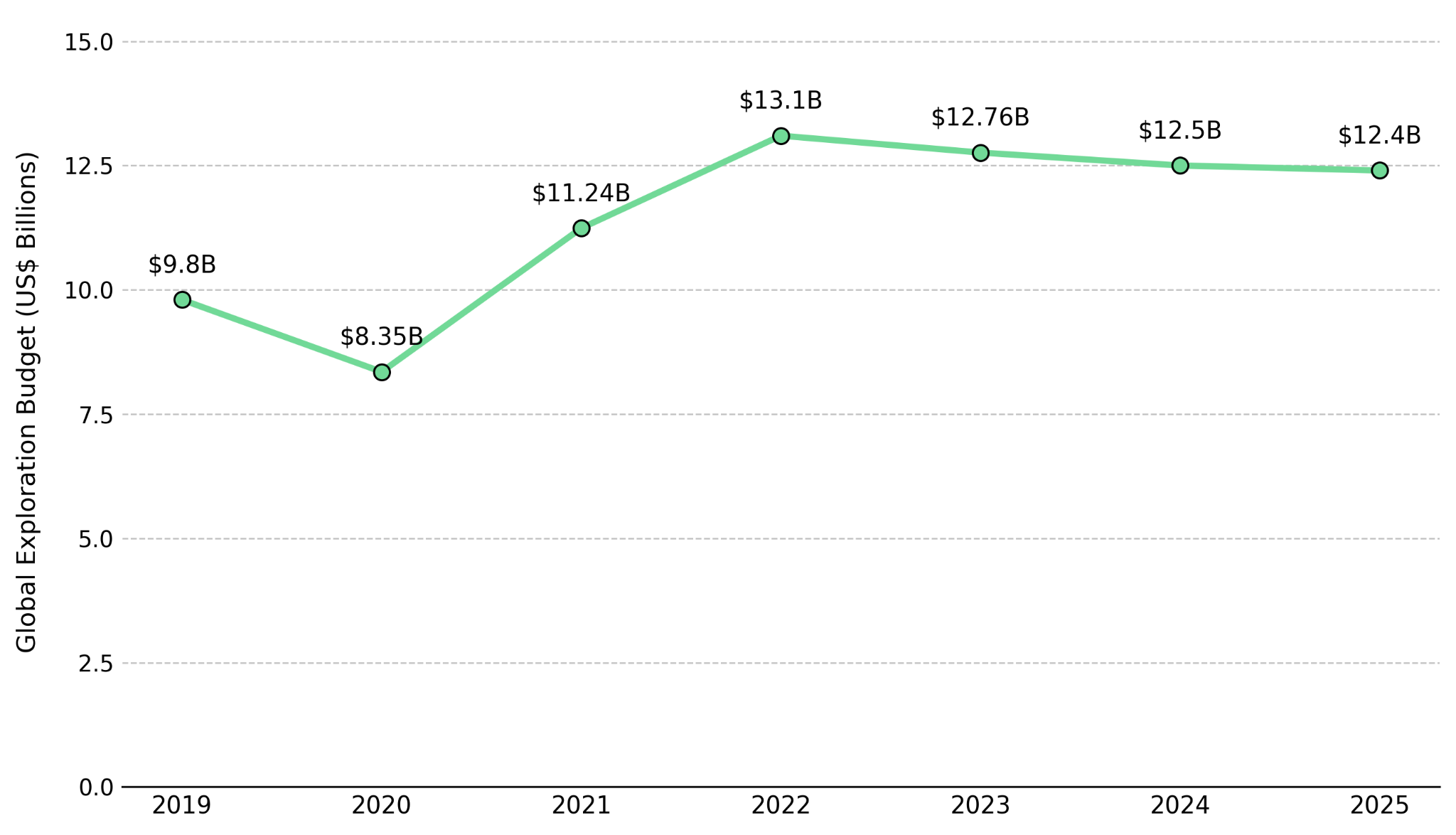
Experienced junior mining investors treat market fear as a buying opportunity rather than a reason to sell. They back management teams that use new funding to advance their projects and build positions before the broader market returns.
Why Management & Ownership Matter More Than Headlines
No matter what the market is doing, two things matter most: who runs the company and who owns it. A company's share structure is more than the number of shares it has. It shows whether the company is owned by management and long-term shareholders who support its growth, or by short-term investors looking to sell after a quick price increase. Some companies reinforce this by requiring new shareholders to hold their shares longer before selling, encouraging long-term ownership over short-term trading.
When evaluating management, prioritize teams that have successfully built and sold mining companies over those that have spent years running junior miners without delivering results. Management teams focused on building long-term value matter more than a large discovery or an optimistic press release because successful execution creates stronger companies over time.
Portfolio Size Matters as Much as Stock Selection
The same approach applies to portfolio size because holding about 10 to 14 carefully chosen mining stocks across different commodities gives each investment enough weight for a major discovery to make a meaningful difference. Owning too few stocks increases the risk that one failed exploration project hurts the portfolio, while owning too many reduces the impact of even the biggest winners. Holding more companies than you can realistically follow also makes it harder to spot important changes in a company's projects, management, or funding.
Geographic diversification is just as important as portfolio size because countries that were once attractive for mining can become less attractive as government policies change. Chile, Peru, and Argentina show how quickly investment conditions can change over time. A country's long-term mining history often provides a better guide than short-term headlines when deciding where to invest.
Overlooked Junior Miners Can Re-Rate Years Before the Market Catches Up
One example came in 2012, when Midas Gold raised funding for its Idaho gold-antimony project at about $0.30 per share as a bear market began. Over the next 12 years, the company changed its management, became Perpetua, and benefited from faster US permitting before its shares traded near $40 on a split-adjusted basis, showing that the biggest gains often come years after a company first secures funding.
A common saying in junior mining is that strong rallies can lift both good and bad companies, making it most important to evaluate management and ownership before the broader market returns. Revival Gold raised funding before interest in gold recovered and was led by an executive with a proven record of building successful mining companies before a major institutional investment renewed market confidence. Bravo Mining followed a similar path, raising funding at a roughly $50 million market value while its chief executive still owned about half the company and had already built and sold a successful miner. The company has since grown to an estimated market value of $400 million to $500 million.
Five Questions to Ask Before Investing in a Junior Mining Company
Buying unpopular junior mining companies is not enough because the sector is highly speculative and should make up only a small part of a portfolio. Before investing, ask the same questions every time:
- Who owns the company, and does management have enough of its own money invested to stay committed to its long-term success?
- Has this management team successfully built and sold a mining company before, or have they spent years running junior mining companies without building one?
- Would you still want to own this company if there were no major exploration discoveries over the next year?
- Does this investment diversify your portfolio across different mining countries, or does it put more of your portfolio at risk if one country's policies change?
- Is this investment large enough that one big winner could make a meaningful difference to your portfolio?
Junior mining will likely remain one of the market's most volatile and speculative sectors, making careful stock selection more important than trying to predict the next rally. Companies backed by experienced management, committed long-term shareholders, and projects that continue advancing through difficult markets are often the ones best positioned when sentiment eventually improves. The opportunity is not in buying every company that has fallen out of favor, but in recognizing which ones are still creating value while the rest of the market is looking the other way.
Analyst's Notes





Subscribe to Our Channel







Stay Informed






















