




Kasiya's $2.2 Billion DFS: The Case for Lowest-Cost Resilience Through the Cycle


Sovereign Metals' US$727M Kasiya DFS outlines a 25-year, low-cost rutile and graphite project designed for resilient cash flow through market cycles.
- US investors evaluating Sovereign Metals are prioritizing near-term cash flow and cost-quartile positioning over the definitive feasibility study's (DFS) headline return metrics, according to Chief Commercial Officer Sapan Ghai.
- Sovereign delivered a DFS for the Kasiya Rutile Graphite Project in Malawi earlier this year, 6 years after first identifying rutile, with technical input from Rio Tinto and offtaker product testing.
- The DFS was built on US$727 million in capital expenditure to first production, funding a 25-year operation with a 23% internal rate of return (IRR).
- Kasiya's free-dig ore body and phased development plan keep both capital intensity and power draw low, a cost structure Ghai argues will hold up through commodity and geopolitical cycles.
- Next steps include advancing rutile and graphite offtake discussions with Mitsui and Traxys toward binding agreements, as well as a technical-economic study of the project's heavy rare-earth by-product potential.
From Discovery to DFS in 6 Years
Sovereign Metals (ASX: SVM | AIM: SVML | OTCQX: SVMLF) moved from discovery to definitive feasibility study (DFS) for the Kasiya Rutile Graphite Project in 6 years, first identifying rutile on the ground in Malawi in 2019. Chief Commercial Officer Sapan Ghai traces that path through Rio Tinto's technical input, pilot mining and rehabilitation data, and product testing by commodity houses including Mitsui and Toho Titanium.
The DFS confirmed capital expenditure to first production of US$727 million, funding a 25-year operation at a 23% internal rate of return (IRR). Both rutile and graphite are designated critical minerals by the United States and the European Union. Once the second processing plant comes online in year 5, Kasiya is set to become the largest global producer of both, including China.
A Cost Structure Built for Cyclicality
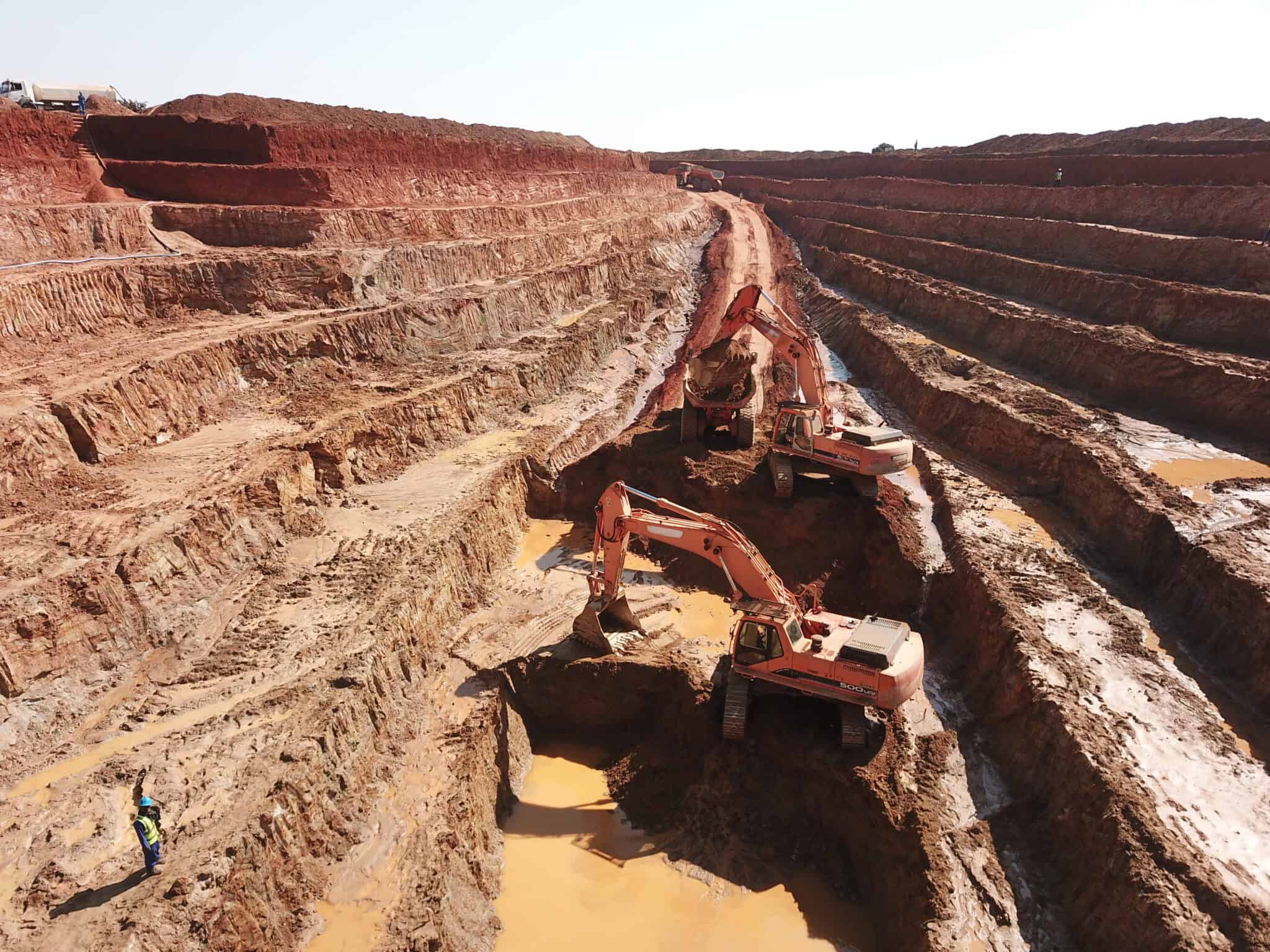
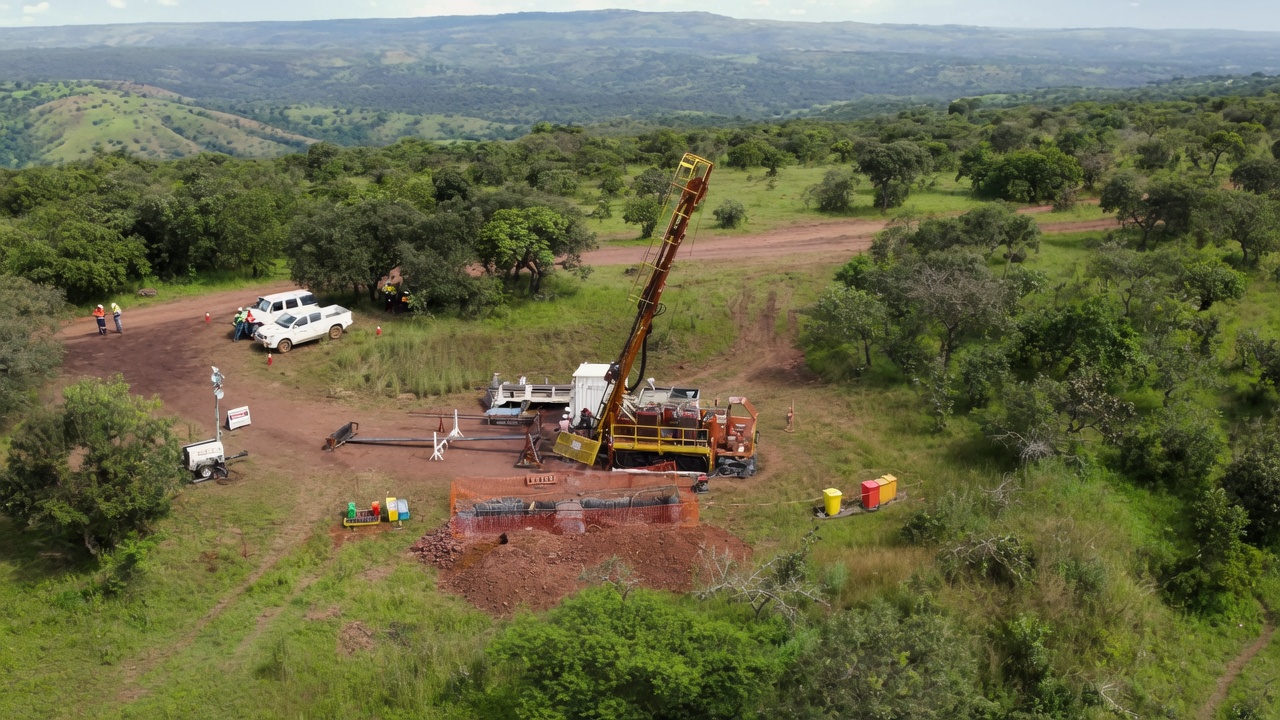
Kasiya's free-dig ore body requires no drilling, blasting, or milling, and the mine plan is phased: 12 million tonnes per annum from a single plant in the south for the first 4 years, doubling to 24 million tonnes per annum once a second plant comes online. Power draw is correspondingly light, at 30 megawatts initially and 60 megawatts at full output, against a Malawian grid that the World Bank, Total, and EDF are already expanding.
Ghai put it directly:
"Whatever happens in the commodities world, whatever happens in terms of geopolitics, and we've seen that play out in the oil space recently, and in the gold space, and in the sulfuric acid space, and all these wonderful spaces, ultimately we will be the last man standing."
The claim is untested in a downturn and is management's framing of the cost advantage, not a modeled outcome.
What US Investors Are Actually Asking For
Ghai said investors he has met with in New York are asking different questions than the DFS answers. He relayed how those conversations have gone:
"I don't care what the NPV and the IRR are saying or what they'll say in the DFS. Tell me, are you going to have cash flow? Are you going to be producing this? And are you going to be in the lowest quartile? Because we know that someone's going to be out there wanting your product."
That framing aligns with the supply gap Kasiya aims to close. The United States currently produces no titanium sponge domestically and is entirely import-reliant, with titanium used extensively in defense platforms including the F-35B Lightning II. Ghai said Sovereign is in active dialogue with US agencies including the State Department, the Department of Defense, the Office of Strategic Capital, and the US Development Finance Corporation as it positions Kasiya as a non-Chinese source of titanium feedstock.
What Comes Next
Sovereign's near-term priorities remain unchanged from its June 2026 quarterly report: advancing the non-binding rutile and graphite offtake arrangements with Mitsui and Traxys toward binding agreements, and completing a technical-economic study into the heavy rare earth by-product identified in the project's tailings stream, which sits outside the DFS's base-case valuation. Whether the cost-curve advantage translates into financing and offtake commitments, rather than just resilient positioning on paper, will determine the project's next re-rating.
FAQs (AI-Generated)
Analyst's Notes





Subscribe to Our Channel




Stay Informed


