Why Atomic Eagle Is Prioritising Scale Before Development


Atomic Eagle prioritises resource growth over development at Muntanga, aiming to enhance project economics despite securing key permits and becoming development-ready.
- Atomic Eagle has secured both key permits, Environmental and Social Impact Assessment (ESIA) and Resettlement Action Plan (RAP) approval, for its Muntanga Uranium Project in Zambia, making the asset development-ready.
- Despite this milestone, the company's stated priority for 2026 remains resource growth over a construction decision.
- The Muntanga resource has grown 24% to 58.8 million pounds of uranium oxide following the company's maiden drill program.
- The 2025 Feasibility Study did not incorporate 44% of the current resource base.
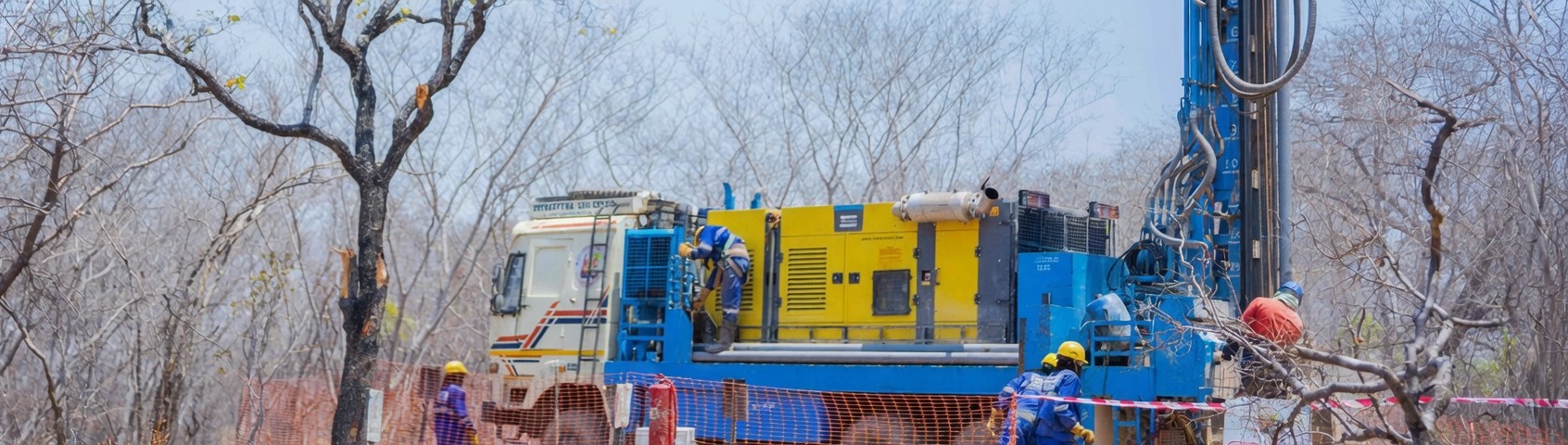
- A 30,000-meter drilling campaign, the largest at Muntanga in 18 years, is underway alongside a binding option to acquire the nearby Sitwe uranium project.
Permits Cleared, Priorities Unchanged
Muntanga is now permit-ready for construction, yet Atomic Eagle (ASX: AEU | OTCQX: AEUXF) has confirmed no change to its development timeline. On June 24, 2026, the company announced it had received Environmental and Social Impact Assessment (ESIA) approval from the Zambia Environmental Management Agency (ZEMA) and a “No Objection” approval of its Resettlement Action Plan (RAP) from the Office of the Vice President, Resettlement Division. Together, the two approvals clear the environmental and social permitting required ahead of any construction decision.
The ESIA, submitted to ZEMA on September 22, 2025, was approved on June 4, 2026, and is valid for 3 years. The RAP, benchmarked against International Finance Corporation (IFC) Performance Standard 5, covers relocation and compensation for 175 Project Affected Households, comprising 771 individuals, and remains valid for 18 months. The company also noted Zambia ranks 3rd in Africa for investment attractiveness and policy perception in the Fraser Institute Survey.
The company is explicit that there is no change to project sequencing, with resource growth and scale expansion still coming before development. Chief Executive Officer Phil Hoskins framed the approvals as de-risking rather than a trigger for construction:
“Whilst we are pleased to have cleared these permitting milestones, our focus remains on growing the resource base to support a larger, more valuable operation at Muntanga.”
Resource Growth Outpaces the Old Study
The resource base has already expanded materially in 2026. The current Mineral Resource Estimate for Muntanga totals 58.8 million pounds of uranium oxide at 309 parts per million (ppm), split between 40.0 million pounds at 359 ppm Measured and Indicated and 18.8 million pounds at 238 ppm Inferred, a 24% increase from the company's maiden drill program.
44% of that resource was not incorporated into the project's prior Feasibility Study, which modelled a 12-year open-pit heap-leach operation processing only the Muntanga and Dibbwi East deposits. That study returned a post-tax net present value at an 8% discount rate (NPV8%) of US$243 million, an internal rate of return (IRR) of 20.8%, a payback period of 3.5 years, and average annual production of 2.2 million pounds, against a pre-production capital cost of US$282 million and operating costs of US$32.20 per pound. None of these figures reflect the larger, current resource base.
Hoskins linked this to the company's plan to increase the resource base ahead of any development decision.
“By doing that with the really low capital intensity that heap leach projects exhibit, and Bannerman is the typical example of that, more than twice the size of our project and only 20% higher capital, that's when the economics of the project will excel.”
For investors, this is the core of the strategy: growing the resource before committing capital, so that the eventual construction decision is made on a larger, more valuable project rather than the smaller configuration already studied.
Drilling the Gap to 100 Million Pounds
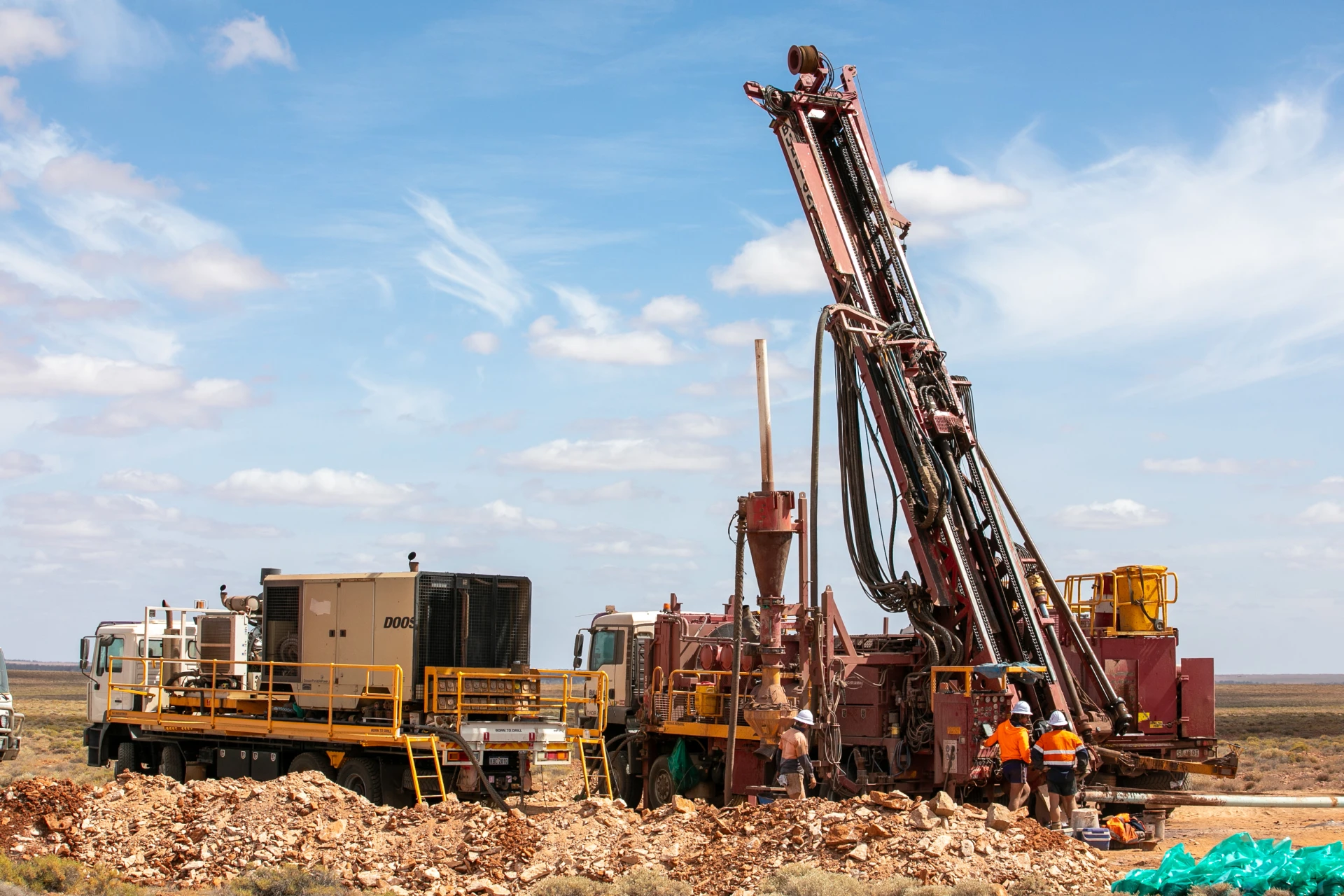
The company's exploration program, the largest at Muntanga in 18 years, is targeting the gap between the current resource and an Exploration Target of 40 to 100 million pounds of uranium oxide. At Chisebuka, an initial 13 holes were followed by a further 29, bringing total drilling in the program to 42 holes across 4,209 meters, testing ground beyond the boundaries of the existing 9.7 million-pound resource. Results extended the northern higher-grade zone to 900 by 600 meters, expanded the previously identified south-west zone to 830 by 400 meters, and confirmed continuity of mineralisation between the south-west zone and the previously defined resource area. A reverse-circulation (RC) drill program of 12 holes is planned to follow in the higher-grade zones, with diamond drilling targeted for the Fourth Quarter of 2026 to support metallurgical test work.
Hoskins said the results reinforce the project's growth potential:
“Subject to further studies, Chisebuka is demonstrating the potential to be a major contributor towards the Company's target of a larger-scale mine.”
Elsewhere on the tenement, 2 drill rigs have been moved to begin the maiden drill program at Muntanga North, roughly 15 kilometres north of the main resource area, where ground radiometric surveys have covered 6 of 8 target areas. Access clearance at Namakande is complete, and drill testing is expected in the Third Quarter of 2026, following completion of ground radiometric surveys. The company's 1,136-square-kilometre land package, spanning 4 mining licences and 2 exploration licences over a 146-kilometre strike length, has seen limited historical exploration investment over the past 15 years.
Sitwe & the Wider Portfolio
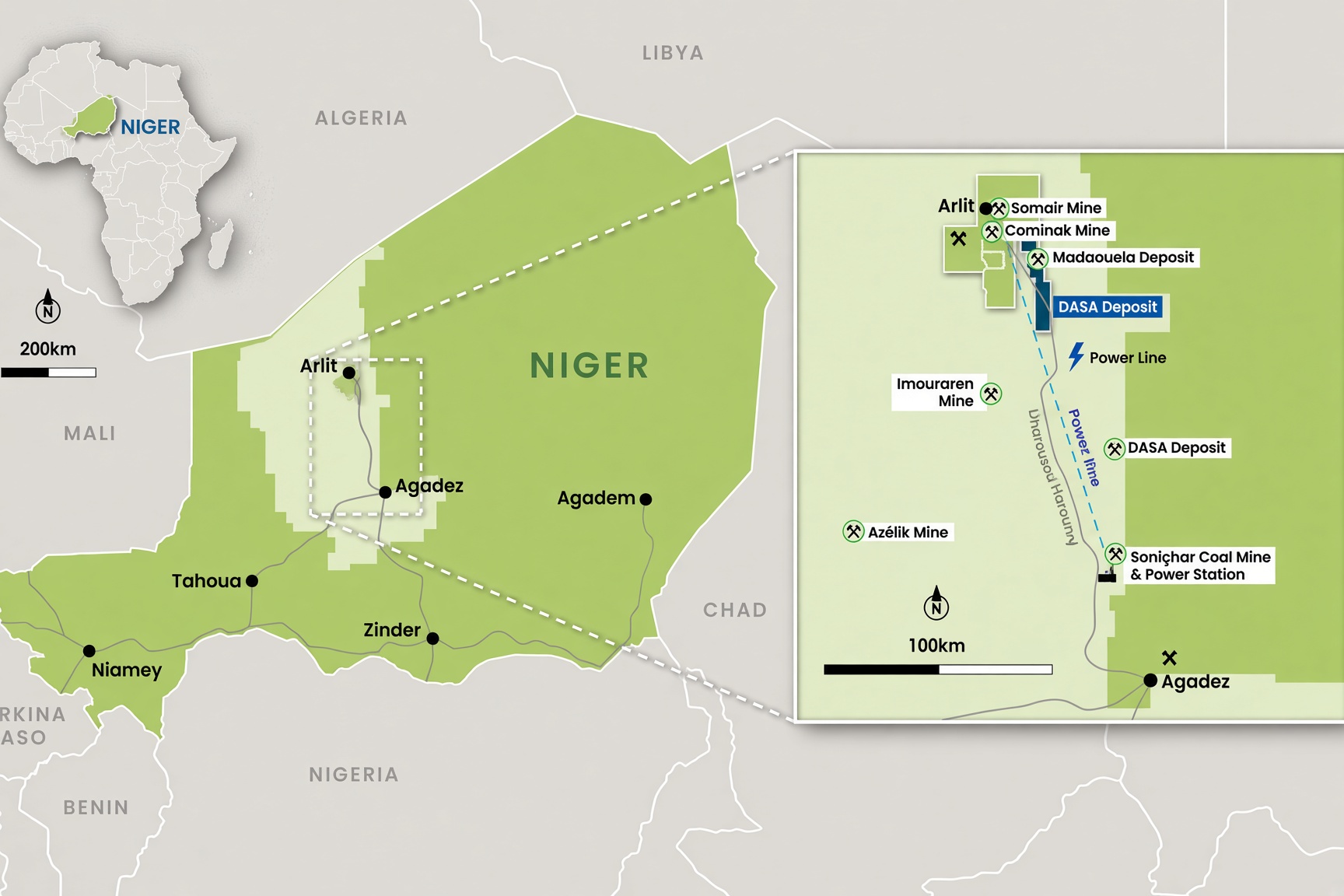
Atomic Eagle has entered a binding option agreement to acquire 100% of the Sitwe uranium project in northeastern Zambia, adding a portfolio asset in a different structural setting to the north. Management described Sitwe as ground the company's Zambian geological team has tracked for years, noting the historical drilling there points to a resource that could be defined with a modest amount of further work. The company also retains upside exposure to the Madaouela project in Niger, previously developed by GoviEx Uranium. Madaouela's permits were withdrawn by the Niger government in 2024, and the company is pursuing arbitration and negotiations to resolve the dispute, noting that this asset's potential is separate from the current investment case, which is built on Zambia.
Infrastructure remains a supporting factor, with sealed road access connecting the site toward Lusaka and on to Namibia's Walvis Bay port, an established export route for regional producers.
Taken together, the ESIA and RAP approvals remove a major source of permitting risk without shifting the company's timeline. The priority for the rest of 2026 remains resource growth, with metallurgical test work and study updates targeted for 2027, keeping the development decision downstream of a larger project configuration.
FAQs (AI-Generated)
Analyst's Notes





Subscribe to Our Channel



Stay Informed