




Brazil's Lithium Valley Consolidates as Juniors Trade Ground for Construction Capital


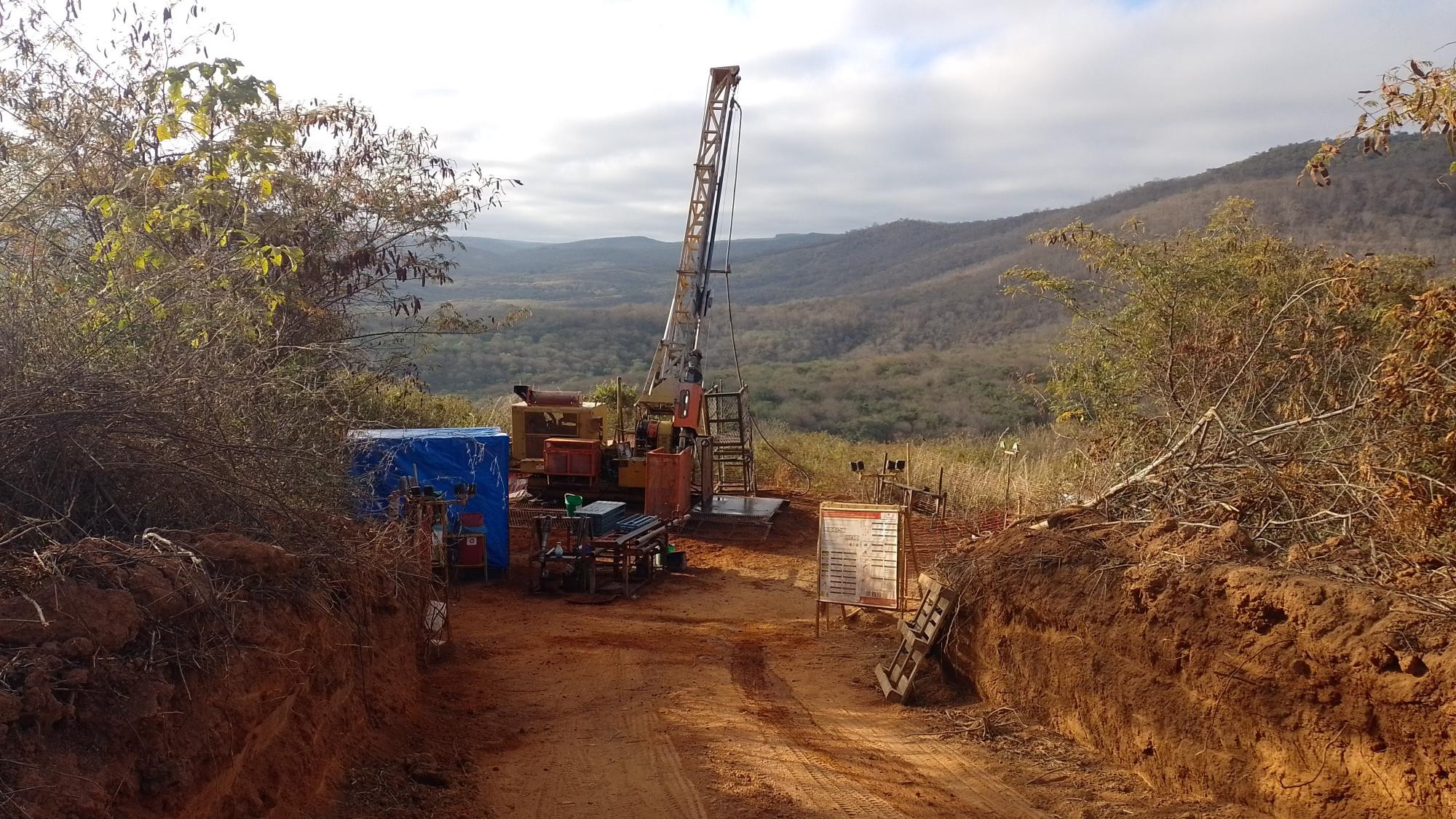
Brazil's Lithium Valley is consolidating as juniors sell non-core ground to fund development, with Lithium Ionic's Baixa Grande deal showing the model.
- Pilbara Minerals' US$370 million all-share acquisition of Latin Resources in February 2025 and Lithium Ionic's US$37.5 million sale of its Baixa Grande deposit to PLS Group Limited in August 2026 have brought Brazil's Salinas lithium ground under a single owner within 18 months.
- The Baixa Grande sale delivers Lithium Ionic non-dilutive capital for its Bandeira project while retaining a 2.0% royalty on future spodumene sales from the deposit, illustrating a divest-to-fund model that could become a template for other district juniors seeking construction capital without new equity.
- Minas Gerais' Lithium Valley district already hosts 2 producers, CBL's Cachoeira mine and Sigma Lithium Corp.'s Grota do Cirilo project, giving newer entrants a regional proof of concept ahead of their own construction decisions.
- Lithium Ionic retains its Outro Lado deposit, additional Itinga-area ground, and undrilled regional soil anomalies, preserving exploration optionality on the buy side once Bandeira reaches production.
- Brazil's July 2022 unrestricted-trade decree and the state-led Lithium Valley Brazil initiative, launched in May 2023, permit unrestricted global sales of lithium products and streamline permitting in Minas Gerais.
A Maturing District Forces a Choice: Build or Sell
Build or sell. That is the choice a maturing mineral district poses to every junior still holding ground once its economics become provable. As a district shifts from exploration frontier to production zone, land concentrates: a producer with the balance sheet to build absorbs ground faster than a junior can raise the capital to do it alone. That choice is playing out now in Brazil's Lithium Valley, in Minas Gerais state.
Two deals within 18 months show it. In February 2025, Pilbara Minerals Limited (now PLS Group Limited) acquired Latin Resources Limited for US$370 million and took control of the adjacent Colina Project. In August 2026, Lithium Ionic Corp. (TSXV: LTH | OTC: LTHCF | FSE: H3N) agreed to sell Baixa Grande to that same buyer for up to US$37.5 million, consolidating Salinas under one owner. Together, the deals mark a shift in how district juniors fund development: sell non-core ground to producers who can build it, rather than dilute shareholders to hold it.
A junior that proves a resource, sells it to a producer needing feed, and redirects the proceeds into its own flagship keeps its balance sheet intact and a slice of the upside alive through a retained royalty. Lithium Ionic is running that sequence now, a template other district juniors are likely to test as more lithium regions mature into production corridors.
Brazil's Lithium Valley: From Historic Ground to Global District
Minas Gerais, Brazil's third-largest state economy with more than 300 mines across commodities, has historically been recognized for lithium mineralization but only re-emerged as a globally significant hard-rock district in the past several years. Informally branded Brazil's 'Lithium Valley,' it pairs outcropping pegmatite mineralization with existing hydroelectric power, paved roads, and port access at Vitória and Ilhéus, infrastructure that lowers the greenfield spend required to bring a project into production.
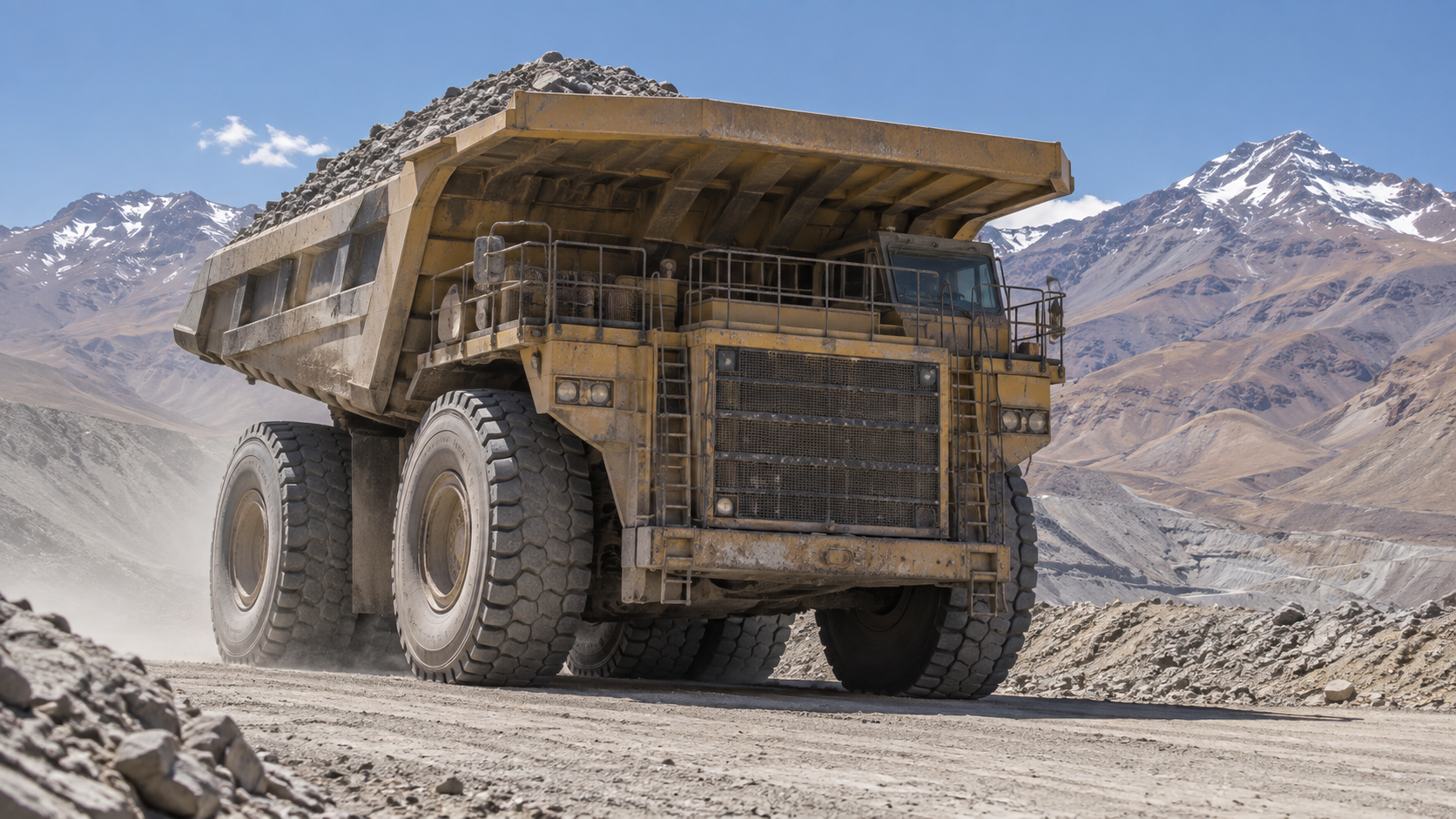
Two operations already produce there: CBL's Cachoeira mine, running since 1991, and Sigma Lithium Corp.'s Grota do Cirilo project, since April 2023. Both use dense media separation, the same low-chemical, gravity-based method proposed for most of the district's newer projects, including Bandeira, giving newer entrants an operating cost and metallurgical benchmark within the district itself.
Government policy sits atop that geology. Brazil issued a presidential decree in July 2022 permitting the unrestricted trade in lithium-containing products, letting any owner of Lithium Valley ground sell into whichever market offers the best terms rather than being tied to one buyer bloc, and Minas Gerais, in partnership with municipal agencies, launched the Lithium Valley Brazil initiative in May 2023 to streamline permitting processes. That combination of established producers and supportive policy drew in a major Australian producer.
Two Deals, One Pattern: PLS Group Buys, Lithium Ionic Sells
PLS Group Limited's entry is the clearest evidence of consolidation so far. Their acquisition of Latin Resources carried a 32% premium to Latin's 30-day volume-weighted average price and a 67% premium to its last closing price, according to Lithium Ionic's corporate presentation. The deal put the Colina Project, a 70.9 million-tonne resource grading 1.25% lithium oxide, directly adjacent to Baixa Grande, under the ownership of one of the world's largest hard-rock lithium producers.
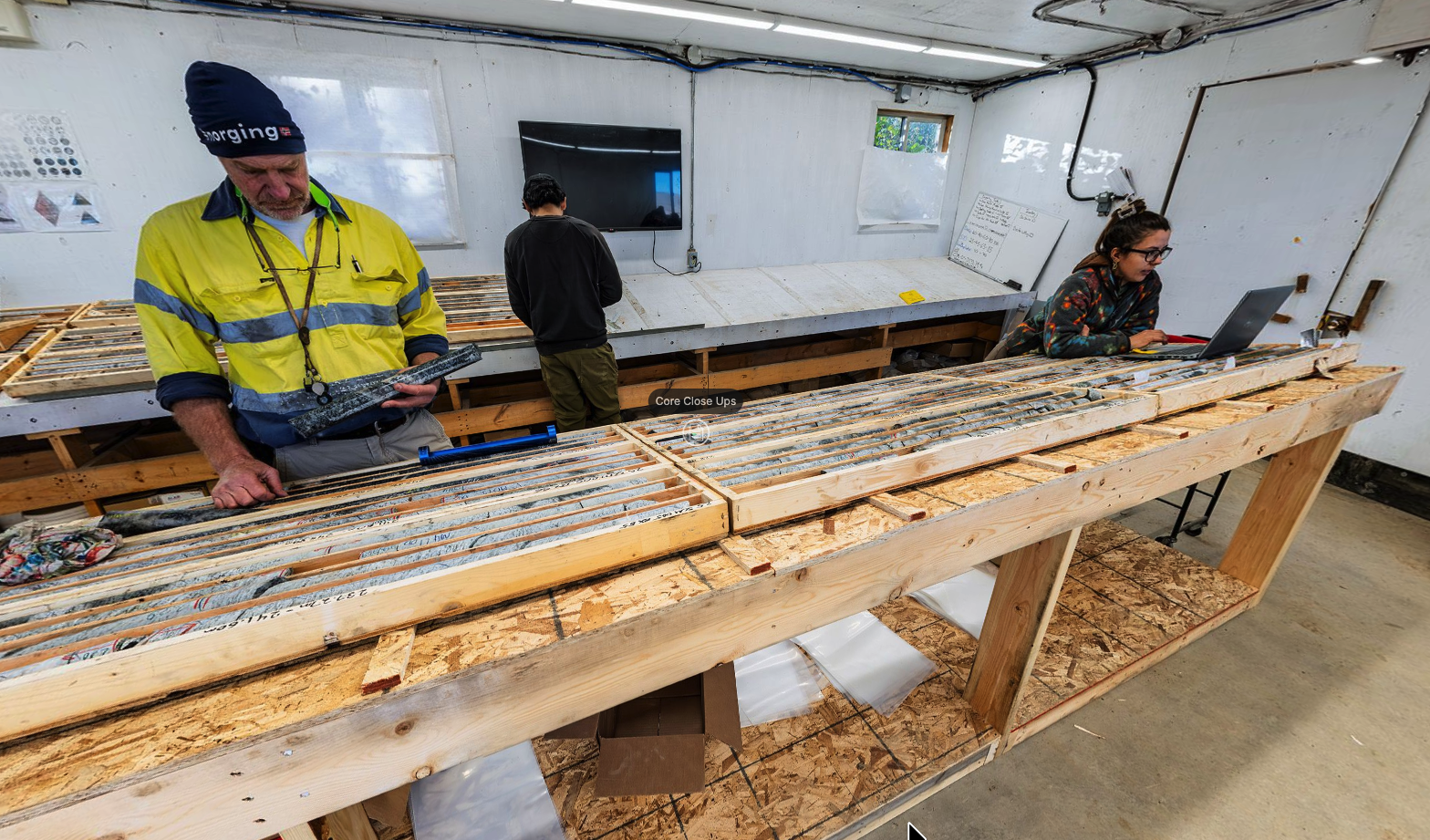
Lithium Ionic's own transaction followed the same logic in reverse. The company entered Salinas in March 2023 and, by December 2024, had defined a resource at Baixa Grande substantial enough to attract acquisition interest, once PLS Group Limited's adjacent Colina holding created a natural buyer. The August 2026 agreement sells Baixa Grande for US$37.5 million in cash, split between US$30.0 million at closing and US$7.5 million payable on the earlier of a positive final investment decision (FID) for the Colina Project or December 31, 2029, while retaining a 2.0% royalty on future spodumene sales from the property. Its release calls the proceeds non-dilutive capital for Bandeira.
Chief Executive Officer and Director of Lithium Ionic, Blake Hylands, on the sale:
"Salinas demonstrates the value our team creates through disciplined exploration. We entered the district in early 2023 and, in under 2 years, advanced it from first drill holes to a spodumene mineral resource. This Transaction crystallizes that value for shareholders without dilution, at a constructive point in the lithium cycle, and the Royalty keeps shareholders exposed to Baixa Grande's potential future development under PLS, one of the largest hard-rock lithium operators in the world. "
What the Divest-to-Fund Model Doesn't Solve
Selling non-core ground has a cost. It trades away long-dated optionality, expansion potential, and further discoveries along the same trend, for a fixed sum plus a royalty that only pays if the buyer eventually produces. Lithium Ionic's royalty on Baixa Grande generates nothing unless PLS Group Limited moves the deposit into production.
The model depends on timing and proximity too. Lithium Ionic could sell Baixa Grande at roughly 8 times its original acquisition cost because a natural buyer with adjacent ground was already in place. Without one nearby, a junior's negotiating position weakens fast.
Consolidation narrows the field too. As producers such as PLS Group Limited accumulate contiguous ground, the pool of undeveloped, un-optioned district land shrinks. Entry costs rise for the next wave of explorers, even as the already-consolidated assets are de-risked.
Lithium Ionic: Seller Today, Consolidator Later
Lithium Ionic's own position captures both sides of the cycle. Today it is a seller, using the Baixa Grande proceeds to fund Bandeira's remaining engineering, procurement, and construction-readiness spending without new equity, a transaction its own news release calls the company's transition from multi-asset explorer to focused lithium developer. Management has also signaled it will return to the acquisition side once Bandeira is built and market conditions allow further drilling.
Hylands, on the district's next chapter:
“Companies like ourselves that are going to be looking for consolidation opportunities, when the market's there to do some additional drilling and find additional assets, we're going to do that."
Lithium Ionic still holds its Outro Lado deposit and additional Itinga-area ground beyond Bandeira, plus untested regional soil anomalies it has identified but not yet drilled. The Baixa Grande sale removed the company's most saleable non-core asset while leaving that ground intact, preserving optionality on the buy side once Bandeira reaches production.
The Next Round of Consolidation
The district's next phase will likely follow the same demand backdrop management across the sector points to: continued electric vehicle uptake alongside newer lithium demand from artificial intelligence-linked battery storage and, further out, robotics. If that demand materializes at the scale industry participants expect, the economics behind both 2026 deals, a premium for proven, permit-advanced ground in a producing jurisdiction, should hold.
For Lithium Ionic, the near-term outlook is a single-asset build: Bandeira, funded in part by Baixa Grande, moving toward a construction decision. The longer-term outlook, on management's own account, is different: a return to the acquisition side of the district's consolidation cycle, using the Baixa Grande return as a template rather than a one-off. Whether that second act arrives depends on choices outside Lithium Ionic's control: whether other Lithium Valley juniors follow the same divest-to-fund path, and whether producers such as PLS Group Limited continue to find more value in buying proven ground than in drilling for their own discoveries.
FAQs (AI-Generated)
Analyst's Notes





Subscribe to Our Channel



Stay Informed


