




Brent Nears $90 as Hormuz Talks Stall: What It Means for Mining Operations


Brent nears $90 as Hormuz talks stall, raising fuel costs for mining operations amid tight US distillate inventories.
- Brent rose 5% in two days to around $88/bbl, nearly 25% above early-July lows, as US-Iran talks stalled over reopening the Strait of Hormuz.
- West Texas Intermediate (WTI) reached $84.36/bbl and Brent $89.94/bbl, up 2.7% and 2.53%, respectively.
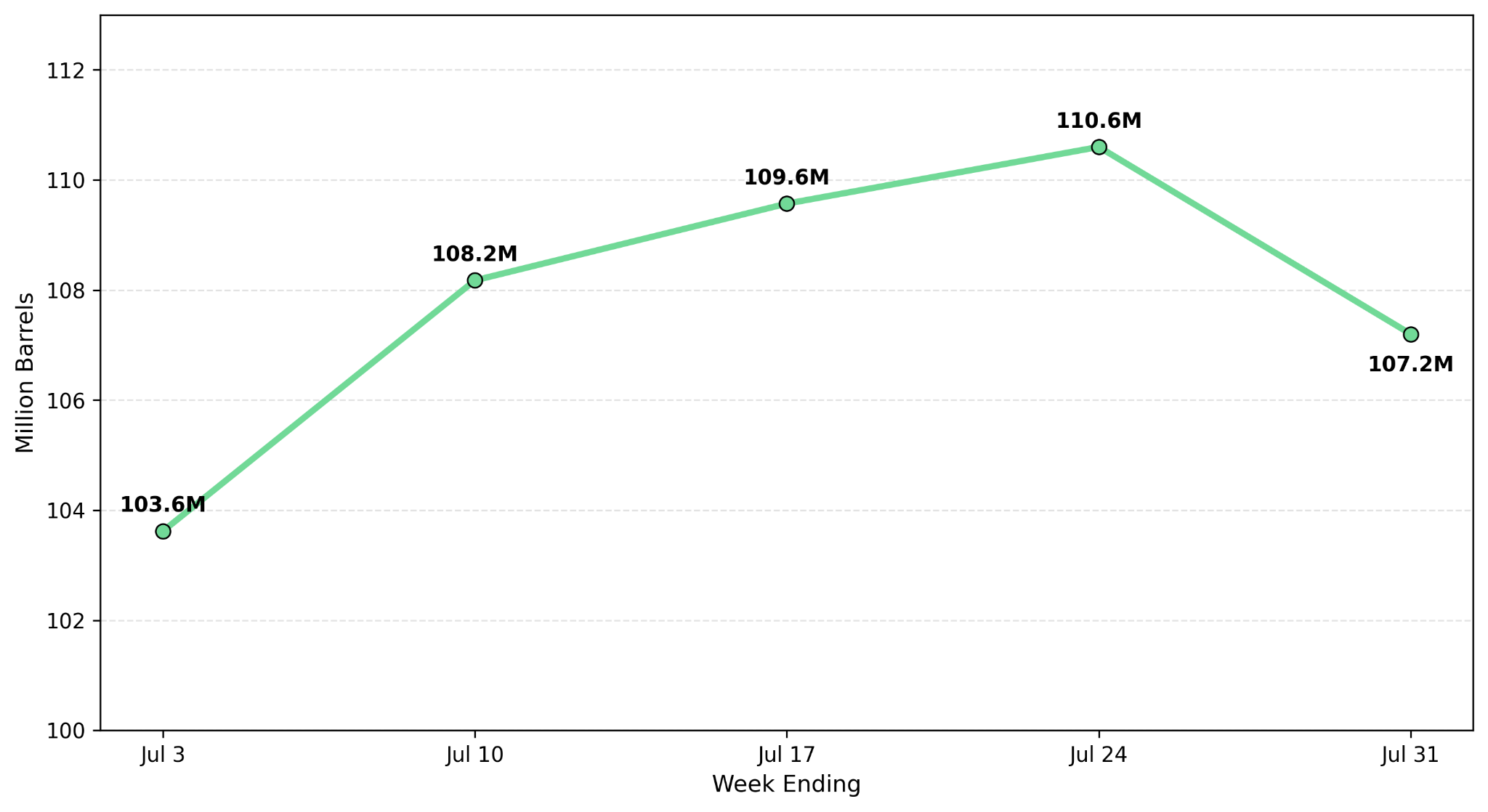
- US distillate inventories fell 3.5 million barrels to 107.2 million barrels, while commercial crude inventories excluding the Strategic Petroleum Reserve (SPR) rose 2.5 million barrels to 407.0 million barrels.
- US refineries operated at 96.5% of capacity, processing 17.153 million b/d of crude, while distillate product supplied reached 3.941 million b/d.
- Brent's $75-$95/bbl range provides a benchmark for testing how higher oil prices affect mining costs while the Hormuz standoff continues.
$88 Brent & Stalled Hormuz Talks Keep Oil Risk Elevated
Brent crude futures rose 5% over two days to around $88/bbl, nearly 25% above early-July lows, as US-Iran talks stalled over reopening the Strait of Hormuz. IG market analyst Tony Sycamore placed Brent's potential range at $75-$95/bbl, giving the market a defined range while the standoff continues.
WTI reached $84.36/bbl and Brent $89.94/bbl, up 2.7% and 2.53%, respectively. The price increase raises petroleum-product costs that feed into mining operating expenses.
107.2M Distillate Barrels & 96.5% Refinery Use Limit the Supply Cushion
US distillate inventories fell 3.5 million barrels to 107.2 million barrels, 5.8 million barrels below a year earlier and 12% below the five-year average. Commercial crude inventories excluding the SPR rose 2.5 million barrels to 407.0 million barrels, contrasting with the decline in distillate stocks.
US refineries operated at 96.5% of capacity and processed 17.153 million b/d of crude, while distillate product supplied reached 3.941 million b/d, above the 3.585 million b/d four-week average. Refinery activity and distillate supply determine how crude-price changes reach refined-fuel costs.
20.970M b/d Petroleum Supply & 13.804M b/d Crude Production Keep US Flows Moving
Distillate inventories fell from 110.6 million to 107.2 million barrels, while distillate product supplied reached 3.941 million b/d. The combination makes the refined-fuel balance a key variable to monitor as Brent remains elevated.
US petroleum products supplied reached 20.970 million b/d, up from 20.122 million b/d a year earlier, while domestic crude production was 13.804 million b/d, up 3.8%. US crude exports reached 3.685 million b/d and petroleum-product exports 7.877 million b/d, indicating that US crude and refined products continue to flow into global markets.
12% Lower Distillate Stocks Increase Pressure on Open-Pit Mining Costs
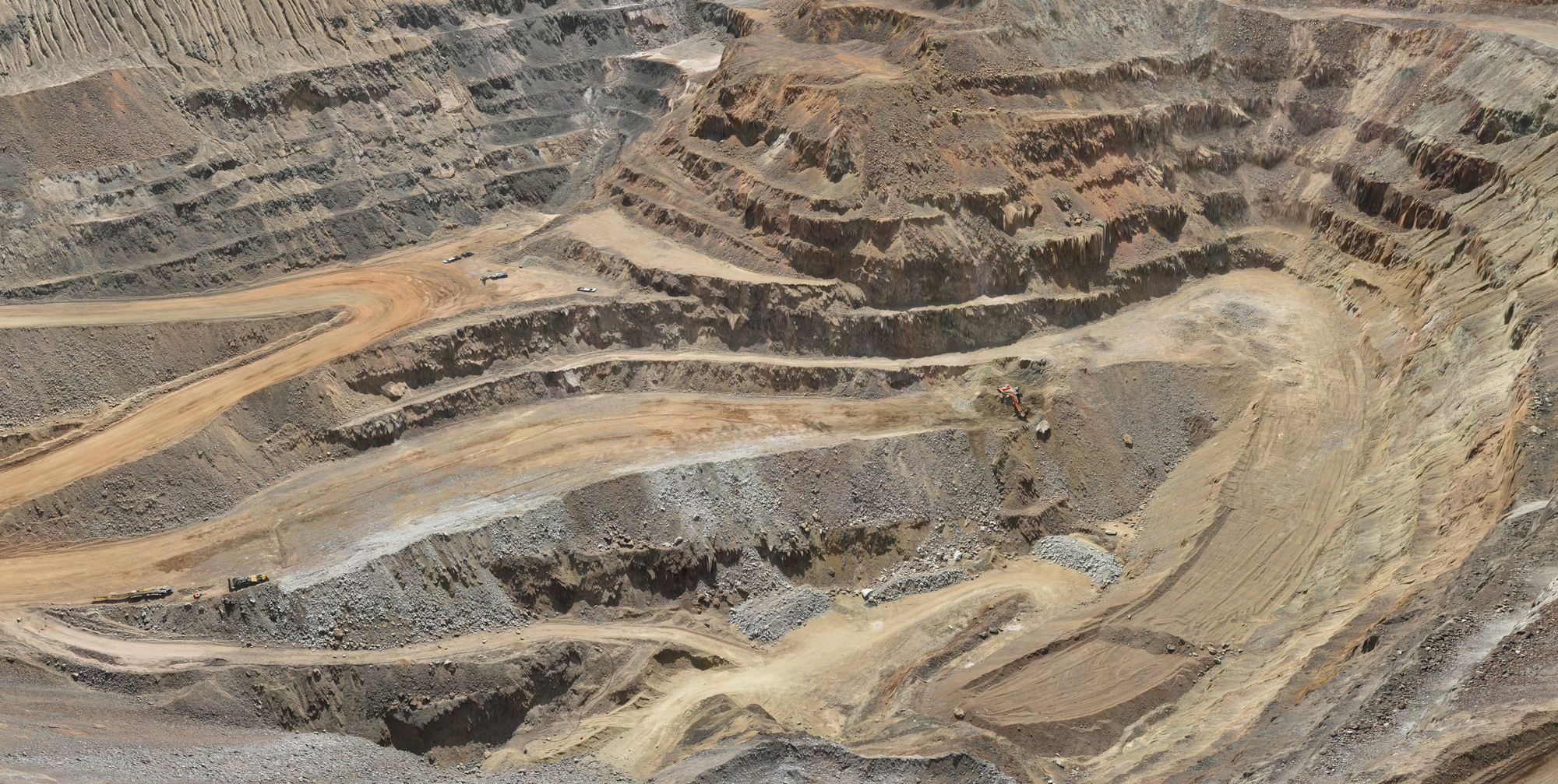
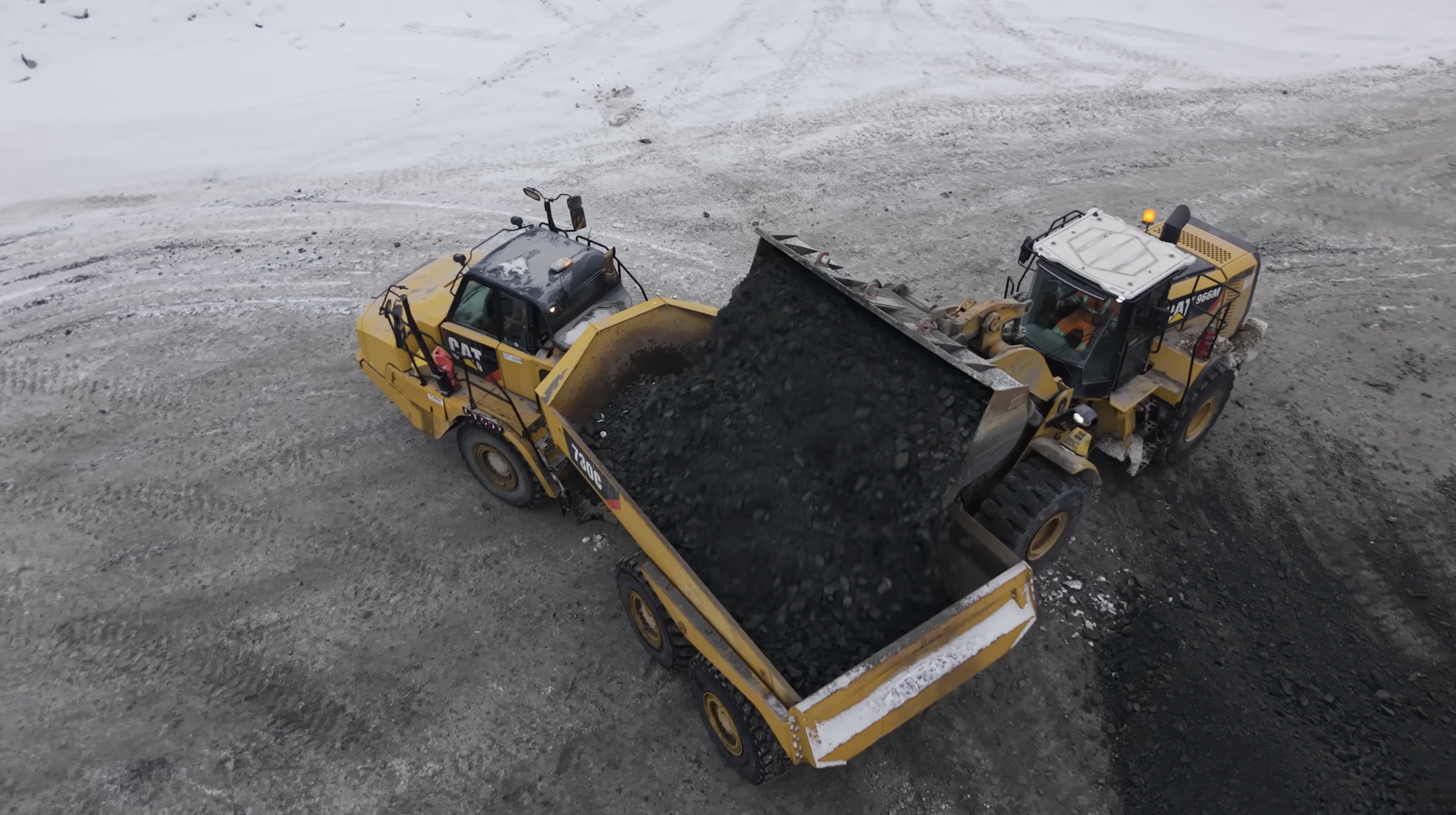
Higher oil prices put greater cost pressure on open-pit and haulage-intensive mining operations because moving large volumes of ore and waste requires substantial fuel use. With US distillate inventories 12% below the five-year average, higher diesel costs become a more important operating-cost risk for these fuel-intensive mines.
Base case: If Brent remains within the $75-$95/bbl range identified by Tony Sycamore, open-pit and haulage-intensive mines would remain more exposed to higher fuel costs than operations with lower fuel requirements. The relative impact is therefore strongest where diesel consumption is a larger part of the operating cost base.
Bear case: If Brent reaches or exceeds $95/bbl, higher petroleum costs would put additional pressure on fuel-intensive mining operations, particularly open-pit mines and operations with long haulage distances. A sustained move above $95/bbl would therefore increase the cost risk for these operations relative to mines with lower fuel requirements.
Check $95 Brent on EIA Stocks to Reassess Mining Costs
Higher oil prices hit fuel-intensive mining operations harder, particularly open-pit mines that rely heavily on diesel-powered haulage. With distillate inventories 12% below the five-year average, higher diesel costs would place greater pressure on open-pit and haulage-intensive operations than on mines with lower fuel use.
Reopening the Strait of Hormuz would change the supply-disruption risk currently driving oil-market pricing. After reopening, Brent and refined-fuel prices would show whether the pressure on mining fuel costs is reversing.
Check the next EIA Weekly Petroleum Status Report for distillate inventories and refinery utilization to gauge refined-fuel supply pressure, then assess its impact on fuel-intensive mining operations.
Analyst's Notes





Subscribe to Our Channel


Stay Informed


