




Cabral Gold's MG Infill Program & Construction Update: 7 Things You Need to Know


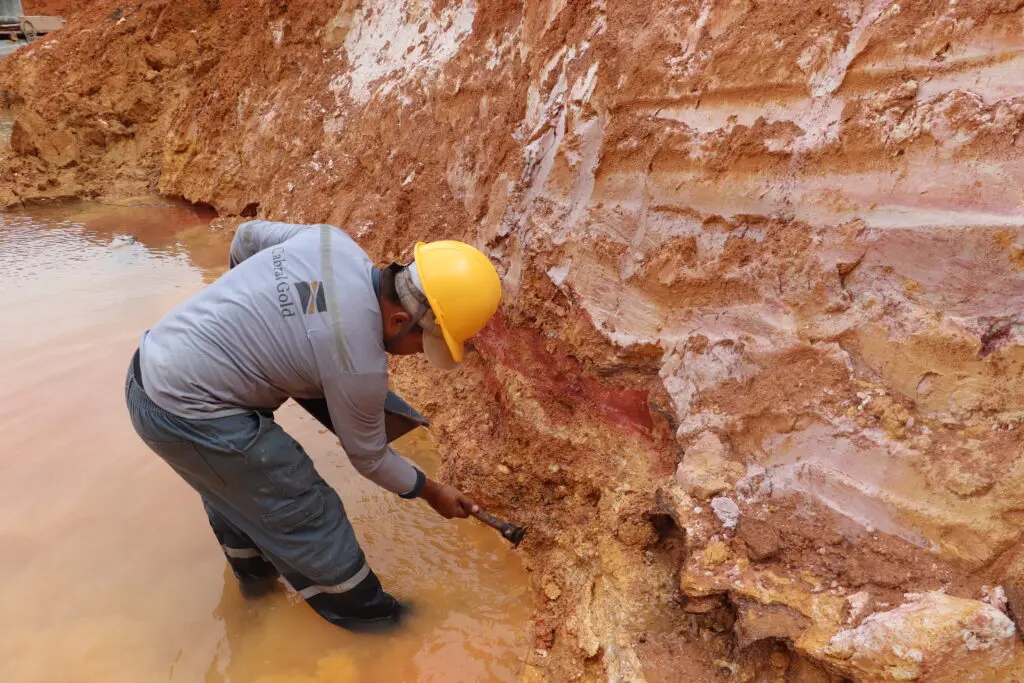
Cabral Gold's 166-hole drilling program at its MG gold deposit confirms consistent, near-surface gold across the Year 1 mining area. With construction 70% complete and first gold pour targeting Q4 2026, here is what investors need to know.
Project Overview
Cabral Gold (TSXV: CBR | OTCQB: CBGZF) is a junior gold company building its first mine at the Cuiú Cuiú Gold District in Brazil's Tapajós Region. The project centres on a Phase 1 gold-in-oxide operation at the MG deposit, designed to produce gold from near-surface, soft weathered rock using a low-cost processing method. Construction is 70% complete as of Apr 29, 2026, the Full Mining License was granted in March 2026, and financing is in place. First gold pour is targeting Q4 2026. On Jun 11, 2026, Cabral released the final batch of results from its 166-hole drilling program at MG, completing the geological work designed to validate the mine plan ahead of production. Here is what investors need to know.
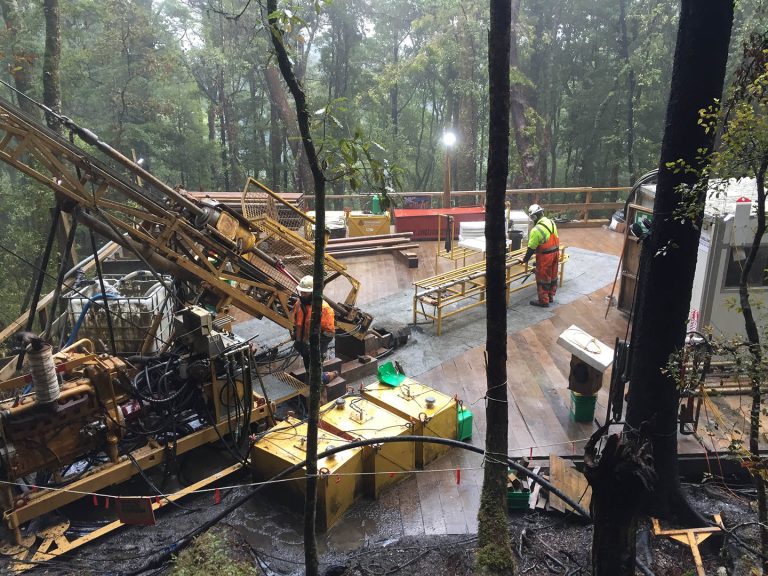
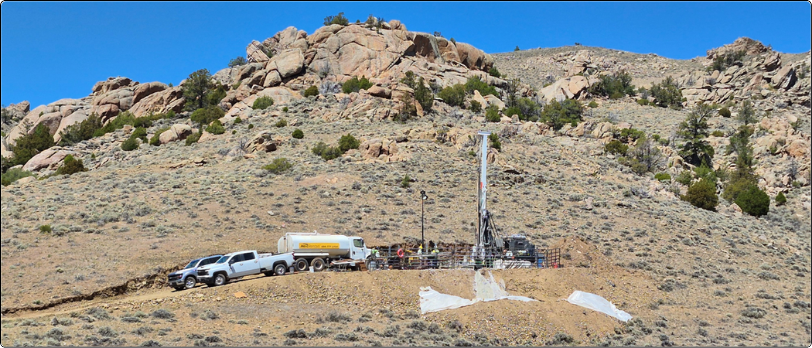
1. The Drilling Was Never About Finding New Gold : It Was About Confirming What Is Already There
Cabral did not drill these holes to expand its resource. It drilled them to confirm that the gold grades the mine plan is built on are consistent enough across the planned Year 1 mining area to be reliably delivered to the processing facility once mining begins.
That distinction matters because the financial returns from this project are front-loaded: the faster the operation delivers ore at the grades the plan assumes, the faster it pays back the money used to build it. Every hole that confirms the model reduces the chance that early production disappoints. The Jun 11, 2026 news release confirmed the program was designed to "enhance the level of confidence around the Year 1 mine plan at MG and to upgrade the current resource by the end of this month."
2. What the Completed Program Actually Confirms
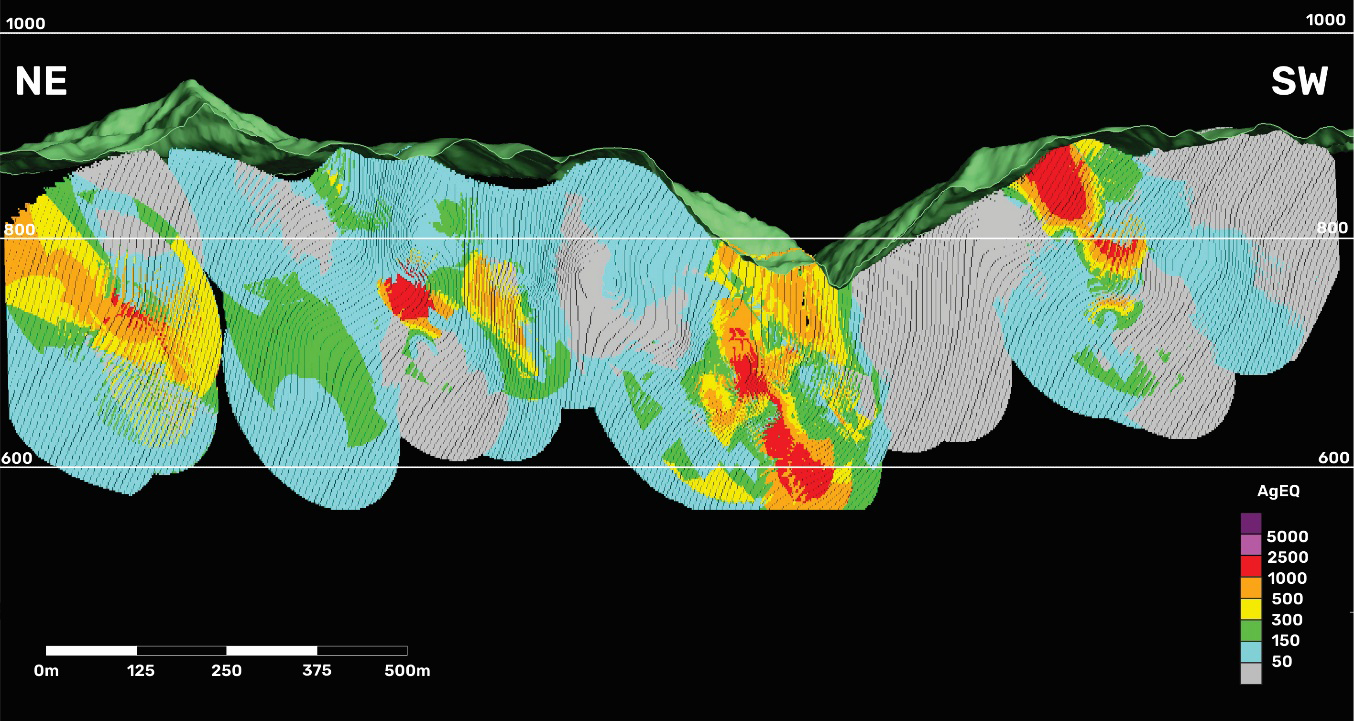
Hole after hole across the planned mining area confirmed consistent gold grades from the very surface of the ground. Many holes ended in gold-bearing material, meaning the deposit continues below the drill depth. Taken together, the program demonstrates that the gold at MG is not patchy or irregular. It is present, continuous, and near-surface across the area Cabral plans to mine first.
The Jun 11, 2026 news release confirmed the results validate the geological model demonstrating the presence of significant near-surface resources with good-grade material. That confirmation is the primary investment takeaway from this program, not any individual intercept. For a deeper look at why drilling for resource confidence creates more value than exploration discovery at this stage of a project, read our earlier coverage.
President & Chief Executive Officer of Cabral Gold, Alan Carter, described what the results mean for the mine plan:
"These additional infill drill results at MG continue to confirm the presence of consistent, higher gold-in-oxide grades over significant widths, from surface, providing us with greater confidence in planned ore delivery during the initial years of mining at MG. The higher grades noted in several holes at MG could reflect zones of higher-grade mineralisation within the underlying primary gold deposit at MG."
3. The Project's Financial Returns Depend on Early Grade Delivery
The July 2025 study by Ausenco Brazil returned strong project-level financial returns at a US$2,500 per ounce gold price base case, with the project paying back its construction costs within 10 months of first production. Those returns are most sensitive to the grades the processing facility receives in the first years of operation.
If grades come in below what the plan assumes, the payback period extends, and the overall value of the project falls. If they track on or above the plan, the operation generates free cash faster than the financial model projected. The completed drilling program has now replaced modelled grade assumptions with field-confirmed data across the Year 1 mining area, directly protecting the financial returns the project is designed to generate.
4. The Way the Ore Is Processed Keeps Costs & Complexity Low
The gold at MG sits in soft, weathered rock that does not need blasting before it can be mined. Once excavated, it is stacked on a lined pad and a solution is passed through it to recover the gold, a straightforward, low-cost process used widely across the gold industry for this type of material.
This approach requires significantly less upfront investment than building a conventional processing plant, takes less time to commission, and carries lower day-to-day operational complexity. The financing package, which closed on November 26, 2025, covers the full build cost plus the cash needed to run the operation before revenue starts flowing.
5. The Hard Work Is Done: What Remains Is Building the Last 30%
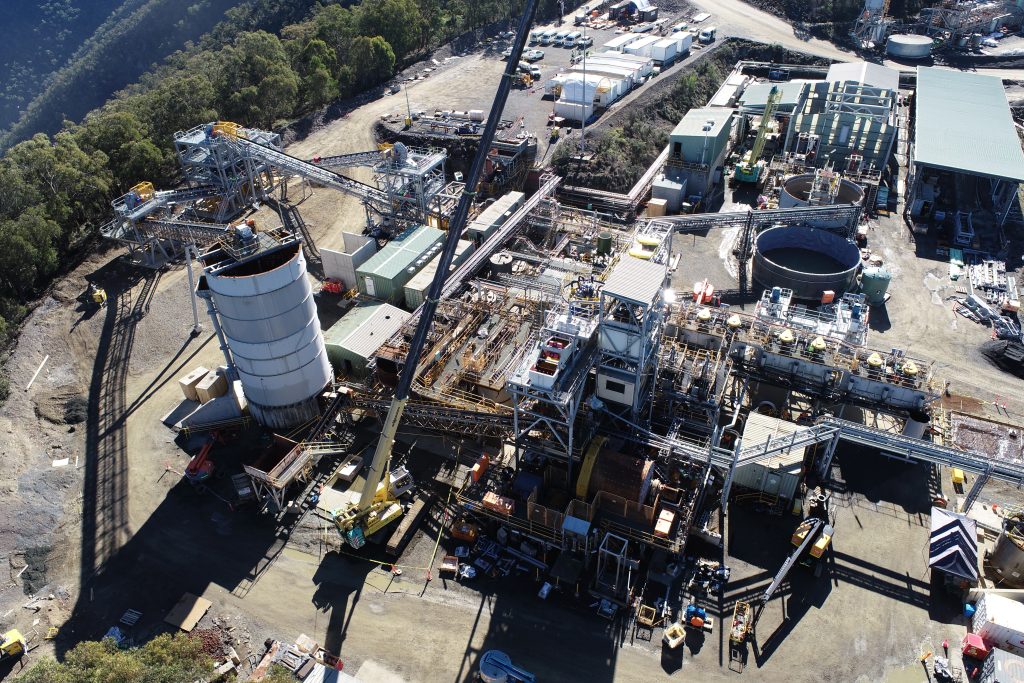
Cabral has already secured the 2 things that stop most junior mining companies from ever reaching production: a permit to mine and the money to build. The Full Mining License was granted in March 2026, and the financing was closed on November 26, 2025. Construction was 70% complete as of Apr 29, 2026, on budget and on schedule, with the large majority of costs locked in under contract.
The remaining risk is completing the final portion of construction and starting up the facility on time, a narrower and more manageable category of risk than the permitting and funding hurdles already cleared.
6. The Updated Resource Count Is the Next Key Number to Watch
Results have been released on 124 of the 166 holes drilled, with the remaining 42 still pending. An updated resource count incorporating all 166 hole targets completion by the end of June 2026.
A formal upgrade of the MG material, reclassifying ounces into a higher-confidence category based on the completed drilling program, would reduce the risk discount that markets apply to the project and give lenders greater confidence in the mine plan ahead of start-up. How the updated count reclassifies the Year 1 mining area material is the most structurally important number Cabral will publish before first pour.
7. First Production Pays for What Comes Next
Cabral's plan is for gold revenue from Stage 1 production at MG to fund exploration across the wider district, removing the need to raise money by issuing new shares and diluting existing investors. The Cuiú Cuiú district holds more than 50 drill targets, and the active drilling count is increasing from 3 to 6 rigs.
The Tapajós region produced an estimated 30 to 50 million ounces of placer gold between 1978 and 1995, according to Brazil's National Mining Agency (ANM), and Cuiú Cuiú itself produced an estimated 2 million ounces historically. A larger study of the district's hard-rock gold potential is planned for 2027, funded by the cash Cabral is targeting to generate from MG.
Key Takeaways for Investors
- The 166-hole drilling program at MG was designed to validate the Year 1 mine plan, not to find new gold, and the completed results confirm that the gold is consistent, continuous, and near-surface across the planned mining area.
- The project's financial returns are front-loaded, making the grades delivered to the processing facility in the first years of operation the single most important variable in the financial model. The completed program confirms those grades from field data.
- Construction is 70% complete, on budget, and on schedule. The Full Mining License was granted in March 2026, and financing is fully in place. The remaining risk is execution, not permitting or funding.
- An updated resource count incorporating all 166 holes is targeting completion by the end of June 2026 and is the next key catalyst for the investment case.
- Stage 1 gold revenue is designed to self-fund district-wide exploration across more than 50 drill targets, reducing the need for share issuances that dilute existing investors.
Bottom Line
Cabral Gold is weeks away from completing the geological validation of its Year 1 mine plan, months away from first gold pour, and already holds the permit and financing needed to get there. The completed 166-hole program removes the question of whether the gold is there and consistent enough to mine. What remains is building the last 30% of the facility and turning it on. For investors, the risk profile of this project today is categorically narrower than it was 12 months ago, and the next 6 months will determine whether the mine plan delivers the returns outlined in the July 2025 study.
Analyst's Notes





Subscribe to Our Channel





Stay Informed






















