




Why Central Banks Are Buying Record Gold as Prices Drop 16%


Central bank gold buying hit a record despite lower prices, but rising real yields and ETF outflows favor low-cost, well-funded gold development projects.
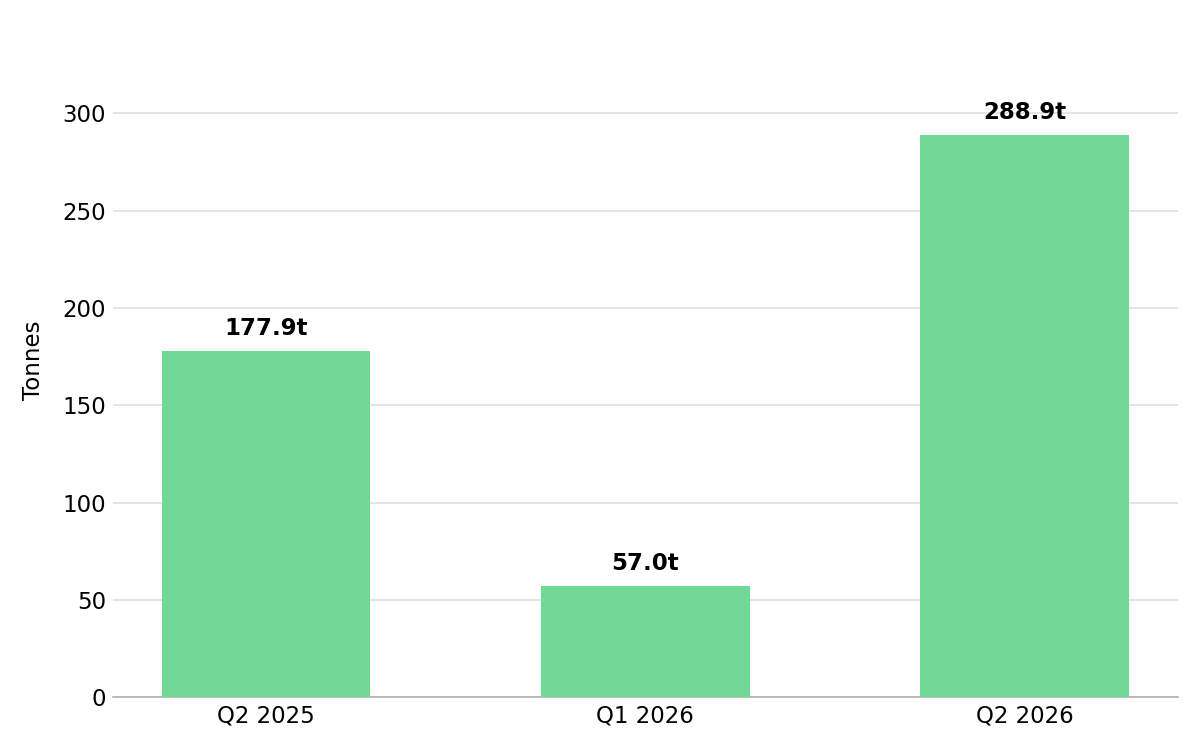
- Central banks bought 288.9 tonnes of gold in the second quarter of 2026, up 62 percent from a year earlier, even as spot gold prices fell roughly 16 percent over the same period, showing that official-sector demand remained strong despite weaker prices.
- Western exchange-traded fund holders took the opposite approach, withdrawing about 14.4 billion dollars from the SPDR Gold Shares fund between March and mid-July, although the slower pace of outflows by month end suggested selling pressure was beginning to moderate.
- The Fed's July 29 decision to hold rates despite three policymakers dissenting in favor of a hike pushed the 30-year Treasury yield to 5.27 percent, increasing the opportunity cost of holding gold and reinforcing selling by rate-sensitive Western funds.
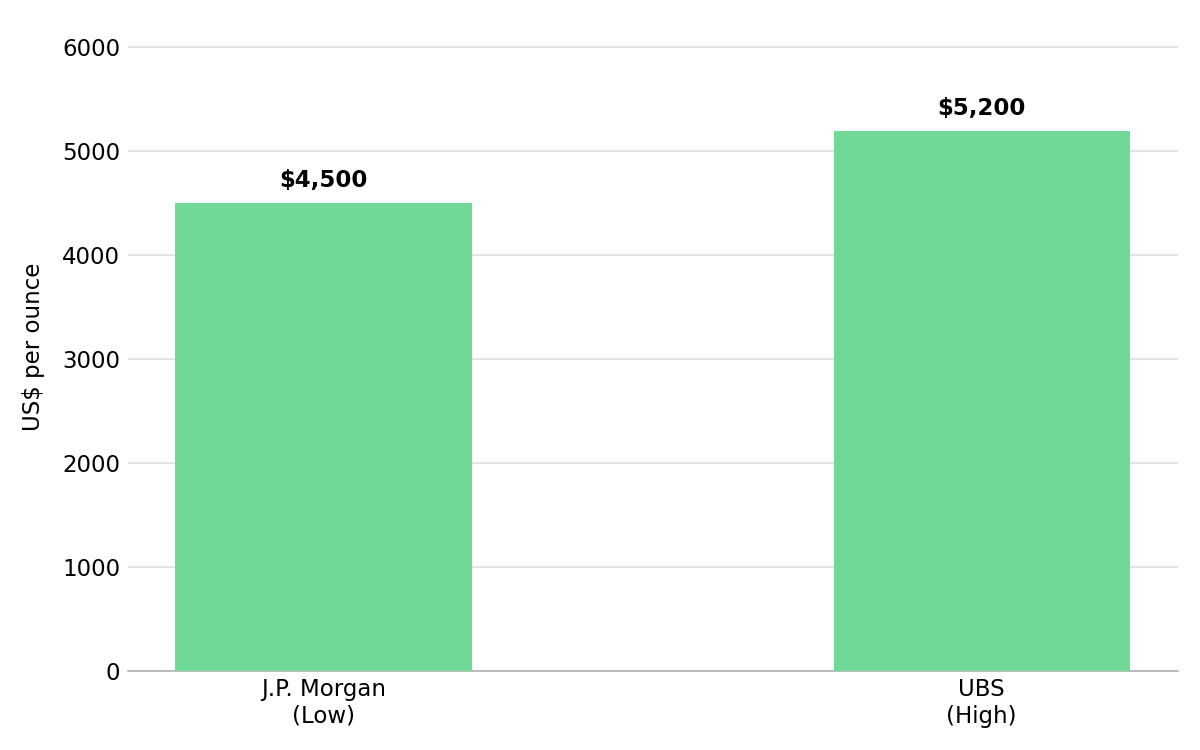
- Year-end gold forecasts from major investment banks now span about 700 dollars an ounce, from J.P. Morgan's 4,500 dollar target to UBS's 5,200 dollar target, widening the range of price assumptions used to value development-stage projects.
- Forecast uncertainty does not affect every development-stage gold company equally. Cost position, balance sheet strength, and progress through permitting and feasibility determine how well a project can advance if gold prices fall toward the lower end of major bank forecasts.
Central Bank Buying & ETF Selling Split Gold Demand: Why Real Yields Drive Short-Term Prices
The World Gold Council reported that central banks bought a record 288.9 tonnes of gold in Q2 2026, up from 177.9 tonnes a year earlier and rebounding sharply from 57 tonnes in Q1. Poland led purchases with 51 tonnes, followed by China with 33 tonnes, while Russia sold 22 tonnes to help cover its budget deficit. At the same time, Western investors continued reducing gold ETF holdings. SPDR Gold Shares recorded US$14.4 billion in net outflows between March and mid-July, although withdrawals slowed significantly in July, suggesting selling pressure was beginning to ease.
The split reflects two different sources of gold demand. Central banks continue buying gold as part of long-term reserve diversification programs that are largely unaffected by short-term price swings, while Western ETF investors respond more directly to changes in real yields and Federal Reserve policy. This difference explains why official-sector buying accelerated even as ETF outflows persisted, despite moderating liquidation pressure and stronger over-the-counter investment demand.
Fed Holds Rates & Real Yields Rise: Why Gold Fund Flows Remain Under Pressure
The Federal Reserve kept interest rates unchanged on July 29 despite three policymakers dissenting in favor of a rate hike, signaling that inflation concerns remained elevated. Chair Kevin Warsh described the decision as a reassessment of economic conditions rather than a pause, while the Fed raised its 2026 core PCE inflation forecast to 3.3 percent from 2.7 percent and projected headline inflation at 3.6 percent.
Markets responded by pushing the 30-year Treasury yield up to 5.27 percent, increasing the opportunity cost of holding non-yielding assets such as gold. Attention has now shifted to the US July payrolls report after June job growth of 57,000 came in well below expectations. Another weak employment report could reduce expectations for a September rate hike and help reverse recent outflows from Western gold ETFs.
Major Bank Gold Forecasts Split by 700 Dollars an Ounce: Why Conservative Project Valuations Matter More
Major banks now forecast gold prices between US$4,400 and US$5,200 per ounce after J.P. Morgan cut its fourth-quarter 2026 target to US$4,500 from US$6,000. This wide forecast range has increased the importance of gold price assumptions in feasibility studies, making project valuations more sensitive to the price deck developers choose.
For development-stage companies, conservative price assumptions provide a better measure of project resilience. U.S. Gold Corp's CK Gold Project demonstrates this, with its feasibility study showing net present value rising from US$632 million to US$1.155 billion and internal rate of return increasing from 27% to 42% at a US$4,500 gold price. The project's estimated all-in sustaining cost of about US$1,814 per ounce also supports strong operating margins across the range of major bank forecasts.
George Bee, President and Chief Executive Officer of U.S. Gold Corp, said the feasibility study shifts the company's focus from permitting to reserve growth and exploration:
"With the initial CK Gold Project Feasibility Study now published and our fully permitted project moving to development, we can now turn attention to both the potential to expand the pit into known mineralization through conversion of our resources into reserves, and to explore into areas of former mining of high-grade ore conducted by the original developers of the Silver Crown Mining District."
Gold Price Uncertainty Tests Development Projects: Why Costs, Financing, and Permitting Matter Most
The wide range of major bank gold forecasts affects development-stage companies differently because project economics vary by cost position, balance sheet strength, and progress through permitting and financing. These factors determine how sensitive project valuations and funding prospects are to lower gold price assumptions.
Low All-in Sustaining Costs Reduce Reliance on Higher Gold Prices
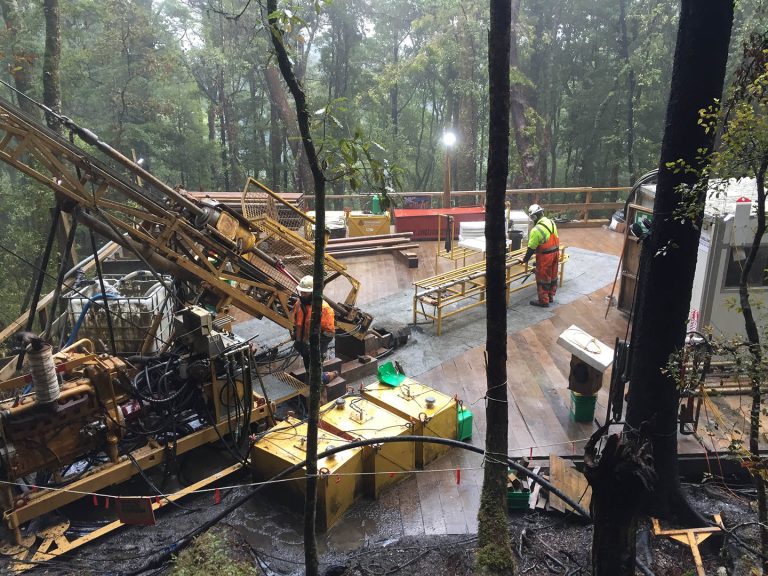
Cabral Gold is about 85 percent through construction of the Phase 1 heap leach operation at its Cuiú Cuiú project in Brazil and is targeting commercial gold production in the fourth quarter of 2026. The company's July 2025 Pre-Feasibility Study estimates an all-in sustaining cost of about 1,210 dollars an ounce, supporting project economics across most major bank gold price forecasts rather than relying on the highest price assumptions.
Alan Carter, President and Chief Executive Officer of Cabral Gold, ties that cost position directly to the current price environment:
"We should be producing gold at an all-in sustaining cost of about $1,200 an ounce, even with the pullback in the gold price. There's an enormous profit margin on that gold that we expect to be producing."
Debt-Free Balance Sheets Support Project Advancement Without New Financing
Hycroft Mining Holding Corporation, a development-stage company advancing its past-producing Nevada project, ended the second quarter of 2026 with 220.5 million dollars in unrestricted cash and no debt. That balance sheet allows the company to continue advancing two technical programs simultaneously, an underground high-grade evaluation at the Vortex and Brimstone zones and a roasting-versus-pressure-oxidation study, reducing its dependence on favorable gold prices or near-term equity financing.
Strong balance sheets are only one source of resilience. Secured project financing can provide similar flexibility by allowing developers to continue advancing projects without relying on stronger gold prices or new equity raises. New Found Gold, a development-stage company advancing its Queensway Phase 1 project in Newfoundland and Labrador, says the project is fully funded. Its preliminary economic assessment estimates initial capital expenditure of 155 million Canadian dollars and an all-in sustaining cost of 1,282 US dollars an ounce, reducing near-term financing risk despite uncertainty over future gold prices. Following a July 3, 2026 decision letter, the Environmental Preview Report entered statutory review, replacing an open-ended permitting timeline with defined regulatory milestones.
Keith Boyle, Chief Executive Officer of New Found Gold, said the Pine Cove mill conversion permit amendment and EPCM progress keep the company targeting first Queensway Phase 1 material to the mill in Q4 2027.
"With the mill conversion permit amendment for Pine Cove received and EPCM work progressing, we expect to send first Queensway Phase 1 material to the mill as planned in Q4 2027."
Engineering Work Raises Production Through Operations, Not Higher Gold Prices
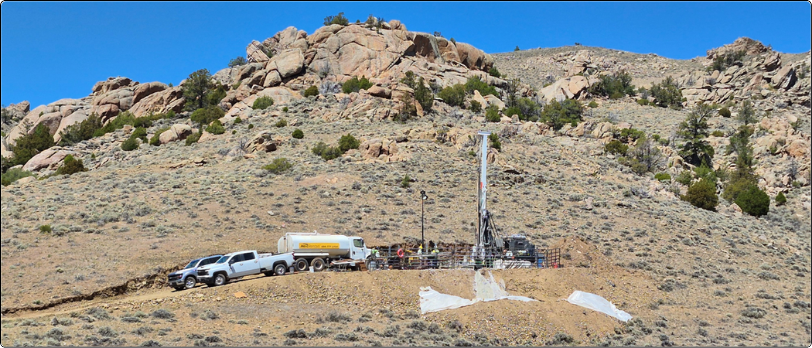
P2 Gold, an exploration-stage company advancing its Gabbs project in Nevada toward a bankable feasibility study, revised its development plan to target 12 million tonnes of annual throughput, up from 9 million tonnes in the October 2025 preliminary economic assessment, while bringing mill construction forward from year six to year three. The revised plan increases targeted average annual production to 150,000 ounces of gold and 45 to 50 million pounds of copper, up from 109,000 ounces and 33 million pounds. The higher production target is driven by engineering and metallurgical improvements rather than higher gold price assumptions. These include sulfidization, acidification, recycling, and thickening processes that allow both gold and copper to be recovered from the same ore.
Joe Ovstinek, President and Chief Executive Officer of P2 Gold, said the company is targeting a resource estimate by the end of summer to support completion of the feasibility study by year-end.
"We'd like to get a resource estimate out by the end of the summer, and that will feed right into our schedule to have that feasibility done by year-end."
Exploration Results Need Economic Validation Before Supporting Project Valuations
Tudor Gold, a development-stage company whose Goldstorm deposit at Treaty Creek in British Columbia hosts an Indicated Mineral Resource of 24.9 million ounces of gold and an Inferred Mineral Resource of 4.0 million ounces of gold under its 2026 NI 43-101 estimate, reported results on July 7, 2026 from the first two holes of its 2026 CBS Zone drill program. Hole CBS-26-08 returned 61.28 grams per tonne silver and 0.09 grams per tonne gold over 34.15 metres, including 201.84 grams per tonne silver and 0.07 grams per tonne gold over 7.20 metres.
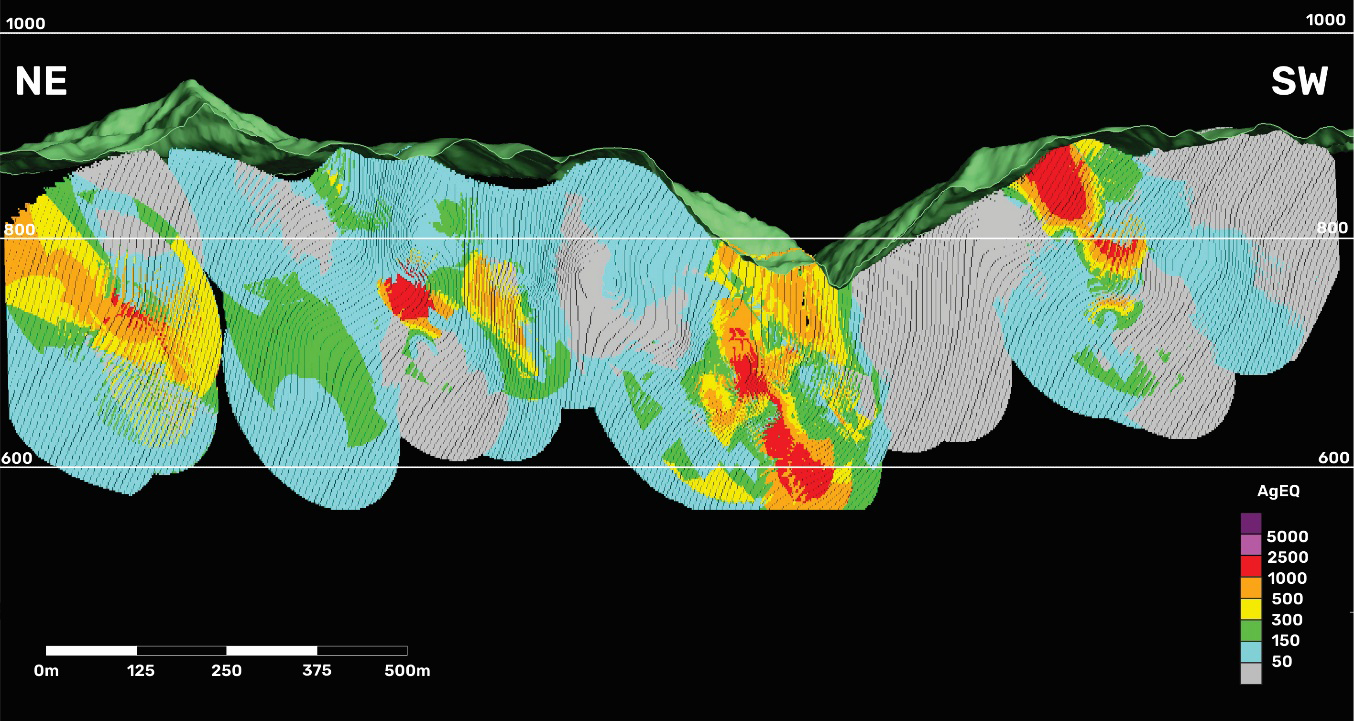
The CBS Zone silver breccia is exploration upside worth monitoring into the September follow-up drilling, but with no resource estimate or economic study attached, it doesn't yet move Tudor Gold's valuation, which remains anchored to the 24.9 million ounce Goldstorm resource and the path toward a PEA.
Payrolls Move Western Gold Flows: Central Bank Buying Continues on a Different Timeline
The gold market remains driven by two distinct demand sources: central banks pursuing long-term reserve diversification and Western ETF investors responding to changes in real yields. While the upcoming US payrolls report could influence near-term ETF flows and funding conditions for development-stage gold companies, it is unlikely to alter central bank buying programs, making the divergence between official-sector demand and Western capital flows a more reliable indicator of underlying market trends.
The Investment Thesis for Gold
- Official-sector purchases of 288.9 tonnes in the second quarter of 2026 provide a stable source of underlying gold demand, allowing development-stage projects with strong economics to remain less dependent on short-term shifts in Fed policy expectations.
- The roughly 700 dollar-an-ounce gap between the lowest and highest published major bank forecasts places greater weight on projects that remain economically viable under conservative gold price assumptions, because their valuations depend less on optimistic price forecasts than reported net present value alone suggests.
- Debt-free balance sheets and secured project financing reduce dependence on external capital, allowing development-stage companies to keep advancing projects even while the direction of Fed policy remains uncertain.
- Low all-in sustaining cost starter operations supported by simplified metallurgy remain economically viable across most major bank gold price forecasts, reducing dependence on the highest published price assumptions to generate acceptable project returns.
- Engineering-driven increases in throughput and production strengthen project economics through operational improvements, making valuation less sensitive to differences between major bank gold price forecasts.
- Exploration-stage discoveries without a resource estimate or economic study provide geological upside but remain more dependent on favorable market conditions before they translate into higher project valuations.
Gold's second quarter of 2026 produced two opposing demand signals: record central bank buying and continued selling by Western exchange-traded funds. Central banks bought 288.9 tonnes during the quarter despite the sharpest quarterly gold price decline since 2013 because reserve diversification programs operate over years rather than quarters. Western exchange-traded funds continued selling because higher real yields increased the opportunity cost of holding gold. Friday's payrolls report is likely to determine the near-term direction of Western exchange-traded fund flows but is unlikely to change central bank reserve diversification programs. For development-stage gold companies, the more durable question is not where spot gold trades this week but which projects have the cost structure, balance sheet, financing, permitting progress, and operational resilience to continue advancing under both the lowest and highest published major bank gold price forecasts.
TL;DR
Central banks bought a record 288.9 tonnes of gold in Q2 2026 even as prices fell, reflecting long-term reserve diversification rather than short-term market sentiment. Meanwhile, higher real yields following the Federal Reserve's hawkish policy stance continued to drive Western ETF outflows. This divergence has widened uncertainty around gold price forecasts, increasing the importance of conservative project assumptions for developers. Companies with low all-in sustaining costs, strong balance sheets, secured financing, permitting progress, and operational improvements are better positioned to advance projects regardless of short-term gold price volatility or Fed policy expectations.
FAQs (AI-Generated)
Analyst's Notes





Subscribe to Our Channel











Stay Informed






















