Central Bank Buying Supports Gold’s Recovery Case Despite Higher Yields



Record gold ETF holdings show buying through the selloff, while lower-cost miners retain larger margins and exposure to a potential rebound.
- The World Gold Council’s October 6 report recorded 39 metric tons of August net purchases, roughly half Goldman’s estimate, suggesting official demand exceeds disclosed buying.
- Goldman Sachs’ October 19 note estimated August central bank gold purchases at 79 metric tons, more than four times the pre-2022 monthly average of 17.
- The People’s Bank of China (PBOC) raised monthly purchases from 320,000 ounces in May to 740,000 in September, buying more as gold prices fell.
- Lower-cost, unhedged producers retain larger margins at comparable selling prices, providing a cushion if a December Fed hike triggers further gold selling.
- The PBOC’s October reserve update, due around November 7, will test whether faster Chinese buying continues, supporting the case for a gold recovery.
Estimated Central Bank Purchases Strengthen Gold’s Rebound Case
Goldman Sachs estimated central banks bought 79 metric tons of gold in August, up from 44 in July, with China the largest identifiable buyer at 25. Spot gold traded near $4,137.80 an ounce, down 0.6% that day and about 26% below its January record of $5,589.
Goldman’s August estimate exceeds four times the pre-2022 monthly average of 17 metric tons and is roughly double the World Gold Council’s 39 metric tons of reported net purchases. The gap suggests undisclosed buying could support a recovery, although a US 10-year Treasury yield near 5.14% makes interest-paying bonds more competitive with gold.
Sanctions Risk Drives Reserve Managers Toward Gold
Gold fell 8.5% in September to $4,176 an ounce as the US 10-year Treasury yield rose 0.53 percentage points to 5.3%, making bonds more competitive with gold. Speculative funds cut net COMEX gold futures positions by the equivalent of 84 metric tons, while physically backed ETFs added 67 metric tons to a record 4,256, showing continued buying through the selloff.
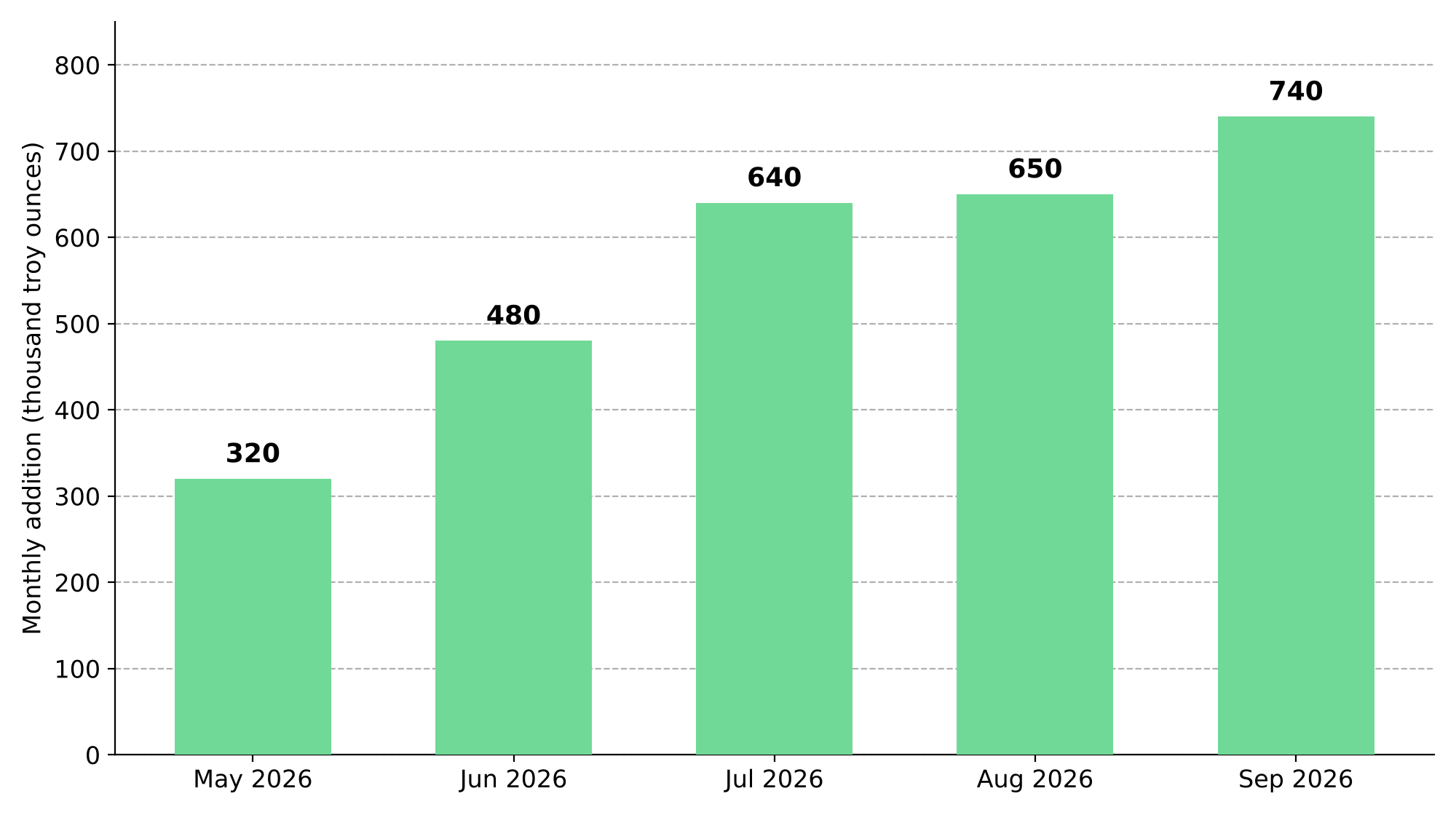
The PBOC raised monthly purchases from 320,000 ounces in May to 740,000 in September, about 23 metric tons and its largest addition since September 2023. Central banks have increased gold buying since Russian reserves were frozen in 2022, seeking protection from sanctions on foreign-currency assets, a motive higher yields do not eliminate. Goldman’s August China estimate of 25 metric tons exceeds the roughly 20 reported, suggesting additional undisclosed demand could support a recovery.
Fed Hike Risk Could Delay a Price Recovery
CME FedWatch priced a pause at the October 27-28 meeting and roughly a 90% chance of a December hike, while September CPI inflation stood at 3.7%. Fawad Razaqzada, Market Analyst at Forex.com, warned that further policy tightening to control inflation could keep yields elevated and pressure gold.
Continued central bank buying could offset some futures selling, supporting a recovery. Ole Hansen, Head of Commodity Strategy at Saxo Bank, identified price support below $4,100, although stronger selling could push gold below that zone.
The PBOC’s October reserve update, due around November 7, will help assess whether Chinese buying continues through the selloff. Purchases below May’s 320,000 ounces would signal slower reported buying, rather than establish a reversal in global demand. World Gold Council purchase figures and weekly CFTC positioning data can help assess the balance between official buying and speculative selling.
Low-Cost Miners Gain a Cushion Against Inflation
Lower-cost, unhedged producers retain larger margins at comparable gold selling prices. Metals Focus’s Q1 2026 cost analysis, published by the World Gold Council on August 24, put average all-in sustaining costs (AISC) at $1,785 an ounce, up 16% year over year. At $4,138 gold and unchanged Q1 costs, Crux Investor calculates AISC margins of $2,353 an ounce at the industry average and about $1,640 at the 90th cost percentile.
Gold Fields reported a 40% rise in freight and consumables costs since the Iran war began, highlighting the value of fuel hedging and supply contracts that limit cost increases. Current company disclosures are needed to assess how much of each producer’s margin remains available as costs change.
Goldman’s purchase estimates remain subject to revision, so central bank demand supports a recovery case without guaranteeing a price floor. Mining shares can fall more than bullion because fixed operating costs amplify the effect of lower gold prices on profits, making cost control central to selecting recovery opportunities.
Official Demand Turns the Price Floor Into a Valuation Input
Central bank buying supports a contrarian recovery case by adding demand during gold’s price weakness. Higher yields can still outweigh that demand, making cost control central to identifying producers that can withstand further declines. Lower-cost operations retain larger margins at comparable selling prices, offering a cushion through the downturn and exposure to a rebound without relying on a guaranteed price floor.
Analyst's Notes





Subscribe to Our Channel







Stay Informed