




Central Banks Continue Buying Gold Despite Higher Rate Expectations, Signaling Long-Term Conviction Beyond Current Correction


Gold faces pressure from higher Fed rate expectations, but central bank buying and resilient projects support its long-term outlook.
- Gold's near-term direction is being driven more by Fed policy than geopolitical headlines, as war-related oil inflation is lifting rate expectations and real yields.
- Official-sector buying continues to offset Western fund selling, while major bank forecasts remain above spot, reinforcing the long-term bullish outlook despite weaker near-term sentiment.
- Development-stage companies with conservative feasibility assumptions and low all-in sustaining costs retain strong project economics without requiring a return to record gold prices.
- Permitting certainty and defined regulatory timelines have become key differentiators, helping investors identify financeable projects during an uncertain interest rate environment.
- Company-specific catalysts, including resource updates, feasibility studies, and permitting milestones, offer value creation opportunities that are less dependent on short-term gold price movements.
War-Driven Oil Inflation Raises Real Yields & Weakens Gold's Safe-Haven Support
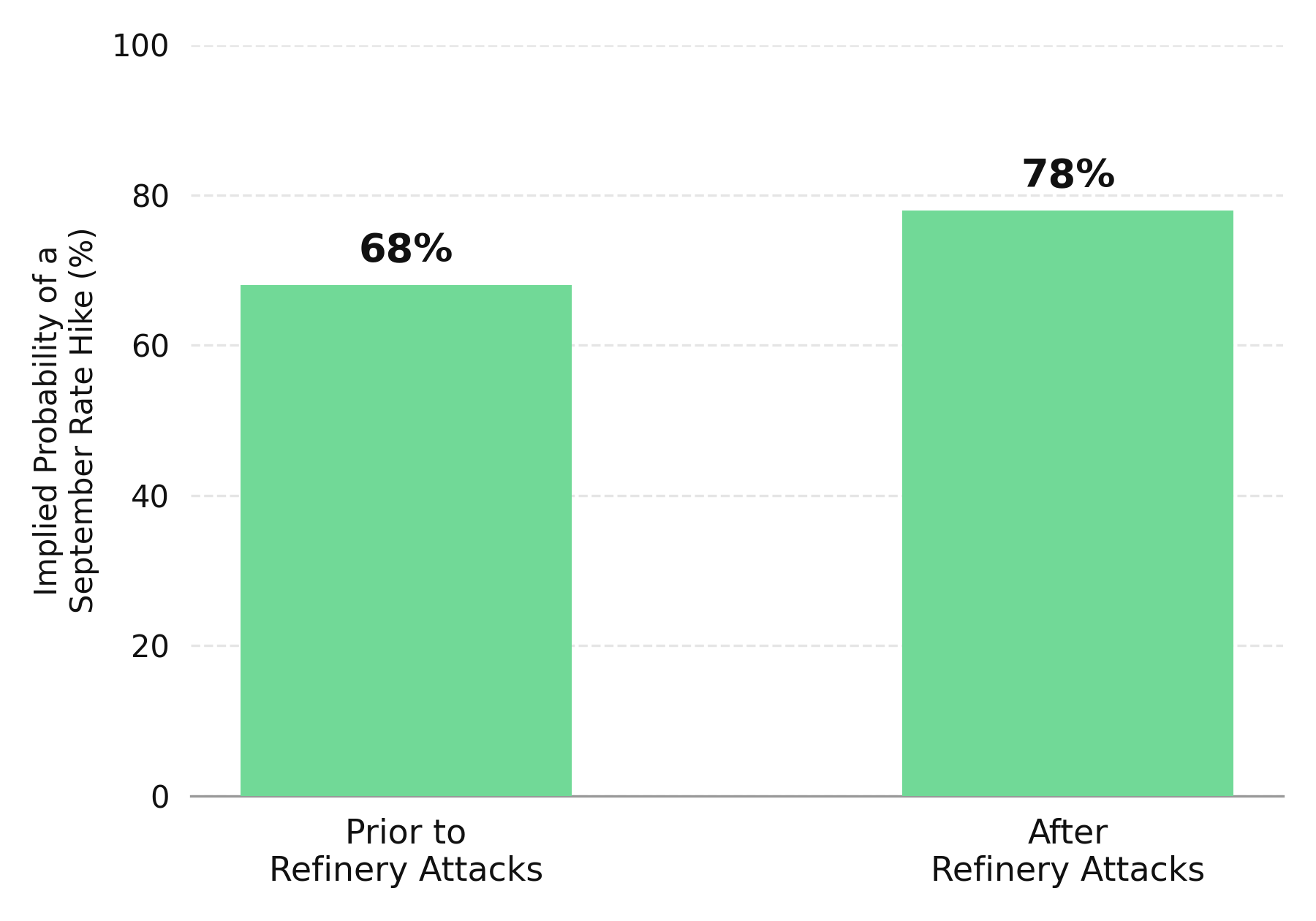
A live regional war is pressuring gold lower rather than higher because higher oil prices are strengthening expectations for tighter Fed policy. Gold's primary transmission channel in this conflict runs through energy prices rather than safe-haven demand. Houthi strikes on Saudi Arabia's Jizan refinery and Yanbu export terminal disrupted the Red Sea export corridor, which has carried roughly 92% of Saudi seaborne crude exports since the Strait of Hormuz effectively closed. Brent crude subsequently climbed back above $100 per barrel in late July. Higher oil prices lifted the market-implied probability of a September Fed rate hike to roughly 78%, from 68% only days earlier, according to the CME FedWatch Tool.
The rate channel matters because gold pays no coupon. Every basis point added to the 10-year real yield, the inflation-adjusted Treasury yield, raises the opportunity cost of holding bullion instead of interest-bearing government debt. Under Fed Chair Kevin Warsh, the central bank has signaled a more hawkish reaction function than markets had previously priced. At his first meeting in June, Warsh removed forward guidance from the policy statement, while nine of eighteen policymakers projected at least one 2026 rate hike in the Fed's Summary of Economic Projections. The Fed's July 29 decision is this week's key trading catalyst because it reprices real yields directly, whereas the war affects gold indirectly through higher energy prices and inflation expectations.
Oil Supply Disruptions Raise Rate Risks & Delay Gold's Safe-Haven Rally
Yemen's Houthi movement declared a full maritime blockade of Saudi Arabia on July 20, denying safe passage through the Bab al-Mandeb Strait to vessels calling at Saudi ports. The escalation to Jizan and Yanbu on July 25 is more likely to reinforce the inflation-driven rate channel than trigger a traditional safe-haven bid for gold. A coordinated closure of both Hormuz and Bab al-Mandeb would raise energy costs, and by extension rate hike odds, before it raises gold's appeal as a hedge. The key implication for the coming weeks is that greater war risk, under current market conditions, does not automatically translate into stronger gold demand.
Higher Rates Drive Fund Outflows & Official Buying Sustains Gold's Long-Term Outlook
The People's Bank of China extended its gold-buying streak to 20 consecutive months in June, adding roughly 15 tonnes, its largest monthly purchase since 2023, even as gold recorded its steepest monthly decline since 2008. Official-sector demand remained strong beyond China's purchases. The World Gold Council's June 2026 Central Banks Gold Reserves Survey found that 89% of reserve managers expect official gold holdings to keep rising over the next 12 months. Net central bank purchases reached 244 tonnes in the first quarter alone, the fastest quarterly pace in more than a year.
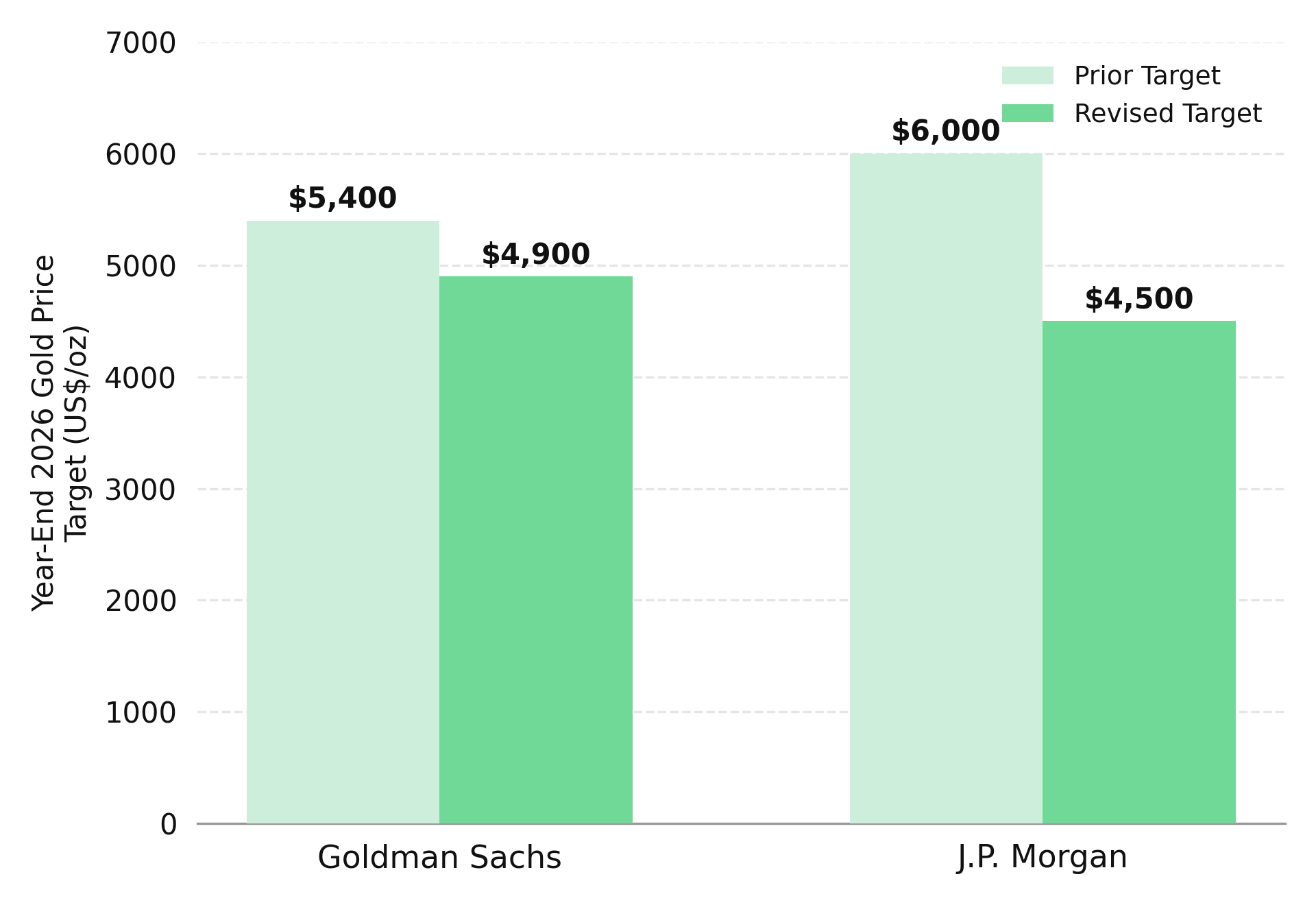
Western gold fund flows have moved in the opposite direction. Major gold-backed exchange-traded funds recorded continued net redemptions over both the 30-day and 90-day periods as North American investors rotated into equities following a more hawkish Fed outlook. Goldman Sachs cut its year-end 2026 gold price target from $5,400 to $4,900 on June 20, citing fading fund inflows and the removal of all remaining 2026 rate cuts from its model. J.P. Morgan followed on July 3 with a steeper cut, from $6,000 to $4,500, estimating that each basis-point increase in the 10-year real yield since late February reduced gold prices by roughly $20 per ounce. Even J.P. Morgan's more bearish forecast remains above the current spot price, suggesting the sell side has repriced timing rather than long-term conviction.
Higher Rates Test Gold Project Economics & Favor Financeable Developers
In a market where the sell side has cut targets but not conviction, the development-stage companies worth underwriting are those whose project economics do not depend on sustained gold prices of $4,100 per ounce, let alone a return to January's $5,595 record. All-in sustaining costs, net present value and internal rate of return sensitivity, and the gold price assumptions used in feasibility studies provide the key screening criteria for distinguishing resilient project economics from simple leverage to higher gold prices.
Higher Rates Test Gold Project Economics & Separate Resilient Projects From Optionality
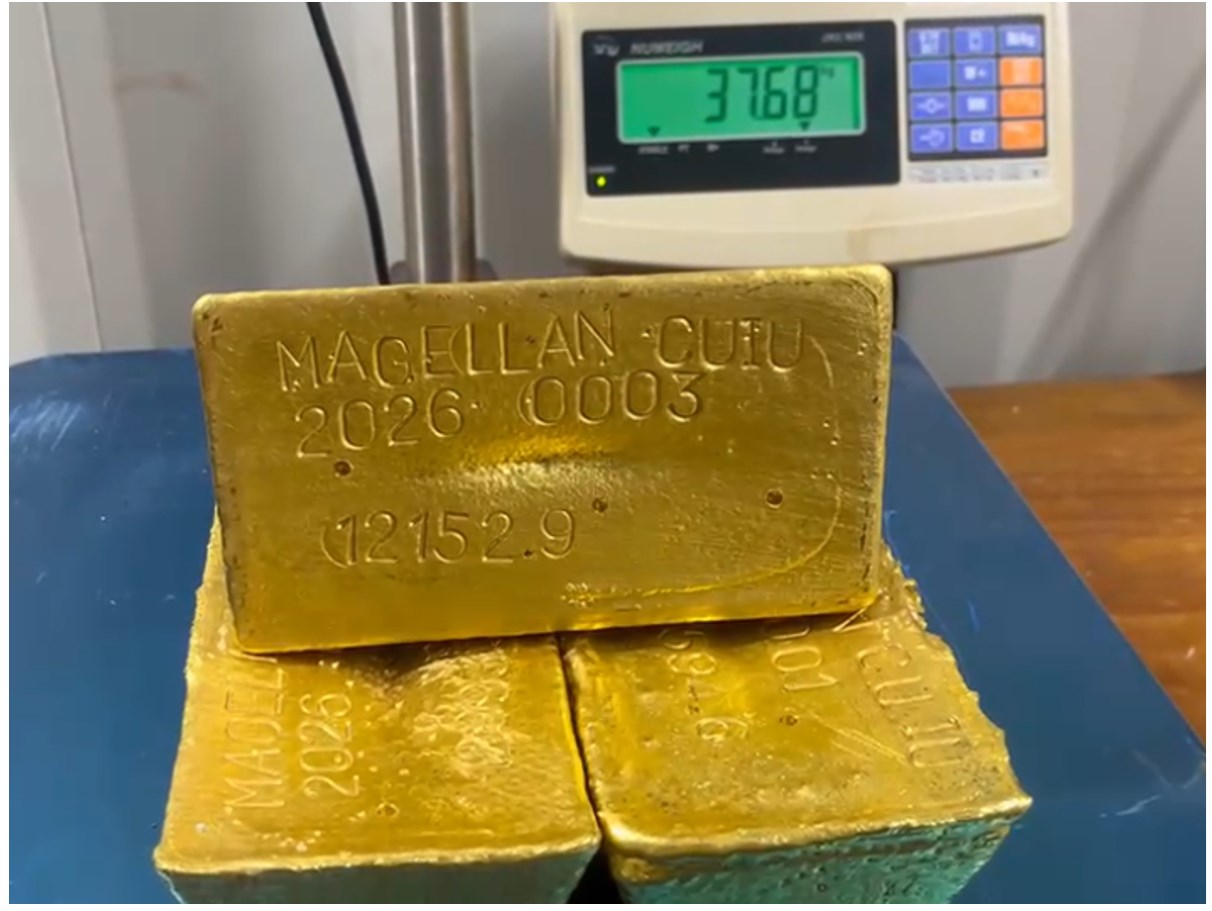
Cabral Gold, a development-stage company advancing its Cuiú Cuiú project in Brazil's Tapajós district, is targeting commercial production in the fourth quarter of 2026, with Phase 1 heap leach commissioning roughly 85 percent complete as of mid-July. Its all-in sustaining cost, guided at approximately $1,210 per ounce under its July 2025 pre-feasibility study, holds a wide margin even against gold's pullback from January's highs.
Alan Carter, President and Chief Executive Officer of Cabral Gold, ties that cost structure directly to the current price environment:
"We should be producing gold at an all-in sustaining cost of about 1,200 US dollars an ounce, even with the pullback in the gold price. There's an enormous profit margin on that gold that we expect to be producing now very quickly."
U.S. Gold Corp, a development-stage company advancing its CK Gold project in Wyoming,models an after-tax net present value of $632 million and a 27% internal rate of return in its March 31 feasibility study using planning-level metal prices that remain below current spot prices. At a $4,500 per ounce gold sensitivity, the study increases the after-tax net present value to $1.155 billion and the internal rate of return to 42%. Those returns are supported by a projected life-of-mine all-in sustaining cost of roughly $1,814 per ounce and initial capital costs of about $394 million.
Unbooked Silver Resources Add Long-Term Upside Beyond Current Mine Plans
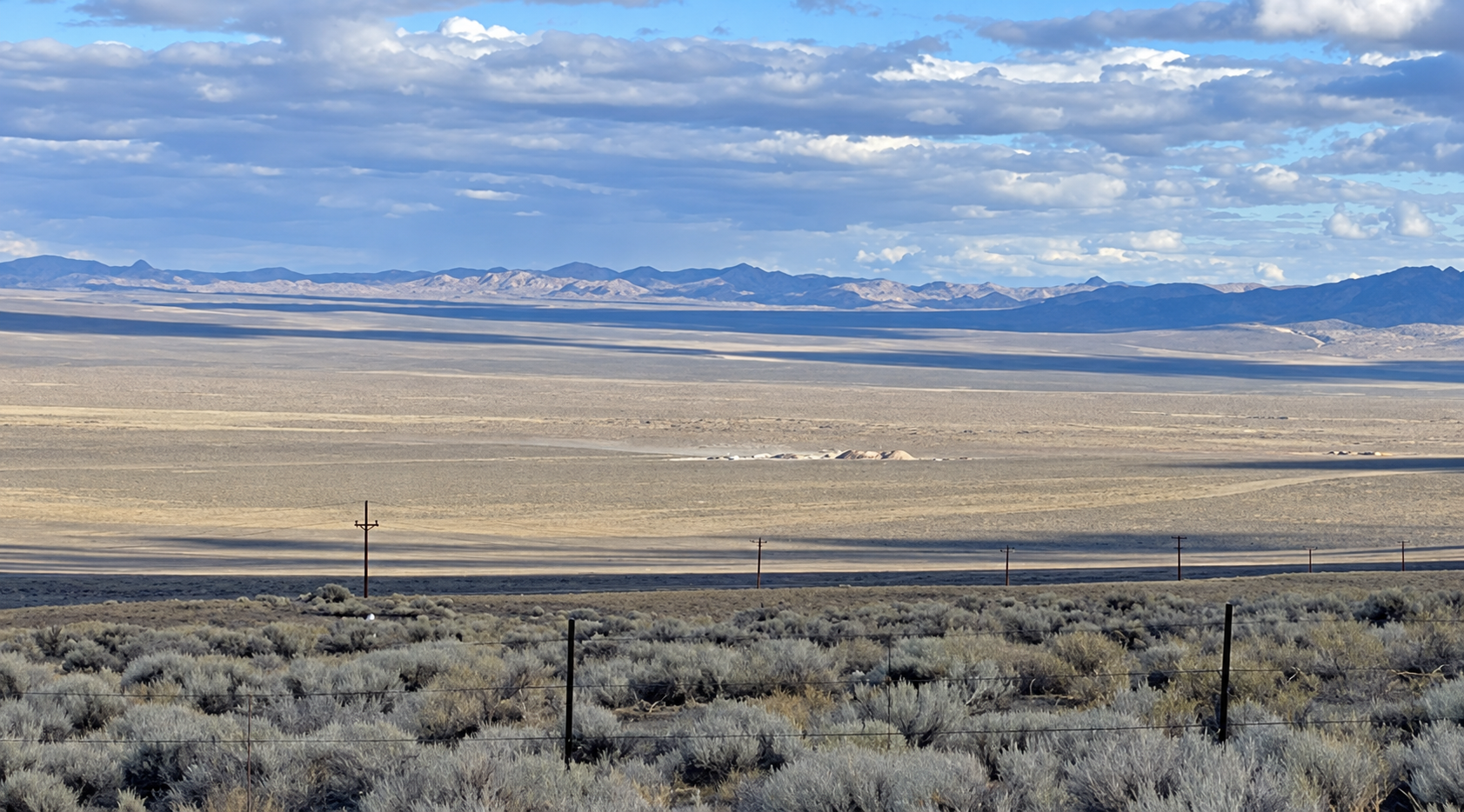
Hycroft Mining, a development-stage company advancing a large gold and silver deposit in Nevada, illustrates leverage rather than a cost floor. Its June 2026 technical study values the project at an after-tax net present value of $4.3 billion over a 51-year mine plan using planning-level metal prices. The company states that valuation more than doubles at recent market prices. The study estimates that each $100 per ounce increase in gold adds roughly $300 million in after-tax value, while every $5.00 per ounce increase in silver adds approximately $460 million. Much of that upside comes from the Brimstone and Vortex high-grade silver systems, which remain open for further drilling and are not included in the current mine plan.
Diane Garrett, President and Chief Executive Officer of Hycroft Mining, frames the trade-off her team has managed across gold's price cycles to get the asset to this point:
"You are going to go through the bull and bear markets in gold. As a low-grade system, you've got to build big to get economies of scale, but your margins also get squeezed if you're in a bear market in gold."
Exploration Upside Complements Established Development Projects
P2 Gold, an exploration-stage company advancing its Gabbs copper-gold porphyry project on Nevada's Walker Lane Trend, is targeting an increase from the 109,000-ounce-per-year production profile outlined in its preliminary economic assessment toward a 150,000-ounce-per-year feasibility study case. Recent geotechnical drilling indicates the Lucky Strike zone remains open beyond the current pit design, supporting the potential for a larger future mine plan.
Similarly, Tudor Gold, a development-stage company advancing its Treaty Creek project in British Columbia's Golden Triangle, illustrates exploration upside within a development-stage asset. A new silver discovery in the CBS Zone, grading more than 200 grams per tonne at depth, has not yet been incorporated into a published economic study. The discovery therefore represents exploration optionality within a development-stage project rather than value already captured in published project economics.
Joseph Ovsenek, President and Chief Executive Officer of Tudor Gold, frames the scale of the underlying gold resource against current pricing:
"We have 24.9 million ounces of gold in the indicated category, another 4 million ounces of gold in the inferred category. That is one of the biggest undeveloped gold deposits you'll find anywhere. The tunnels impact about 5 million ounces of gold, which has a lot of value, especially at $5,000 an ounce."
Permitting Certainty & Jurisdiction Reduce Gold Project Execution Risk
In the current macro environment, permitting timelines and jurisdiction carry as much weight as all-in sustaining costs when distinguishing financeable projects from exploration optionality. U.S. Gold Corp's CK Gold project is fully permitted in Wyoming, with a reclamation bond already accepted by state regulators, substantially reducing one of the primary sources of multi-year delays for U.S. mining projects.
New Found Gold's Queensway Phase 1 project in Newfoundland and Labrador entered the province's Environmental Preview Report process following a July 3, 2026 decision letter from the Minister of Environment. Under the province's legislated review timelines, the process provides a defined six-to-nine-month path to a permitting decision. The legislated timeline provides a defined regulatory schedule rather than an uncertain permitting process. The company has stated that engineering, procurement, and construction activities have not been affected while the review continues.
Gold's Near-Term Outlook Still Depends on the Fed
The next several weeks feature two binary events that are likely to influence gold more than any single company update. The Fed's July 29 decision and the June core Personal Consumption Expenditures report, due the following day, could reprice real yields, the same mechanism that has pushed September rate hike odds to roughly 78%. A hold paired with hawkish language would likely test gold's $4,000 floor again. Any softening in that tone, particularly if paired with a sustained pause in the Middle East conflict, could support a short-covering move toward the $4,200 to $4,300 range, which several trading desks have identified as the next resistance zone.
The Middle East war remains the more volatile variable, but it is not the dominant driver of gold prices this week. Its dominant transmission channel into gold prices currently runs more through oil prices and interest rate expectations than through safe-haven demand. As a result, a ceasefire headline could move gold less than hawkish guidance from Chair Warsh's press conference. That asymmetry, with monetary policy currently outweighing geopolitical headlines, is the key consideration for gold investors heading into month end. It is the framework through which the company developments discussed in this article should be evaluated.
The Investment Thesis for Gold
- Gold's outlook remains primarily a rates story, with war-driven oil inflation rather than safe-haven demand transmitting Middle East risks into prices, leaving the Fed's policy path as the dominant near-term catalyst.
- Official-sector buying continues to offset Western fund selling, a divergence that has historically preceded price stabilization once ETF outflows ease.
- Major bank price targets remain above current spot, including J.P. Morgan's, suggesting analysts have delayed the timing of higher prices rather than abandoned the long-term bullish thesis.
- Development-stage companies with all-in sustaining costs near or below $1,300 per ounce, or feasibility studies based on conservative gold prices, retain substantial margin protection at current spot prices.
- Permitting certainty, whether through completed approvals or defined regulatory timelines, lowers financing risk and distinguishes financeable projects from optionality plays.
- Exploration upside within development-stage companies provides company-specific catalysts, including maiden resource estimates and feasibility studies, that are less dependent on short-term gold price movements.
Gold's current setup is a question of timing, not conviction. The next repricing catalyst is more likely to come from the Fed's July 29 decision and the following week's core inflation print than from the next Middle East headline, as the conflict is influencing gold primarily through oil prices and interest rate expectations. For the development and exploration-stage companies covered here, that backdrop favors projects with sub-$1,300 all-in sustaining costs, feasibility studies based on conservative gold prices, and defined permitting timelines. Those fundamentals support project economics through the current correction rather than relying on a return to January's record highs. For investors, Chair Warsh's press conference remains the key event to watch.
TL;DR
Gold is behaving more like an interest rate asset than a traditional safe haven as war-driven oil inflation lifts Fed rate expectations and real yields. While Western investors continue reducing ETF holdings, central banks are steadily accumulating gold, supporting the long-term investment case. For mining investors, the current environment favors development-stage companies with conservative feasibility assumptions, low all-in sustaining costs, and clear permitting timelines over projects that depend on higher gold prices. Exploration upside remains valuable, but project quality and execution are becoming increasingly important as investors await the Fed's next policy decision.
FAQs (AI-Generated)
Analyst's Notes





Subscribe to Our Channel






Stay Informed






















