




Chinese Smelters Pay Miners for Copper Concentrate as Mine Supply Becomes the Key Constraint


Negative copper treatment charges shift pricing power to miners as concentrate scarcity raises advanced copper project valuations and delays market rebalancing.
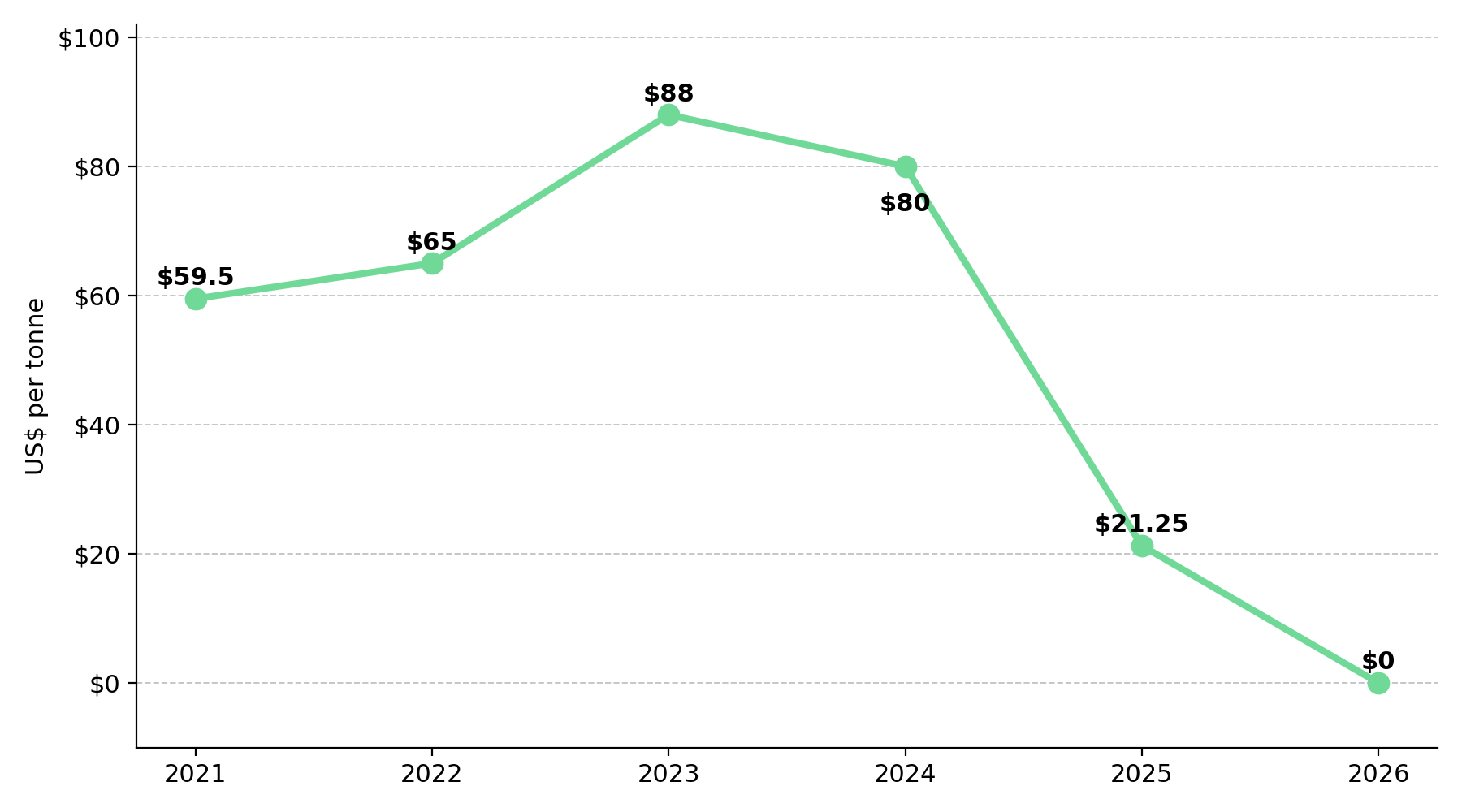
- Spot copper concentrate treatment and refining charges fell to -$126.80 per tonne at the end of June 2026 from the annual benchmark of $0 per tonne set in January 2026, the lowest annual benchmark on record. Smelters are paying miners to secure concentrate, shifting pricing power and processing margins toward concentrate producers.
- The International Copper Study Group (ICSG) cut its 2026 mine production growth forecast to 1.6% from 2.3% and projects refined production growth of just 0.4% as limited concentrate supply constrains smelter output.
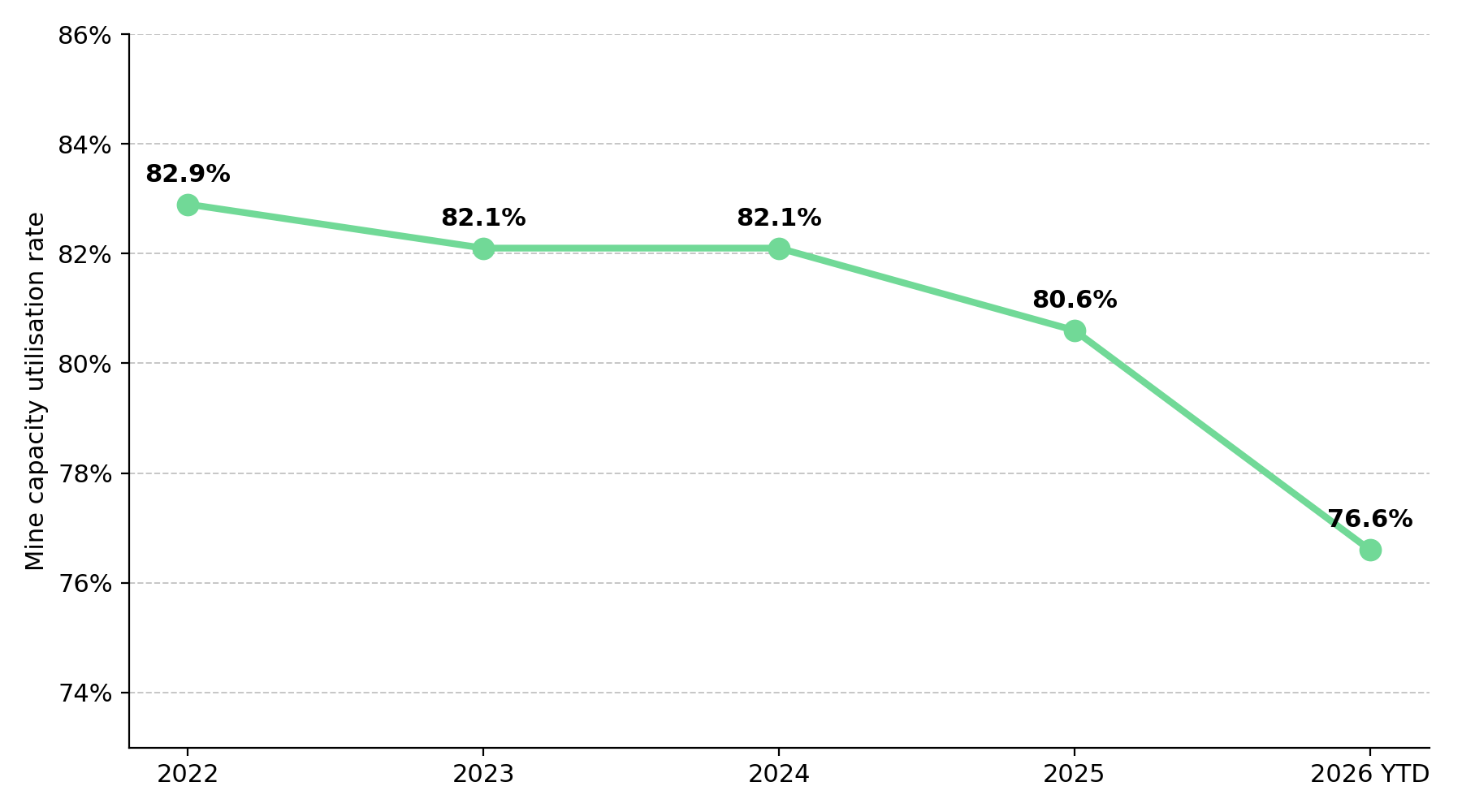
- Chile's largest copper producer is targeting 1.33 million tonnes, while first-half production at Antofagasta fell 9.5% to 285,000 tonnes, limiting new mine supply.
- Producer cash costs for 2026 span roughly $1.90 to $2.60 per pound as fuel and sulfuric acid costs vary across operations, while negative treatment charges leave standalone smelters unprofitable even at current copper prices.
- The valuation advantage for advanced copper developers and explorers may narrow after 2027, as the ICSG forecasts a 377,000-tonne refined surplus when restarting mines return concentrate to the market.
Negative TC/RCs Shift Pricing Power to Concentrate Producers, Raising Copper Mine Margins
Treatment and refining charges (TC/RCs) are the fees miners pay smelters to convert concentrate into refined copper. Negative TC/RCs have reversed that relationship, with smelters now paying miners to secure concentrate. The International Energy Agency (IEA) records the annual TC/RC benchmark settling at $0 per tonne in January 2026, the lowest annual benchmark on record. Spot TC/RCs fell further to -$126.80 per tonne by the end of June 2026.
TC/RCs provide the clearest measure of concentrate scarcity because they reflect transactions for physical feed, whereas refined inventories also reflect policy-driven metal movements. London Metal Exchange (LME) stocks fell 6,900 tonnes to 255,400 tonnes at the end of July, while Shanghai Futures Exchange (SHFE) stocks remained below 70,000 tonnes. Commodity Exchange (COMEX) held a record 644,465 tonnes as metal moved to the US ahead of a Section 232 tariff decision. Inventory tightness outside the US therefore partly reflects metal relocation rather than refined copper scarcity.
Antofagasta has agreed spot-indexed concentrate sales with some Chinese smelters, subject to a guaranteed price floor after some miners abandoned the zero annual benchmark. The shift to spot-indexed contracts indicates concentrate producers now hold greater pricing power.
Slowing Chilean Mine Supply Lifts Copper Development Values as New Tonnes Become Harder to Replace
Codelco Chairman Bernardo Fontaine told a congressional committee on July 15, 2026, that production in coming years is targeting levels similar to the company's 2025 output of 1.33 million tonnes. That removes the company's long-standing 1.7 million-tonne production target for 2030 from future global supply expectations.
Antofagasta reported first-half 2026 copper output down 9.5% to 285,000 tonnes and raised cash cost guidance to $2.40-$2.60 per pound, with Chief Executive Officer Ivan Arriagada attributing higher costs to disruptions in oil and other feedstock markets. Cochilco is due to release a preliminary audit of Codelco's production in September 2026 following questions over its 2025 reporting, leaving the production baseline subject to further verification.
Fitzroy Minerals has completed 78 diamond drill holes totaling 13,036 meters and is targeting completion of the Tenorita drill-out in August 2026 to support a Pre-Feasibility Study (PFS). Merlin Marr-Johnson, President and Chief Executive Officer of Fitzroy Minerals, explains why sustaining global copper supply requires higher prices:
"They estimate that in 2024 Chile produced about 5.43 million tonnes of copper, and after spending over $50 billion, production only increased by around 100,000 tonnes. Vast amounts of money are going just to maintain production. So metal prices have to rise as demand is strong."
Chinese Smelter Curtailments Cap Refined Growth at 0.4%, Reinforcing Copper Mine Scarcity
The Center on Global Energy Policy at Columbia University's School of International and Public Affairs (SIPA) reports that China's largest smelters have cut production by more than 10% in 2026 in response to negative processing fees, while the Chinese government has halted some new smelter construction. Despite lower smelter demand, TC/RCs remain negative, indicating mine supply is still the binding constraint.
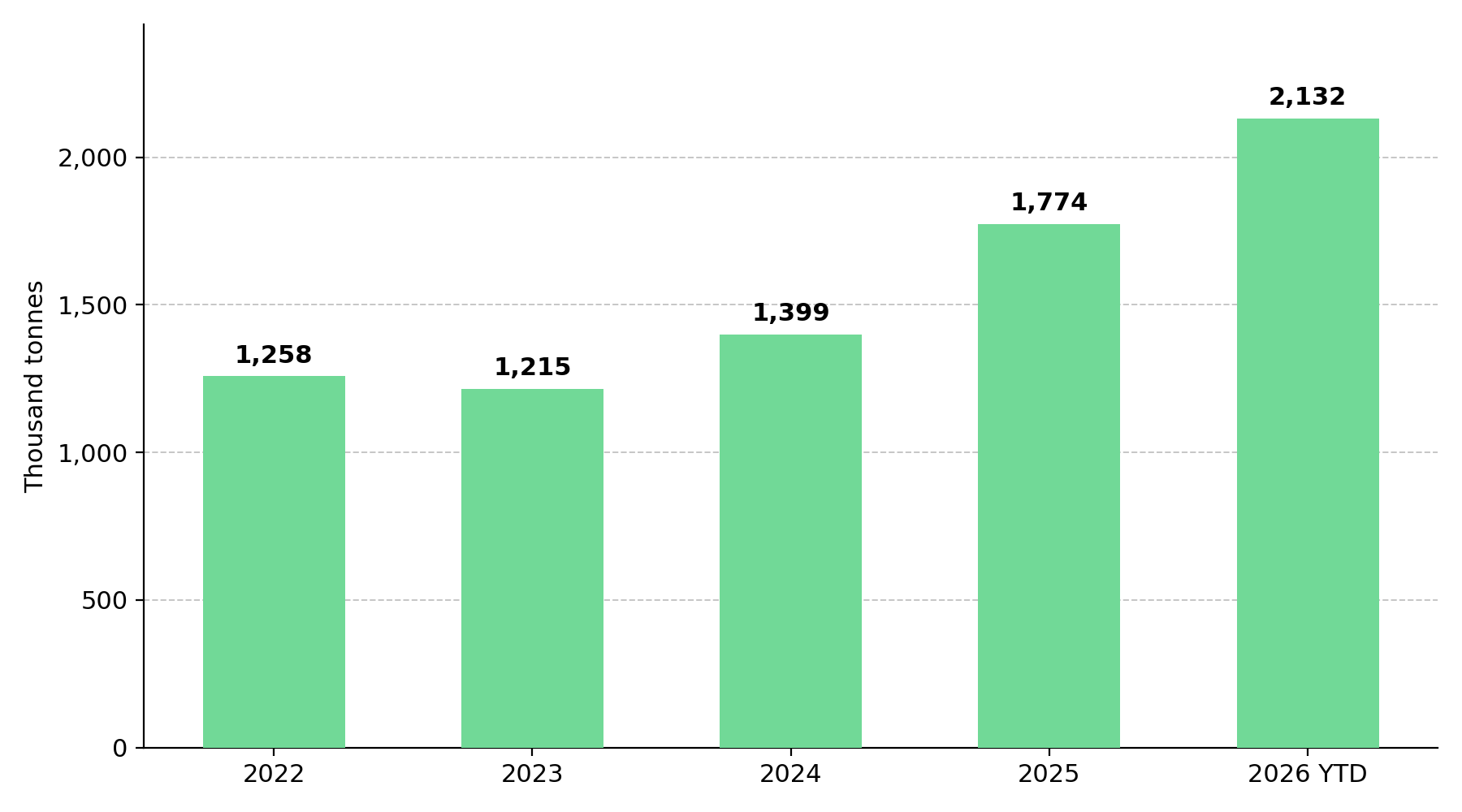
Shanghai Metals Market (SMM) reported China's July 2026 copper cathode production at 1.1268 million tonnes, down 1.59% month on month and 39,200 tonnes below the projected 1.166 million tonnes because of difficulties procuring scrap anodes and scheduled smelter maintenance. Cumulative January to July output reached 8.148 million tonnes, up 4.9% year on year, while the ICSG forecasts refined production growth of just 0.4% in 2026 because of limited concentrate availability, accelerating to 3.0% in 2027 if new mine supply reaches smelters as scheduled.
Concentrate Scarcity Rewards Financeable Copper Projects, Raising Development Asset Values
When refined output is constrained by concentrate supply rather than smelter capacity, each additional tonne of concentrate becomes more valuable than when TC/RCs were positive. Developers are increasingly evaluated on their ability to deliver new copper supply rather than resource size alone, favoring projects with a current resource estimate, a defined path to project financing, and metallurgy that supports low capital intensity.
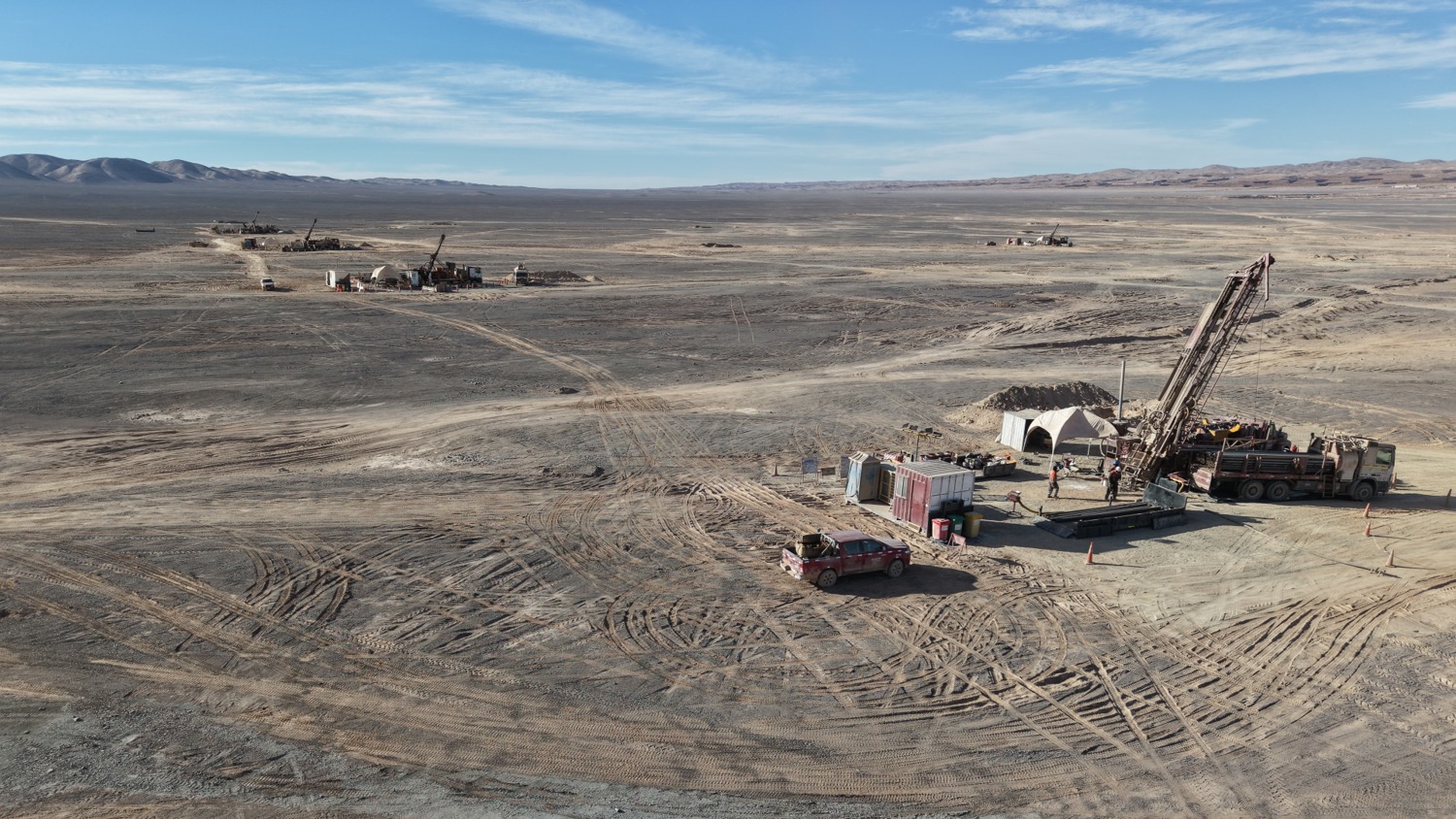
Marimaca Copper is advancing a 30,000-meter resource-definition drilling program at Pampa Medina, where 300-meter step-out drilling continues to expand the deposit footprint ahead of a maiden resource targeted for early 2027. Located approximately 25 kilometers from the planned Marimaca Oxide Deposit processing plant, Pampa Medina is being evaluated as a satellite deposit to extend mine life and increase future cathode production. The company is advancing project financing and detailed engineering for the Marimaca Oxide Deposit, with first cathode production targeted in 2029. Hayden Locke, Chief Executive Officer of Marimaca Copper, discusses why scalable copper development assets remain unusually scarce:
"There aren't really any juniors with significant-scale development assets that can come into production. They're either too small in terms of production, too big to finance, or they're not permitted."
Higher Resource Confidence Improves Project Financeability & Supports Copper Asset Valuations
When concentrate supply is constrained, projects with measured and indicated resources carry greater value than inferred resources because they are closer to mine planning, project financing, and potential production.
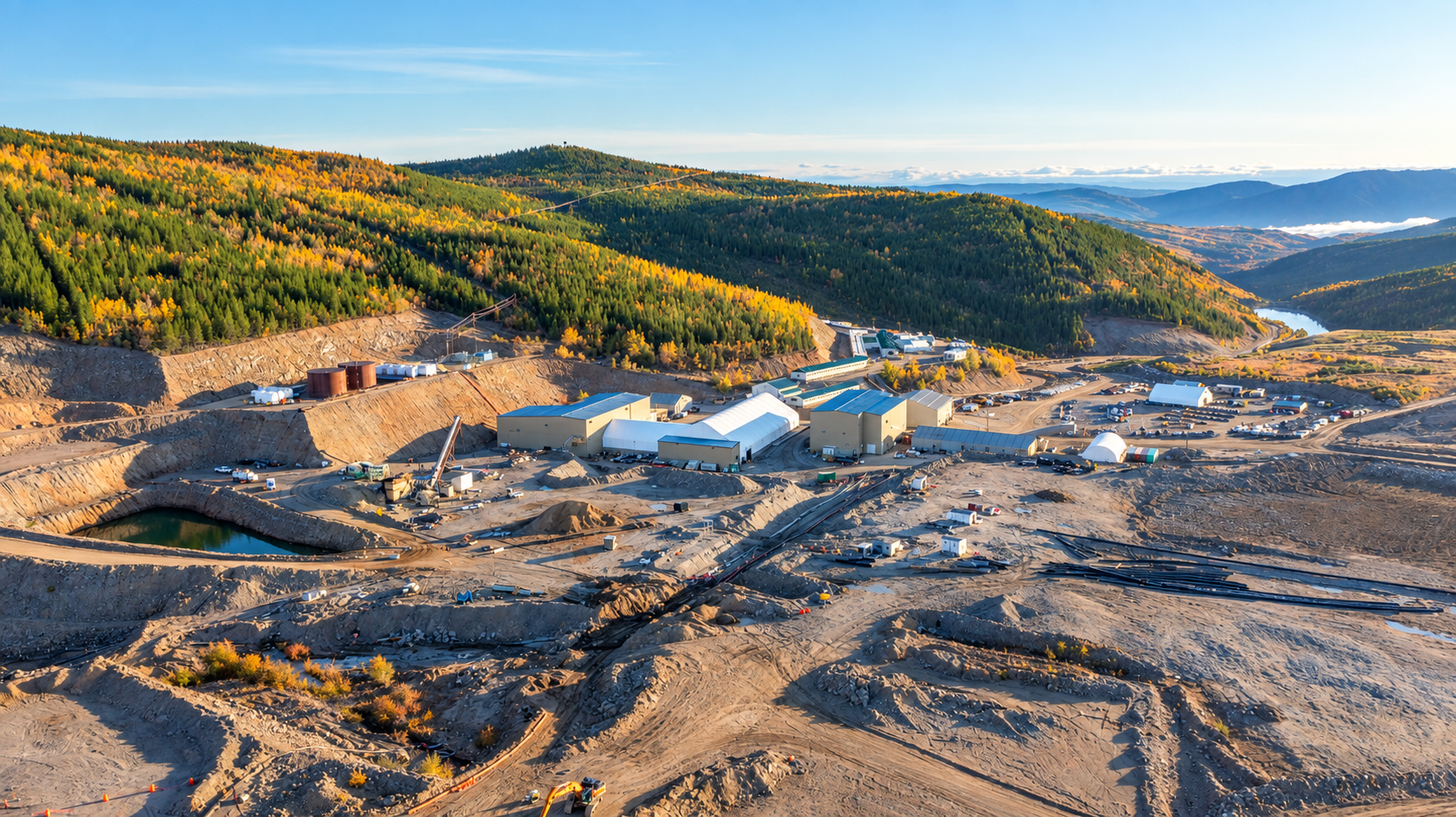
Selkirk Copper's 2026 Mineral Resource Estimate for the Minto Project in Yukon established 47.8 million tonnes in the measured and indicated categories, a 280% increase in tonnage from the 2025 estimate. Underground measured and indicated resources total 26.0 million tonnes grading 1.14% copper, with a mine plan targeting 4,100 tonnes per day over 12 to 15 years. The company attributes roughly half of the increase in indicated resources to higher metal prices and mine design assumptions, with the balance resulting from drilling. Colin Joudrie, Director and Chief Executive Officer of Selkirk Copper, explains what smelters increasingly value in concentrate supply:
"We produce a high-quality copper concentrate with strong gold and silver credits and very low deleterious elements. That means the concentrate trades well in the market, which becomes increasingly important when buyers are looking for clean feed."
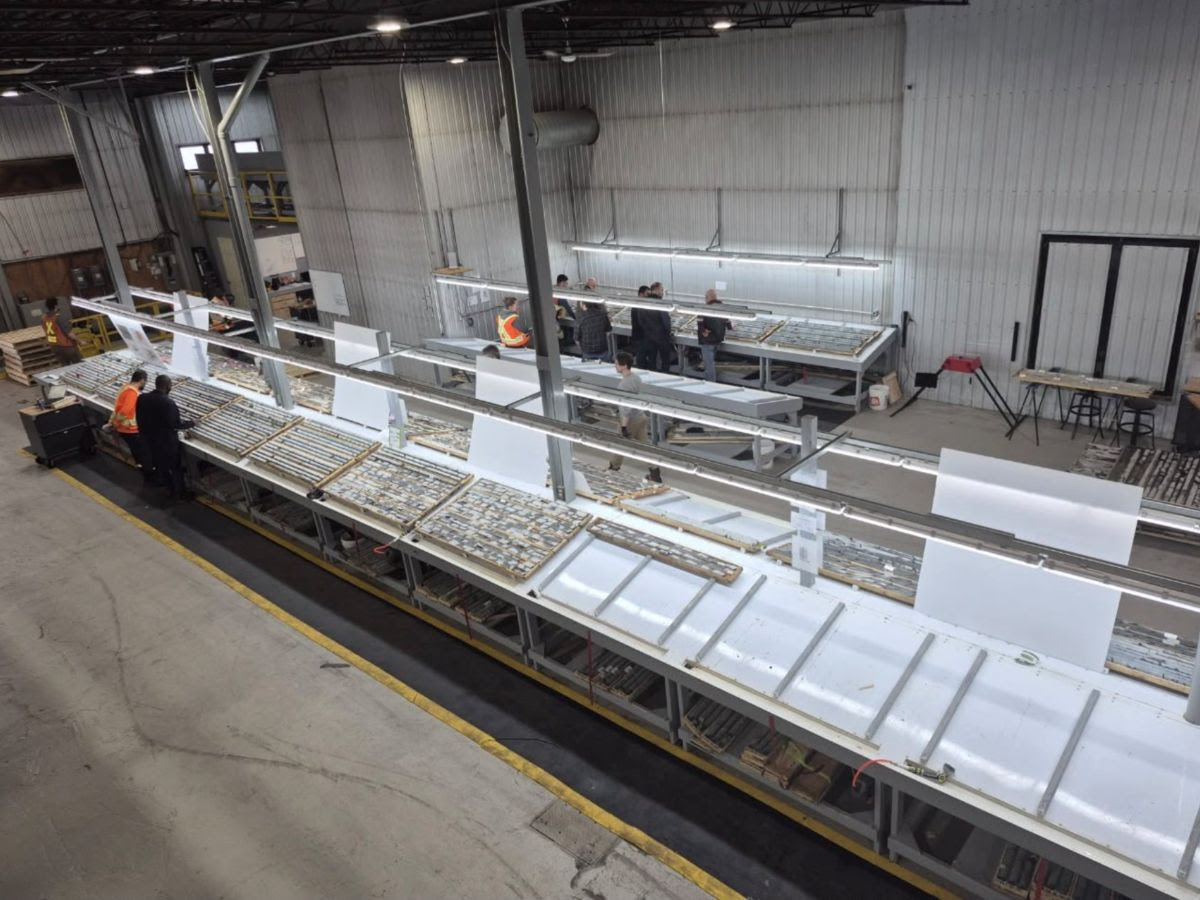
Abitibi Metals advanced the B26 copper-gold deposit in Québec to a 2026 mineral resource estimate of 25.3 million tonnes grading 2.1% copper equivalent, containing 775 million pounds of copper, 471,000 ounces of gold, 16 million ounces of silver, and 376 million pounds of zinc. The company holds approximately C$44 million in cash, with funding secured for up to 80,000 meters of drilling through 2027 to support resource expansion and project studies. Jon Deluce, Founder and Chief Executive Officer of Abitibi Metals, explains why copper acquisitions remain an industry priority:
"Many producers have said copper-gold deposits are the most sought-after deposits in the market today. Producers are printing record levels of cash flow but remain behind the eight ball in replenishing exploration and development targets. It speaks to the rarity of these opportunities and the demand for these large, long-life assets."
Future Copper Supply Narrows Scarcity & Shortens the Window for New Copper Projects
New mine supply is scheduled to return through 2027, supporting the ICSG's forecast of a 377,000-tonne refined surplus, as Freeport-McMoRan reported Grasberg Block Cave production rates doubling from an April average of 34,000 tonnes per day to 69,000 tonnes per day in June. Chief Executive Officer Kathleen Quirk said the operation is targeting 65% of full district capacity in the second half of 2026, 80% by mid-2027, and near full capacity by year-end 2027.
Cobra Resources completed a four-hole, 1,465-meter diamond drilling program at the Manna Hill Copper Project in South Australia's Nackara Arc, following the recent discovery of shallow high-grade copper-gold mineralization at the Blue Rose prospect. The latest drilling identified bornite-rich mineralization associated with a porphyry intrusion, strengthening the case for a larger copper system before the company exercised its option to acquire the project. The observations are based on visual estimates rather than laboratory assays, with assay results targeted from August 2026. The company plans a reverse circulation drilling program at Blue Rose, Desert Rose, and Double Delight in September 2026.
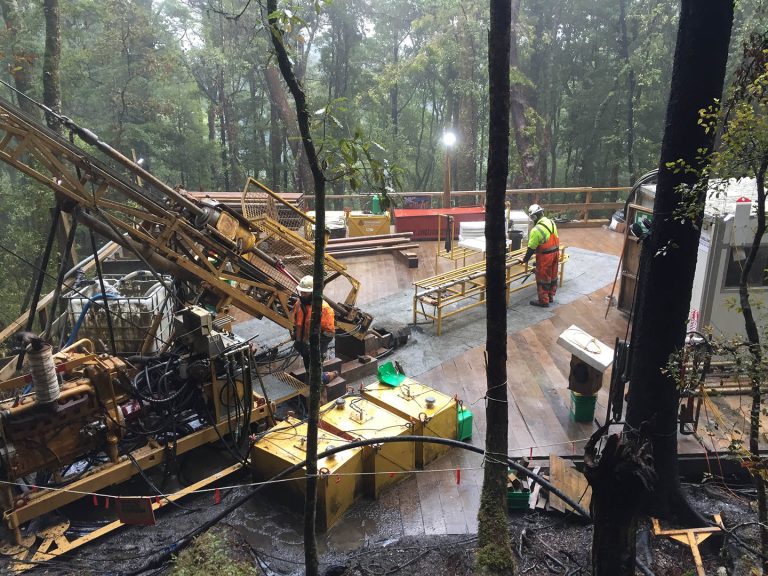
Mogotes Metals reported a drill intercept of 180.0 meters grading 0.98% copper equivalent from 108.0 meters in hole FS_DDH_016 at the Filo Sur project in the Vicuña district, including 58.0 meters grading 1.77% copper equivalent from 111.0 meters. Copper equivalent values assume 80% recoveries for copper, gold, silver, and molybdenum based on district analogs, although no metallurgical test work has yet been completed on the project. On July 13, 2026, Rio Tinto agreed to make a US$15 million strategic investment and form a proposed strategic and technical alliance focused initially on Filo Sur, with proceeds intended to advance exploration and work programs, subject to regulatory approvals and completion of the transaction. Allen Sabet, Chief Executive Officer of Mogotes Metals, discusses why major copper discoveries attract industry-wide attention:
"There have been no other large discoveries like Filo in the last 30 years. When you start to clip into something like that, it attracts interest regardless of whether you want it or not."
Concentrate Availability, Not Refined Inventory, Drives Copper Outlook & Equity Repricing
Three market indicators show that mine supply remains the binding constraint: the annual TC/RC benchmark settled at $0 per tonne, spot TC/RCs remain near -$126.80 per tonne, and the ICSG forecasts refined production growth of just 0.4% in 2026. The regional imbalance in refined inventories, with a record 644,465 tonnes on COMEX and 255,400 tonnes on the LME, depends on the US Section 232 tariff decision. The concentrate deficit will ease only as new mine supply comes online over the coming years.
The copper supply outlook depends on measurable market indicators, with a recovery in the SMM Imported Copper Concentrate Index above -$50 per dry metric tonne indicating concentrate supply has improved enough for Chinese smelters to increase utilization. The outlook would weaken further if Grasberg reaches 80% of capacity by mid-2027 and Cobre Panamá secures full authorization, increasing concentrate supply in line with the ICSG's forecast 377,000-tonne refined surplus.
The Investment Thesis for Copper
- Negative TC/RCs have shifted processing margins from smelters to concentrate suppliers, increasing the value of producers and advanced developers closest to concentrate production.
- Measured and indicated resources with a defined path to a PEA or PFS command higher valuations because they can advance toward production more quickly than early-stage exploration targets.
- Producer cash costs now span roughly $1.90 to $2.60 per pound in 2026, meaning changes in the copper price will affect earnings differently across producers.
- Jurisdiction increasingly influences project valuations because permitting certainty, existing infrastructure, and seasonal access determine how quickly projects reach development milestones.
- Companies with secure funding and year-round access can advance projects more quickly, reaching financing and development milestones ahead of projects constrained by funding and seasonal drilling.
- The current scarcity premium is likely to narrow as mine supply returns and the ICSG forecasts a refined surplus in 2027, increasing the advantage of developers that secure financing before new supply enters the market.
- Project risk remains because visual mineralization estimates are not assays, assumed metallurgical recoveries may differ from test results, and resource estimates based on higher metal price assumptions may decline if commodity prices weaken.
A spot TC/RC of -$126.80 per tonne is a settled market price rather than a forecast, measuring how much smelters will pay to secure concentrate they cannot otherwise obtain. That pricing shift increases the value of advanced development projects, making grade, resource category, and development timeline more important than short-term movements in refined inventories. The SMM Imported Copper Concentrate Index and the ICSG's 2027 refined balance forecast will show whether the concentrate shortage is easing, but neither should be interpreted from a single week's data.
TL;DR
Negative copper treatment and refining charges show that concentrate, not refining capacity, has become the limiting factor in the copper market, forcing smelters to pay miners for scarce feed. Slowing mine supply growth in Chile, Chinese smelter curtailments, and limited refined production growth support higher margins for producers and increase the value of financeable copper development projects with defined resources. While new mine supply from projects such as Grasberg is expected to ease the deficit and contribute to a refined surplus in 2027, developers that advance toward production before that supply returns may benefit from the current scarcity premium.
FAQs (AI-Generated)
Analyst's Notes





Subscribe to Our Channel











Stay Informed


