Cobra Resources Ties Bornite Copper to a Magnetic Low at Manna Hill: 7 Things You Need to Know


Cobra Resources' diamond drilling at Manna Hill ties bornite copper to a magnetic-low signature, creating a repeatable porphyry copper targeting method.
Project Overview
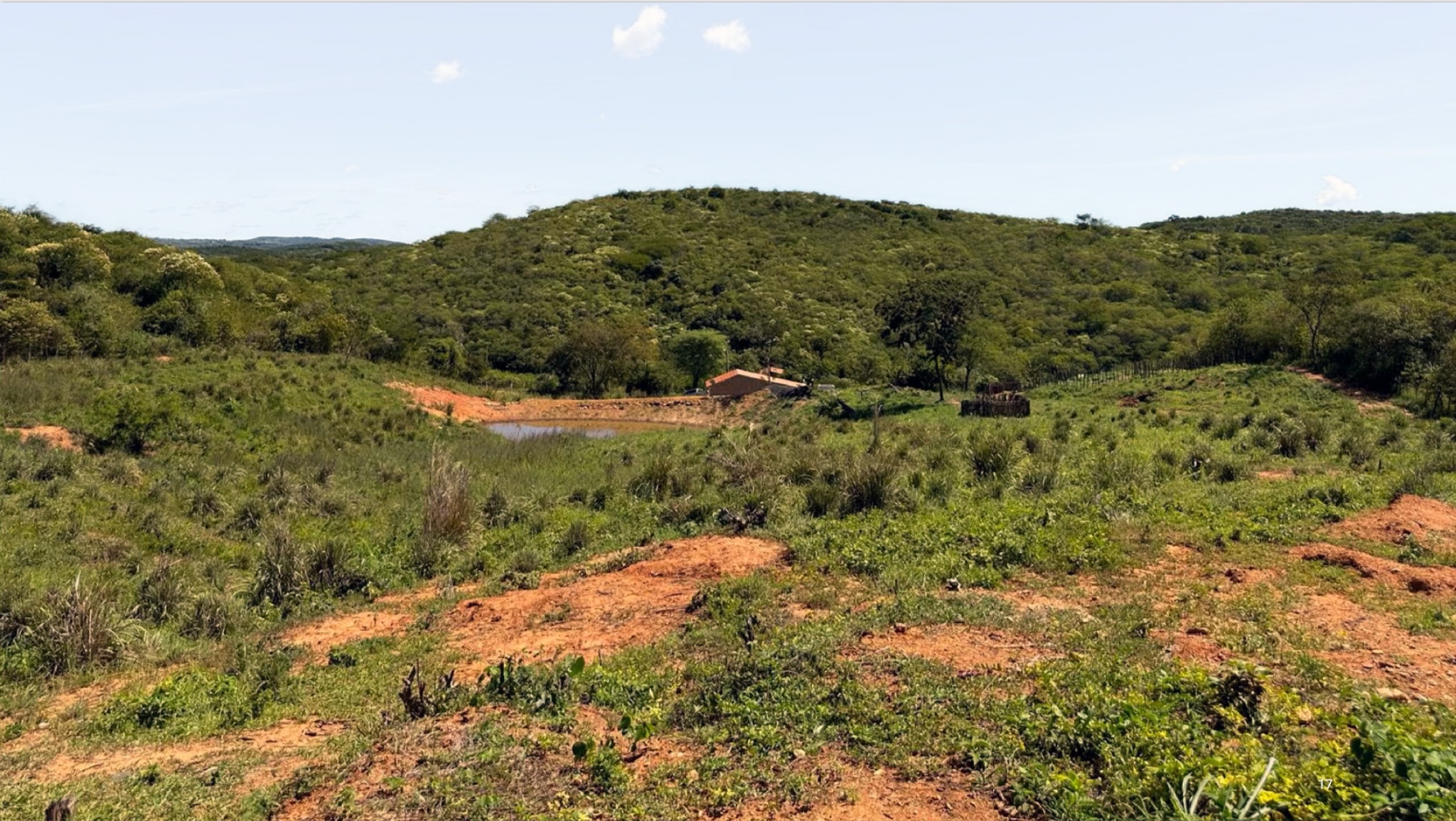
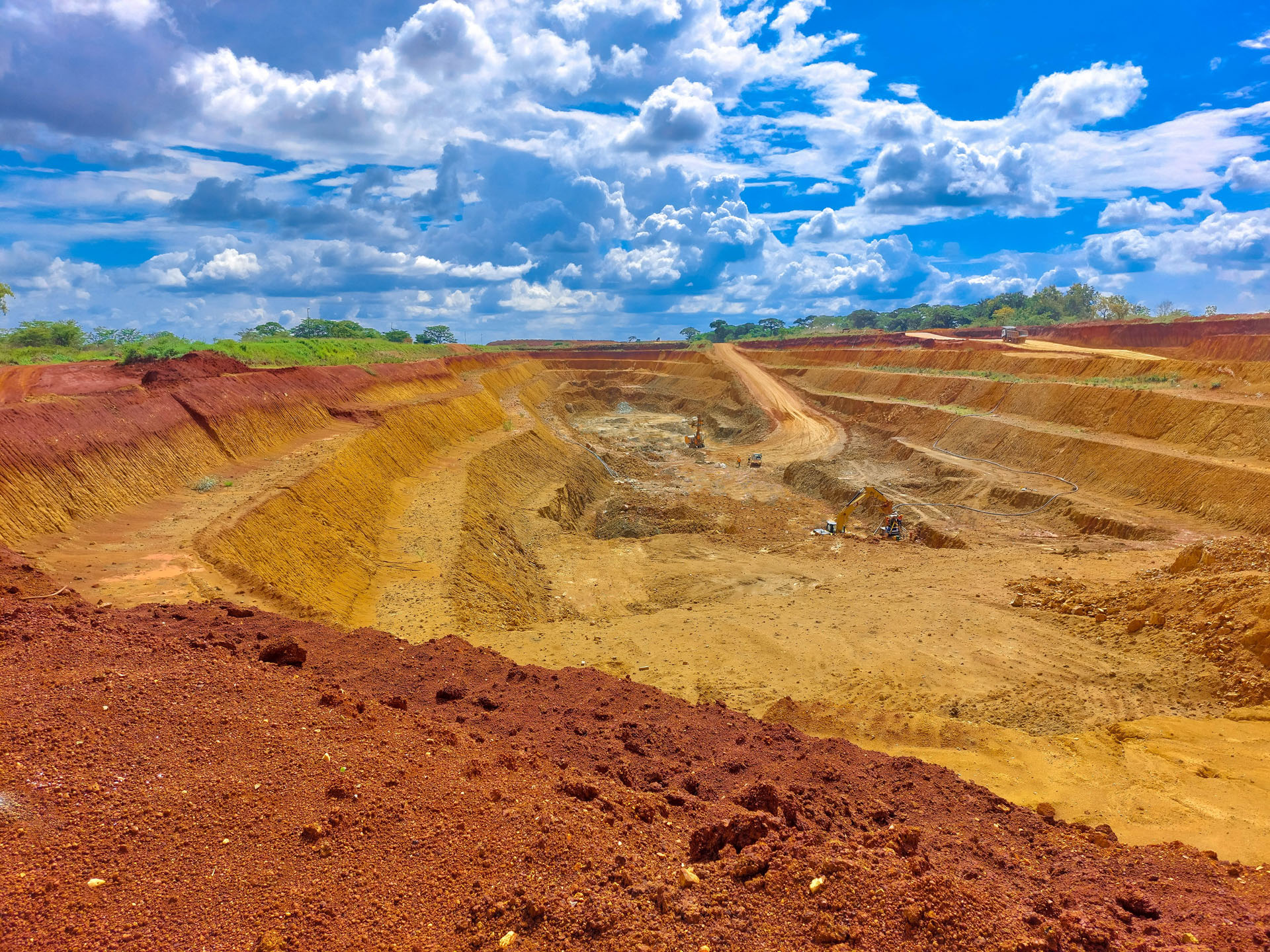
Cobra Resources (LSE: COBR) has concluded its first diamond drilling programme at the Manna Hill copper project in South Australia, described as the state's premier porphyry prospect in a jurisdiction that holds around 70% of Australia's copper reserves. The project sits along the national railway and Barrier Highway between the mining hub of Broken Hill, the Port Pirie base-metals smelter, and Adelaide, placing any future development within reach of existing rail and processing infrastructure. Manna Hill combines a calc-silicate skarn, where copper grade tracks proximity to porphyry pencil intrusions within a dolomite unit, with a larger porphyry system that had not been drilled directly until this programme.
The four holes were designed to answer a single question: what feeds the shallow, high-grade skarn at the Blue Rose prospect, and whether an intrusive porphyry source sits beneath it. Past exploration had defined shallow copper mineralisation across 1.6 kilometres of strike, giving Cobra scale at surface but no confirmed driver at depth. The diamond core has returned no assays yet, but the geological observations point to a porphyry system and, more usefully for what follows, to a method of finding more of it.
1. A Four-Hole Diamond Programme Designed to Test Depth & Source
The 1,465-metre programme carried a dual objective: to confirm that shallow skarn grade continues at depth and to test whether an intrusive porphyry lies below it.
Cobra drilled four diamond holes for 1,465 metres of HQ core, against an original plan of up to 1,800 metres, with a rig operating 24 hours a day. The holes were positioned to test extensions of the shallow copper-gold mineralisation at Blue Rose, the depth continuity of the skarn, and an endo-skarn model within a single programme. Diamond core provides a direct reading of the structural and geological controls on mineralisation, which sharpens how the next drilling phase is designed.
2. Bornite in Potassic Zones & a Higher-Temperature System
A zone of bornite between 220 and 257 metres depth points to a hotter, potentially higher-grade core than the chalcopyrite-dominated skarn above it.
One hole, drilled to test depth continuity below shallow reverse circulation (RC) intersections of 74 metres at 1.02% copper and 0.25 grams per tonne gold from 72 metres depth and 86 metres at 0.60% copper and 0.14 grams per tonne gold from 18 metres depth, tracked chalcopyrite from 169 to 209 metres depth before entering a bornite zone from 220 to 257 metres. The bornite occurs within mineralised biotite schist that envelops porphyry diorite and monzonite intrusions, forming at higher temperatures within the potassic zones of a porphyry system. Chalcopyrite continued to the end of the hole at 321 metres depth.
Managing Director of Cobra Resources, Rupert Verco, frames what the bornite zone implies:
"Intersecting a bornite-rich zone associated with a porphyry intrusive sequence is a positive indicator of a potentially higher-grade porphyry system."
Bornite carries a higher copper-to-iron ratio than the chalcopyrite around it, so a zone dominated by it places the drilling closer to the hotter centre of the system.
3. Geophysics Tied Directly to Mineralisation
The bornite zone coincides with an inversion-modelled magnetic low, tying a geophysical signature directly to copper and turning the magnetic dataset into a target generator.
Copper at Manna Hill is associated with a diorite-type porphyry that formed during a period of polar reversal, resulting in reversed magnetisation that appears as a deep magnetic low. The bornite mineralisation proximal to the porphyry intrusions spatially coincides with an inversion-modelled magnetic anomaly, an east-west striking feature. That coincidence establishes a direct correlation between the magnetic signature and copper mineralisation, which provides a repeatable method to target further high-grade shoots and additional porphyry-type mineralisation across the project.
Verco is precise on the targeting implication:
"The insights gained from this drilling are improving our understanding of the mineral system and the relationship between geophysics and mineralisation. As this relationship becomes clearer, further scalable targets are emerging."
With the correlation in hand, the existing magnetic survey becomes a ranked set of drill targets rather than a single anomaly, and the findings have already refined targeting for the next drilling phase.
4. A Fault-Bound Anhydrite Breccia Linking Porphyry & Skarn
A large fault-bound anhydrite breccia between 190 and 220 metres depth is the pathway that carried copper-bearing fluids from the porphyry into the Blue Rose skarn.
One hole intersected a large fault-bound anhydrite breccia from 190 to 220 metres depth. Anhydrite breccias form from the oxidising, sulphate-rich fluids of a porphyry system, and this one is interpreted as the structural pathway linking the parent porphyry to the overlying Blue Rose skarn. The breccia carries no sulphides itself, so the zone is a vector rather than an intersection, but anhydrite breccias of this scale are unusual and point to a large porphyry system feeding the pathway.
5. Rising Temperature & Mineralisation Outside the Skarn Footprint
A further hole shows mineralisation intensifying with depth toward a heat source, and shallow copper oxide sitting outside the modelled skarn, widening the target in two directions.
One hole intersected shallow copper oxide from 14 to 67.5 metres depth, outside the current modelled skarn footprint, which extends the near-surface target beyond its mapped limits. Deeper in the same hole, magnetite and chalcopyrite increased with depth, and garnet appeared, both indicating a rising temperature gradient as the hole approached an intrusive heat source. Chalcopyrite with pyrite and magnetite recurred across multiple intervals from 74 to 342 metres depth, showing the mineralisation is not confined to the shallow skarn.
6. Broad Potassic Alteration & Sulphides Extended to Depth
Broad potassic alteration in a further hole and sulphide mineralisation now observed to 300 metres depth place the drilling close to a large porphyry body within the known high-grade footprint.
One hole intersected large alteration zones, including potassic alteration from 265 to 320 metres depth, carrying significant pyrite and pyrrhotite with minor chalcopyrite. Potassic alteration on this scale forms near the core of a porphyry system, which supports proximity to a large porphyry body. Across the programme, observed sulphide mineralisation now extends to 300 metres depth within a high-grade portion of the existing footprint, deepening a system previously defined mainly at surface.
7. Option Exercised & the Path to Follow-Up Drilling
On the strength of these observations, Cobra exercised its option to own Manna Hill outright and set a September programme to test the newly ranked magnetic targets.
Cobra formally exercised its option to acquire 100% of Hamelin Gully, the licence holder for Manna Hill, converting the observations into ownership. Hamelin Gully holds three exploration licences covering 1,855 square kilometres. The step commits the company to advancing two South Australian projects at once: the Manna Hill copper project and the Boland in situ recovery rare earth project.
Verco puts the commitment this way:
"With strong shareholder support, we have exercised the Manna Hill Option and are now progressing two significant South Australian projects in parallel."
The diamond core is being sampled for assay and petrology, and the findings feed the design of a follow-up RC programme aimed at extending scale and testing step-out targets. That RC programme is planned for September 2026 and will test the other key magnetic targets that the correlation has now ranked.
Key Takeaway for Investors
- The coincidence of bornite copper with an inversion-modelled magnetic low gives Cobra a repeatable geophysical method for ranking and targeting porphyry copper across the project.
- Four independent vectors point to a large, fertile porphyry system, spanning a higher-temperature bornite zone, a large anhydrite breccia fluid pathway, a rising thermal gradient toward a heat source, and broad potassic alteration.
- Observed mineralisation now extends to a depth of 300 metres and includes shallow copper oxide outside the modelled skarn, widening the target at surface and at depth.
- Cobra has secured full ownership of Manna Hill and has set a September 2026 reverse-circulation programme, with laboratory assays anticipated from August 2026.
What the programme hands Cobra is an exploration model for the rest of the system, built on a geophysical dataset that now maps to copper and alteration vectors, all pointing toward a single large porphyry source. That gives the company a defined route to test scale at Manna Hill rather than a single headline width of copper. The grade remains an open question and will not be resolved until the laboratory results arrive.
Bottom Line
These are visual estimates, not assays, and confirmation of the copper case still depends on laboratory results to come.
The geological observations are qualitative visual estimates from diamond core logging, and no laboratory assay results have been reported. Visual estimates of mineral abundance are not a substitute for laboratory analysis and carry no information on impurities or deleterious properties relevant to economic value. The targeting method is the durable outcome of the programme regardless of the assays, but confirmation of grade and the higher-grade porphyry thesis depends on the laboratory results anticipated from August 2026, ahead of the RC programme in September 2026.
Analyst's Notes





Subscribe to Our Channel






Stay Informed