




Copper’s 80% Surplus Decline Opens Doors for New Projects



Recycling, inventories, and project funding shape copper supply opportunities as electrification increases demand for grids and electrical equipment.
- Copper’s preliminary apparent refined surplus fell approximately 80% year over year to 32,000 metric tons during January-July 2026, leaving less excess production to absorb supply disruptions or stronger usage.
- Scrap-based refined production rose 4.3% while mine output declined approximately 1% during January-July 2026, showing that additional recycled supply did not prevent the refined surplus from narrowing.
- Electrification adds copper demand through grids and electrical equipment, while long mine-development timelines require project spending years before production can generate revenue.
- Project valuation should reflect the development stage, with engineering and construction funding central to developers, and resource definition and economic studies central to explorers and restart candidates.
- Exchange copper inventories rose 34% from year-end 2025 to the end of August 2026, supporting project selection based on funding, costs, and delivery plans rather than an assumed immediate shortage.
Faster Consumption Growth Narrows Copper’s Refined Surplus
The International Copper Study Group (ICSG), in its September 24, 2026 release, reported a preliminary apparent refined copper surplus of 32,000 metric tons for January-July 2026, down from 157,000 metric tons in the same period of 2025. The 79.6% decline, rounded to 80%, left less excess production available to absorb stronger usage or supply shortfalls.
During January-July 2026, refined copper production grew 1.7% year over year, while apparent refined usage rose 2.4%, reducing the excess of production over reported consumption. Mine output declined approximately 1% over the same period, while scrap-based refining contributed additional refined supply.
June 2026 recorded a refined copper deficit of 74,000 metric tons, followed by a 51,000-metric-ton deficit in July. Adjusting the seven-month balance for estimated changes in Chinese bonded copper inventories shifted the headline surplus to an approximately 5,000-metric-ton deficit. This alternative estimate depends on inventory assumptions, while the preliminary seven-month figures do not establish the full-year balance.
Recycling Can Reduce Future Copper Mining Needs Without Eliminating Them
Secondary refined copper production, meaning copper refined from scrap, rose 4.3% year over year during January-July 2026. This measure excludes scrap used directly in manufacturing, so it does not capture all recycled copper supply.
The International Energy Agency (IEA), in its 2024 Recycling of Critical Minerals report, estimates that expanded recycling could reduce new copper mine-development requirements by 40% by 2050 under the Announced Pledges Scenario (APS), which assumes national climate pledges are met. New mine investment remains necessary in that scenario because projected supply requirements exceed current production, while output from existing mines declines.
Electrification Raises Future Copper Supply Requirements
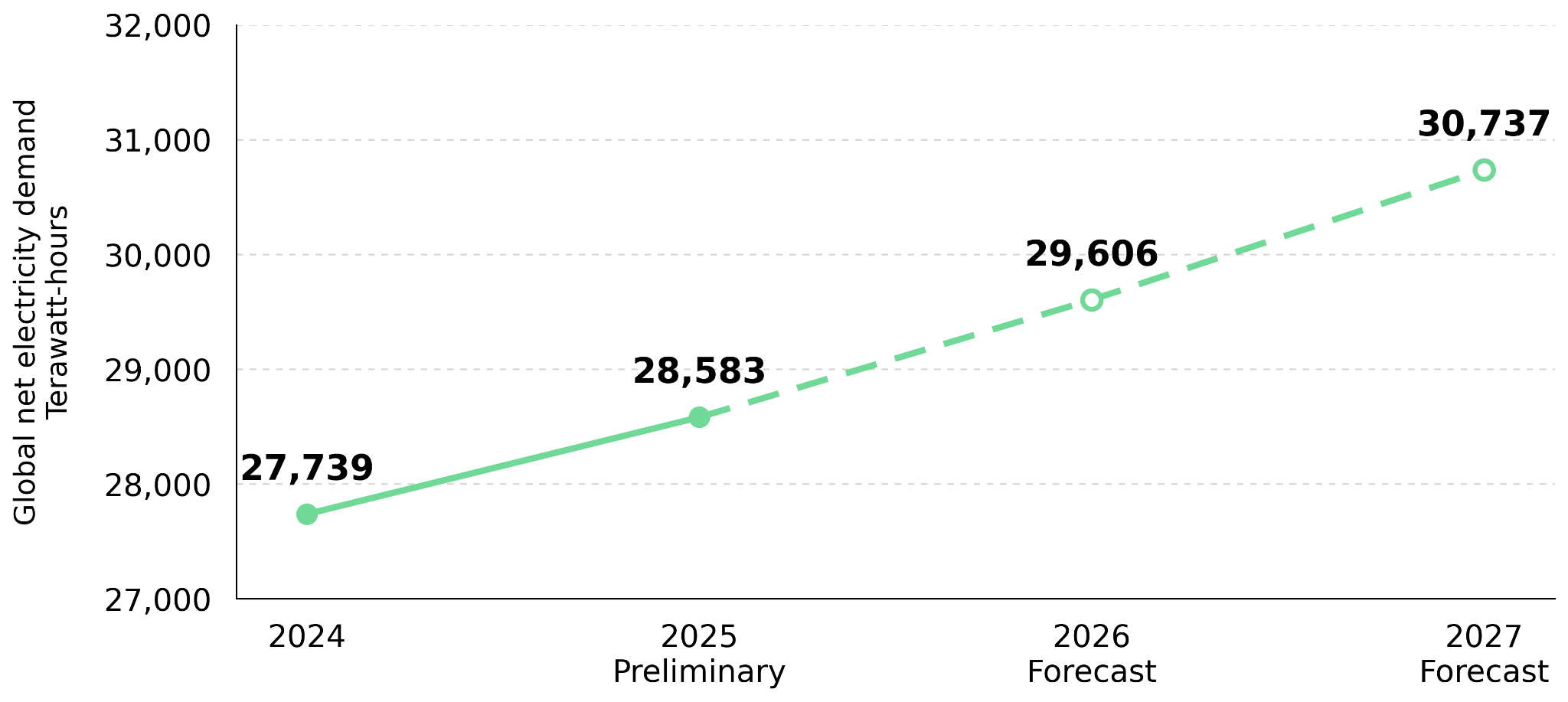
The IEA’s July Electricity Mid-Year Update 2026 forecasts global electricity-demand growth of 3.6% in 2026 and 3.8% in 2027, supported by industry, appliances, electric vehicles, cooling, heat pumps, and data centers. These rates measure electricity consumption; additional copper demand depends on the power networks and electrical equipment built to serve that consumption.
The IEA’s Electricity 2026 report estimates that meeting projected electricity demand requires annual grid investment to rise approximately 50% by 2030 from around US$400 billion. That figure measures spending on the whole grid, rather than copper purchases alone.
Projected Copper Supply Shortfalls Support New Mine Development
The IEA’s Global Critical Minerals Outlook 2026 projects mine supply approximately 25% below primary copper requirements in 2035 under the Stated Policies Scenario (STEPS). These requirements represent total demand after recycled supply is deducted, with refining losses also accounted for. This projected mine-supply shortfall differs from ICSG’s observed seven-month refined balance.
The projected 2035 shortfall narrowed from approximately 30% in the 2025 outlook to 25% as new projects advanced. Additional production can reduce that gap, making funding and production schedules relevant to project selection while the forecast remains conditional on demand and delivery.
Long Mine Lead Times Support Early Copper Project Preparation
The IEA's March 2, 2026 commentary describes lead times of around 17 years from discovery to production for new copper projects. That delay means development spending precedes production revenue, making progress in engineering, infrastructure access, and mine planning relevant to the timing and funding of future supply.
Marimaca Copper reports grid connection approval and a preliminary framework to supply its project with renewable electricity. The proposed power terms align with feasibility-study cost assumptions and provide flexibility during production ramp-up, improving visibility over a key operating input. Road upgrades and detailed engineering are progressing, with early site work targeting the fourth quarter of 2026 to prepare for construction.
Selkirk Copper targets drilling and testing to strengthen resource confidence and inform Minto’s planned feasibility study. The feasibility study will assess tighter mine plans and potentially higher average grades to support concentrate production. Its existing 4,100-metric-ton-per-day processing plant and mining infrastructure provide a foundation for restart planning, while the ongoing work will help define mine plans and copper recovery.
M. Colin Joudrie, President and Chief Executive Officer, links concentrate quality and production timing to smelter demand:
“The quality of copper concentrates that we will produce, 38% copper, [is] very rare in the marketplace, and we’re doing it on a timeline that allows [buyers] to envision the prices we’re seeing today for that production.”
Resource Definition Guides Drilling to Test Copper Deposit Scale
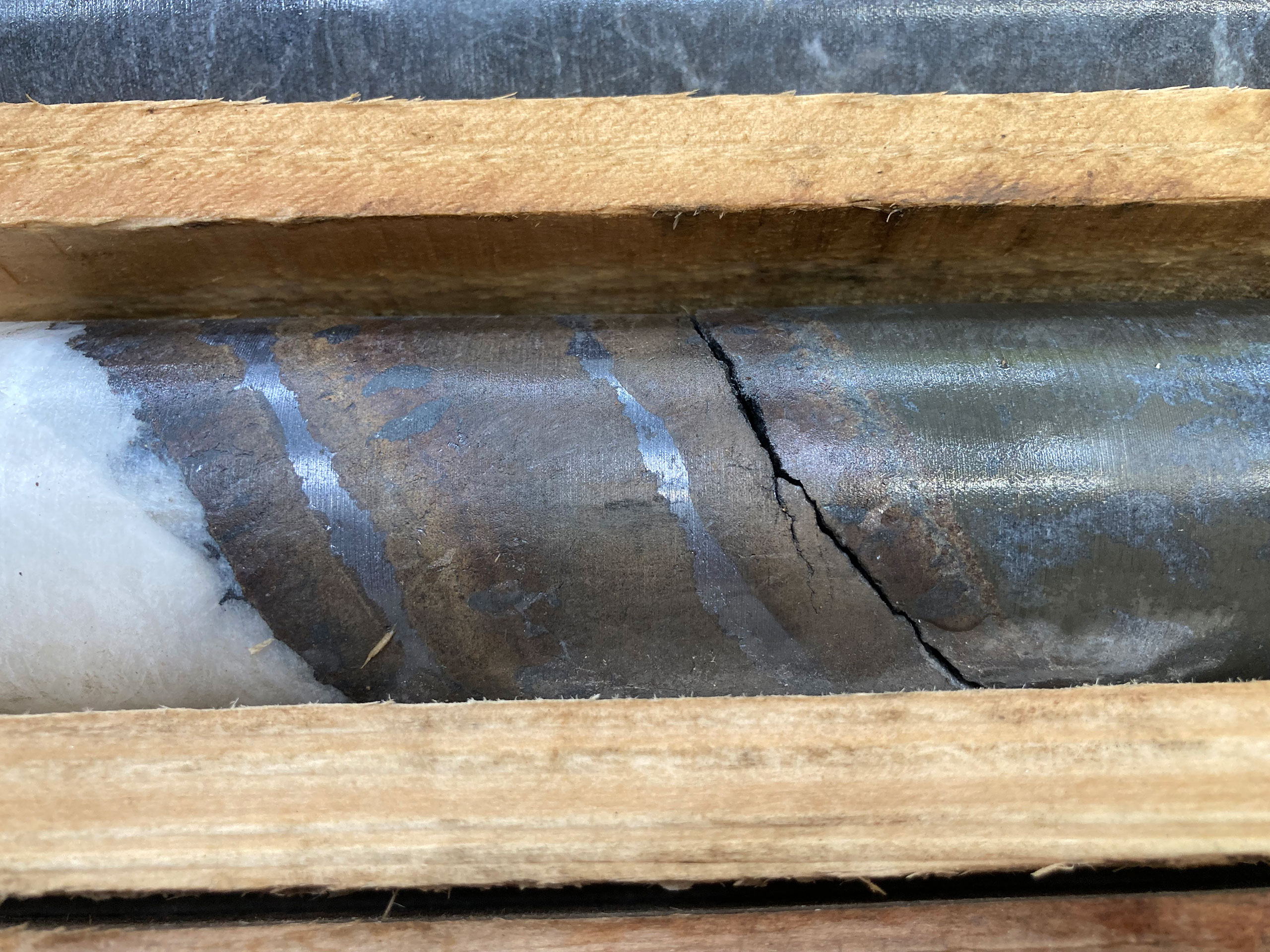
Drilling that defines deposit size and continuity supports resource estimates and helps direct further exploration spending. Testing extensions beyond known mineralization can establish whether a deposit offers additional volume for future economic evaluation.
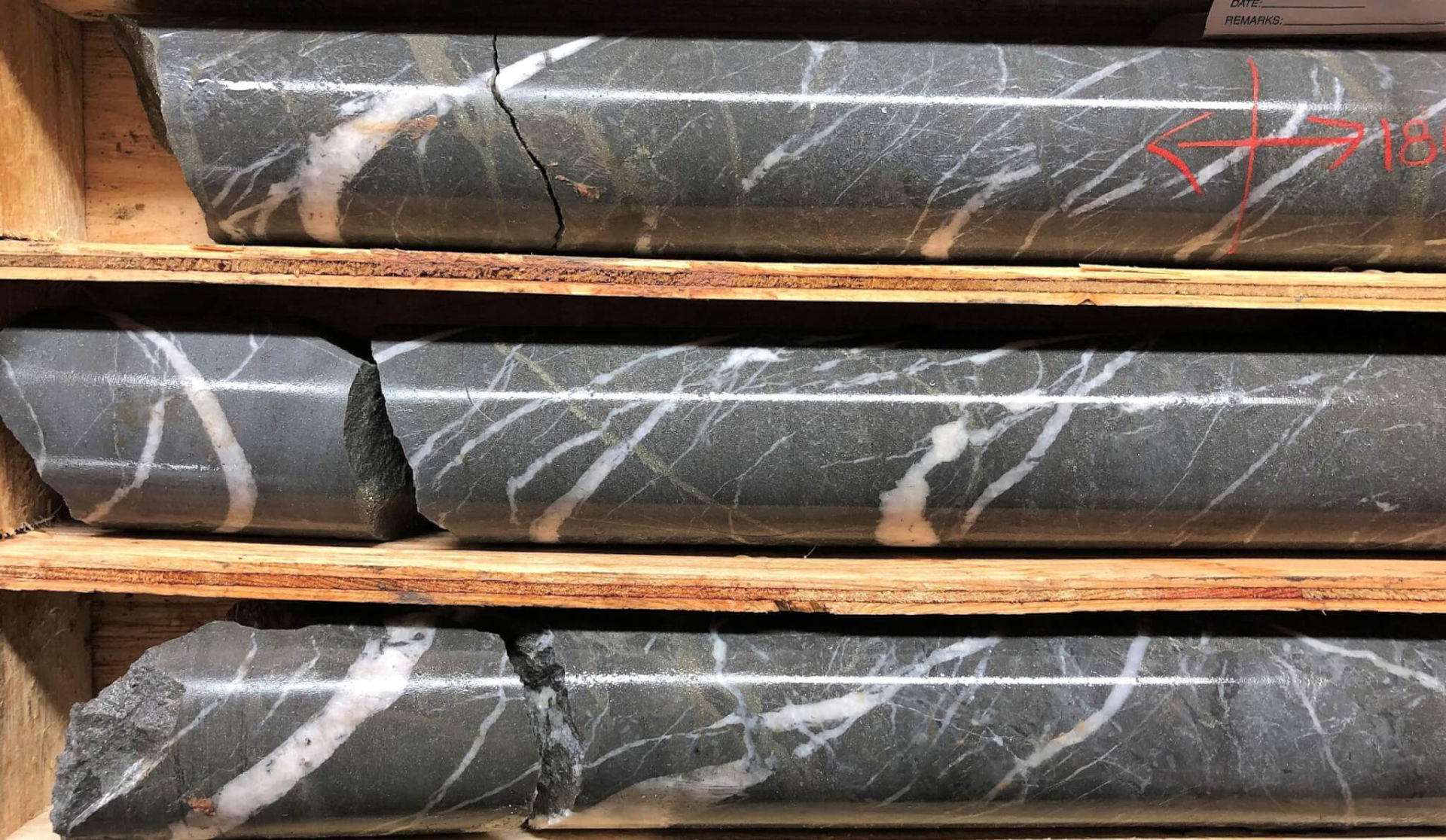
Abitibi Metals Corp reported 60.2 meters grading 1.08% copper at B26 in Québec, including 9.2 meters at 3.42% copper. The results support continuity, while ongoing drilling tests deposit extensions and improves the evidence for a future resource update. Management is targeting 30-35 million tons in the next resource update, compared with the 25-million-ton resource described in the interview. Planned drilling will test deeper extensions and nearby targets to assess the potential for a larger mineralized system.
Jonathon Deluce, Chief Executive Officer, points to growing bank support for projected copper supply deficits:
“We’re starting to see the major banks really supporting the outlook on the supply-demand deficits.”
Cobra Resources’ September 24, 2026 update reported 23 meters grading 0.63% copper at Blue Rose in South Australia, including 12.4 meters at 1.01% copper. Mineralization extending beyond 300 meters downhole supports the potential for a larger copper system. Up to 6,000 meters of follow-up drilling across four prospects is testing its scale and extensions, helping clarify Manna Hill’s growth potential.
Rising Expansion Costs Strengthen the Case for Copper Economic Studies
Exploration results become more useful for supply assessment when studies quantify recoverable copper, construction spending, and operating costs. Testing those estimates against copper-price assumptions connects resource definition to potential cash flow and funding requirements.
Mogotes Metals plans up to 20,000 meters of drilling at Filo Sur in Argentina and Chile and up to 50,000 meters at Beskauga in Kazakhstan. The company is targeting a November 2026 resumption of Filo Sur drilling, subject to weather and access, and initial Beskauga results in the fourth quarter of 2026. The programs test discovery expansion and support a preliminary economic assessment (PEA) at Beskauga, targeted within 12 months.
Fitzroy Minerals targets a maiden mineral resource estimate and PEA for Buen Retiro in the fourth quarter of 2026, followed by a pre-feasibility study in the second quarter of 2027. The planned PEA covers the wider project area, while ongoing engineering, processing, and environmental work supports evaluation of a potential heap-leach operation. These studies aim to quantify the resource and economics of a possible future copper supply source.
Higher Copper Inventories Temper Near-Term Shortage Claims
ICSG reported 997,600 metric tons of copper held at major metal exchanges at the end of August 2026, up 34% from the end of December 2025. Inventories measure accumulated metal at a point in time, while the refined balance measures production against apparent usage over a period. The headline’s 80% decline therefore concerns excess production, rather than a decline in copper inventories.
Exchange inventories can cushion temporary supply shortfalls, so higher stocks temper claims that the smaller production surplus signals an immediate shortage. This keeps the case for future supply focused on project advancement while qualifying assumptions about near-term copper scarcity.
The Investment Thesis for Copper
- As the refined copper surplus narrows, developer selection should focus on engineering completion, permit status, infrastructure access, and funding sufficient to reach production.
- Explorers strengthen future copper supply options by defining deposit size and continuity, providing evidence for resource estimates and subsequent economic evaluation.
- Restart candidates offer additional supply opportunities where existing infrastructure can be reused, with the investment case shaped by refurbishment spending, copper recovery, permits, and funding.
- Recycling reduces future mining requirements without eliminating them, supporting selection of copper projects whose recovery rates, costs, and construction spending support positive cash flow under disclosed price assumptions.
- Permitting and stakeholder commitments should be assessed through documented approvals and obligations because these shape the cost and timing of future copper production.
- Copper exposure should reflect each project’s funding needs and production horizon, since exchange inventories and additional supply can cushion shortfalls before new projects begin generating revenue.
Copper’s smaller production surplus strengthens the case for advancing new supply alongside recycling. The opportunity lies in projects that translate resource definition, engineering, and economic studies into credible routes to production. Copper exposure should therefore center on verified progress, recoverable metal, and funding matched to development needs, connecting the commodity outlook to potential future cash flow. A long-term approach that assesses each project against its next funded milestone provides a practical basis for allocating capital before production begins.
TL;DR
Copper’s preliminary refined surplus fell approximately 80% year over year during January-July 2026 as consumption grew faster than production, despite additional scrap-based supply. Electrification adds longer-term copper requirements, while recycling reduces the need for new mines without eliminating it. Developers, explorers, and restart candidates contribute through engineering, resource definition, and economic studies that establish potential routes to production. Exchange inventories rose, providing a buffer against temporary shortfalls. The investment case therefore centers on projects with documented progress, credible cost assumptions, and funding matched to development milestones, rather than an assumed immediate shortage.
FAQs (AI-Generated)
Analyst's Notes





Subscribe to Our Channel














Stay Informed


