




EU Carbon Rules Could Shift Funding Toward Low-Emission Battery Metals Projects



EU carbon rules link battery metals emissions to market access, improving financing prospects for low-emission nickel and lithium projects.
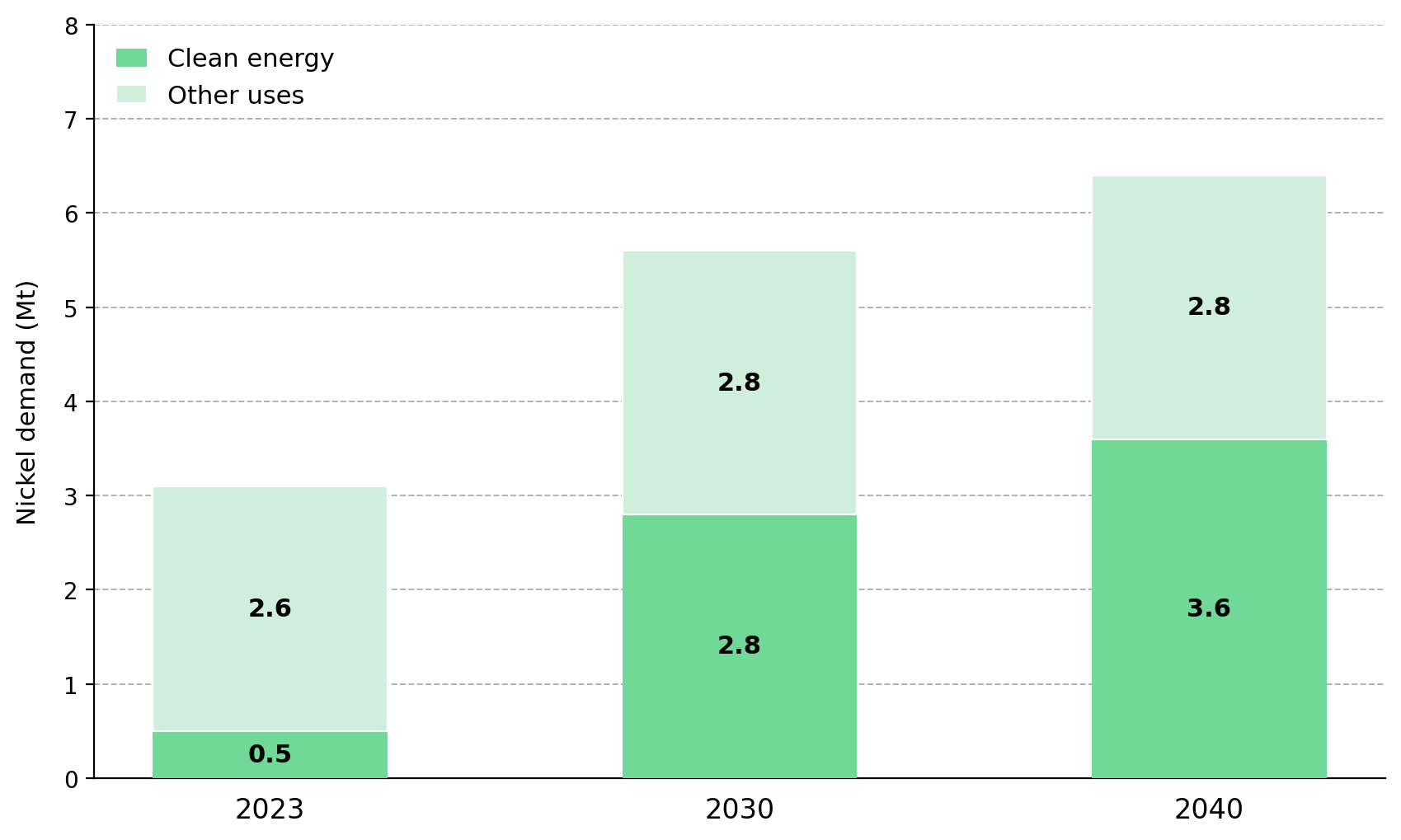
- International Energy Agency (IEA) reports that refining projects outside the dominant supplier carry capital costs 20% to over 150% higher and operating costs around 50% higher, mainly because of feedstock and energy prices.
- Critical minerals account for around 25% of battery cell costs but only about 3% of the price of an average electric vehicle (EV), meaning even a tripling of battery material prices would raise final EV and storage system prices by only around 5%.
- European Union (EU) Regulation 2023/1542 requires carbon footprint declarations for EV batteries, light means of transport (LMT) batteries, and rechargeable industrial batteries above 2 kilowatt-hours (kWh) sold in the EU, creating the data needed for performance classes and potential maximum carbon thresholds that would set future market-access requirements.
- IEA data show that the average share held by the leading refining country rose to 72% in 2025 from 70% in 2023, while much of this capacity relies on coal-based electricity, leaving less low-emission supply available than headline balances imply.
- IEA data show that battery metals capital spending fell more than 20% in 2025, while lithium and nickel exploration spending declined around 45%, reducing the pipeline of projects able to supply compliant material before carbon thresholds take effect.
50% Higher Refining Costs & Supply Concentration Make Carbon Rules Critical
Refining projects outside the dominant supplier carry capital costs 20% to over 150% while operating costs rise around 50%, mainly because of feedstock and energy prices. Higher equipment and construction costs, limited technical expertise, skilled-labor shortages, infrastructure gaps, and lengthy permitting processes further raise the cost of building diversified refining capacity.
Excluding rare earths, the average market share held by the leading refining country rose to 72% in 2025 from 70% in 2023. Between 2023 and 2025, Indonesia for nickel and China for other key energy minerals accounted for more than 75% of refined supply growth, with virtually all nickel supply growth coming from Indonesia.
Higher-cost refining capacity cannot rely on commodity prices alone to remain competitive because lower-cost dominant suppliers influence the price paid for each tonne. European product rules create a demand-side mechanism by linking market access to carbon performance, requiring buyers to distinguish between chemically identical materials based on their emissions.
EU Regulations Link Refining Emissions to Market Access & Project Financing
Regulation (EU) 2023/1542 requires carbon footprint declarations for rechargeable industrial batteries above 2 kWh, LMT batteries, and EV batteries sold in the EU. Standardized calculation rules must be adopted before the declaration requirement and performance classes can be introduced, allowing lower-emission batteries to be identified. The regulation also calls for maximum carbon thresholds after an impact assessment, creating a potential emissions limit for EU market access.
Because the regulation measures emissions across the battery’s full life cycle, emissions from mining and refining affect compliance alongside those from cell assembly. Emissions from each tonne of nickel intermediate or lithium chemical contribute to the battery’s declared performance class, influencing whether the finished cell meets EU market requirements. This converts carbon intensity from an environmental, social, and governance (ESG) consideration into a technical specification, making market eligibility and potential pricing differences dependent on emissions as well as chemistry.
Much of today’s mineral-refining capacity operates in regions dependent on carbon-intensive, coal-based electricity, giving refining a high environmental risk profile. As a result, much of the fastest-growing refined supply carries higher emissions, leaving less material able to qualify for lower-carbon performance classes than aggregate supply-demand balances imply. Diversified sourcing rules, pooled purchasing, supported offtake agreements, and trade measures can give alternative suppliers enough demand certainty to secure financing, but predictable purchasing commitments remain necessary to ensure manufacturers buy their output.
Grid Power & Processing Route Shape Nickel Emissions & Market Access
Nickel’s projected carbon footprint depends more on the planned power source and processing method than on the deposit itself. High-pressure acid leach (HPAL) and rotary kiln electric furnace processing have different energy requirements, but emissions from both depend heavily on the local power grid. Where recent refining growth relies on coal-based electricity, carbon standards can distinguish projects designed around lower-emission power and processing from alternatives that otherwise appear similar on grade and cost.
Lifezone Metals completed an International Organization for Standardization-compliant life cycle assessment for the Kabanga Nickel Project in Tanzania, confirming a low climate impact for nickel concentrate. The company also applied for Strategic Project status under the European Union’s Critical Raw Materials Act, while its hydrometallurgical technology offers potential energy and emissions savings compared with traditional smelting. The verified assessment and potential European designation strengthen Kabanga’s commercial positioning as it advances toward a final investment decision expected in the first quarter of 2027.
Ingo Hofmaier, Chief Financial Officer of Lifezone Metals, explains why lower emissions matter to potential buyers:
“The people that we will sell our material to, they really want to understand what our life cycle analysis and the CO2 emissions are. We are fortunate for various reasons. First of all, if you have a high-grade deposit, you need to move less, process less. The other advantage is that all the major power stations that were built in Tanzania are hydropower stations. People really look at the CO2 emissions and other life cycle implications. I still believe it will be a differentiator in the long run.”
As nickel demand rises, emissions from new supply become increasingly important to buyers serving the EU battery market. Developers that verify lower emissions from planned power and processing can address these requirements before production begins, reducing exposure to costly design changes later. Lifecycle data, grid power, and processing design therefore provide practical measures of readiness for future market-access rules.
Canada Nickel closed an upsized C$21 million non-brokered private placement on August 28, 2026, allocating the proceeds to permitting and engineering, debt repayment, and working capital. The funding supports continued advancement of the Crawford Nickel-Cobalt Sulphide Project in Ontario’s Timmins Nickel District, while the company pursues processes intended to produce net-zero carbon nickel, cobalt, and iron. By financing key development work, the placement strengthens Crawford’s readiness for its next permitting and engineering milestones.
Mark Selby, Chief Executive Officer of Canada Nickel, explains how European carbon rules are affecting nickel:
“In Europe the carbon border adjustment mechanism is in place in the steel space; nickel gets caught up in that as well. Having a low carbon, having highest ESG credentials in terms of local communities, the way the project's being designed, does matter.”
Latin America’s Refining Gap Links Lithium Mine Emissions to Global Sales
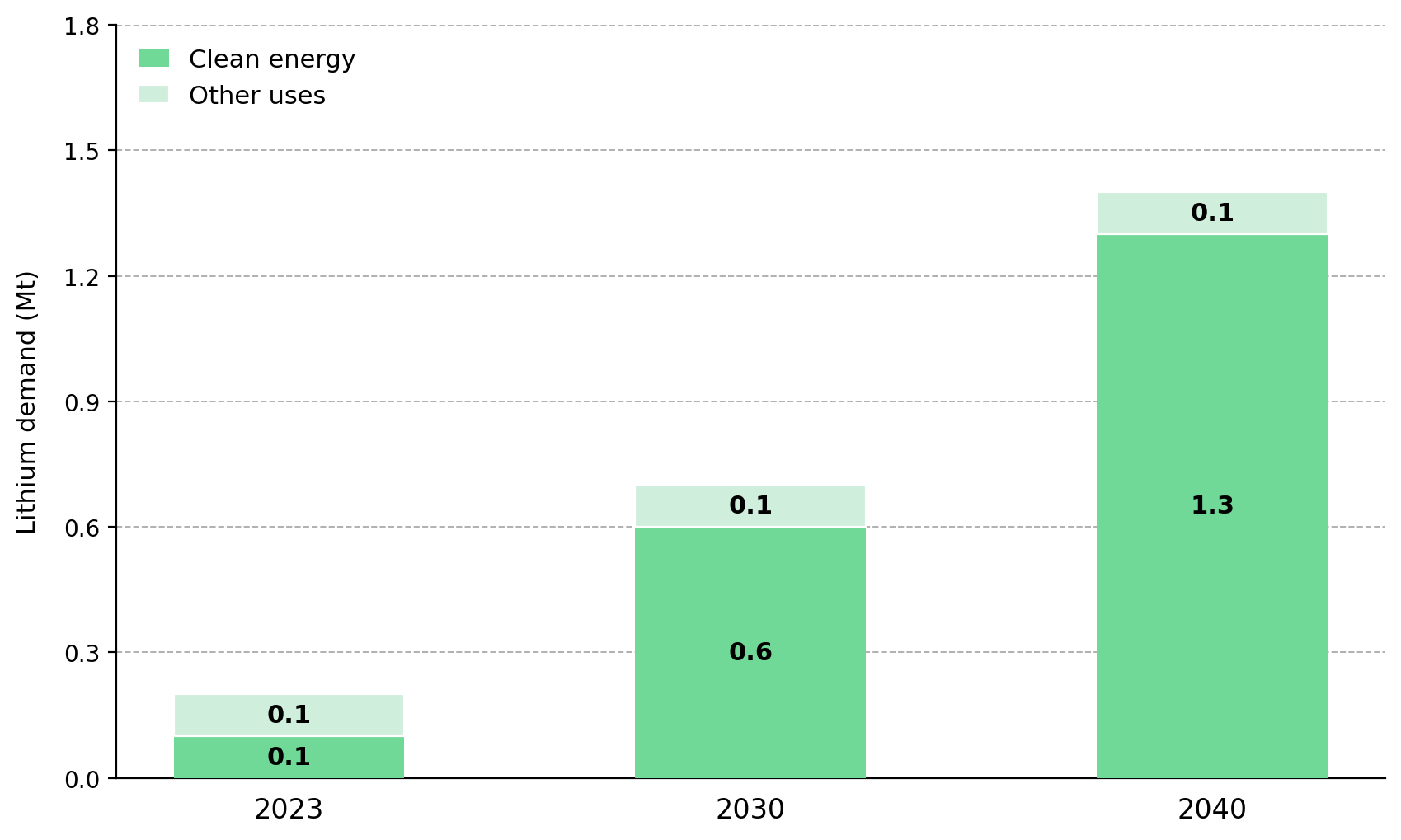
Latin America and the Caribbean produce around 25% of global lithium supply, with regional output targeted to grow by nearly 50% by 2030. IEA reports that only around 20% of mined key energy minerals are refined within the region, although lithium has developed more integrated chemical processing. Locally refining lithium, nickel, cobalt, graphite, and rare earths, alongside two-thirds of copper output, would increase regional economic value by nearly 50% to around US$220 billion by 2035, although high financing costs and power and water infrastructure gaps constrain expansion.
Planned capacity to make battery cathodes is only about 33% of projected lithium mining capacity, so most mined material will still need separate processing. Emissions created at the mine count toward the finished battery’s carbon footprint, making the electricity source and amount of rock moved important. Projects using cleaner power, moving less rock, and requiring less energy for processing are therefore better prepared for future buyer and EU market requirements.
Lithium Ionic is advancing the Bandeira Project in Minas Gerais, Brazil, with engineering approximately 65% complete, its first long-lead equipment order placed, and approximately 23% of procurement packages tendered. The September 2025 feasibility study reported a post-tax net present value at an 8% discount rate (NPV8%) of US$1.45 billion, a 61% post-tax internal rate of return (IRR), US$191 million in initial capital, and a 26-month payback, providing a defined economic basis for development. Secured hydroelectric power, an underground design that moves approximately 16 times less rock, and processing intended to reduce water and energy use further strengthen the project’s readiness as it progresses toward construction.
Blake Hylands, Chief Executive Officer of Lithium Ionic, explains Brazil’s access to global lithium markets:
“Brazil is a unique trading jurisdiction where you can trade globally. It’s open to the world. As we roll into production, we’ll look to increase the amount of material we can actually feed through and exceed the level of what we had in our offtake. That will open up new opportunities for sales and open up the globe for where that goes next.”
Battery Metals Capital Fell Over 20%, Making Financing & Offtake Critical to Compliant Supply
Critical mineral investment declined 9% in 2025, led by a more than 20% fall in battery metals capital spending, the largest decline in over a decade. Lithium companies cut investment by around 40%, while exploration spending fell more than 10% overall and around 45% for both lithium and nickel. These reductions narrow the pipeline of projects able to reach production before carbon thresholds take effect.
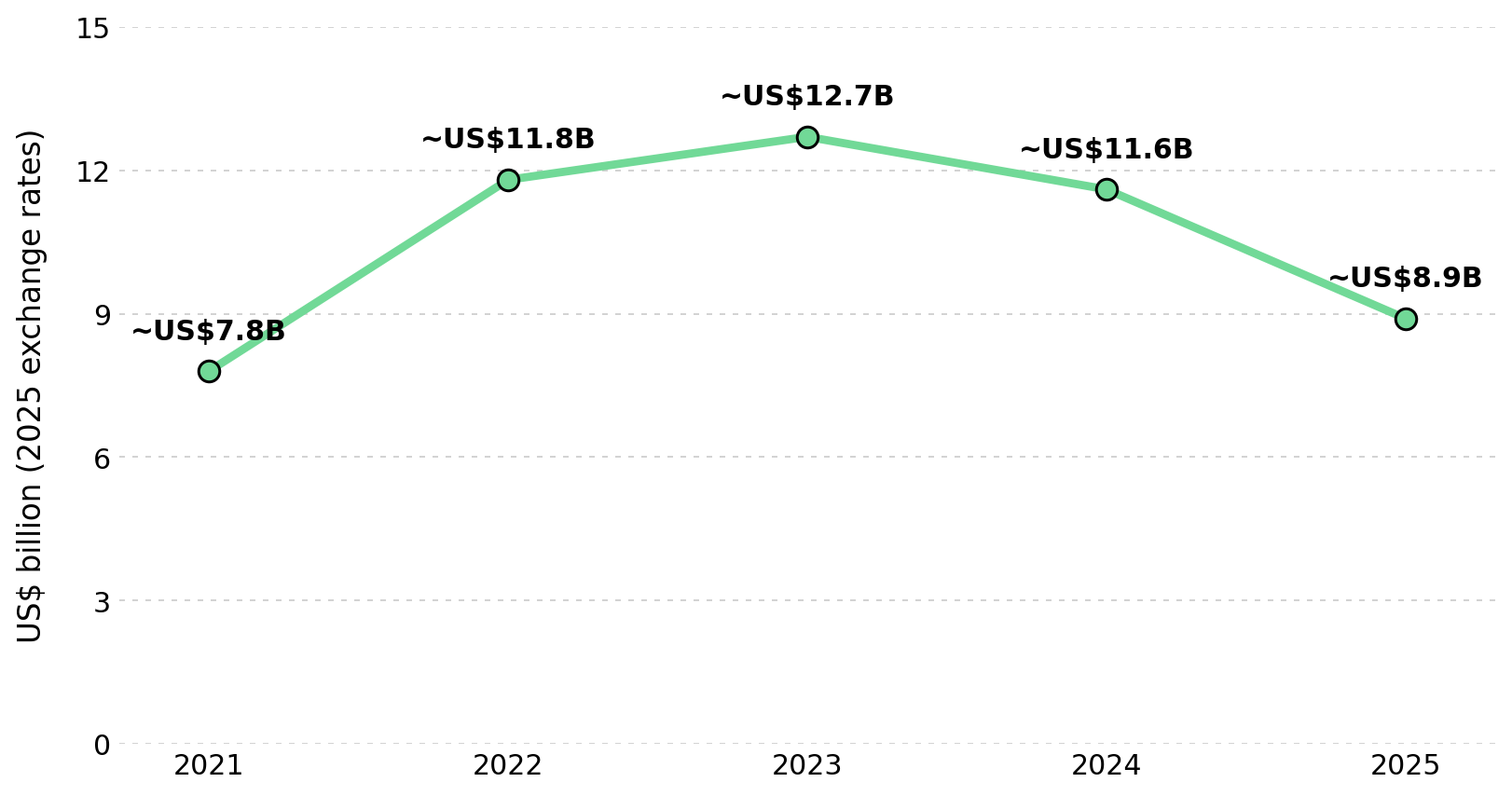
Public finance commitments in advanced economies reached around US$65 billion in 2025, as per the IEA, more than four times the 2023 level, although delayed disbursements mean announced support has not fully reached projects. These tools include grants, public equity, loans on favorable terms, loan guarantees, price-support mechanisms, offtake backstops, and strategic reserves, giving projects alternatives to conventional equity and commercial debt.
Lower exploration and development spending leaves fewer projects positioned to supply compliant material before carbon thresholds take effect. Projects that secure permits, contracted sales, and non-equity funding can advance faster and face fewer compliant peers, making execution readiness more important than resource size alone. Contracted floor prices improve revenue certainty, while development finance reduces reliance on public equity markets.
Critical Minerals’ 3% Share of EV Prices Limits Diversified Supply’s Consumer Price Impact
Critical minerals account for around 25% of battery cell costs but only about 3% of the price of an average EV, so even a tripling of battery material prices would raise final EV and storage system prices by around 5%. Because mineral costs represent a small share of the final product price, higher-priced compliant supply can be absorbed with limited effect on final product costs, making a potential compliance premium commercially viable.
The Investment Thesis for Battery Metals
- Refining projects outside the dominant supplier carry capital costs 20% to over 150% higher and operating costs around 50% higher, so contracted demand or market-access rules are needed to support a final investment decision when commodity prices alone cannot offset the cost disadvantage.
- Critical minerals account for only about 3% of the price of an average EV, so the additional cost of diversified supply can be absorbed with limited effect on the final price, making a potential compliance-linked premium commercially viable.
- EU rules turn battery carbon footprints into declared performance classes and, subject to an impact assessment, maximum carbon thresholds, making emissions intensity a condition of market access and separating compliant from noncompliant supply.
- Developers that verify a low carbon footprint from their planned processing route and power source reduce future retrofit exposure because grid decarbonization and plant conversion can take years.
- Hydroelectric power access, mine designs that reduce rock movement, and lower-energy processing help explorers and developers establish a verifiable low carbon footprint while reducing future retrofit exposure, as grid decarbonization and plant conversion can take years.
- With battery metals capital spending down more than 20% and lithium and nickel exploration spending down around 45%, fewer projects are positioned to supply compliant material before carbon thresholds take effect than headline balances suggest, making permitting progress, contracted sales, and access to public and development finance central to reaching production.
Battery metals diversification now depends on whether carbon-based market-access rules and long-term purchasing commitments provide enough revenue certainty to support refining outside dominant suppliers. Because critical minerals account for only about 3% of an EV’s final price, the additional cost of diversified, lower-emission supply can be absorbed downstream with limited consumer impact. As capital spending and exploration decline, verified life-cycle emissions, permitting progress, contracted sales, and access to public or development finance provide clearer paths toward production. New nickel and lithium projects that combine verified carbon performance with credible financing are therefore better positioned to supply materials for batteries covered by EU carbon-footprint declarations and potential maximum carbon thresholds.
TL;DR
EU carbon rules are turning battery emissions into market-access and financing criteria as diversified refining remains more expensive than incumbent supply. Refining projects outside the dominant supplier face operating costs around 50% higher, yet critical minerals represent only about 3% of an average electric vehicle’s price, limiting the consumer impact of higher-cost supply. Coal-based refining also leaves less low-emission material available than headline balances suggest. With battery metals capital spending down more than 20%, projects with verified life-cycle emissions, lower-carbon power and processing, permitting progress, contracted sales, and access to public or development finance are better positioned to reach production.
FAQs (AI-Generated)
Analyst's Notes





Subscribe to Our Channel






.png)





Stay Informed


