




Dune Oil Corp. & Block M47 Onshore Pivot: Capital Allocation Strategy


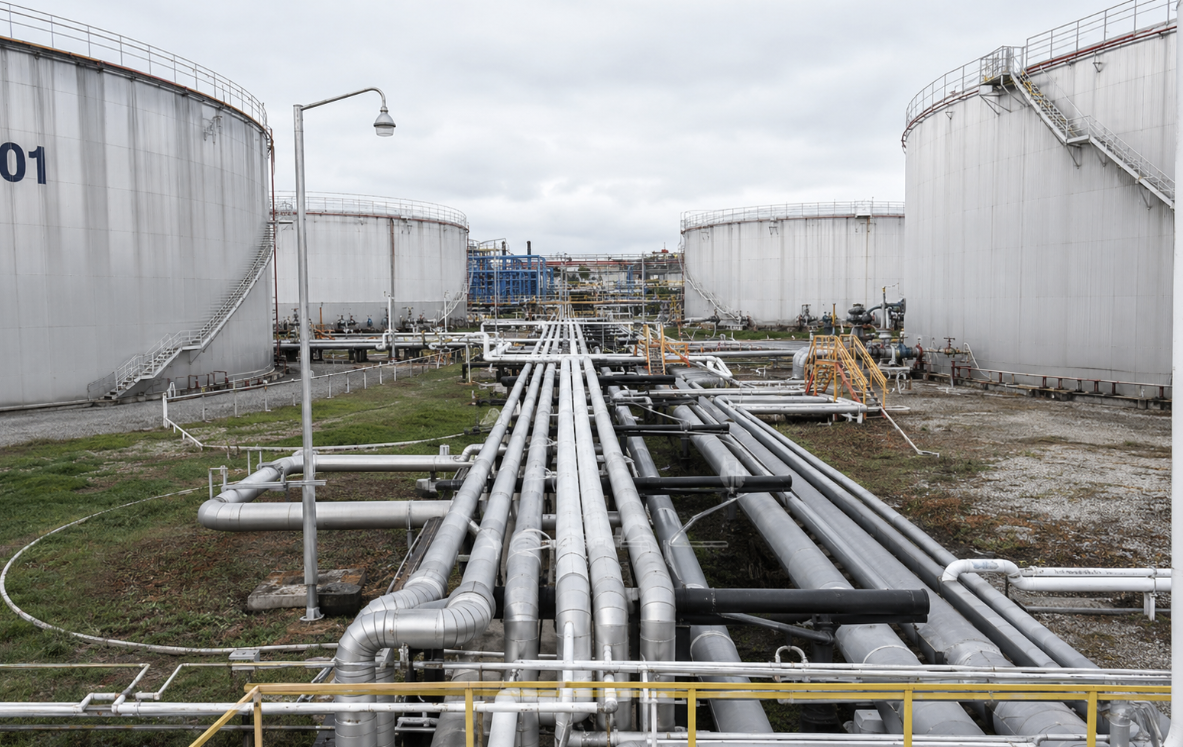
Dune Oil pivots to Türkiye’s Block M47, targeting a 27.6-million-barrel 2C oil resource through lower-cost drilling, seismic work, and near-term farm-in funding.
- Dune Oil shifted its capital focus to Türkiye’s onshore Block M47 after selling its offshore gas assets.
- Block M47 hosts a 27.641-million-barrel gross 2C contingent oil resource with an unrisked pre-tax net present value at a 10% discount rate (NPV10%) of US$733.5 million.
- Onshore wells cost approximately US$2 million to drill and US$3 million to complete, compared with US$16 million for an offshore well.
- The Çetinkaya-1 sidetrack will use managed-pressure drilling (MPD) and electrical submersible pumps, with initial oil trucked 130 kilometers to the Batman refinery.
- Dune faces a US$4.35 million payment due September 15, 2026, while a planned 40-kilometer seismic survey will evaluate the Mid and South Leads.
Core Asset Valuation & Land-Based Capital Allocation
Dune Oil Corp.(CSE: DUNE | OTCQB: TRLEF | FRA: Z62) is prioritizing capital allocation to southeastern Türkiye's Block M47 following an August 2026 reorientation. This onshore shift follows the divestment of offshore gas assets.
The valuation anchor is Block M47, which hosts the Çetinkaya conventional light oil discovery. An independent evaluation by Chapman Petroleum Engineering Ltd., effective December 31, 2025, assigned a best-estimate contingent resource of 27.641 million barrels working interest (WI) gross, equal to Dune’s 29% share before royalty. Chapman models an unrisked pre-tax net present value at a 10% discount rate (NPV10%) of US$733.5 million for this 2C case, which compares with the developer's current valuation of US$0.21 per 2C contingent barrel on an enterprise value basis. This capital allocation strategy follows the technical and board-level restructuring. Drilling a shallow vertical well on Block M47 requires US$2 million to US$3 million, compared to the US$16 million average cost of a deep Black Sea campaign.
President of Dune Oil Corp., Scott Lower, detailed the drilling cost differential, highlighting the capital allocation benefits of land-based assets over marine campaigns:
"Onshore is so much easier to operate than, I guess, offshore, and it's much, much less expensive. The well cost here is $2 to $3 million; a well onshore is $2 million to drill, $3 million completed, and on production offshore $16 million."
Carbonate Engineering & Low-Capital Logistics
Sidetracking the Çetinkaya-1 well aims to bypass a fluid-loss zone that halted the 2025 campaign at 2,452 meters. To penetrate the fractured Mardin Group carbonate pay zone, Dune will deploy managed-pressure drilling (MPD) to case off the swelling Germav shale. The development plan includes an electrical submersible pump (ESP) to lift the 32.4° API light oil.
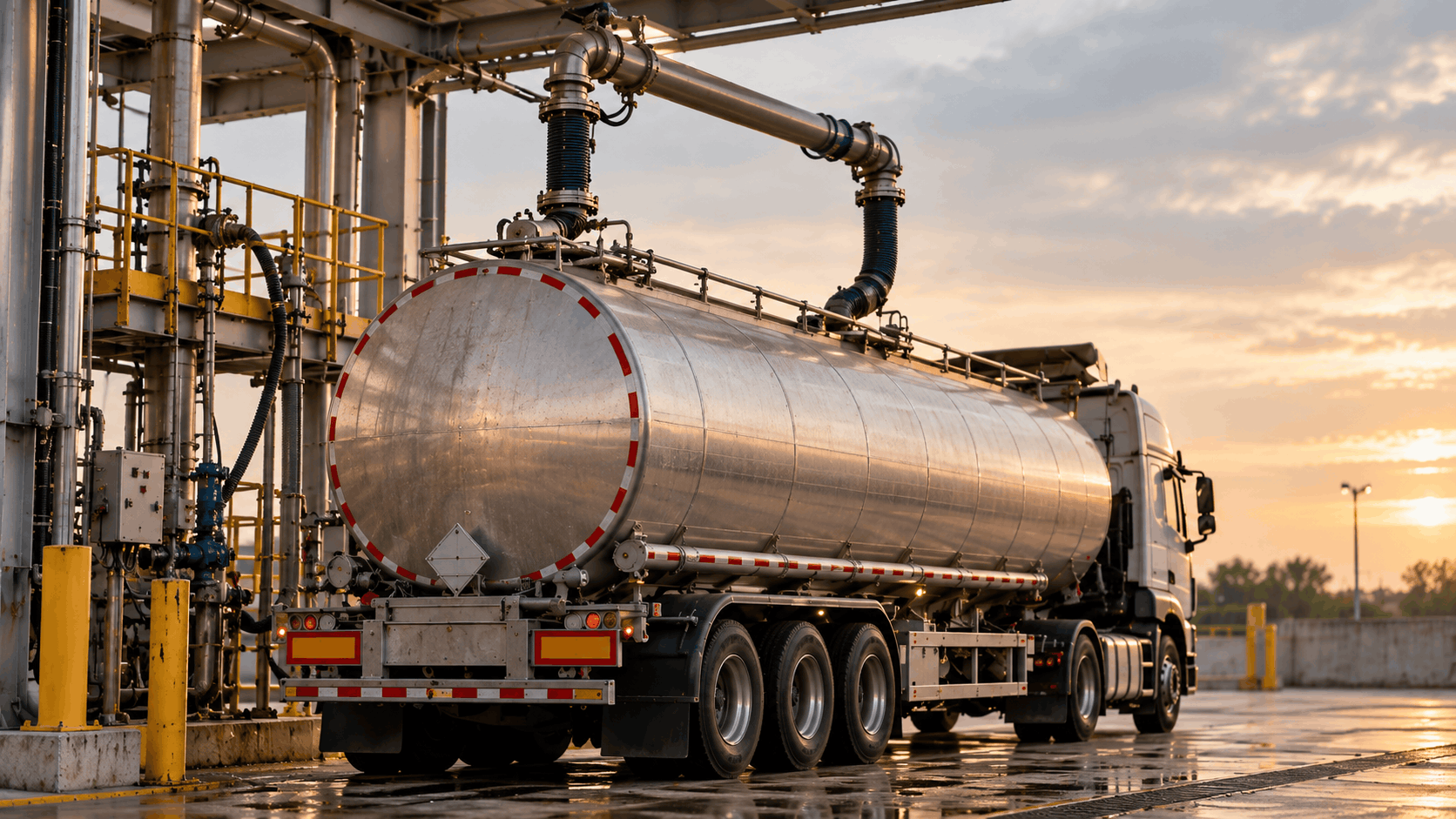
To deliver early testing volumes directly to market, oil will be trucked 130 kilometers to the Batman refinery using 250-barrel tanker trucks, bypassing early-stage processing costs. This trucking model targets a projected operating netback of US$50 per barrel under a corporate baseline model assuming a US$72 Brent crude price, which supports an estimated 2-month well payback period. These figures represent company-derived conceptual sensitivity models based on specific pricing assumptions rather than realized operational cash flows, and actual project returns remain subject to local trucking tariff fluctuations, transport bottlenecks, or changes to refinery discount rates.
To support scaling, a regional pipeline completed in 2026 provides over 150,000 boe/d of capacity. Long-term development plans involve vertical seismic profiling (VSP) inside the sidetrack wellbore to plan horizontal completions.
Commercial Partnership Terms & Funding Milestones
Joint-venture (JV) partner Güney Yıldızı (GYP) holds a 20% WI on Block M47 and provides Dune with a 40% reduction in drilling rates through its fleet of 20 active rigs. Dune is earning its 29% interest by deploying US$15 million over 2026 and 2027.
Lower outlined the operational and financial advantages of this local rig-owner partnership:
"We also have the benefit of one of the 20% partners in this field. It is a drilling company, and they have rigs where they're operating drilling. They provide the rig cost, which is about a 40% savings for the program. That's a very good partnership there because they have 20 rigs and it brings your drilling cost down"
While Dune has advanced US$800,000 against its commitments year-to-date, the operator faces a critical capital requirement of US$4.35 million due on September 15, 2026. Satisfying the remaining US$14.5 million of the farm-in will require additional capital raises if flow-testing revenues are delayed.
Near-Term Exploration Catalysts & Offset Success
Expanding Block M47 beyond the Çetinkaya Field depends on a new 40-kilometer 2-dimensional (2D) seismic survey currently out to tender, following field site visits conducted on July 29 and 30, 2026. This program executes onshore strategies to map the undrilled Mid and South Leads.
This seismic campaign is de-risked by Türkiye Petrolleri Anonim Ortaklığı (TPAO) completing the Yatağankaya-1 offset well on Block M48 in June 2026, which is located just 500 meters outside the M47 boundary. Gravity and surface structural data indicate that this structure extends directly onto Dune’s South Lead, which contains an appraised P50 prospective resource of 7.895 million barrels net to Dune.
Residual Concession, Execution & Operational Risks
Satisfying the remaining US$14.5 million farm-in work commitment and the upcoming US$4.35 million milestone on September 15 present financial dilution risks. Satisfying these commitments will require highly dilutive equity placements or debt facilities if initial production cash flows are delayed. The sidetrack is planned to use managed-pressure drilling (MPD) to get through the loss zone. Project returns remain sensitive to oil price: at US$65 a barrel Brent, the company’s modeled netback falls to US$44 a barrel.
Finally, southeastern Türkiye introduces localized logistical risks. Early volumes are planned to be moved 130 kilometers by tanker to the Batman refinery, so any break in that haul will delay first sales.
FAQs (AI-Generated)
Analyst's Notes





Subscribe to Our Channel


Stay Informed


