Energy Fuels' ASM Acquisition Establishes First Mine-to-Metal Rare Earth Platform Outside China



Energy Fuels' US$299M acquisition of Australian Strategic Materials creates the first integrated mine-to-metal rare earth platform outside China, reshaping Western supply chains.
- Energy Fuels' agreement to acquire Australian Strategic Materials marks a structural shift in the ex-China rare earth market, extending beyond oxide production into downstream metals and alloys.
- The transaction closes one of the most persistent vulnerabilities in Western rare earth supply chains: the absence of non-Chinese metallization and alloy capacity.
- By integrating US monazite separation at White Mesa with Korean and future US alloy production, Energy Fuels moves materially up the value curve, with implications for margins, strategic relevance, and valuation multiples.
- The deal reinforces a broader pattern of disciplined, Australia-focused mergers and acquisitions that is reshaping Energy Fuels' long-term earnings profile and geopolitical importance.
- For investors, the acquisition reframes Energy Fuels from a uranium-linked producer to a vertically integrated critical minerals platform aligned with defence, electrification, and industrial policy tailwinds.
Why Rare Earth Supply Chains Are Being Re-Priced by Investors
The investment case for rare earth exposure has evolved considerably over the past several years. Where investors once focused primarily on spot pricing and resource endowments, capital allocation decisions now increasingly reflect supply chain architecture, processing bottlenecks, and downstream control. This shift has material implications for how companies are valued and which business models command premium multiples.
From Commodity Exposure to Strategic Infrastructure
Rare earth elements function as enabling inputs across defence systems, electric vehicle drivetrains, wind turbines, and grid infrastructure. The concentration of processing capacity in a single jurisdiction has transformed what was once viewed as commodity exposure into a strategic infrastructure question. Institutional investors may recognize that oxide-only exposure commands a discount relative to integrated platforms capable of delivering metals and alloys directly to original equipment manufacturers and defence contractors.
Companies positioned solely as miners or oxide producers face margin compression at precisely the moments when downstream processors exercise pricing power. Vertical integration addresses this vulnerability by capturing value across separation, metallization, and alloy production rather than ceding margin to intermediaries.
China Concentration as a Valuation Risk
Market recognition that China dominates global rare earth metallization and alloying capacity has shifted from theoretical concern to active valuation risk. Downstream processing represents the genuine chokepoint in supply-chains, and investors have begun pricing this concentration into capital allocation decisions.
The implications extend beyond corporate strategy to government support mechanisms and strategic partnerships, as companies capable of demonstrating non-Chinese processing capacity increasingly attract institutional capital seeking durable exposure to allied supply chains.
Mark Chalmers, Chief Executive Officer of Energy Fuels, has emphasized the company's distinctive positioning within this landscape:
"We are like no other company in the critical mineral space where we're building a critical mineral hub using our longstanding uranium processing capabilities but also the ability to mine and recover rare earth into oxides and potentially other value added steps in due course."
Energy Fuels' Strategic Pivot: From Uranium Optionality to Critical Minerals Integration
Energy Fuels has historically been viewed through a uranium leverage lens, with investors treating the company as a vehicle for exposure to nuclear fuel cycle dynamics. This framing, while not inaccurate, increasingly understates the strategic evolution underway at the company level.
Reframing the Business Model
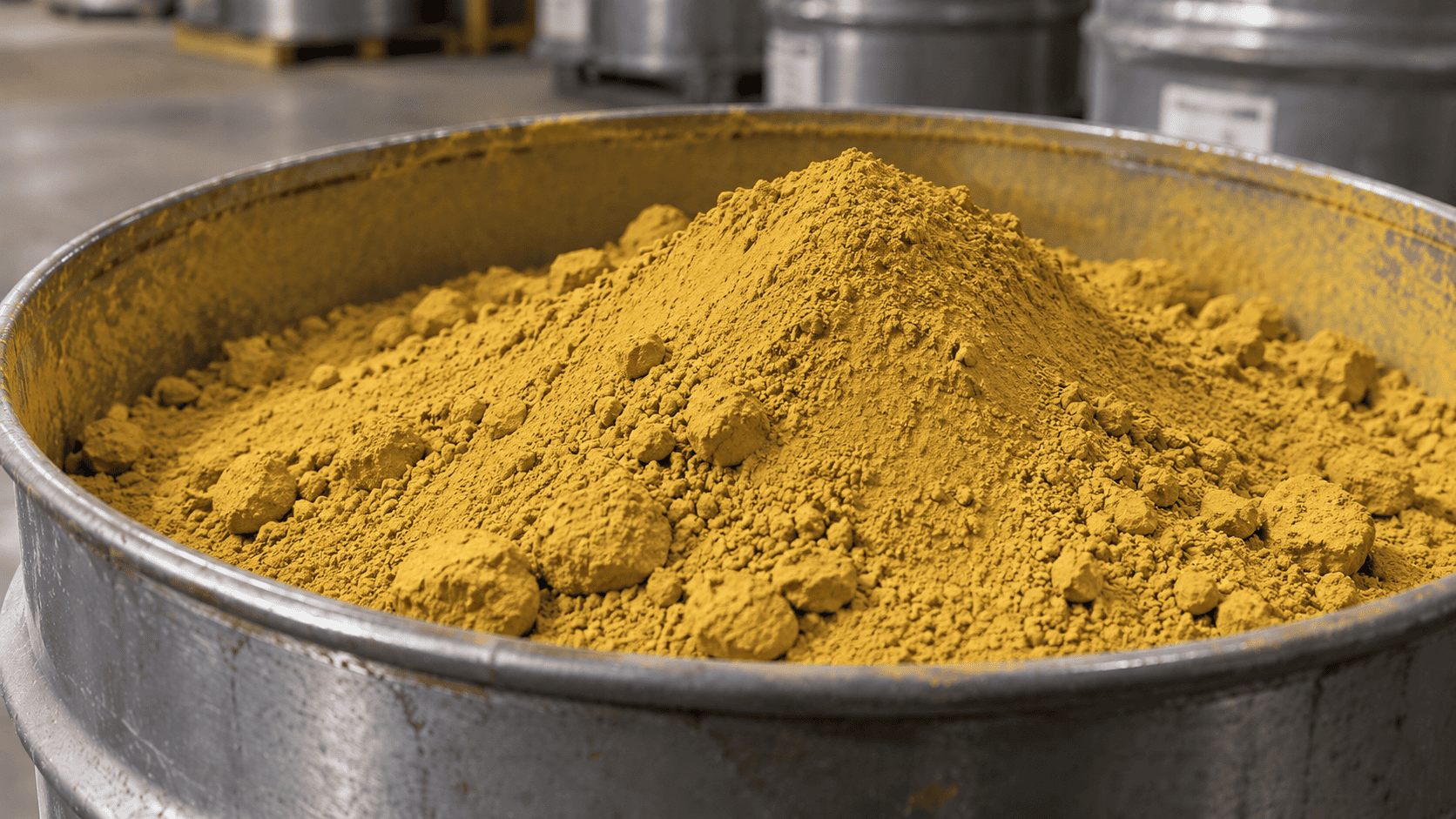
The White Mesa Mill in Utah represents a sunk-capital strategic asset rather than a single-commodity facility. Its licensed capacity for processing radioactive materials, combined with decades of operational history, creates a processing platform with applications extending well beyond uranium. The mill is currently processing both uranium ores and monazite for rare earth oxide production, making it the only US facility with demonstrated monazite separation capability.
Why Vertical Integration Changes the Investment Equation
The acquisition of Australian Strategic Materials extends this processing advantage into downstream metallization and alloy production. Rather than selling neodymium-praseodymium oxides to third-party converters, Energy Fuels will capture margin across separation, metal production, and alloy manufacturing.
Mark Chalmers has articulated the differentiation this creates:
"We are advanced when it comes to feed processing capabilities. We've demonstrated that we can get to oxides, that oxides can be and have been pre-qualified with a number of outside parties, along with the rapid advancement of our ability to recover the heavies and getting that qualified as well."
The ASM Transaction: Structure & Rationale
The acquisition of Australian Strategic Materials represents Energy Fuels' most significant transaction to date, with implications extending across feedstock security, processing capacity, and market access.
Deal Structure & Financial Context
The transaction values ASM at US$299 million (approximately A$447 million), structured through a Scheme Implementation Deed. ASM shareholders will receive 0.053 Energy Fuels shares (or CDIs) per ASM share plus a special cash dividend of up to A$0.13. Energy Fuels is targeting transaction close in late first half of 2026, subject to regulatory and shareholder approvals.
Required approvals include ASM shareholder vote, the Federal Court of Australia, the Foreign Investment Review Board, and listing approval for new Energy Fuels common shares on the NYSE and TSX (or CDIs on the ASX).
Why ASM Is Strategically Scarce
ASM's Korean Metals Plant represents one of the few operating rare earth metallization facilities outside China. The facility is currently producing neodymium-praseodymium, dysprosium, and terbium metals and alloys, with commercial-scale rare earth permanent magnet qualification achieved through partnership with POSCO.
The intellectual property and operational expertise developed at the Korean facility are transferable to US-based production at the planned American Metals Plant. This capability materially de-risks the execution requirements for establishing domestic US alloy capacity, with the American Metals Plant targeting 2,000 tonnes per annum of alloy production.
Asset Complementarity Rather Than Asset Accumulation
The logic of the transaction centers on integration rather than accumulation. Energy Fuels' existing monazite feedstock pipeline, including an offtake agreement with Chemours expected to deliver 500 to 2,000+ tonnes per annum, and White Mesa separation capacity create the upstream foundation. ASM's Korean metallization capability and Dubbo development project extend the value chain downstream while providing long-duration growth options.
Mark Chalmers has explained the integration logic:
"Having a strategy that was built around uranium but also having the diversification of the rare earths that contain uranium was a unique strategy of our own."
Asset-Level Economics: Processing Versus Primary Mining
The economic characteristics of Energy Fuels' rare earth strategy differ materially from conventional primary rare earth mining. Monazite sands processed by Energy Fuels contain total rare earth oxide grades of 50 to 60 percent or higher, compared to hard-rock rare earth deposits that may grade in the single digits. This grade differential has material implications for capital intensity and processing economics. Monazite processing requires lower capital investment, offers faster scalability, and reduces geological and metallurgical uncertainty relative to primary rare earth mining.
Mark Chalmers has highlighted the economic advantages of the company's uranium operations, which provide cash flow to fund rare earth expansion:
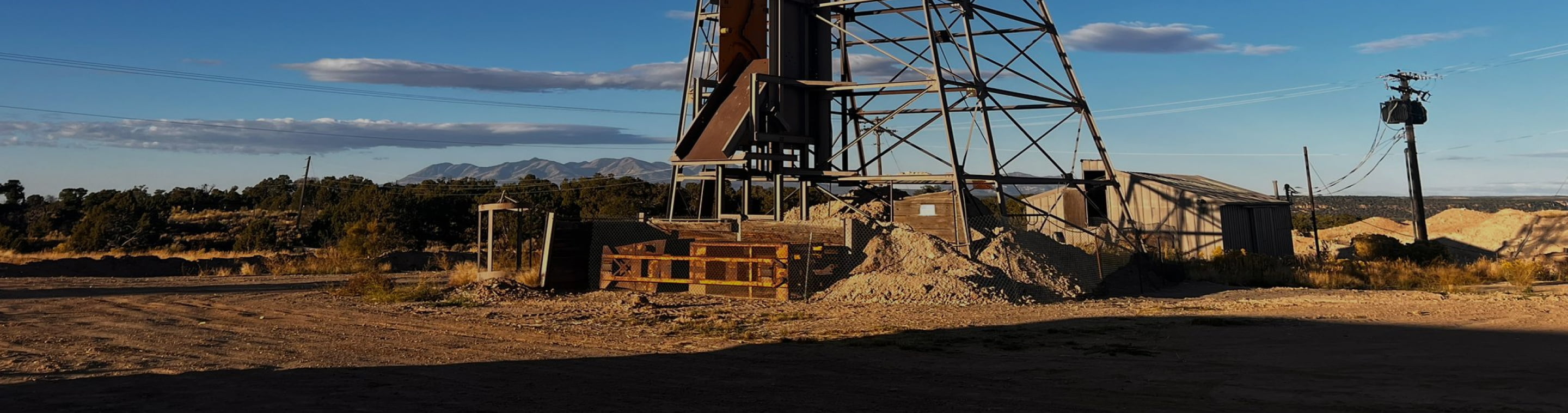
"Our costs at Pinyon Plain are between $23 to $30 per pound, if you're selling at $75 a pound plus, you've got a really nice margin. If you multiply that times a million and a half pounds or two million pounds, that's a lot of cash coming into the company while we do these other steps."
The company expects to mine over 2.0 million pounds of uranium in 2026 from Pinyon Plain, providing substantial operating cash flow during the rare earth integration phase.
Execution Risk & Monitoring Considerations
While the rationale for the ASM acquisition may be compelling, execution risk warrants investor attention. Several regulatory and operational milestones will determine transaction timing and integration success.
Regulatory & Transactional Milestones
The transaction requires multiple approvals across jurisdictions, with the company targeting the late first half of 2026 for closing. The ASM Board has recommended the transaction in the absence of a superior proposal.
Scaling Risk & Capability Transfer
Metallization scale-up represents the primary execution risk in the integration. However, existing Korean operations materially de-risk US expansion by providing proven processes, trained personnel, and operational data. This contrasts with peers still at pilot or feasibility stages who face first-of-kind execution challenges.
Mark Chalmers has emphasized the company's execution track record:
"We're not promoters. We say what we're going to do and we do it, and we deliver."
Capital Structure & Balance Sheet Implications
Energy Fuels' ability to pursue the ASM acquisition reflects balance sheet strength accumulated through disciplined capital management and successful capital markets access.
Liquidity Position & Growth Funding
As of September 30, 2025, the company reported nearly $300 million in working capital. Following the October 2025 convertible notes offering, which raised $700 million in Convertible Senior Notes, the company added approximately $625 million in net proceeds, significantly strengthening post-quarter liquidity.
The convertible note structure achieved attractive terms relative to sector comparables. Mark Chalmers has noted the market reception:
"At a coupon of three-quarters of a percent, I look at the other uranium companies and there's been three or four other converts done in the uranium sector, but they have coupons of between four and five and a half percent."
Jurisdictional Advantage & Geopolitical Positioning
Energy Fuels' asset base spans the United States, Australia, and South Korea, representing established mining and processing jurisdictions with regulatory transparency and alignment with defence procurement priorities.
Allied Supply Chains as Competitive Advantage
The geographic footprint positions Energy Fuels within allied critical mineral supply chains receiving increasing government support and industrial policy attention. The combination of jurisdictional positioning and integrated processing capability may create optionality for offtake agreements, strategic partnerships, and government support mechanisms.
The Investment Thesis for Energy Fuels
The strategic rationale for exposure to integrated rare earth platforms reflects multiple converging factors that support durable investment interest.
- Vertical integration materially improves margin capture and strategic relevance by positioning companies as suppliers of finished materials rather than intermediate products requiring further processing.
- Downstream control reduces geopolitical and customer-access risk by eliminating dependence on Chinese metallization and alloying capacity for market access.
- Processing-centric economics lower capital intensity and execution uncertainty relative to primary rare earth mining approaches that require large-scale hard-rock development.
- Strong balance sheets support disciplined scaling without excessive dilution, preserving shareholder value through growth phases.
- Scarcity of non-Chinese alloy capacity underpins strategic valuation premiums as institutional capital seeks durable exposure to allied supply chains.
- Jurisdictional positioning across allied nations aligns with defence procurement requirements and industrial policy tailwinds.
The ASM acquisition represents a structural shift in how investors should evaluate Energy Fuels. The transaction extends the company's capabilities from oxide production into metallization and alloy manufacturing, closing the mine-to-metal gap that has constrained Western rare earth supply chains.
This may transform Energy Fuels from a uranium-linked producer with rare earth optionality into a vertically integrated critical minerals platform. For institutional capital seeking exposure to ex-China supply chains, Energy Fuels increasingly represents a platform asset rather than a single-commodity trade. The combination of processing infrastructure, balance sheet strength, and jurisdictional positioning creates a differentiated investment proposition aligned with structural demand growth in defence, electrification, and industrial policy-driven markets.
TL;DR
Energy Fuels' agreement to acquire Australian Strategic Materials for US$299 million establishes the first vertically integrated rare earth platform outside China, spanning oxide separation through metallization and alloy production. The deal combines Energy Fuels' White Mesa Mill—the only US facility with monazite separation capability—with ASM's operating Korean Metals Plant, one of few non-Chinese metallization facilities globally. The transaction targets late first-half 2026 closing, subject to regulatory approvals. With nearly $300 million in working capital plus $625 million from a recent convertible notes offering, Energy Fuels possesses substantial balance sheet strength. Uranium operations generating $23-30 per pound production costs against $75+ selling prices provide cash flow during the rare earth integration phase.
FAQs (AI-Generated)
The acquisition extends Energy Fuels' capabilities from oxide production into downstream metallization and alloy manufacturing, creating a complete mine-to-metal rare earth supply chain outside Chinese control. ASM's Korean Metals Plant provides proven processing technology transferable to planned US facilities.
Energy Fuels targets late first half of 2026 for transaction closing, subject to ASM shareholder approval, Federal Court of Australia approval, Foreign Investment Review Board clearance, and stock exchange listing approvals.
White Mesa is the only US facility with demonstrated monazite separation capability, processing both uranium ores and monazite for rare earth oxide production. Its existing licenses for radioactive material processing create a platform with applications beyond uranium.
The transaction values ASM at US$299 million, structured as 0.053 Energy Fuels shares per ASM share plus a special cash dividend up to A$0.13. Energy Fuels' balance sheet includes nearly $300 million in working capital plus approximately $625 million from an October 2025 convertible notes offering.
The integrated platform will produce neodymium-praseodymium, dysprosium, and terbium metals and alloys, with the planned American Metals Plant targeting 2,000 tonnes per annum of alloy production for defence, EV, and wind turbine applications.
Analyst's Notes





Subscribe to Our Channel












Stay Informed