




Tanzania's 16% Carried Interest Turns Government Into Kabanga's Financing Partner


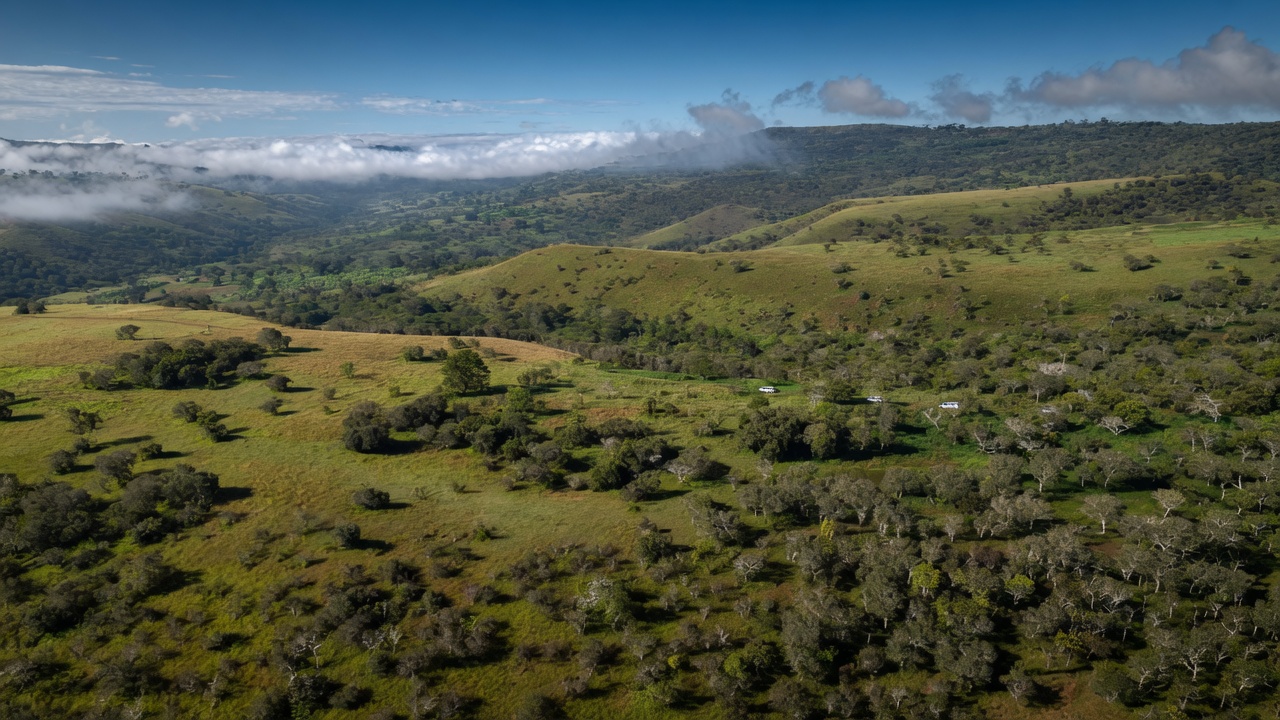
Tanzania’s 16% carried interest and infrastructure support strengthen Lifezone Metals’ financing case for Kabanga, while talks push FID to the first quarter of 2027.
- Lifezone Metals is targeting a final investment decision (FID) for the Kabanga Nickel Project in the first quarter of 2027, after Framework Agreement talks with Tanzania progressed more slowly than expected.
- Tanzania holds a 16% free carried interest in the project and 2 board seats on the local subsidiary, a structure Chief Financial Officer of Lifezone Metals, Ingo Hofmaier, calls a genuine partnership.
- A 2024 grid power connection has replaced the diesel-generator dependence that shaped Glencore and Barrick's 2014 feasibility study (FS) for the same deposit, alongside a separate donor-backed rail upgrade that passes within roughly 300 kilometers of the site.
- As of June 30, 2026, all material permits needed for current project activities were in place, and $854 million in construction contracts had been released to market.
- Financing is advancing on 2 tracks: a debt process led by Societe Generale and a strategic equity process led by Standard Chartered Bank, both at an advanced stage.
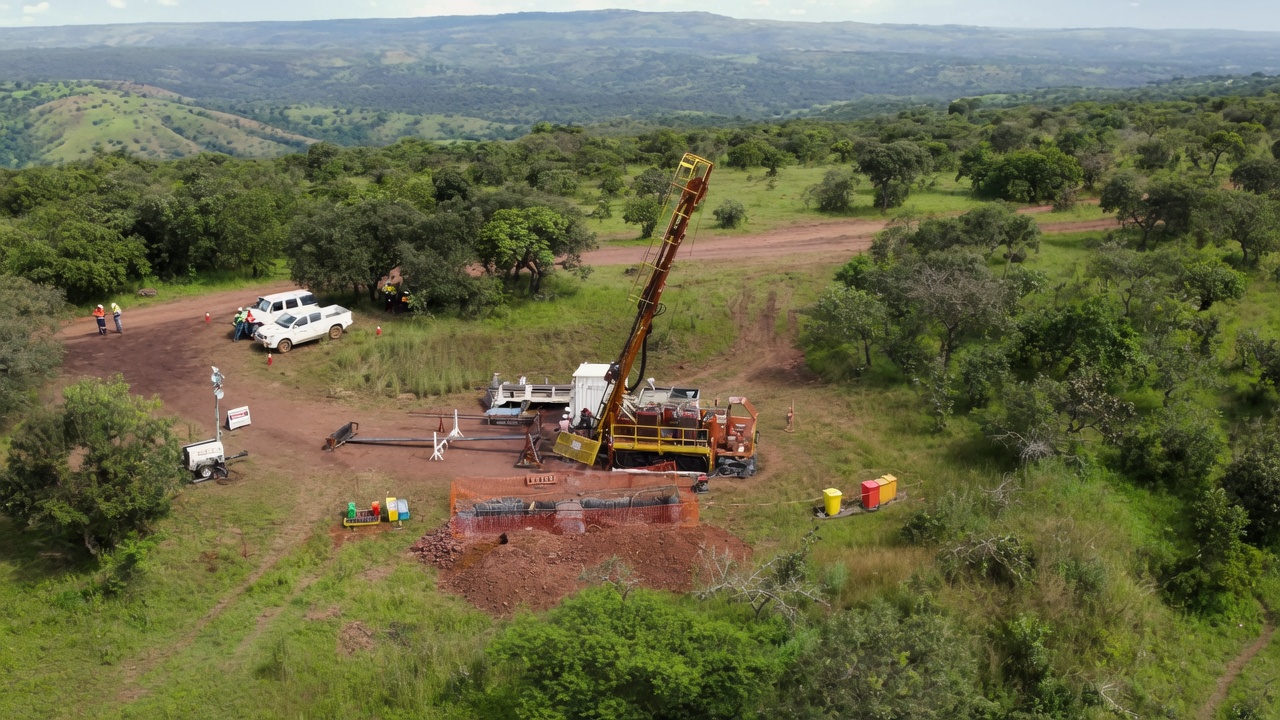
Most jurisdiction stories in African mining are about what a government might do to a project. Kabanga's is about what Tanzania has already done for one. Lifezone Metals (NYSE: LZM) is developing the Kabanga Nickel Project on a deposit identified more than 50 years ago. The company has invested $150 million into it over the past couple of years. A positive feasibility study (FS) was cleared in July 2025, and the project has since moved into final engineering, permitting, and project financing, the last of which Chief Financial Officer of Lifezone Metals, Ingo Hofmaier, calls the "key item" before the final investment decision (FID). What increasingly sets Kabanga apart is not just its grade. It's how deeply the Tanzanian state has embedded itself in the project's construction.
Grid Power Replaces Diesel
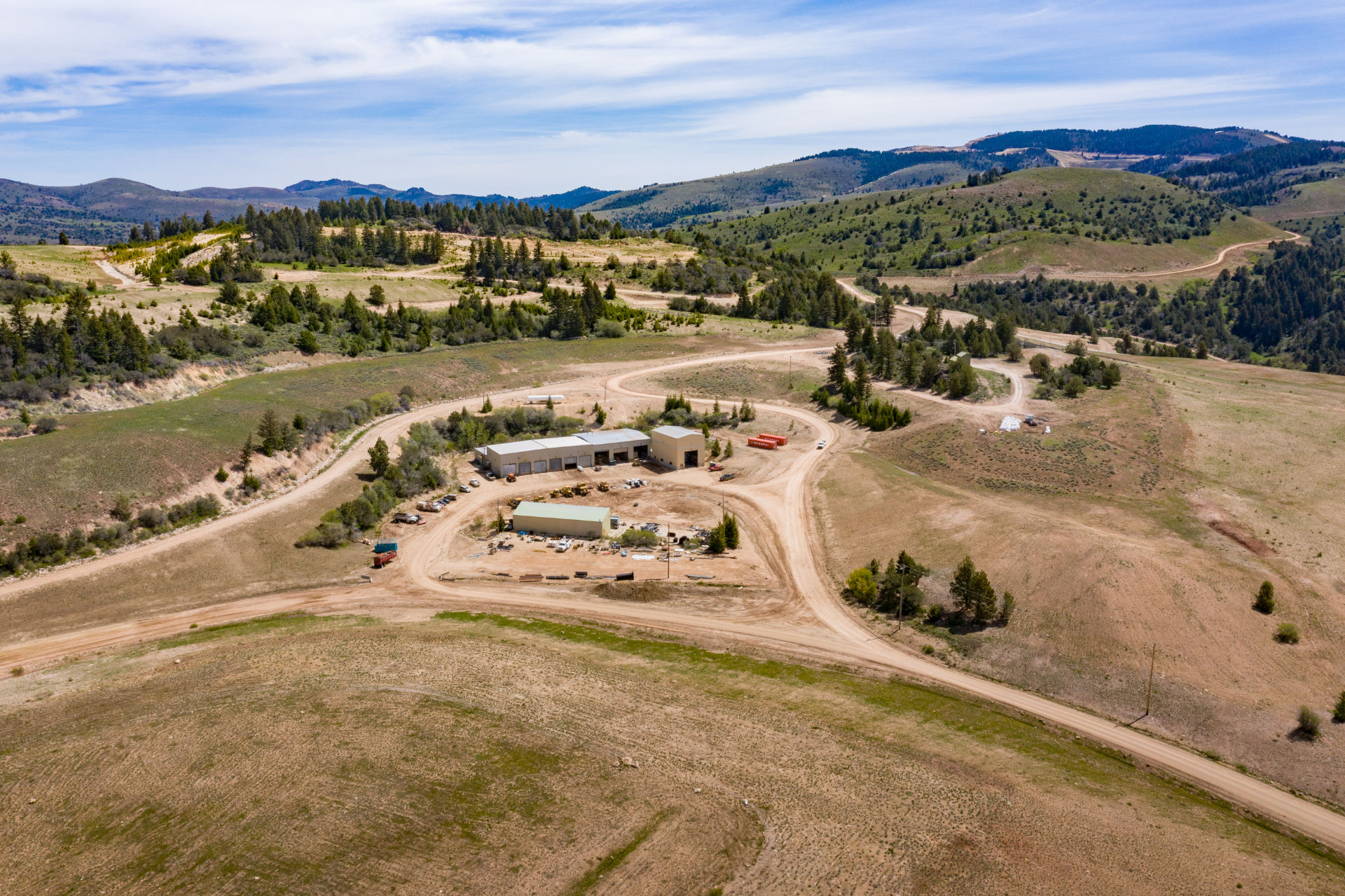
Glencore and Barrick previously owned Kabanga and released their own FS in 2014. That study assumed diesel generators would run the mine and concentrator. Since 2024, the state utility TANESCO has connected the site to the national grid. Lifezone has now had more than 2 years of grid power at the camp, removing a cost burden that weighed on the deposit's earlier owners.
Grid power is one piece of a wider buildout the state has funded. TANESCO built the transmission line at its own cost; Lifezone is simply the customer at the end of it. TANROADS is upgrading regional road access, and a donor-backed rail upgrade linking Dar es Salaam to the Lake Victoria region passes within roughly 300 kilometers of the site, a line Lifezone will become a major industrial customer of once shipments begin. The company has also built some of its own site infrastructure, including an airstrip at the camp. Together, it's a cost base that a lender will underwrite very differently from the diesel-powered operation that Glencore and Barrick planned in 2014.
A Government With Skin in the Game
Under Tanzania's mining legislation, the government holds a 16% free carried interest in major projects such as Kabanga, plus 2 board seats on the local subsidiary. Hofmaier describes this as real alignment, not just a royalty relationship:
"The Tanzanian state is really a partner in the project. They have 2 members at the local subsidiary board, so they have insights into what we do on a regular basis."
That same framework is now the main source of timeline risk. Talks to amend the Framework Agreement, which governs how fiscal benefits are split, ran through the first half of 2026. They included a June 9, 2026, meeting between Chairman Keith Liddell and Tanzania's President, Dr. Samia Suluhu Hassan. The company confirmed in its first-half results that negotiations were progressing more slowly than expected, pushing FID to the first quarter of 2027. Management notes the date could shift earlier or later depending on how lenders assess the amended agreement once it closes.
Permits Move Ahead of the Politics
Permitting and procurement have continued to advance on their own tracks. By June 30, 2026, all material permits for current activities were in place, aside from the Special Mining License itself. The Chemical Registration Certificate, Landfill Permit, Environmental & Social Management Plan (ESMP) update, Sewage Treatment Plan Permit, and the transmission line's Environmental Impact Assessment (EIA) all came through in the first half of the year. Procurement moved just as quickly: 59 Expressions of Interest were approved by the Mining Commission, and roughly $854 million in contracts covering engineering, procurement, and construction management (EPCM), mining, and bulk earthworks went to market.
Financing is where the government relationship pays off most directly. Societe Generale's debt process has already lined up development finance institutions and export credit agency pathfinders across Africa, Europe, and North America, with indications of liquidity in hand. A separate equity process led by Standard Chartered Bank is in advanced stages, with multiple offers received. Both banks have long histories advising Tanzania directly. The US Development Finance Corporation (DFC) completed its political risk insurance due diligence earlier in the year, and international insurance brokers have been appointed to prepare a global insurance roadshow, another layer aimed squarely at jurisdiction risk.
The Margin Case Holds Regardless
The delay in the Framework Agreement pushes out the timeline. It doesn't change the underlying economics. Hofmaier points to grade as the reason the project should be profitable even in a weak pricing environment, citing an estimated 40%-50% operating margin at last year's cyclical low. The 2.5-year construction phase set out in the FS will employ more than 2,000 people at peak, Hofmaier says. Once the mine is operating, direct headcount settles to around 1,000, with a supplier base the company estimates at 2 to 3 times that operating figure.
Lifezone has been explicit that the government relationship remains central to Kabanga, even as the Framework Agreement talks continue. That's the tension in Kabanga's current case: the same relationship that de-risked the infrastructure, the permits, and the capital structure is also, for now, the clearest driver behind the shift to a first-quarter 2027 FID target, though final engineering, remaining permits, and the financing close are still running in parallel. For investors weighing jurisdiction risk, there's a real difference between a government that's mid-negotiation and one that connected the site to the grid in 2024 and has spent the years since building the roads, rail, and regulatory groundwork a project like this needs.
The Investment Thesis for Lifezone Metals
- Tanzania's 16% carried interest and board representation align government incentives with project success, rather than positioning the state as just a tax collector.
- State-funded infrastructure has already removed the diesel dependence that shaped the deposit's prior feasibility study under Glencore and Barrick.
- Permitting and procurement have continued to move independently of the Framework Agreement talks, with $854 million in contracts already released to market.
- Financing is running on 2 parallel tracks, debt and strategic equity, reducing reliance on any single funding source.
- Beyond Tanzania, the US government has its own stake in de-risking Kabanga, with the Development Finance Corporation having already completed political risk insurance due diligence indicating support beyond conventional project finance channels.
- The deposit's grade underpins a wide operating margin even at cyclical price lows, a buffer that holds regardless of near-term movements.
Kabanga's case rests less on any single catalyst than on the weight of a government relationship that has already de-risked power, transport, and much of the permitting path. The Framework Agreement amendment remains the clearest driver of the current timeline, alongside the engineering and financing work that is still progressing toward a final investment decision.
TL;DR
Lifezone Metals' financing case for the Kabanga Nickel Project rests on a close structural partnership with the Tanzanian government, whose carried interest, board seats, and infrastructure investment since 2024 have already addressed cost and access risks that constrained the deposit's prior owners. Permitting and procurement have advanced on schedule, and financing is progressing on parallel debt and equity tracks, even as negotiations under the Framework Agreement, which ran longer than expected, push FID to the first quarter of 2027.
FAQs (AI-Generated)
Analyst's Notes





Subscribe to Our Channel

.png)

.png)




.png)
Stay Informed


